La columna vertebral de la industria de la construcción son sus materiales, y entre los más fundamentales están los ladrillos de cemento. El equipo utilizado para producir estos componentes ha evolucionado desde herramientas manuales simples hasta sistemas altamente sofisticados y automatizados.
Análisis Integral de las Máquinas para Fabricar Ladrillos de Cemento
1.1 Principio Operativo Central y Flujo de Trabajo
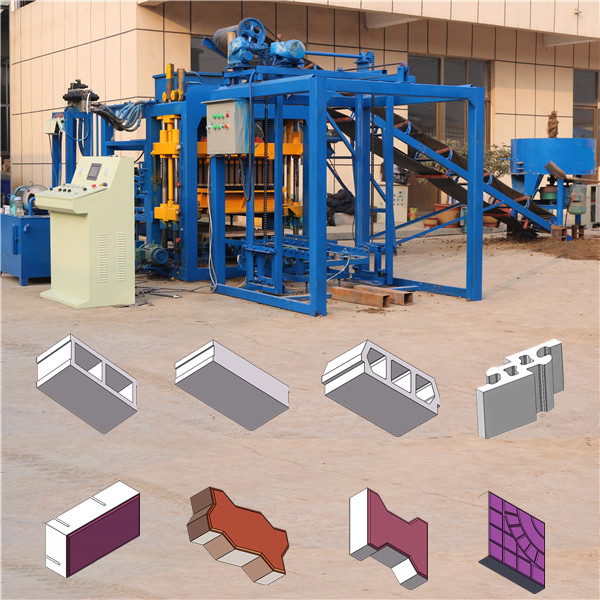
En esencia, una máquina para fabricar ladrillos de cemento automatiza el proceso de compactar una mezcla de cemento, áridos (como arena o piedra triturada) y agua en un molde para formar un ladrillo de dimensiones y densidad específicas. El flujo de trabajo fundamental puede desglosarse en varias etapas distintas.
- Dosificación y Mezcla de Materias Primas:El proceso comienza con la dosificación precisa de las materias primas. Esto se realiza frecuentemente mediante sistemas automatizados de dosificación o de forma manual, dependiendo del nivel de sofisticación de la máquina. Los componentes secos se mezclan a fondo antes de añadir agua para lograr una mezcla de hormigón homogénea y semiseca con la consistencia adecuada para la compactación.
- Llenado del Molde:La mezcla preparada se transporta o alimenta luego a la cavidad del molde de la máquina. El molde, o troquel, es un componente de ingeniería de precisión que define la forma, el tamaño y la textura superficial del ladrillo. Las máquinas avanzadas aseguran un llenado uniforme para garantizar un peso y densidad consistentes en todos los productos.
- Compactación a Alta Presión:Esta es la fase más crítica. Un sistema hidráulico o mecánico aplica una presión inmensa a la mezcla dentro del molde. Esta fuerza de compresión elimina los huecos de aire, compacta densamente las partículas y le da al ladrillo su integridad estructural y alta resistencia. El nivel de presión, medido en toneladas o megaPascales, es un determinante clave de la calidad del producto final.
- Curado y Desmoldeo:Después de la compactación, el ladrillo recién formado, conocido como "ladrillo verde", es expulsado del molde. En las plantas estacionarias, estos ladrillos verdes se transportan a una cámara de curado. El curado implica mantener una temperatura y humedad controladas durante un período determinado, lo que permite que el cemento se hidrate completamente y gane resistencia. Algunas máquinas móviles pueden producir ladrillos que se curan de forma natural apilándolos y cubriéndolos.
- Manejo y Paletizado de LadrillosUna vez curados y suficientemente endurecidos, los ladrillos terminados se apilan automática o manualmente en palés para su almacenamiento, transporte y distribución. Los sistemas automatizados de paletización reducen significativamente los requerimientos de mano de obra y los daños por manipulación.
1.2 Clasificación y Tipos de Máquinas
Las máquinas para fabricar ladrillos de cemento se clasifican según su modo de operación y nivel de automatización, cada una adecuada para diferentes escalas de producción y niveles de inversión.
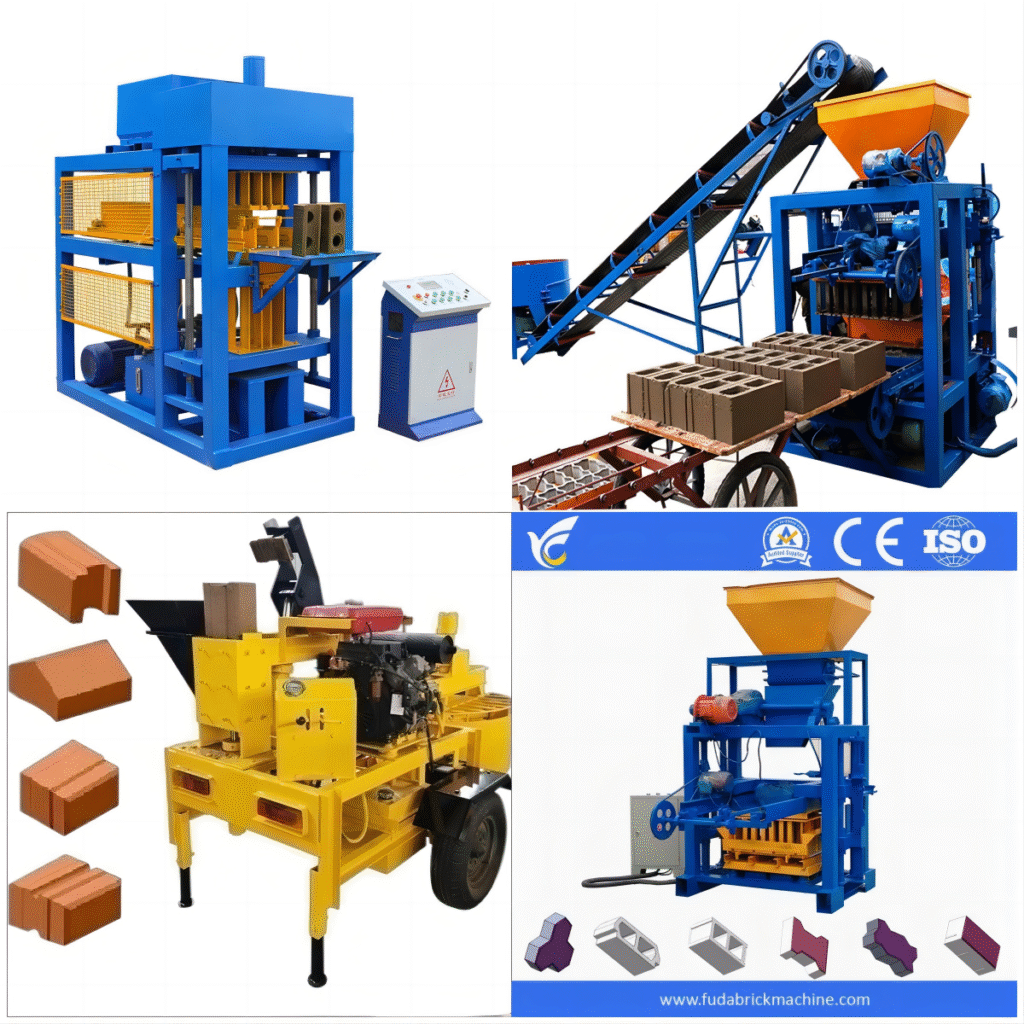
- Máquinas Completamente Automáticas:Estas representan la cúspide de la eficiencia productiva. Integran todas las etapas—dosificación, mezclado, moldeado, compactación y paletizado—en un único proceso continuo controlado por computadora. Equipadas con Controladores Lógicos Programables (PLCs) y sofisticados sistemas hidráulicos, requieren una intervención humana mínima y pueden operar las 24 horas del día, los 7 días de la semana. Son ideales para la producción industrial a gran escala, proyectos de construcción importantes y mercados con una demanda extremadamente alta.
- Máquinas Semiautomáticas:Este tipo logra un equilibrio entre producción e inversión. Aunque los procesos centrales de compactación y moldeo están automatizados, ciertas tareas como la alimentación de materia prima o la retirada y apilado de ladrillos pueden requerir mano de obra manual. Ofrecen una alta capacidad de producción y calidad consistente a un costo de capital más bajo que los sistemas totalmente automáticos, lo que los convierte en una opción popular para empresas de mediano tamaño.
- Máquinas Manuales o Ponedoras de Huevos:Estas son unidades móviles, simples y rentables. Un operario llena el molde manualmente, y la máquina utiliza una palanca o un pequeño mecanismo hidráulico para aplicar presión. Luego, la máquina se desplaza, "colocando" el ladrillo directamente en el suelo para su curado natural. Aunque requieren mucha mano de obra y tienen una producción más baja, ofrecen una flexibilidad incomparable y un costo de entrada muy bajo para pequeñas empresas, emprendimientos o proyectos en ubicaciones remotas.
1.3 Especificaciones Técnicas Clave y Métricas de Rendimiento
Para un distribuidor o comprador, evaluar una máquina en función de sus especificaciones técnicas es crucial. Las métricas clave incluyen:
- Capacidad de Producción (Ladrillos por Hora):Este es el principal indicador de producción. Varía drásticamente, desde unos pocosientos ladrillos por hora para máquinas manuales hasta más de 10,000 para líneas automáticas grandes.
- Tiempo de Ciclo:El tiempo total necesario para completar un ciclo de moldeo, que influye directamente en la capacidad de producción.
- Fuerza de Presión (Toneladas o MPa): The maximum pressure the machine can exert, which correlates directly with the compressive strength of the final brick product.
- Power Rating (kW): The electrical power consumption of the machine, which impacts operational costs.
- Automation Level (PLC Control): The presence of a PLC system for precision, repeatability, and ease of operation.
- Overall Dimensions and Footprint: The physical space required for the machine and its auxiliary systems.
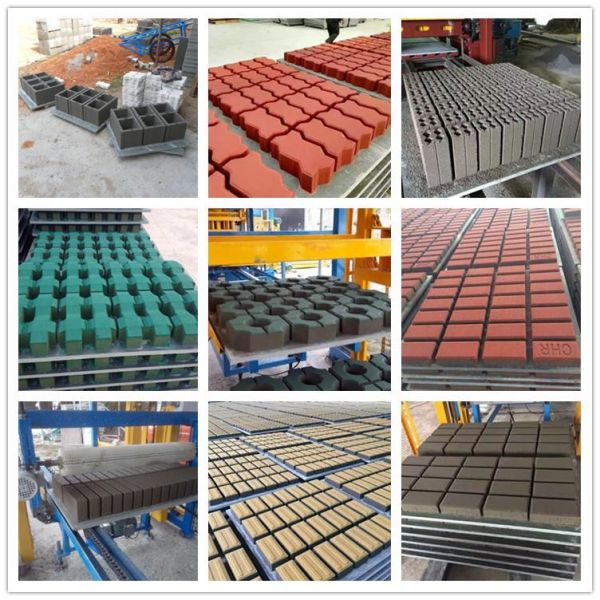
- Versatilidad de Materias Primas: The ability to produce different products (solid, hollow, paving blocks, interlocking bricks) by simply changing the mold.
1.4 Strategic Advantages for Business and Construction
Investing in modern cement brick production technology offers a multitude of benefits:
- Exceptional Production Efficiency and Scalability: Automation drastically increases output while reducing the time per production cycle, allowing businesses to scale operations to meet large orders and tight deadlines.
- Superior and Consistent Product Quality: Machine-made bricks exhibit uniform dimensions, high density, and consistent compressive strength, which are critical for structural integrity and compliance with building codes.
- Reducción Significativa en los Costos Laborales: Automated systems minimize the reliance on a large workforce for strenuous tasks, leading to substantial long-term savings and reduced management overhead.
- Enhanced Cost-Effectiveness on Raw Materials: These machines can efficiently use locally available raw materials, including certain industrial by-products like fly ash, reducing material costs and promoting sustainable practices.
- Operational Flexibility and Product Diversification: With interchangeable molds, a single machine can produce a wide array of brick types and styles, enabling a business to diversify its product portfolio and adapt to changing market trends without major capital reinvestment.
1.5 Critical Selection Criteria for Commercial Buyers
When procuring machinery for resale or own use, several factors must be meticulously evaluated:
- Assessing Target Market Demand: The choice of machine must align with the local market’s volume requirements, preferred brick types, and quality standards.
- Financial Analysis: Capital vs. Operational Expenditure: A fully automatic machine has a high initial cost but low running costs. A manual machine has a low entry price but higher per-unit labor costs. A thorough cost-benefit analysis is essential.
- Evaluation of After-Sales Support and Service: The availability of spare parts, technical support, and maintenance services from the supplier is a critical, often overlooked, factor that ensures long-term machine uptime and productivity.
- Supplier Verification and Compliance: It is imperative to partner with reputable suppliers who can provide certifications, comply with international safety standards, and offer reliable warranties.
Conclusión
The cement brick making machine is more than just a piece of industrial equipment; it is a pivotal asset that defines the productivity, quality, and profitability of a construction materials business. The transition from manual to automated production is a strategic move that yields dividends in the form of higher output, superior product consistency, and reduced operational expenses. For distributors and procurement specialists, a deep and nuanced understanding of the different machine types, their technical capabilities, and the associated commercial dynamics is not merely beneficial—it is a fundamental requirement for success. By prioritizing robust machinery that aligns with specific market needs and is backed by strong technical support, businesses can secure a formidable competitive edge in the dynamic global construction market.
Frequently Asked Questions (FAQ)
Q1: What is the fundamental difference between a fully automatic and a semi-automatic machine?
A: A fully automatic machine is an integrated system where all processes, from feeding raw materials to stacking finished bricks, are performed by the machine with minimal operator input, controlled by a PLC. A semi-automatic machine automates the core molding and compaction processes but requires manual intervention for tasks like feeding the mixture or removing and stacking the cured bricks.
Q2: Can one machine produce different types and sizes of bricks?
A: Yes, most modern machines are designed with this flexibility in mind. By changing the mold (also called a die), the same machine can typically produce a variety of products, including solid blocks, hollow blocks, paving stones, and interlocking bricks of different dimensions.
Q3: What are the primary cost factors to consider beyond the initial purchase price?
A: The total cost of ownership includes:
- Operating Costs: Electricity and water consumption.
- Costos Laborales: Wages for operators and maintenance staff.
- Maintenance and Spare Parts: Regular servicing and replacement of wear parts like molds and hydraulic seals.
- Costos de Materias Primas: The ongoing expense of cement, aggregates, and other additives.
- Land and Infrastructure: The cost of the factory space and foundation required for the machine.
Q4: How important is the pressure force specification?
A: Extremely important. The pressure force, measured in tons, directly determines the final brick’s density and compressive strength. Higher pressure results in a denser, stronger, and more durable brick that can meet higher structural grading standards.
Q5: What kind of after-sales service should a reliable supplier offer?
A: A dependable supplier should provide:
- Comprehensive installation and commissioning services.
- On-site or remote operator training.
- Ready availability of genuine spare parts.
- Access to technical support for troubleshooting.
- A clear and responsive warranty policy.
Q6: Are these machines suitable for export to different international markets?
A: Yes, but it is crucial to ensure the machine complies with the destination country’s voltage standards (e.g., 220V/50Hz or 440V/60Hz), safety regulations, and any local certification requirements. A competent supplier should be able to configure the machine for the target market.