Kòlòn vètèbral endistri konstriksyon an se materyòl li yo, ak pami pi fondamantal yo gen brik siman. Ekipman yo itilize pou pwodui eleman sa yo te evolye soti nan zouti manchèl senp rive nan sistèm otomatize ki trè sofistike.
Analiz Konplè Machin pou Fè Brik Siman
1.1 Prensip Operasyonèl Debaz ak Wòk Koule
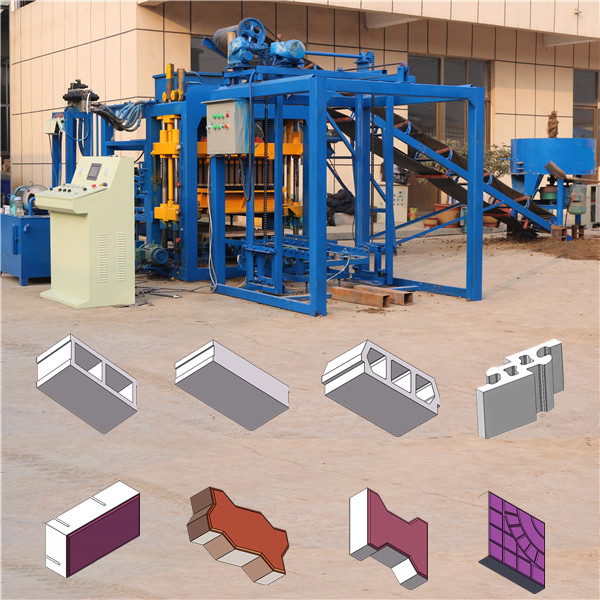
Nan kè li, yon machin pou fè brik siman otomatize pwosesis pou konpakte yon melanj de siman, agrega (tankou sab oswa wòch kraze), ak dlo nan yon mòd pou fòme yon brik ak dimansyon ak dansite espesifik. Fondamantalman, flò travay la ka divize an plizyè etap diferan:
- Batisman ak Melanj Matyè Premye:Pwosesis la kòmanse avèk pwopòsyon egzak materyo premyè yo. Sa souvan fèt lè l sèvi avèk sistèm otomatik pou mezire oswa manyèlman, tou depann de nivo sofistikasyon machin nan. Konpozan sèk yo melanje byen anvan yo ajoute dlo pou yo ka jwenn yon melanj konkrè semi-sèk omojèn ak konsistans kòrèk pou konpak.
- Plenaj mwazi:Melanj ki prepare a la achte oswa pouse nan espas mwazi machin nan. Mwazi a, oswa kal, se yon eleman ki fèt ak presizyon ki defini fòm brik la, gwosè, ak tèks sifas li. Machin avanse yo asire ranpli inifòm pou garanti pwa ak dansite ki konsistan nan tout pwodwi yo.
- Konpresyon anba gwo presyon:Sa se faz ki pi kritik la. Yon sistèm idwolik oswa mekanik aplike yon gwo presyon sou melanj lan nan mwazi an. Fòs konpresyon sa a elimine twou lè, rasanble patikil yo byen sere ansanm, epi bay brik la entegrite estriktirèl li ak gwo fòs. Nivo presyon an, ki mezire an tòn oswa megaPascal, se yon detèminan kle nan kalite pwodui final la.
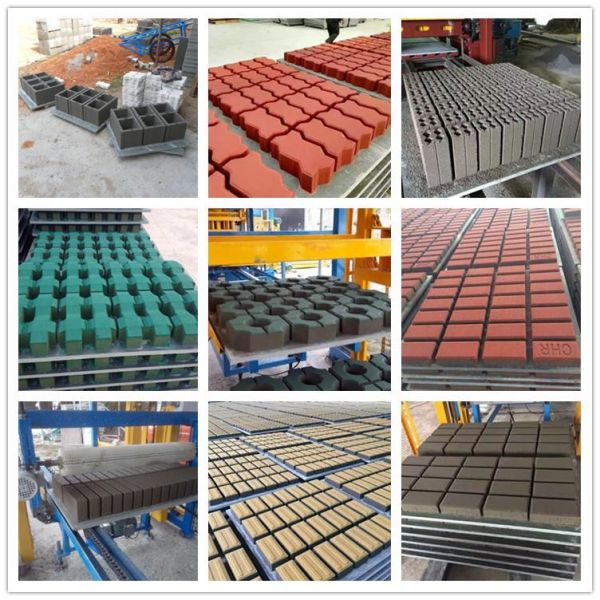
- Kire ak Demoulaj:Apre konpaksyon an, nouvo brik ki fòme a, ke yo rekonèt kòm yon "brik vèt," voye soti nan mòl la. Nan plant fiks yo, brik vèt sa yo transpòte nan yon chanm gerizon. Gerizon an enplike kenbe tanperati ak imidite kontwole pou yon peryòd fiks, ki pèmèt siman an idrate nèt ak vin gen fòs. Gen kèk machin mobil ki ka pwodui brik ki geri natirèlman lè yo anpile epi kouvri yo.
- Manipilasyon Brik ak Paletizasyon:Yon fwa yo geri epi yo byen di, brik fini yo mete otomatikman oswa manyèlman sou palèt pou depo, transpò, ak distribisyon. Sistèm otomatize pou mete sou palèt diminye anpil bezwen travay ak domaj nan manyen.
1.2 Klasifikasyon ak Kalite Machin
Machin pou fè brik siman yo klase dapre mòd operasyon yo ak nivo otomatizasyon yo, chak adapte pou echèl pwodiksyon diferan ak nivo envestisman diferan.
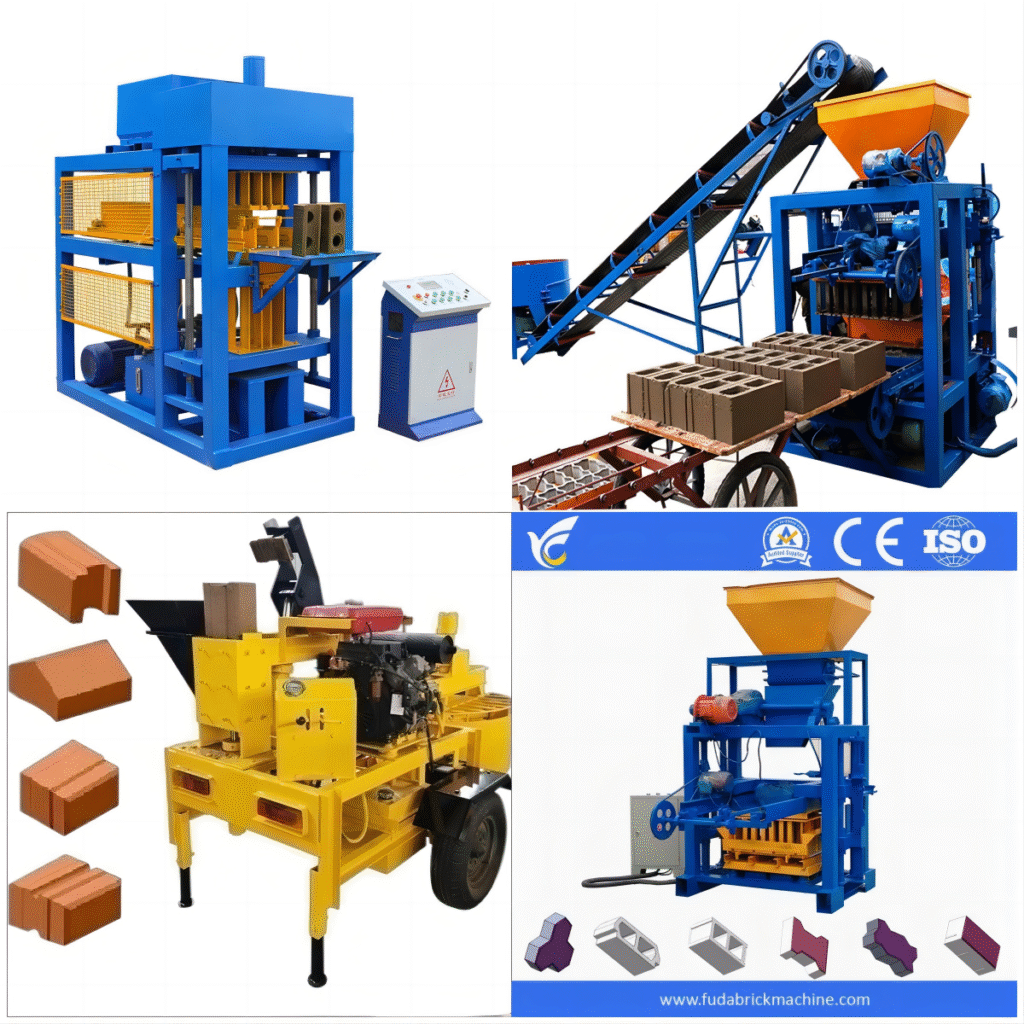
- Machin Otomatik Konplè:Sa yo reprezante somè efikasite nan pwodiksyon. Yo entegre tout etap yo—mélanj, melanje, moule, konpakte, ak anpaletize—nan yon sèl pwosesis kontinyèl, kontwole pa òdinatè. Ekipe ak Kontwolè Lojik Pwogramab (PLC) ak sistèm idwolik sofistike, yo mande pou entèvansyon imen minim epi yo ka opere 24/7. Yo ideyal pou pwodiksyon endistriyèl gwo echèl, gwo pwojè konstriksyon, ak mache ki gen demann ekstrèmman wo.
- Machin Semi-Otomatik:Kalite sa a genyen yon balans ant pwodiksyon ak envestisman. Pandan ke pwosesis konpaksyon ak fòme yo otomatize, gen kèk travay tankou manje materyo premye oswa retire brik ak ranje yo ki ka mande travay manyèl. Yo ofri gwo kapasite pwodiksyon ak bon jan kalite ki konstan nan yon pri kapital ki pi ba pase sistèm otomatik nèt, sa ki fè yo yon chwa popilè pou antrepriz mwayen.
- Machin Oswa Machin pou Ponde Ze:Sa yo se inite mobil, senp, ak ki pa chè. Yon operatè manyèlman ranpli mòl la, epi machin nan sèvi ak yon levye oswa yon ti mekanis idwolik pou aplike presyon. Apre sa, machin nan deplase, "poze" brik la dirèkteman sou tè a pou yon sechaj natirèl. Malgre yo mande anpil travay epi yo pwodui mwens, yo ofri yon fleksibilite san parèy ak yon pri antre trè ba pou ti biznis, start-up, oswa pwojè nan kote ki byen lwen.
1.3 Espesifikasyon Teknik Kle ak Metrik Pèfòmans
Pou yon distribitè oswa yon achtè, evalye yon machin dapre espesifikasyon teknik li yo enpòtan anpil. Metrik kle yo enkli:
- Kapasite Pwodiksyon (Brikèt pa Èdtan):Sa se prensipal endikatè pwodiksyon an. Li varye anpil, soti nan kèk santèn brik pa è pou machin manyèl yo rive plis pase 10,000 pou gwo liy otomatik yo.
- Tan SikTan total li pran pou konplete yon sik moulaj, ki afekte kapasite pwodiksyon an dirèkteman.
- Fòs Pwèsyon (Tòn oswa MPa):Presyon maksimal machin nan ka egzèse, ki korele dirèkteman ak fòs konpresif pwodui brik final la.
- Pouvwa Rating (kW):Konsomasyon enèji elektrik machin nan, ki afekte depans operasyonèl yo.
- Nivo Otomatizasyon (Kontwòl PLC):Prezans yon sistèm PLC pou presizyon, repetabilite, ak fasilite nan operasyon.
- Dimansyon Jeneral ak Zòn Kouvri:Espas fizik ki nesesè pou machin nan ak sistèm oksilyè li yo.
- Versatilite Matyè Premyè:Kapasite pou pwodwi diferan kalite pwodwi (blòk solid, blòk kre, blòk pave, brik antrebloke) jis lè w chanje mòl la.
1.4 Strategic Advantages for Business and Construction
Investing in modern cement brick production technology offers a multitude of benefits:
- Exceptional Production Efficiency and Scalability: Automation drastically increases output while reducing the time per production cycle, allowing businesses to scale operations to meet large orders and tight deadlines.
- Superior and Consistent Product Quality: Machine-made bricks exhibit uniform dimensions, high density, and consistent compressive strength, which are critical for structural integrity and compliance with building codes.
- Significant Reduction in Labor Costs: Automated systems minimize the reliance on a large workforce for strenuous tasks, leading to substantial long-term savings and reduced management overhead.
- Enhanced Cost-Effectiveness on Raw Materials: These machines can efficiently use locally available raw materials, including certain industrial by-products like fly ash, reducing material costs and promoting sustainable practices.
- Operational Flexibility and Product Diversification: With interchangeable molds, a single machine can produce a wide array of brick types and styles, enabling a business to diversify its product portfolio and adapt to changing market trends without major capital reinvestment.
1.5 Critical Selection Criteria for Commercial Buyers
When procuring machinery for resale or own use, several factors must be meticulously evaluated:
- Assessing Target Market Demand: The choice of machine must align with the local market’s volume requirements, preferred brick types, and quality standards.
- Financial Analysis: Capital vs. Operational Expenditure: A fully automatic machine has a high initial cost but low running costs. A manual machine has a low entry price but higher per-unit labor costs. A thorough cost-benefit analysis is essential.
- Evaluation of After-Sales Support and Service: The availability of spare parts, technical support, and maintenance services from the supplier is a critical, often overlooked, factor that ensures long-term machine uptime and productivity.
- Supplier Verification and Compliance: It is imperative to partner with reputable suppliers who can provide certifications, comply with international safety standards, and offer reliable warranties.
Konklizyon
The cement brick making machine is more than just a piece of industrial equipment; it is a pivotal asset that defines the productivity, quality, and profitability of a construction materials business. The transition from manual to automated production is a strategic move that yields dividends in the form of higher output, superior product consistency, and reduced operational expenses. For distributors and procurement specialists, a deep and nuanced understanding of the different machine types, their technical capabilities, and the associated commercial dynamics is not merely beneficial—it is a fundamental requirement for success. By prioritizing robust machinery that aligns with specific market needs and is backed by strong technical support, businesses can secure a formidable competitive edge in the dynamic global construction market.
Kesyon yo poze souvan (FAQ)
Q1: What is the fundamental difference between a fully automatic and a semi-automatic machine?
A: A fully automatic machine is an integrated system where all processes, from feeding raw materials to stacking finished bricks, are performed by the machine with minimal operator input, controlled by a PLC. A semi-automatic machine automates the core molding and compaction processes but requires manual intervention for tasks like feeding the mixture or removing and stacking the cured bricks.
Q2: Can one machine produce different types and sizes of bricks?
A: Yes, most modern machines are designed with this flexibility in mind. By changing the mold (also called a die), the same machine can typically produce a variety of products, including solid blocks, hollow blocks, paving stones, and interlocking bricks of different dimensions.
Q3: What are the primary cost factors to consider beyond the initial purchase price?
A: The total cost of ownership includes:
- Operating Costs: Electricity and water consumption.
- Depans pou Travay: Wages for operators and maintenance staff.
- Maintenance and Spare Parts: Regular servicing and replacement of wear parts like molds and hydraulic seals.
- Pri Materyo yo The ongoing expense of cement, aggregates, and other additives.
- Land and Infrastructure: The cost of the factory space and foundation required for the machine.
Q4: How important is the pressure force specification?
A: Extremely important. The pressure force, measured in tons, directly determines the final brick’s density and compressive strength. Higher pressure results in a denser, stronger, and more durable brick that can meet higher structural grading standards.
Q5: What kind of after-sales service should a reliable supplier offer?
A: A dependable supplier should provide:
- Comprehensive installation and commissioning services.
- On-site or remote operator training.
- Ready availability of genuine spare parts.
- Access to technical support for troubleshooting.
- A clear and responsive warranty policy.
Q6: Are these machines suitable for export to different international markets?
A: Yes, but it is crucial to ensure the machine complies with the destination country’s voltage standards (e.g., 220V/50Hz or 440V/60Hz), safety regulations, and any local certification requirements. A competent supplier should be able to configure the machine for the target market.