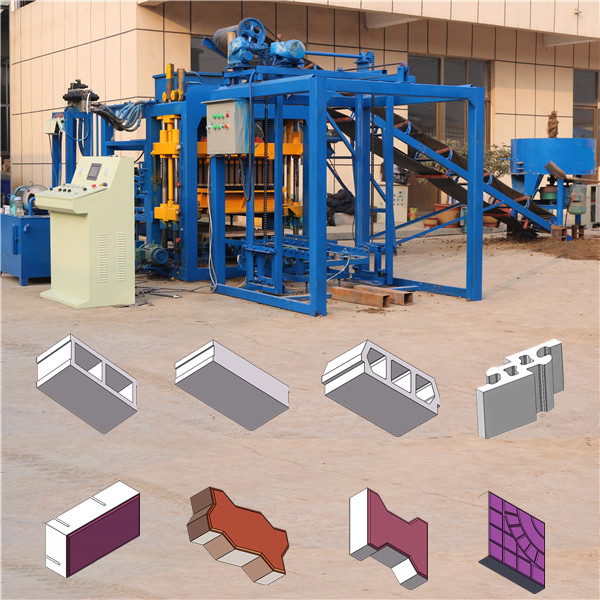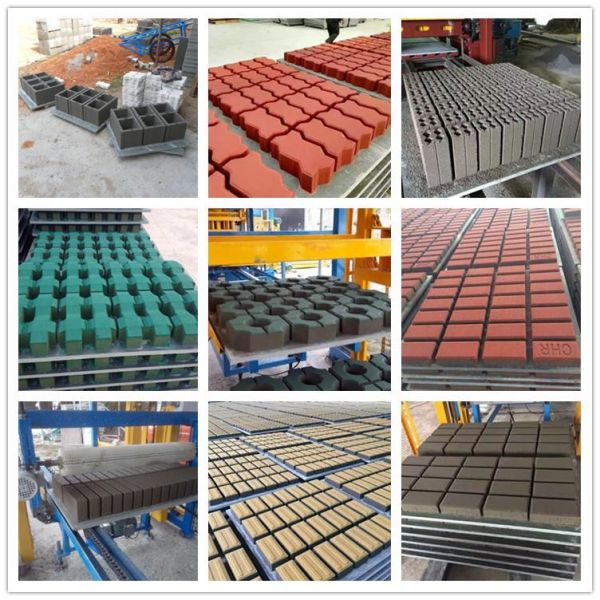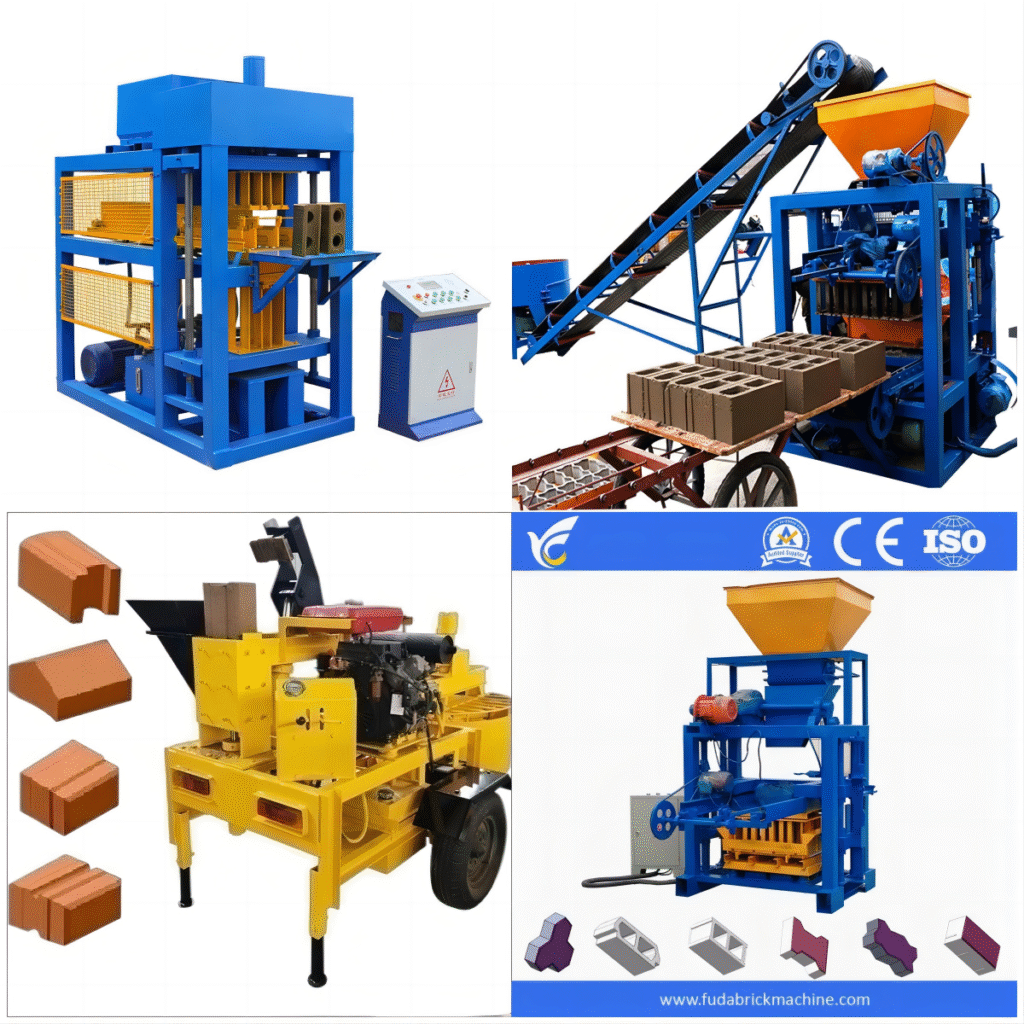
Qalabka wax soo saarka ee dhismaha waa laf dhabarta, kaas oo ugu muhiimsan ay yihiin birta simenti. Qalabka loo isticmaalo soo saarista qaybahan waa uu horumaryay qalab fudud oo gacanta laga isticmaalo ilaa nidaamyada otomaatiga ah ee aad u casriyey.
Falanqin Caan ah ee Makiinadaha Sameynta Lebiska Simento
1.1 Mabaadi'da Aasaasiga ah ee Hawl-galinta iyo Habka Hawl-galka
Qalabka sameynta leegooyinka simento waxaa uu u shaqeeyaa si aan wax lagu dhejin oo uu isku dhinto qasabada isku-darka simento, kuwa la dhejiyo (sida ciidda ama dhagax la jajabay), iyo biyaha si loo sameeyo leego qeexan oo leh cabbir iyo cufnaan gaar ah. Habka shaqada aasaasiga ah waxaa loo kala saari karaa marooyin kala duwan:
- Ku Shubista iyo Isku-dhafka Alaabta-Geedka:Waxa uu habku bilaabmaa iyadoo la qiyaasayo tayada saxda ah ee alaabta la shaqeynayo. Tani ayaa badanaa lagu qabanayaa nidaamyada otomaatiga ah ee kala bixinta ama gacanta, iyadoo lagu salaynayo heerka farsamada ee mashiinka. Qaybaha qalalka ah ayaa la isku qasaa si dhammaystiran ka hor inta aan biyaha la gelin si loo helo isku dheelli tir la'aan oo siman oo kiisanka dhexdhexaad ah leh oo u qalma isku dhufashada.
- Buuxinta Qashin:Markabka diyaarinta ah ayaa markaa loo gudbiyaa ama loo dhiibaa goobta qolofka mashiniyadda. Qolofka, ama qalabka, waa qayb la sameeyay si taxadar leh oo qeexaysa qaabka, cabbirka, iyo dahaarka dhagaxa. Mashiniyadaha horumarsan waxay hubiyaan buuxinta isku mid ah si loo hubiyo miisaan iyo cufnaan joogto ah dhammaan alaabta.
- Cufintaad Xoog leh:Tani waa heerka ugu muhiimsan. Nidaam hydraulik ah ama makaanikadeed ayaa cadaadis aad u weyn ku hayaa isku-darka ku jira qaabka. Xoogga cidhiidhyada ahi wuxuu tirtiraa boobooyinka hawo, si qoto dheer u ururiyaa dhabbaha isku dhejiyeya, wuxuuna siiyaa birigga qaab dhismeedkiisa iyo xooggiisa sare. Heerka cadaadiska, oo lagu cabbirayo tonno ama megaPascals, waa go'aamiye muhiim ah oo qiimaha alaabta ugu dambaysa.
- Laamiga iyo Ka-saarida QolofkaKa dib dhismaha, dhagaxa cusub ee la sameeyay, oo loo yaqaan "dhagaxa cagaaran," ayaa laga saaraa qaabka. Goobaha joogtada ah, dhagaxyadan cagaaran ayaa loo geeyaa qolka lagu daweeyo. Daweyntu waxay ku lug leedahay joogitaanka heerkulka iyo qoyanka la maamulayo muddo gaar ah, taasoo u oggolaanaysa simeentiga inuu si buuxda u biyo qaato oo xoog ugu soo kordhiyo. Qaar ka mid ah makiinadaha socda ayaa laga yaabaa inay soo saaraan dhagaxyo la daweeyo dabiiciga ah iyagoo la isku dhejiyo oo la daboolo.
- Qalabka Qalabka iyo Baaldiyada:Marka la daaweeyo oo si ku filan u adag, labada la dhisay si otomaatig ah ama gacanta ayaa loo rari karaa palletada kaydinta, gaadiidka iyo qaybinta. Nidaamyada otomaatiga ah ee pallet-ka aad ayay u yareeyaan shaqada loo baahan yahay iyo dhaawaca la qabanayo.
1.2 Kala Soocidda iyo Noocyada Makiinadaha
Makiinadaha sameynta birigta simenta waxaa loo kala saaraa iyadoo loo eegayo habka hawlgalka iyo heerka otomaatigga, mid kasta oo loogu habboon yahay heerarka wax soo saarka kala duwan iyo heerarka maalgashiga.
- Makiinadaha Tooska ah ee Si Fudud:Kuwanu waa xirfadaha ugu sarreeya ee wax soo saarka. Waxay ku darsadaan dhammaan maraakibta—isku dhajinta, isku qasinta, qaabeynta, cufka, iyo baaldhigyada—oo mid kaliya ah, oo sii socda, oo kumbuyuutar la maamulo. Qalabka loogu talagalay Maareeyaha Fikradaha Barnaamijyada (PLCs) iyo nidaamyada haydaraawik ee xirfad leh, waxay u baahan yihiin ka-qaybgalka aadanaha oo yar oo waxay shaqeyn karaan 24/7. Waxay ku habboon yihiin wax soo saarka waaweyn ee warshadeed, mashruucya dhismeed oo waaweyn, iyo suuqyada baahida ugu sarreysa.
- Makiinnada Yar-otoomaatig ah:Noocaani waxay dhexdhexaad u dhigantaa soo saarista iyo maalgashiga. In kasta oo hababka xoogga leh ee isku-dhafka iyo qaabaynta ay awood u yihiin, hawlo gaar ah sida dhigista alaabta ee la shaqeeyo ama ka saarista iyo isku-dhajinta lebbiska ayaa laga yaabaa in ay u baahan yihiin shaqo gacanta. Waxay bixiyaan awood soo saar oo sarreysa iyo tayo joogto ah qiimo dhimis dhaqaale oo ka hooseeya nidaamyada si toos ah u shaqeeya, taasoo ka dhigaysa doorasho caan ah oo loogu talagalay shirkadaha dhexdhexaad ah.
- Qalabka Gacanta ama Ku-Dhajinta Ukunta:Kuwaani waa qalab mobile ah, fudud, oo qiimo jaban. Shaqaalaha ayaa gacanta ku buuxiya qaabka, makiinaduna waxay isticmaashaa liif ama qalab yar oo haydiroolik ah siyo cadaadis u dhiibo. Kadib makiinadii waa la dhaqaajiyaa, "dhigasho" labada toosan si toos ah dhulka loogu daweeyo. In kasta oo ay u baahan tahay shaqo badan oo wax soo saarka yar, waxay bixisaa dabacsanaan aan la barbardhigin karin iyo qiimo dhisto aad u hooseeya ganacsato yar, bilowga, ama mashruucyo meelo fog.
1.3 Furahaaga Farsamo ee Muhiimka ah iyo Miisaanka Waxqabadka
Loo baahanyahay qeybiye ama iibsade, qiimeynta makiinad ku salaysan qeexitaannada farsamadeed waa muhiim. Tilmaamaha muhiimka ah waxaa ka mid ah:
- Waxsoosa Wax-soo-saar (Lebo kii Saacaddiiba): This is the primary indicator of output. It varies dramatically, from a few hundred bricks per hour for manual machines to over 10,000 for large automatic lines.
- Waqtiga Wareegga: The total time taken to complete one molding cycle, directly influencing production capacity.
- Pressure Force (Tons or MPa): The maximum pressure the machine can exert, which correlates directly with the compressive strength of the final brick product.
- Power Rating (kW): The electrical power consumption of the machine, which impacts operational costs.
- Automation Level (PLC Control): The presence of a PLC system for precision, repeatability, and ease of operation.
- Overall Dimensions and Footprint: The physical space required for the machine and its auxiliary systems.
- Kala Duwanaan Laheynta Alaabta Asalka ah The ability to produce different products (solid, hollow, paving blocks, interlocking bricks) by simply changing the mold.
1.4 Strategic Advantages for Business and Construction
Investing in modern cement brick production technology offers a multitude of benefits:
- Exceptional Production Efficiency and Scalability: Automation drastically increases output while reducing the time per production cycle, allowing businesses to scale operations to meet large orders and tight deadlines.
- Superior and Consistent Product Quality: Machine-made bricks exhibit uniform dimensions, high density, and consistent compressive strength, which are critical for structural integrity and compliance with building codes.
- Significant Reduction in Labor Costs: Automated systems minimize the reliance on a large workforce for strenuous tasks, leading to substantial long-term savings and reduced management overhead.
- Enhanced Cost-Effectiveness on Raw Materials: These machines can efficiently use locally available raw materials, including certain industrial by-products like fly ash, reducing material costs and promoting sustainable practices.
- Operational Flexibility and Product Diversification: With interchangeable molds, a single machine can produce a wide array of brick types and styles, enabling a business to diversify its product portfolio and adapt to changing market trends without major capital reinvestment.
1.5 Critical Selection Criteria for Commercial Buyers
When procuring machinery for resale or own use, several factors must be meticulously evaluated:
- Assessing Target Market Demand: The choice of machine must align with the local market’s volume requirements, preferred brick types, and quality standards.
- Financial Analysis: Capital vs. Operational Expenditure: A fully automatic machine has a high initial cost but low running costs. A manual machine has a low entry price but higher per-unit labor costs. A thorough cost-benefit analysis is essential.
- Evaluation of After-Sales Support and Service: The availability of spare parts, technical support, and maintenance services from the supplier is a critical, often overlooked, factor that ensures long-term machine uptime and productivity.
- Supplier Verification and Compliance: It is imperative to partner with reputable suppliers who can provide certifications, comply with international safety standards, and offer reliable warranties.
Gabagabo
The cement brick making machine is more than just a piece of industrial equipment; it is a pivotal asset that defines the productivity, quality, and profitability of a construction materials business. The transition from manual to automated production is a strategic move that yields dividends in the form of higher output, superior product consistency, and reduced operational expenses. For distributors and procurement specialists, a deep and nuanced understanding of the different machine types, their technical capabilities, and the associated commercial dynamics is not merely beneficial—it is a fundamental requirement for success. By prioritizing robust machinery that aligns with specific market needs and is backed by strong technical support, businesses can secure a formidable competitive edge in the dynamic global construction market.
Su'aalaha Inta Badan La Is Weydiiyo (FAQ)
Q1: What is the fundamental difference between a fully automatic and a semi-automatic machine?
A: A fully automatic machine is an integrated system where all processes, from feeding raw materials to stacking finished bricks, are performed by the machine with minimal operator input, controlled by a PLC. A semi-automatic machine automates the core molding and compaction processes but requires manual intervention for tasks like feeding the mixture or removing and stacking the cured bricks.
Q2: Can one machine produce different types and sizes of bricks?
A: Yes, most modern machines are designed with this flexibility in mind. By changing the mold (also called a die), the same machine can typically produce a variety of products, including solid blocks, hollow blocks, paving stones, and interlocking bricks of different dimensions.
Q3: What are the primary cost factors to consider beyond the initial purchase price?
A: The total cost of ownership includes:
- Operating Costs: Electricity and water consumption.
- Qiimaha Shaqaalaha: Wages for operators and maintenance staff.
- Maintenance and Spare Parts: Regular servicing and replacement of wear parts like molds and hydraulic seals.
- Qiimaha Alaabta La Isticmaalo. The ongoing expense of cement, aggregates, and other additives.
- Land and Infrastructure: The cost of the factory space and foundation required for the machine.
Q4: How important is the pressure force specification?
A: Extremely important. The pressure force, measured in tons, directly determines the final brick’s density and compressive strength. Higher pressure results in a denser, stronger, and more durable brick that can meet higher structural grading standards.
Q5: What kind of after-sales service should a reliable supplier offer?
A: A dependable supplier should provide:
- Comprehensive installation and commissioning services.
- On-site or remote operator training.
- Ready availability of genuine spare parts.
- Access to technical support for troubleshooting.
- A clear and responsive warranty policy.
Q6: Are these machines suitable for export to different international markets?
A: Yes, but it is crucial to ensure the machine complies with the destination country’s voltage standards (e.g., 220V/50Hz or 440V/60Hz), safety regulations, and any local certification requirements. A competent supplier should be able to configure the machine for the target market.