A espinha dorsal da indústria da construção são seus materiais, e entre os mais fundamentais estão os blocos de cimento. O equipamento utilizado para produzir esses componentes evoluiu de ferramentas manuais simples para sistemas altamente sofisticados e automatizados.
Análise Abrangente das Máquinas de Fabricação de Tijolos de Cimento
1.1 Princípio Operacional Central e Fluxo de Trabalho
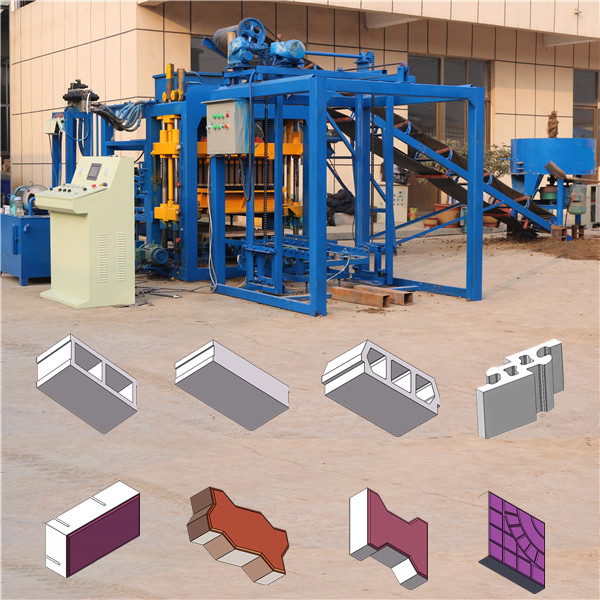
No cerne, uma máquina de fabricar tijolos de cimento automatiza o processo de compactação de uma mistura de cimento, agregados (como areia ou pedra britada) e água em um molde para formar um tijolo com dimensões e densidade específicas. O fluxo de trabalho fundamental pode ser dividido em várias etapas distintas:
- Dosagem e Mistura de Matérias-Primas:O processo começa com a dosagem precisa das matérias-primas. Isso geralmente é feito por meio de sistemas automatizados de pesagem ou manualmente, dependendo do nível de sofisticação da máquina. Os componentes secos são misturados completamente antes que a água seja adicionada para obter uma mistura de concreto homogênea e semi-seca com a consistência adequada para compactação.
- Preenchimento do Molde:A mistura preparada é então transportada ou alimentada na cavidade do molde da máquina. O molde, ou matriz, é um componente de engenharia de precisão que define a forma, o tamanho e a textura superficial do tijolo. Máquinas avançadas garantem um preenchimento uniforme para assegurar peso e densidade consistentes em todos os produtos.
- Compactação de Alta Pressão:Esta é a fase mais crítica. Um sistema hidráulico ou mecânico aplica uma pressão imensa à mistura dentro do molde. Essa força de compressão elimina vazios de ar, compacta densamente as partículas e confere ao tijolo sua integridade estrutural e alta resistência. O nível de pressão, medido em toneladas ou megapascais, é um determinante fundamental da qualidade do produto final.
- Cura e Desmoldagem:Após a compactação, o tijolo recém-formado, conhecido como "tijolo verde", é ejetado do molde. Em plantas estacionárias, esses tijolos verdes são transportados para uma câmara de cura. A cura envolve manter temperatura e umidade controladas por um período determinado, o que permite que o cimento hidrate completamente e ganhe resistência. Algumas máquinas móveis podem produzir tijolos que são curados naturalmente, empilhando-os e cobrindo-os.
- Manuseio e Paletização de TijolosUma vez curados e suficientemente endurecidos, os tijolos acabados são automaticamente ou manualmente empilhados em paletes para armazenamento, transporte e distribuição. Sistemas automatizados de paletização reduzem significativamente a necessidade de mão de obra e os danos no manuseio.
1.2 Classificação e Tipos de Máquinas
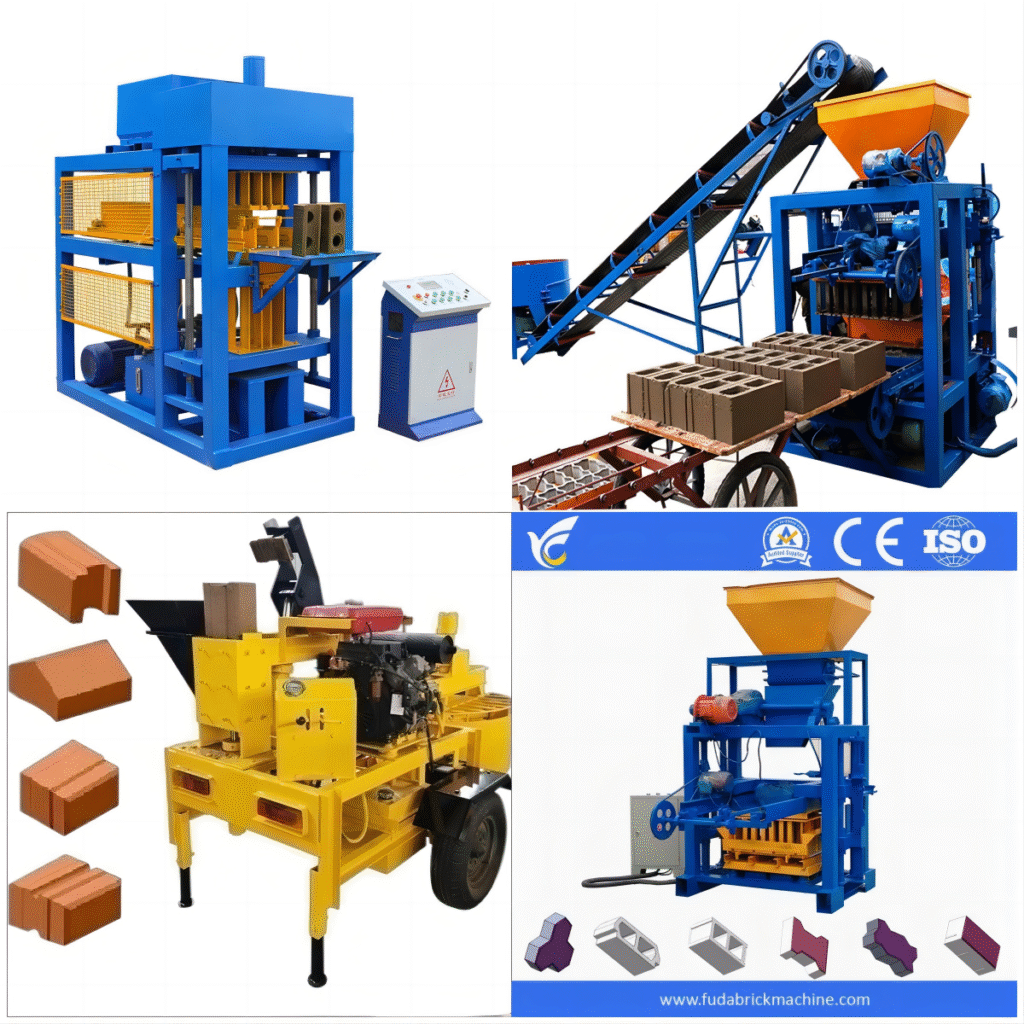
As máquinas de fabricação de tijolos de cimento são categorizadas com base em seu modo de operação e nível de automação, cada uma adequada a diferentes escalas de produção e níveis de investimento.
- Máquinas Totalmente Automáticas:Estas representam o ápice da eficiência produtiva. Elas integram todas as etapas — dosagem, mistura, moldagem, compactação e paletização — em um único processo contínuo e controlado por computador. Equipadas com Controladores Lógicos Programáveis (CLPs) e sistemas hidráulicos sofisticados, exigem intervenção humana mínima e podem operar 24 horas por dia, 7 dias por semana. São ideais para produção industrial em larga escala, grandes projetos de construção e mercados com demanda extremamente alta.
- Máquinas Semiautomáticas:Este tipo atinge um equilíbrio entre produção e investimento. Embora os processos centrais de compactação e moldagem sejam automatizados, certas tarefas como alimentação de matéria-prima ou remoção e empilhamento de tijolos podem exigir mão de obra manual. Eles oferecem alta capacidade de produção e qualidade consistente a um custo de capital mais baixo do que os sistemas totalmente automáticos, tornando-os uma escolha popular para empresas de médio porte.
- Máquinas Manuais ou de Postura de Ovos:Estas são unidades móveis, simples e de baixo custo. Um operador preenche manualmente o molde, e a máquina utiliza uma alavanca ou um pequeno mecanismo hidráulico para aplicar pressão. Em seguida, a máquina é movida, "depositando" o tijolo diretamente no solo para cura natural. Embora sejam intensivas em mão de obra e tenham uma produção mais baixa, oferecem flexibilidade incomparável e um custo de entrada muito baixo para pequenas empresas, startups ou projetos em locais remotos.
1.3 Principais Especificações Técnicas e Métricas de Desempenho
Para um distribuidor ou comprador, avaliar uma máquina com base em suas especificações técnicas é crucial. As principais métricas incluem:
- Capacidade de Produção (Tijolos por Hora):Este é o principal indicador de produção. Ele varia drasticamente, desde algumas centenas de tijolos por hora para máquinas manuais até mais de 10.000 para grandes linhas automáticas.
- Tempo de Ciclo:O tempo total necessário para completar um ciclo de moldagem, influenciando diretamente a capacidade de produção.
- Força de Pressão (Toneladas ou MPa):A pressão máxima que a máquina pode exercer, que se correlaciona diretamente com a resistência à compressão do produto final de tijolo.
- Potência Nominal (kW):O consumo de energia elétrica da máquina, que impacta os custos operacionais.
- Nível de Automação (Controle por CLP):A presença de um sistema PLC para precisão, repetibilidade e facilidade de operação.
- Dimensões Gerais e Pegada: The physical space required for the machine and its auxiliary systems.
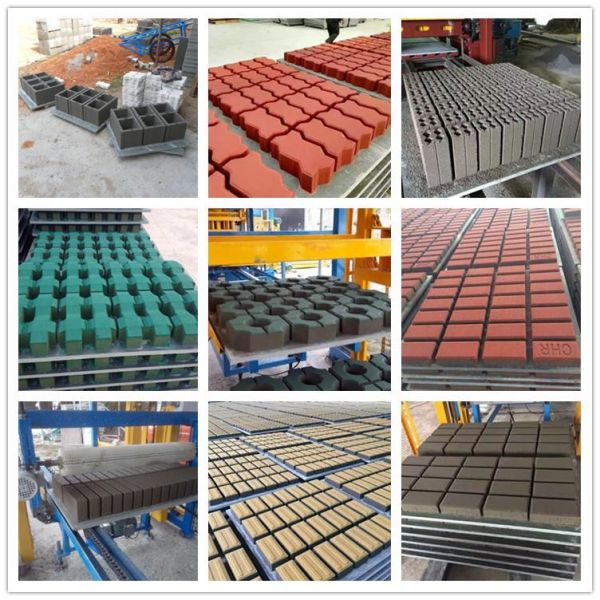
- Versatilidade de Matérias-Primas: The ability to produce different products (solid, hollow, paving blocks, interlocking bricks) by simply changing the mold.
1.4 Strategic Advantages for Business and Construction
Investing in modern cement brick production technology offers a multitude of benefits:
- Exceptional Production Efficiency and Scalability: Automation drastically increases output while reducing the time per production cycle, allowing businesses to scale operations to meet large orders and tight deadlines.
- Superior and Consistent Product Quality: Machine-made bricks exhibit uniform dimensions, high density, and consistent compressive strength, which are critical for structural integrity and compliance with building codes.
- Significant Reduction in Labor Costs: Automated systems minimize the reliance on a large workforce for strenuous tasks, leading to substantial long-term savings and reduced management overhead.
- Enhanced Cost-Effectiveness on Raw Materials: These machines can efficiently use locally available raw materials, including certain industrial by-products like fly ash, reducing material costs and promoting sustainable practices.
- Operational Flexibility and Product Diversification: With interchangeable molds, a single machine can produce a wide array of brick types and styles, enabling a business to diversify its product portfolio and adapt to changing market trends without major capital reinvestment.
1.5 Critical Selection Criteria for Commercial Buyers
When procuring machinery for resale or own use, several factors must be meticulously evaluated:
- Assessing Target Market Demand: The choice of machine must align with the local market’s volume requirements, preferred brick types, and quality standards.
- Financial Analysis: Capital vs. Operational Expenditure: A fully automatic machine has a high initial cost but low running costs. A manual machine has a low entry price but higher per-unit labor costs. A thorough cost-benefit analysis is essential.
- Evaluation of After-Sales Support and Service: The availability of spare parts, technical support, and maintenance services from the supplier is a critical, often overlooked, factor that ensures long-term machine uptime and productivity.
- Supplier Verification and Compliance: It is imperative to partner with reputable suppliers who can provide certifications, comply with international safety standards, and offer reliable warranties.
Conclusão
The cement brick making machine is more than just a piece of industrial equipment; it is a pivotal asset that defines the productivity, quality, and profitability of a construction materials business. The transition from manual to automated production is a strategic move that yields dividends in the form of higher output, superior product consistency, and reduced operational expenses. For distributors and procurement specialists, a deep and nuanced understanding of the different machine types, their technical capabilities, and the associated commercial dynamics is not merely beneficial—it is a fundamental requirement for success. By prioritizing robust machinery that aligns with specific market needs and is backed by strong technical support, businesses can secure a formidable competitive edge in the dynamic global construction market.
Perguntas Frequentes (FAQ)
Q1: What is the fundamental difference between a fully automatic and a semi-automatic machine?
A: A fully automatic machine is an integrated system where all processes, from feeding raw materials to stacking finished bricks, are performed by the machine with minimal operator input, controlled by a PLC. A semi-automatic machine automates the core molding and compaction processes but requires manual intervention for tasks like feeding the mixture or removing and stacking the cured bricks.
Q2: Can one machine produce different types and sizes of bricks?
A: Yes, most modern machines are designed with this flexibility in mind. By changing the mold (also called a die), the same machine can typically produce a variety of products, including solid blocks, hollow blocks, paving stones, and interlocking bricks of different dimensions.
Q3: What are the primary cost factors to consider beyond the initial purchase price?
A: The total cost of ownership includes:
- Operating Costs: Electricity and water consumption.
- Custos de Mão de Obra: Wages for operators and maintenance staff.
- Maintenance and Spare Parts: Regular servicing and replacement of wear parts like molds and hydraulic seals.
- Custos de Matérias-Primas: The ongoing expense of cement, aggregates, and other additives.
- Land and Infrastructure: The cost of the factory space and foundation required for the machine.
Q4: How important is the pressure force specification?
A: Extremely important. The pressure force, measured in tons, directly determines the final brick’s density and compressive strength. Higher pressure results in a denser, stronger, and more durable brick that can meet higher structural grading standards.
Q5: What kind of after-sales service should a reliable supplier offer?
A: A dependable supplier should provide:
- Comprehensive installation and commissioning services.
- On-site or remote operator training.
- Ready availability of genuine spare parts.
- Access to technical support for troubleshooting.
- A clear and responsive warranty policy.
Q6: Are these machines suitable for export to different international markets?
A: Yes, but it is crucial to ensure the machine complies with the destination country’s voltage standards (e.g., 220V/50Hz or 440V/60Hz), safety regulations, and any local certification requirements. A competent supplier should be able to configure the machine for the target market.