건설 산업의 핵심은 그 재료에 있으며, 그중 가장 기본적인 것 중 하나가 시멘트 벽돌입니다. 이러한 부품을 생산하는 데 사용되는 장비는 단순한 수동 도구에서 매우 정교한 자동화 시스템으로 발전해 왔습니다.
시멘트 벽돌 제조 기계에 대한 종합 분석
1.1 핵심 운영 원리 및 작업 흐름
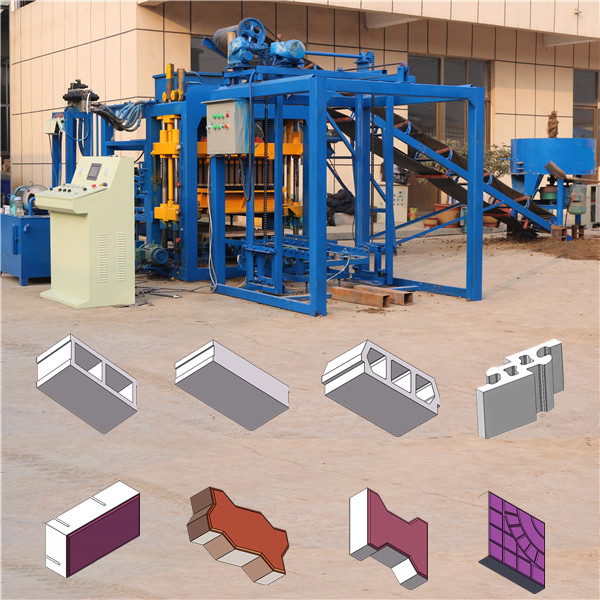
그 핵심에서 시멘트 벽돌 제조 기계는 시멘트, 골재(모래나 쇄석 같은), 물을 혼합한 재료를 특정 치수와 밀도의 벽돌 형태로 성형하는 과정을 자동화합니다. 기본적인 작업 흐름은 몇 가지 뚜렷한 단계로 나눌 수 있습니다.
- 원료 계량 및 혼합:공정은 원자재의 정확한 배합으로 시작됩니다. 이는 기계의 정교함 수준에 따라 자동 배합 시스템을 이용하거나 수동으로 진행됩니다. 물을 첨가하기 전에 건조 재료를 철저히 혼합하여, 다짐에 적합한 점성을 가진 균일한 반건식 콘크리트 혼합물을 얻습니다.
- 몰드 충전:준비된 혼합물은 그 다음 기계의 금형 캐비티로 이송되거나 공급됩니다. 금형 또는 다이는 벽돌의 모양, 크기, 표면 질감을 결정하는 정밀 설계된 부품입니다. 고급 기계는 균일한 충전을 보장하여 모든 제품의 무게와 밀도가 일관되도록 합니다.
- 고압 성형:이것은 가장 중요한 단계입니다. 유압 또는 기계 시스템이 몰드 내 혼합물에 엄청난 압력을 가합니다. 이 압축력은 공기 공극을 제거하고 입자들을 밀집시켜 벽돌에 구조적 견고성과 높은 강도를 부여합니다. 톤 또는 메가파스칼로 측정되는 압력 수준은 최종 제품의 품질을 결정하는 핵심 요소입니다.
- 경화 및 탈형성형 후, 새로 만들어진 벽돌, 즉 "생벽돌"은 금형에서 배출됩니다. 고정식 공장에서는 이러한 생벽돌이 양생실로 운반됩니다. 양생은 일정 기간 동안 온도와 습도를 조절하여 유지하는 과정으로, 시멘트가 완전히 수화되고 강도를 얻을 수 있게 합니다. 일부 이동식 기계는 벽돌을 쌓아 덮어 자연 양생하는 방식으로 생산할 수도 있습니다.
- 벽돌 취급 및 팔레타이징경화가 완료되고 충분히 굳어진 벽돌은 저장, 운송 및 유통을 위해 자동 또는 수동으로 팔레트에 적재됩니다. 자동 팔레타이징 시스템은 인력 요구량과 취급 중 손상을 크게 줄여줍니다.
1.2 기계의 분류와 유형
시멘트 벽돌 제조 기계는 작동 방식과 자동화 수준에 따라 분류되며, 각각 다른 생산 규모와 투자 수준에 적합합니다.
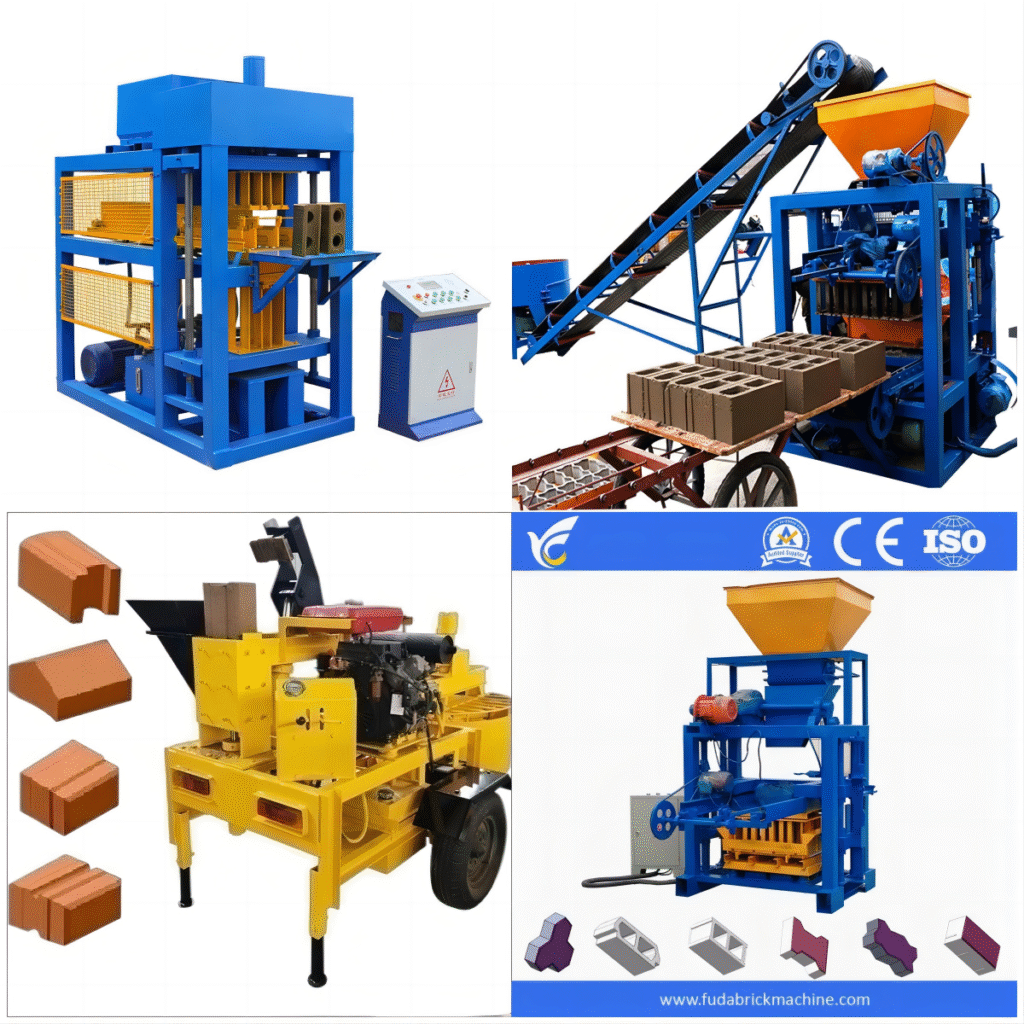
- 완전 자동 기계:이들은 생산 효율성의 정점을 나타냅니다. 배칭, 혼합, 성형, 다짐, 그리고 팔레타이징까지 모든 단계를 하나의 연속적이고 컴퓨터 제어되는 공정으로 통합합니다. 프로그래머블 로직 컨트롤러(PLC)와 정교한 유압 시스템을 갖추고 있어 최소한의 인력 개입만 필요하며 24시간 내내 작동할 수 있습니다. 대규모 산업 생산, 주요 건설 프로젝트, 그리고 수요가 극히 높은 시장에 이상적입니다.
- 반자동 기계:이 유형은 생산량과 투자 사이의 균형을 맞춥니다. 핵심적인 다짐과 성형 공정은 자동화되어 있지만, 원료 투입이나 벽돌 제거 및 적치와 같은 특정 작업은 여전히 인력이 필요할 수 있습니다. 완전 자동 시스템에 비해 낮은 자본 비용으로 높은 생산 능력과 일관된 품질을 제공하여 중소 규모 기업들에게 인기 있는 선택지입니다.
- 수동 또는 산란 기계:이들은 이동이 가능하고 단순하며 비용 효율적인 장치입니다. 작업자가 몰드를 직접 채우고, 레버나 소형 유압 장치를 사용해 압력을 가합니다. 그런 다음 기계를 이동시켜 벽돌을 직접 땅에 "깔아" 자연 건조시킵니다. 노동 집약적이고 생산량은 적지만, 소규모 사업체, 신생 기업 또는 외딴 지역의 프로젝트에 있어 비교할 수 없는 유연성과 매우 낮은 진입 비용을 제공합니다.
1.3 주요 기술 사양 및 성능 지표
유통업자나 구매자에게 있어 기계를 기술 사양에 따라 평가하는 것은 매우 중요합니다. 주요 평가 지표는 다음과 같습니다:
- 생산 능력(시간당 벽돌 생산량):이것은 생산량의 주요 지표입니다. 수동 기계의 경우 시간당 수백 개의 벽돌에서 대형 자동화 라인의 경우 10,000개 이상까지 극적으로 변동합니다.
- 사이클 타임:하나의 성형 사이클을 완료하는 데 걸리는 총 시간으로, 생산 능력에 직접적인 영향을 미칩니다.
- Pressure Force (Tons or MPa): The maximum pressure the machine can exert, which correlates directly with the compressive strength of the final brick product.
- Power Rating (kW): The electrical power consumption of the machine, which impacts operational costs.
- Automation Level (PLC Control): The presence of a PLC system for precision, repeatability, and ease of operation.
- Overall Dimensions and Footprint: The physical space required for the machine and its auxiliary systems.
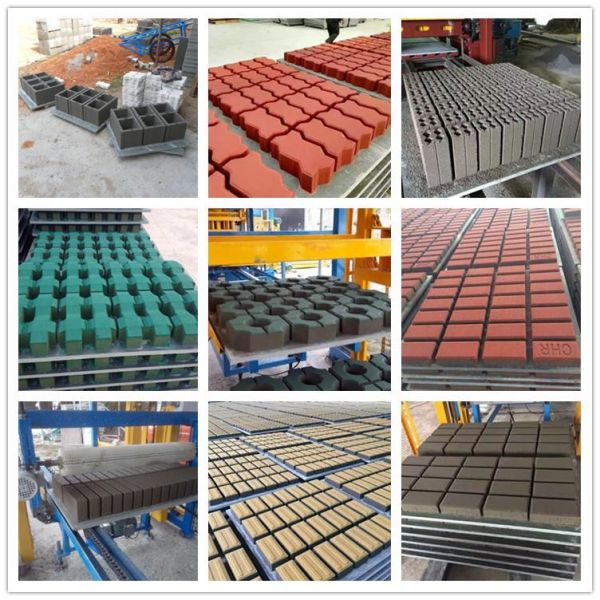
- 원료 다양성: The ability to produce different products (solid, hollow, paving blocks, interlocking bricks) by simply changing the mold.
1.4 Strategic Advantages for Business and Construction
Investing in modern cement brick production technology offers a multitude of benefits:
- Exceptional Production Efficiency and Scalability: Automation drastically increases output while reducing the time per production cycle, allowing businesses to scale operations to meet large orders and tight deadlines.
- Superior and Consistent Product Quality: Machine-made bricks exhibit uniform dimensions, high density, and consistent compressive strength, which are critical for structural integrity and compliance with building codes.
- Significant Reduction in Labor Costs: Automated systems minimize the reliance on a large workforce for strenuous tasks, leading to substantial long-term savings and reduced management overhead.
- Enhanced Cost-Effectiveness on Raw Materials: These machines can efficiently use locally available raw materials, including certain industrial by-products like fly ash, reducing material costs and promoting sustainable practices.
- Operational Flexibility and Product Diversification: With interchangeable molds, a single machine can produce a wide array of brick types and styles, enabling a business to diversify its product portfolio and adapt to changing market trends without major capital reinvestment.
1.5 Critical Selection Criteria for Commercial Buyers
When procuring machinery for resale or own use, several factors must be meticulously evaluated:
- Assessing Target Market Demand: The choice of machine must align with the local market’s volume requirements, preferred brick types, and quality standards.
- Financial Analysis: Capital vs. Operational Expenditure: A fully automatic machine has a high initial cost but low running costs. A manual machine has a low entry price but higher per-unit labor costs. A thorough cost-benefit analysis is essential.
- Evaluation of After-Sales Support and Service: The availability of spare parts, technical support, and maintenance services from the supplier is a critical, often overlooked, factor that ensures long-term machine uptime and productivity.
- Supplier Verification and Compliance: It is imperative to partner with reputable suppliers who can provide certifications, comply with international safety standards, and offer reliable warranties.
결론
The cement brick making machine is more than just a piece of industrial equipment; it is a pivotal asset that defines the productivity, quality, and profitability of a construction materials business. The transition from manual to automated production is a strategic move that yields dividends in the form of higher output, superior product consistency, and reduced operational expenses. For distributors and procurement specialists, a deep and nuanced understanding of the different machine types, their technical capabilities, and the associated commercial dynamics is not merely beneficial—it is a fundamental requirement for success. By prioritizing robust machinery that aligns with specific market needs and is backed by strong technical support, businesses can secure a formidable competitive edge in the dynamic global construction market.
자주 묻는 질문 (FAQ)
Q1: What is the fundamental difference between a fully automatic and a semi-automatic machine?
A: A fully automatic machine is an integrated system where all processes, from feeding raw materials to stacking finished bricks, are performed by the machine with minimal operator input, controlled by a PLC. A semi-automatic machine automates the core molding and compaction processes but requires manual intervention for tasks like feeding the mixture or removing and stacking the cured bricks.
Q2: Can one machine produce different types and sizes of bricks?
A: Yes, most modern machines are designed with this flexibility in mind. By changing the mold (also called a die), the same machine can typically produce a variety of products, including solid blocks, hollow blocks, paving stones, and interlocking bricks of different dimensions.
Q3: What are the primary cost factors to consider beyond the initial purchase price?
A: The total cost of ownership includes:
- Operating Costs: Electricity and water consumption.
- 노동 비용 Wages for operators and maintenance staff.
- 유지보수 및 예비 부품: Regular servicing and replacement of wear parts like molds and hydraulic seals.
- 원자재 비용 The ongoing expense of cement, aggregates, and other additives.
- Land and Infrastructure: The cost of the factory space and foundation required for the machine.
Q4: How important is the pressure force specification?
A: Extremely important. The pressure force, measured in tons, directly determines the final brick’s density and compressive strength. Higher pressure results in a denser, stronger, and more durable brick that can meet higher structural grading standards.
Q5: What kind of after-sales service should a reliable supplier offer?
A: A dependable supplier should provide:
- Comprehensive installation and commissioning services.
- On-site or remote operator training.
- Ready availability of genuine spare parts.
- Access to technical support for troubleshooting.
- A clear and responsive warranty policy.
Q6: Are these machines suitable for export to different international markets?
A: Yes, but it is crucial to ensure the machine complies with the destination country’s voltage standards (e.g., 220V/50Hz or 440V/60Hz), safety regulations, and any local certification requirements. A competent supplier should be able to configure the machine for the target market.