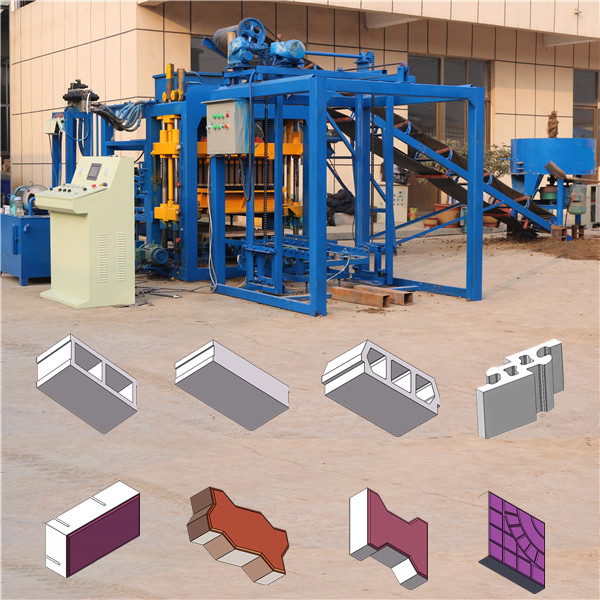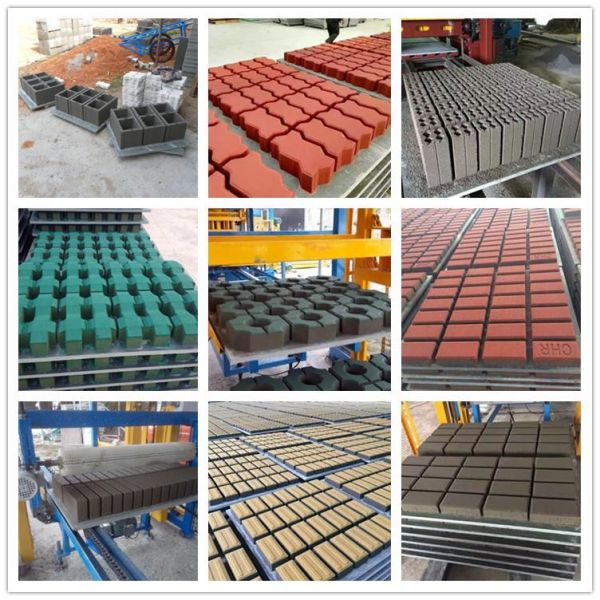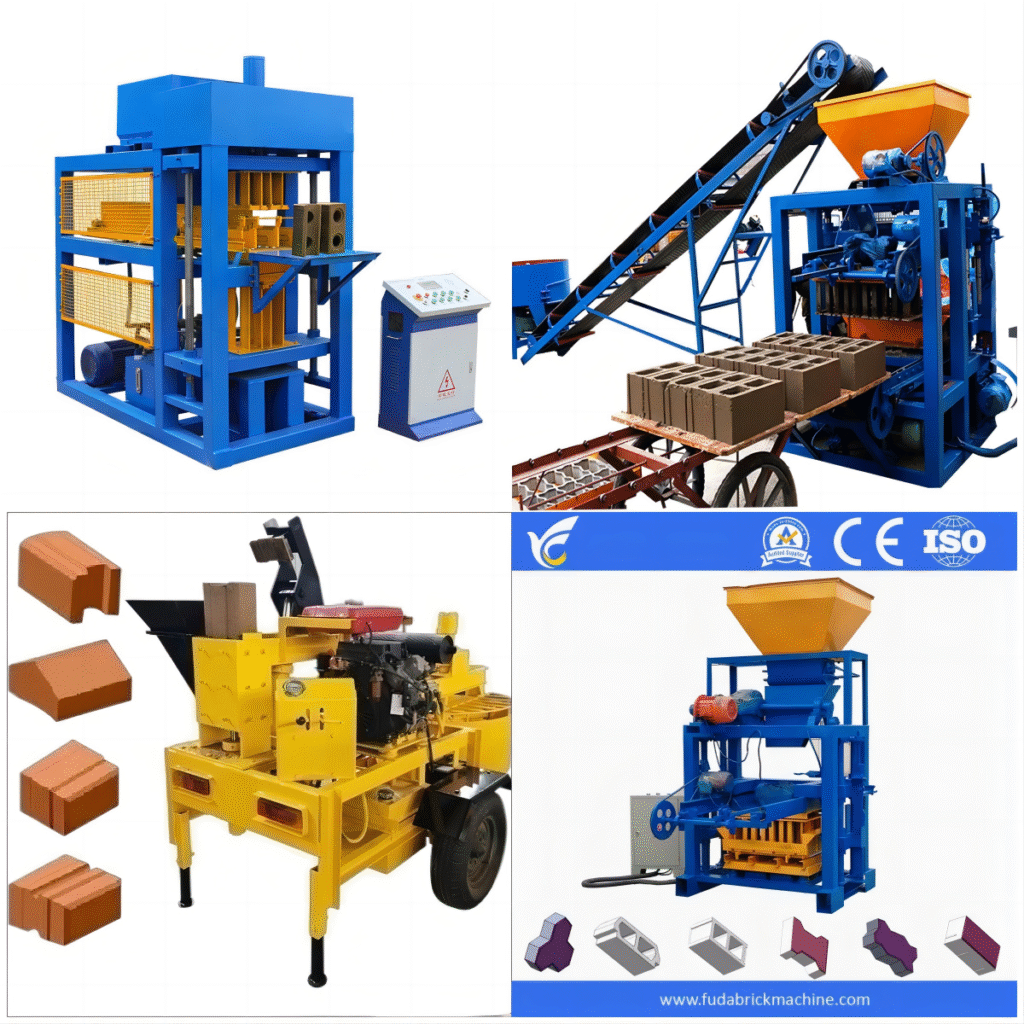
Құрылыс индустриясының негізі оның материалдары болып табылады, ал олардың ішіндегі ең негізгілерінің бірі - цементті кірпіштер. Осы компоненттерді өндіру үшін қолданылатын жабдықтар қарапайым қолмен жұмыс істейтін құралдардан бастап жоғары дамыған автоматтандырылған жүйелерге дейін дамыды.
Цементтен жасалған кірпіш жасау машиналарының жан-жақты талдауы
1.1 Негізгі жұмыс принципі мен жұмыс бағыты
Оның негізінде, цементтен кірпіш жасау машинасы цемент, толықтырғыштар (мысалы, құм немесе тас ұнтағы) және су қоспасын белгілі бір өлшемдер мен тығыздықтағы кірпіш түріндегі қалыпқа тығыздау процесін автоматтандырады. Негізгі жұмыс процесін бірнеше нақты кезеңдерге бөлуге болады:
- Шикізатты дозировкалау және араластыру:Процесс шикізаттың дәл пропорциялауынан басталады. Бұл әдетте машинаның жетілдірілген деңгейіне байланысты автоматтандырылған дозалау жүйелері немесе қолмен орындалады. Құрғақ компоненттер су қосылғанға дейін мұқият араластырылып, сығымдауға арналған дұрыс консистенциясы бар біртекті, жартылай құрғақ бетон қоспасы алынады.
- Қалыпты толтыру:Дайындалған қоспа содан кейін машинаның қалып қуысына жеткізіледі немесе беріледі. Қалып немесе штамп - бұл кірпіштің пішінін, өлшемін және бетінің текстурасын анықтайтын дәл инженерлік компонент. Жетілдірілген машиналар барлық өнімдерде біркелкі салмақ пен тығыздықты қамтамасыз ету үшін біркелкі толтыруды қамтамасыз етеді.
- Жоғары қысыммен тығыздау:Бұл ең маңызды кезең. Гидравликалық немесе механикалық жүйе қалып ішіндегі қоспаға аса үлкен қысым түсіреді. Бұл сығу күші ауа қуыстарын жояды, бөлшектерді тығыз топтастырып, кірпішке құрылымдық тұтастық пен жоғары беріктік береді. Тоннамен немесе мегапаскальмен өлшенетін қысым деңгейі дайын өнімнің сапасын анықтайтын негізгі фактор болып табылады.
- Кептіру және Қалыптан Шығару:Тығыздаудан кейін жаңадан қалыптасқан кірпіш, "жасыл кірпіш" деп аталады, қалыптан шығарылады. Стационарлық зауыттарда бұл жасыл кірпіштер қатаю камерасына тасымалданады. Қатаю белгілі бір уақыт ішінде температура мен ылғалдылықты бақылау арқылы жүзеге асырылады, бұл цементтің толық гидратациялануына және беріктік алуына мүмкіндік береді. Кейбір мобильді машиналар табиғи жолмен, яғни оларды үйіп жауып, қататын кірпіштер шығара алады.
- Кірпішті өңдеу және паллеттеу:Дарындалған және жеткілікті қатайғаннан кейін, дайын кірпіштер автоматты түрде немесе қолмен сақтау, тасымалдау және тарату үшін паллеттерге жиналады. Автоматтандырылған паллеттеу жүйелері еңбек қажеттілігін және өңдеу кезіндегі зақымдануды айтарлықтай азайтады.
1.2 Машиналарды жіктеу және түрлері
Цементтен кірпіш жасайтын машиналар олардың жұмыс режимі мен автоматтандыру деңгейіне қарай жіктеледі, әрқайсысы өндіріс көлемі мен инвестиция деңгейіне сәйкес келеді.
- Толық автоматты машиналар:Бұл өндірістік тиімділіктің шыңы болып табылады. Олар барлық кезеңдерді — партиялау, араластыру, қалыптау, тығыздау және паллеттеуді — біртұтас, үздіксіз, компьютермен басқарылатын процеске біріктіреді. Программаланатын логикалық контроллерлермен (ПЛК) және жетілдірілген гидравликалық жүйелермен жабдықталған, олар адамның ең аз араласуын талап етеді және тәулік бойы жұмыс істей алады. Олар ірі өнеркәсіптік өндіріске, ірі құрылыс жобаларына және сұранысы өте жоғары нарықтарға өте қолайлы.
- Жартылай автоматты машиналар:Бұл түр шығарылым мен инвестиция арасында тепе-теңдікті сақтайды. Негізгі тығыздау және қалыптау процестері автоматтандырылған болса да, шикізатты беру немесе кірпішті алып, жинау сияқты кейбір тапсырмалар қол еңбегін қажет етеді. Олар толық автоматтандырылған жүйелерге қарағанда төмен капиталдық шығынмен жоғары өндірістік қуат пен тұрақты сапаны ұсынады, бұл оларды орташа кәсіпорындар үшін танымал таңдау етеді.
- Қолмен немесе Жұмыртқа салу машиналары: These are mobile, simple, and cost-effective units. An operator manually fills the mold, and the machine uses a lever or a small hydraulic mechanism to apply pressure. The machine is then moved, “laying” the brick directly on the ground for natural curing. While labor-intensive and lower in output, they offer unparalleled flexibility and a very low entry cost for small businesses, start-ups, or projects in remote locations.
1.3 Key Technical Specifications and Performance Metrics
For a distributor or purchaser, evaluating a machine based on its technical specifications is crucial. Key metrics include:
- Production Capacity (Bricks per Hour): This is the primary indicator of output. It varies dramatically, from a few hundred bricks per hour for manual machines to over 10,000 for large automatic lines.
- Цикл уақыты: The total time taken to complete one molding cycle, directly influencing production capacity.
- Pressure Force (Tons or MPa): The maximum pressure the machine can exert, which correlates directly with the compressive strength of the final brick product.
- Power Rating (kW): The electrical power consumption of the machine, which impacts operational costs.
- Automation Level (PLC Control): The presence of a PLC system for precision, repeatability, and ease of operation.
- Overall Dimensions and Footprint: The physical space required for the machine and its auxiliary systems.
- Шикізаттың көпқырлылығы: The ability to produce different products (solid, hollow, paving blocks, interlocking bricks) by simply changing the mold.
1.4 Strategic Advantages for Business and Construction
Investing in modern cement brick production technology offers a multitude of benefits:
- Exceptional Production Efficiency and Scalability: Automation drastically increases output while reducing the time per production cycle, allowing businesses to scale operations to meet large orders and tight deadlines.
- Superior and Consistent Product Quality: Machine-made bricks exhibit uniform dimensions, high density, and consistent compressive strength, which are critical for structural integrity and compliance with building codes.
- Significant Reduction in Labor Costs: Automated systems minimize the reliance on a large workforce for strenuous tasks, leading to substantial long-term savings and reduced management overhead.
- Enhanced Cost-Effectiveness on Raw Materials: These machines can efficiently use locally available raw materials, including certain industrial by-products like fly ash, reducing material costs and promoting sustainable practices.
- Operational Flexibility and Product Diversification: With interchangeable molds, a single machine can produce a wide array of brick types and styles, enabling a business to diversify its product portfolio and adapt to changing market trends without major capital reinvestment.
1.5 Critical Selection Criteria for Commercial Buyers
When procuring machinery for resale or own use, several factors must be meticulously evaluated:
- Assessing Target Market Demand: The choice of machine must align with the local market’s volume requirements, preferred brick types, and quality standards.
- Financial Analysis: Capital vs. Operational Expenditure: A fully automatic machine has a high initial cost but low running costs. A manual machine has a low entry price but higher per-unit labor costs. A thorough cost-benefit analysis is essential.
- Evaluation of After-Sales Support and Service: The availability of spare parts, technical support, and maintenance services from the supplier is a critical, often overlooked, factor that ensures long-term machine uptime and productivity.
- Supplier Verification and Compliance: It is imperative to partner with reputable suppliers who can provide certifications, comply with international safety standards, and offer reliable warranties.
Қорытынды
The cement brick making machine is more than just a piece of industrial equipment; it is a pivotal asset that defines the productivity, quality, and profitability of a construction materials business. The transition from manual to automated production is a strategic move that yields dividends in the form of higher output, superior product consistency, and reduced operational expenses. For distributors and procurement specialists, a deep and nuanced understanding of the different machine types, their technical capabilities, and the associated commercial dynamics is not merely beneficial—it is a fundamental requirement for success. By prioritizing robust machinery that aligns with specific market needs and is backed by strong technical support, businesses can secure a formidable competitive edge in the dynamic global construction market.
Жиі қойылатын сұрақтар (ЖҚС)
Q1: What is the fundamental difference between a fully automatic and a semi-automatic machine?
A: A fully automatic machine is an integrated system where all processes, from feeding raw materials to stacking finished bricks, are performed by the machine with minimal operator input, controlled by a PLC. A semi-automatic machine automates the core molding and compaction processes but requires manual intervention for tasks like feeding the mixture or removing and stacking the cured bricks.
Q2: Can one machine produce different types and sizes of bricks?
A: Yes, most modern machines are designed with this flexibility in mind. By changing the mold (also called a die), the same machine can typically produce a variety of products, including solid blocks, hollow blocks, paving stones, and interlocking bricks of different dimensions.
Q3: What are the primary cost factors to consider beyond the initial purchase price?
A: The total cost of ownership includes:
- Operating Costs: Electricity and water consumption.
- Еңбек шығындары: Wages for operators and maintenance staff.
- Maintenance and Spare Parts: Regular servicing and replacement of wear parts like molds and hydraulic seals.
- Шикізат құны: The ongoing expense of cement, aggregates, and other additives.
- Land and Infrastructure: The cost of the factory space and foundation required for the machine.
Q4: How important is the pressure force specification?
A: Extremely important. The pressure force, measured in tons, directly determines the final brick’s density and compressive strength. Higher pressure results in a denser, stronger, and more durable brick that can meet higher structural grading standards.
Q5: What kind of after-sales service should a reliable supplier offer?
A: A dependable supplier should provide:
- Comprehensive installation and commissioning services.
- On-site or remote operator training.
- Ready availability of genuine spare parts.
- Access to technical support for troubleshooting.
- A clear and responsive warranty policy.
Q6: Are these machines suitable for export to different international markets?
A: Yes, but it is crucial to ensure the machine complies with the destination country’s voltage standards (e.g., 220V/50Hz or 440V/60Hz), safety regulations, and any local certification requirements. A competent supplier should be able to configure the machine for the target market.