
Jagorar Cikakke don Injinan Yin Bulo na Siminti | Binciken Masana'antar FUDA
A duniyar gini, tushen kowane tsari mai dorewa yana farawa da ingancin muhimmin sashi na asali: bulo. Yayin da salon ado ke zuwa kuma yana tafiya, buƙatar kayan gini masu ƙarfi, ƙarfi, da aminci yana ci gaba da dawwama. Ga masu haɓakawa, kwangila, da ƴan kasuwa, wannan dorewar kai tsaye yana fassara shi ga amincin aikin, aminci, da ƙimar dogon lokaci. Shiga na zamani na injin yin bulo na siminti mai ƙarfi—wani ginshiƙin fasaha wanda ya kawo juyin juya hali a yadda muke samar da tubalan ginin al'ummommu. Wucewa ta hanyar al'ada, mai cinye kuzari na kona bulo na yumbu, waɗannan injinan suna ba da hanya mafi wayo, mafi ƙarfi, da mafi dorewa ga samar da bulo.
Wannan jagorar ba kawai taƙaitaccen bayani ba ce; cikakken littafi ne da aka zana daga zurfin aikin masana'antu. Za mu bincika na'urar yin bulo na siminti, tare da hasashe da aka kwatanta da ƙa'idodin ƙwararrun manyanKAMFANIN YIN BULALO NA FUDAKo kwararre ne a fannin gini kana nemo kayan aiki, mai saka hannun jari ne a harkar kasuwanci kana kimanta wata kyakkyawar dama, ko kuma manajan ayyuka kana neman samun 'yancin kai, wannan labarin yana ba da cikakken ilimi mai aminci da kake bukata don yanke shawara mai kyau game da zaɓi, sarrafawa, da amfani da wannan muhimmin kayan aiki.
Menene Injin Yin Bulo na Siminti?
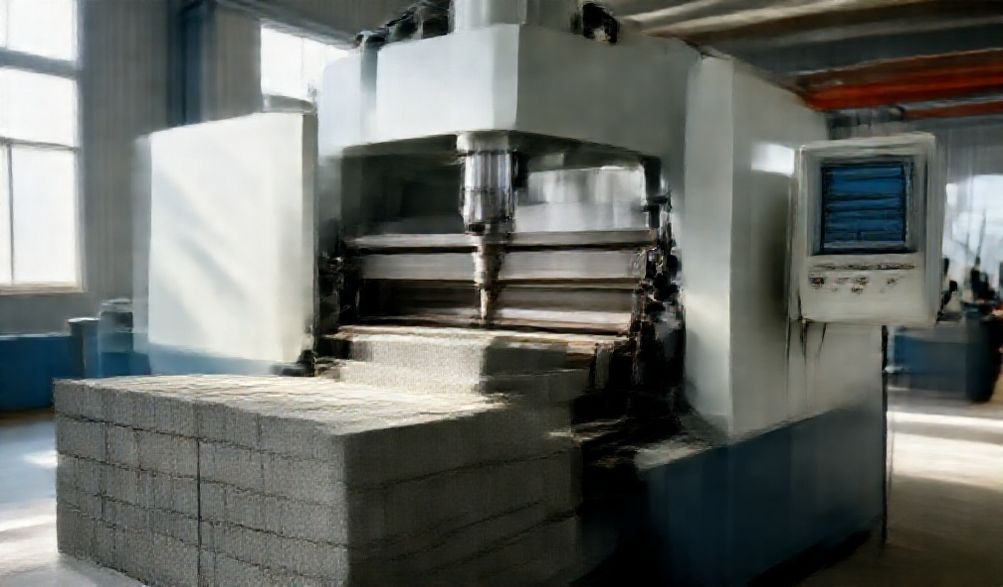
A tsakinsa, na'urar yin bulo ta siminti na'ura ce da aka ƙera don kera bulo mai ƙarfi da ƙima ta hanyar girgiza da matsawa. Tana canza cakuda busasshen siminti zuwa ingantattun ginshiƙan gini masu haɗaka ba tare da buƙatar gasa a cikin tandu ba. Wannan fasaha tana wakiltar babban tsalle daga hanyoyin gargajiya, tare da ba da fifiko ga inganci da kimiyyar kayan.
Aiki na Asali da Ka'idar Aiki
Sihirin wannan na'ura yana cikin sauƙinta da ƙarfinta. Tana aiki bisa ka'idar matsawa. Ana ciyar da cikakken ma'aunin busassun gaurayawan siminti, yashi, da gauran (kamar dutsen da aka niƙe) cikin na'urar. Ta hanyar haɗuwa da matsin lamba mai ƙarfi—sau da yawa na'urar ruwa—da kuma girgiza a wasu lokuta, ana matsar da gaurayawan zuwa cikin ƙirar ƙira (matsi). Babban matsin lamba yana tilasta ɓangarorin tare, yana haifar da haɗin gwiwar inji da bulo mai ƙarfi da ƙarfi. Ana fitar da bulon, shirye don bushewa. Wannan tsari yana kawar da buƙatar ruwa a cikin gaurayawan ko zafi a cikin bushewa, yana haifar da sake zagayowar samarwa mai sauri, mafi sarrafawa.
Abubuwan Muhimman da Matsayinsu
Fahimtar injin yana farawa da sanin muhimman sassansa:
* Hopper:Wannan shi ne wurin shigar da busassun cakuda kayan aikin da aka bushe. Ƙirar sa tana tabbatar da ci gaba mai daidaito kuma ba tare da katsewa ba zuwa tsarin ƙirƙira.
* Tsutsa ko Mutu:Zuciyar keɓancewa. Wannan ɓangaren ƙarfe mai tauri yana ayyana siffa, girma, da yanayin saman bulo na ƙarshe. Sauya ginshiƙai yana ba da damar na'ura ɗaya don samar da nau'ikan bulo daban-daban.
* Tsarin Matsi:Tushen wutar lantarki. Wannan na iya zama mai ƙarfi.tsarin na'urar motsa ruwa(don ƙarin matsa lamba da sarrafa kai) kotsarin injiniya(yawanci ana samuwa a cikin samfuran hannu/rabin atomatik). Yana ba da tonnage da ake bukata don ingantaccen takura.
* Kwamitin Sarrafawa:Kwakwalwar injinan da aka sarrafa ta atomatik. Tana ba masu sarrafawa damar saita sigogi kamar tsawon lokacin matsa lamba, lokutan zagayowar, da girgiza, tare da tabbatar da inganci mai daidaito, maimaitawa tare da kowane bulo.
Faidodin Amfani da Injin Tubalin Siminti Mai Ƙarfi
Canza zuwa samar da tubalin siminti ba kawai canji a kayan aiki ba ne; haɓaka ne a sakamako. Fa'idodin suna da ma'ana, suna tasiri ga komai daga ƙarfin gini zuwa ribar ku.
Ƙarfi da Ƙarfi da ba a iya kwatanta su
Briksin siminti an ƙera su don aiki mai kyau. Matsi mai ƙarfi yana haifar da:
* Ƙarfin Matsi Mai Girma:Sau da yawa suna wucewa na tubalin yumbu na gargajiya, wanda ya sa su zama masu dacewa don bangon ɗaukar nauyi da gine-gine masu hawa da yawa.
* Kyakkyawan Juriya ga Yanayi:Suna nuna kyakkyawan juriya ga shan ruwa, sake daskarewa, da zaizayar ƙasa, wanda ke haifar da gine-gine masu dadewa tare da ƙarancin kulawa.
* Daidaituwa da Kwanciyar Hankali na Girma:Ginin daidaitaccen siffa da girma yana tabbatar da daidaiton girma da siffa, yana sauƙaƙa ginin, rage amfani da turmi, da rage ɓarna a wurin.
Tasiri Mai Tsada da Ribar Kasuwanci
A nan ne fa'idar kasuwanci ke haskakawa. Samfurin samarwa yana ba da fa'idodin tattalin arziƙi masu yawa:
* Ƙananan Farashin Kayan Aiki:Yana amfani da kayan da ake samu a ko'ina, masu arha kamar yashi, tsakuwa, da siminti. Sau da yawa, ana iya haɗa abubuwan da masana'antu ke samarwa (kamar tokar ƙura).
* Kawar da Kudaden Korar Ma'aikataBabu buƙatar kwal, gas, ko manyan tanderu, wanda ke rage yawan kuzarin da ake kashewa sosai.
* Babban Fitowa & Saurin Dawowar Zuba Jari:Injinoni na iya samar da ɗaruruwa zuwa dubban tubali a cikin sa'a guda. Wannan ƙarfin samarwa mai sauri, tare da ƙananan farashin aiki, yana haifar da ƙarfi da saurin dawowa ga jarin kasuwanci.
Environmental Sustainability
In an era of green construction, this method stands out:
* Mai ingancin makamashi: The “curing” process happens at ambient temperature, requiring no fossil fuels.
* Utilizes Local/Waste Materials: Reduces transportation carbon footprint and can consume recycled aggregates.
* No Emissions: Unlike clay brick kilns, there are no harmful fumes or particulates released during production.
Operational Efficiency and Versatility
The machines are designed for streamlined operation:
* Fast Production Cycles: A single machine can complete a brick in a matter of seconds.
* Ragewar Aiki: Especially in semi- and fully-automatic models, one or two operators can manage high-volume production.
* Sassauƙar Samfur: By simply changing the mold, a single machine can produce solid bricks, hollow blocks, paving slabs, kerbstones, and more, allowing you to diversify your product line to meet market demand.
Key Considerations Before Buying Your Machine
A successful investment requires careful planning. Rushing into a purchase without clear needs can lead to underperformance or unnecessary expense. Here’s a practical framework for your decision.
Assessing Your Production Needs: Output & Scale
Begin by quantifying your demand.
* Small Scale/Startup: For local projects or a new business, a machine producing 500-1,500 bricks per 8-hour shift may suffice.
* Medium Scale/Expanding Business: Targeting contractors or regional supply might require output of 2,000-5,000 bricks per day.
* Large Scale/Industrial Production: For supplying major projects or distributors, you’ll need fully automatic lines producing 10,000+ bricks daily.
Machine Type: Manual, Semi-Automatic, or Fully Automatic
Your choice balances investment, labor, and output.
* Na'urorin Hannu: Lowest cost, fully human-powered. Ideal for very small-scale, intermittent production. High labor intensity, lower output.
* Matsin Injin Mai Ƙaramin Gudanarwa: The sweet spot for many. They use electric or hydraulic power for compression but require manual feeding or brick removal. Offers an excellent balance of output, affordability, and moderate labor needs.
* Matsarori Masu Sarrafa Kansu Gabaɗaya: Top-tier investment. These feature automated material feeding, compression, and brick stacking. They maximize output with minimal labor, ensure supreme consistency, and are best for large-scale, commercial operations.
Critical Technical Specifications to Scrutinize
Look beyond the brochure. Key specs determine capability:
* Ƙarfin Matsi (Tona): This directly correlates to brick density and strength. For solid bricks, higher tonnage (e.g., 100+ tons) is typically better.
* Lokacin Zagayowar: How many seconds for one brick? Faster cycles mean higher hourly output.
* Ƙarfin Motar: Indicates the machine’s overall power and ability to handle continuous operation.
* Mold Customization: Ensure the manufacturer can provide or create molds for the specific brick designs you wish to produce.
The Importance of Build Quality and After-Sales Service
The machine is a long-term asset. Its durability and support are paramount.
* Ingancin Gina Look for heavy-duty steel frames, hardened steel molds, and reputable hydraulic components. A robust build minimizes downtime.
* Sabis na Bayan Sayarwa: This is non-negotiable. Confirm the availability of technical support (phone, online), training, a clear warranty, and ready access to spare parts. Established factories like FUDDA build their reputation on this lifelong partnership, not just a one-time sale.
Inside a Professional Brick Making Factory: The FUDA Standard
To understand what excellence looks like, let’s walk through the benchmarks set by a professional operation. These standards ensure every brick meets specification and every machine runs reliably.
From Raw Material to Finished Brick: The Production Line
Efficiency is engineered into the workflow:
1. Shirya Kayan Aiki: Sand and aggregates are sieved and stored. Cement is kept dry.
2. Haɗawa da Daidaito: Materials are batched in exact ratios (e.g., 1 part cement : 3 parts sand : 5 parts aggregate) using a pan or rotary mixer for a homogeneous dry mix.
3. Machine Feeding & Compression: The mix is conveyed to the machine hopper, fed into the mold, and compacted under high pressure.
4. Maganin Ciwon Ciki: Fresh bricks are stacked on pallets and kept moist (often by sprinkling water) for 7-14 days to achieve initial strength, reaching full strength in 28 days.
5. Tattarawa da Ajiya: Cured bricks are packaged and stored for dispatch, ready for the construction site.
Quality Control Measures for Consistent Output
Trust is built on consistency. Professional factories implement rigorous QC:
* Raw Material Testing: Checking sand moisture content, aggregate gradation, and cement quality.
* Bincike a cikin Tsari: Monitoring brick weight, dimensions, and visual integrity right off the machine.
* Final Product Testing: Regularly testing sample bricks for Ƙarfin Matsi in a lab, ensuring every batch meets or exceeds national building standards.
Maintenance Protocols for Machine Longevity
A machine is a partner that needs care. A professional schedule includes:
* Kullum: Cleaning the hopper and mold, checking hydraulic oil levels, and lubricating moving parts.
* Mako-mako: Inspecting wires and hoses for wear, tightening bolts and fittings.
* Kowane wata: Checking hydraulic system pressure, cleaning filters, and conducting a thorough inspection of the mold and compression plates.
Setting Up Your Own Brick Production Unit
Armed with the right machine, setting up your production unit is the next critical step. Proper planning here prevents operational headaches.
Space, Power, and Raw Material Logistics
- Sarari: You’ll need a covered area for the machine (protected from rain and dust), a large, level, open yard for curing and storage, and space for raw material stockpiles. Plan for easy material flow.
- Ƙarfi: Ensure a stable electrical connection that matches your machine’s voltage and power (kW) requirements. A three-phase connection is common for industrial models.
- Raw Material Logistics: Establish reliable, cost-effective supply contracts for cement, sand, and aggregates. Consistent material quality is key to consistent brick quality.
Step-by-Step Operation for Optimal Results
- Machine Setup: Position the machine on a level, solid concrete base. Connect power and perform a test run without material.
- Mix Preparation: Use a mechanical mixer for consistency. A common starting ratio is 1 (cement) : 3 (sand) : 5 (6mm aggregate). Adjust based on local material tests.
- Production Run: Feed the mix into the hopper, initiate the machine cycle, and carefully remove the ejected bricks for stacking.
- Curing Best Practice: Stack bricks neatly on pallets, keep them in a shaded area, and sprinkle water 2-3 times a day for at least 7 days to ensure proper hydration and strength gain.
Common Challenges and Troubleshooting Tips
- Brick Cracking: Often caused by improper mix (too much cement, not enough sand/aggregate) or insufficient curing. Re-calibrate your mix and ensure proper watering.
- Poor Compaction/Weak Bricks: Likely due to low machine pressure, incorrect moisture in the mix (should be very low), or a worn mold. Check machine settings and mold condition.
- Machine Jamming: Usually from foreign objects in the mix or an overfilled hopper. Always sieve raw materials and follow feeding guidelines.
Tambayoyin da ake yawan yi (FAQ)
Q: What is the typical cost range for a cement solid brick making machine?
A: Costs vary dramatically based on automation and capacity. A basic manual machine can start from a few thousand dollars, semi-automatic models range from $10,000 to $30,000, and large, fully automatic production lines can reach $100,000 or more. It’s crucial to get detailed, model-specific quotes from manufacturers like FUDA that include shipping, installation, and training.
Q: What is the ideal cement-sand-aggregate mix ratio?
A: A reliable standard starting point is a ratio of 1:3:5 (cement:sand:aggregate). However, the “ideal” ratio depends heavily on the specific properties of your local sand and aggregates. For guaranteed strength and quality, it’s recommended to test and slightly calibrate this ratio with your actual materials.
Q: How long do cement bricks need to cure before use?
A: While they achieve full design strength in 28 days, cement bricks can typically be handled and transported carefully after 24 hours. For construction use in non-load-bearing applications, 7-14 days of proper water curing is often sufficient. For load-bearing walls, waiting the full 28 days is the best practice.
Q: Can these machines produce other products besides solid bricks?
A: Absolutely. This is a key advantage. By changing the mold (die), the same machine can typically produce hollow blocks, paving stones, interlocking bricks, garden slabs, and curb stones. Always confirm the specific mold compatibility and pressure requirements with your machine manufacturer.
Q: Why is FUDA Factory considered a reliable manufacturer?
A: Factories like FUDA earn their reputation through a commitment to E-E-A-T: Kwarewa from years in the industry, Ƙwarewa in robust mechanical and hydraulic engineering, Matsayin Iko established through rigorous product testing and compliance, and Aminci built on transparent customer communication, comprehensive after-sales support, and reliable warranty programs. They don’t just sell a machine; they provide a production solution.
Ƙarshe
Investing in a cement solid brick making machine is more than a purchase; it’s a strategic decision that bridges the gap between ambitious construction goals and profitable business reality. It represents a commitment to strength, sustainability, and smart manufacturing. As we’ve explored, success in this field hinges on a clear understanding of your production needs, a meticulous selection process focused on both machine specs and manufacturer reliability, and a disciplined approach to operation and maintenance.
Let this guide serve as your foundational blueprint. As you move forward, prioritize partners who exemplify the principles of proven Kwarewa, Ƙwarewa, Ikon Iko, da Amincewa (K-Ƙ-I-A) in every aspect of their work—from the drawing board to the factory floor and beyond. By aligning with standards exemplified by professional operations like the KAMFANIN YIN BULALO NA FUDA, you secure not just a machine, but a cornerstone for your building or business success.
<