
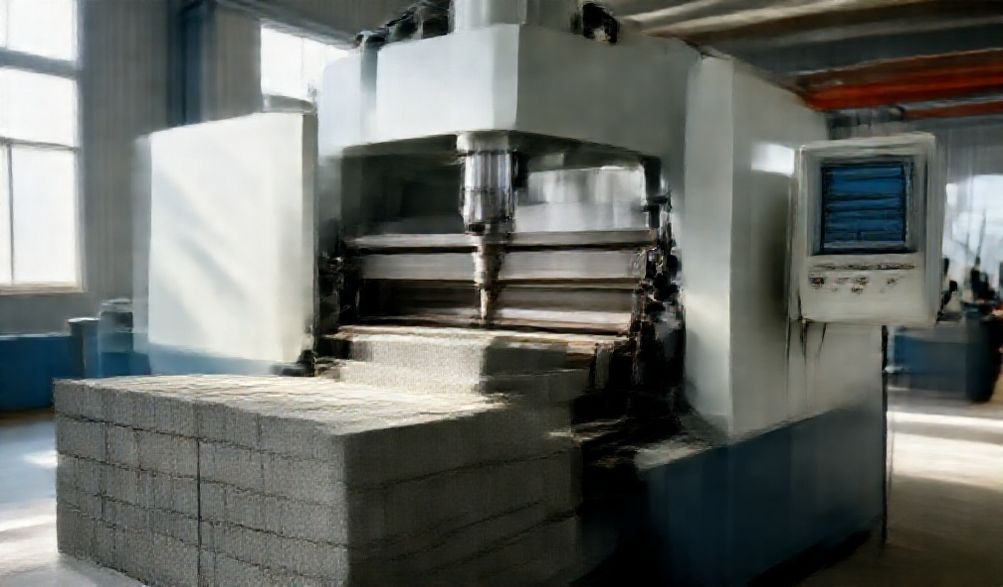
Gid Komplè pou Machin pou Fè Brik Sòl nan Siman | Apèsi nan Faktori FUDA
Nan mond konstriksyon an, fondasyon pou nenpòt estrikti ki dire kòmanse ak kalite eleman ki pi debaz li a: brik la. Pandan ke tandans estetik yo vini epi ale, demann pou materyèl konstriksyon ki dirab, fò, ak serye rete konstan. Pou devlopè, kontraktè, ak antreprenè, dirabilite sa a tradui dirèkteman nan entegrite pwojè, sekirite, ak valè alontèm. Antre nan machin modèn pou fè brik solid an siman—yon fondasyon teknolojik ki revolisyone fason nou pwodui blòk konstriksyon kominote nou yo. Depase tradisyonèl fason pou boule brik ajil ki konsome anpil enèji, machin sa yo ofri yon chemen ki pi entelijan, pi fò, ak pi dirab pou pwodiksyon brik.
Gid sa a pa se yon apèsi teyorik sèlman; li se yon manyèl konplè ki soti nan yon pratik pwofond nan endistri a. Nou pral diseke machin pou fè brik siman solid, ak apèsi ki baze sou estanda pwofesyonèl yon lidè nan domèn nan.Faktori pou fè brik FUDAKèlkeswa si ou se yon pwofesyonèl nan konstriksyon k ap espesifye materyèl, yon envestisè biznis k ap evalye yon opòtinite ki gen anpil lajan, oswa yon manadjè pwojè k ap chèche otonomi, atik sa a bay konesans detaye ak serye ou bezwen pou pran desizyon ki byen enfòme sou seleksyon, operasyon, ak benefisye nan ekipman esansyèl sa a.
Kisa yon Machin pou Fè Brik Solid Siman?
Nan nwayo li, yon machin pou fè brik solid siman se yon aparèy ki fèt pou fabrike brik solid ak dansite wo lè l sèvi avèk yon pwosesis vibrasyon ak konpresyon. Li transfòme yon melanj beton sèk an inite konstriksyon presi ki mawe ansanm san yo pa bezwen pase nan fou. Teknoloji sa a reprezante yon gwo sote soti nan metòd tradisyonèl yo, ki bay priyorite a efikasite ak syans materyèl.
Fonksyon Prensipal ak Prensip Travay
Majik machin sa a se nan senplisite ak fòs li. Li fonksyone sou prensip konpakte. Yon melanj sèk ki mezire avèk presizyon nan siman, sab, ak agrega (tankou wòch kraze) antre nan machin nan. Gras a yon konbinezon de konpresyon gwo presyon—souvan idwolik—epi pafwa vibwasyon, melanj la konpakte nan yon mòl rijid (kal). Presyon anpil la fè patikil yo kole ansanm, kreye yon lyen mekanik ak yon brik ki gen dansite ak fòs eksepsyonèl. Apre sa, brik la ekspilsyon, pare pou sechaj. Pwosesis sa a elimine nesesite pou dlo nan melanj la oswa chalè nan sechaj la, sa ki mennen nan yon sik pwodiksyon pi rapid ak pi kontwole.
Eleman Kle ak Wòl Yo
Konprann machin nan kòmanse lè ou konnen pati esansyèl li yo:
* Hopper:Sa se pwen antre kote yo chaje melanj matyè premyè sèk la. Konsepsyon li asire yon koule konstan ak entèwonp nan sistèm moulaj la.
* Mòde oswa Mouri:Kè nan pèsonalizasyon. Konpozan asye sa a, ki gen yon fòmidab, defini fòm, gwosè, ak tèks sifas brik final la. Chanje mwazi yo pèmèt yon sèl machin pou pwodui diferan kalite brik.
* Sistèm Konpresyon:Sous pouvwa a. Sa ka yon solidsistèm idwolik(pou presyon pi wo ak otomatik) oswa yonsistèm mekanik(souvan jwenn nan modèl manyèl/semi-otomatik). Li bay tonaj ki nesesè pou bon konpaksyon an.
* Panno Kontwòl:Sèvo machin otomatik yo. Li pèmèt operatè yo mete paramèt tankou dire presyon, tan sik, ak vibrasyon, asire yon bon jan kalite ki konstan ak repwodiktib pou chak brik.
Avantaj pou Itilize yon Machin Brik Solid Siman
Chanje pou pwodwi brik solid siman se pa sèlman yon chanjman nan ekipman; se yon amelyorasyon nan rezilta yo. Avantaj yo konkrè, ki afekte tout bagay soti nan entegrite estriktirèl rive nan rezilta finansye ou yo.
Fòs ak Dirabilite San Parèy
Brik siman solid yo fèt pou bay bon pèfòmans. Konpresyon anba gwo presyon lakòz:
* Fòs Konpresif Segondè:Yo depase souvan sa ki nan brik tradisyonèl an tè kwit, sa ki fè yo ideyal pou mi ki pote chaj ak konstriksyon milti-etaj.
* Rezistans Meteyo Sipèryè:Yo montre rezistans ekselan kont absòpsyon dlo, sik jele-dejele, ak ewozyon, sa ki mennen nan estrikti ki dire pi lontan ak mwens antretyen.
* Konsistans Dimensyonèl ak Estabilite:Moulaj presizyon asire yon gwosè ak fòm inifòm, sa ki senplifye konstriksyon an, diminye itilizasyon mòtye, epi minimize dechè sou chantye a.
Cost-Effectiveness and Profitability
This is where the business case shines. The production model offers substantial economic benefits:
* Lower Raw Material Costs: Uses widely available, inexpensive materials like sand, aggregate, and cement. Often, industrial by-products (like fly ash) can be incorporated.
* Elimination of Firing Costs: No coal, gas, or large kilns are needed, slashing energy overheads dramatically.
* High Output & Fast ROI: Machines can produce hundreds to thousands of bricks per hour. This rapid production capacity, combined with low operational costs, leads to a strong and quick return on investment for business ventures.
Environmental Sustainability
In an era of green construction, this method stands out:
* Efikasite enèjik: The “curing” process happens at ambient temperature, requiring no fossil fuels.
* Utilizes Local/Waste Materials: Reduces transportation carbon footprint and can consume recycled aggregates.
* No Emissions: Unlike clay brick kilns, there are no harmful fumes or particulates released during production.
Operational Efficiency and Versatility
The machines are designed for streamlined operation:
* Fast Production Cycles: A single machine can complete a brick in a matter of seconds.
* Diminye Depandans Travayè: Especially in semi- and fully-automatic models, one or two operators can manage high-volume production.
* Fleksibilite Pwodwi: By simply changing the mold, a single machine can produce solid bricks, hollow blocks, paving slabs, kerbstones, and more, allowing you to diversify your product line to meet market demand.
Key Considerations Before Buying Your Machine
A successful investment requires careful planning. Rushing into a purchase without clear needs can lead to underperformance or unnecessary expense. Here’s a practical framework for your decision.
Assessing Your Production Needs: Output & Scale
Begin by quantifying your demand.
* Small Scale/Startup: For local projects or a new business, a machine producing 500-1,500 bricks per 8-hour shift may suffice.
* Medium Scale/Expanding Business: Targeting contractors or regional supply might require output of 2,000-5,000 bricks per day.
* Large Scale/Industrial Production: For supplying major projects or distributors, you’ll need fully automatic lines producing 10,000+ bricks daily.
Machine Type: Manual, Semi-Automatic, or Fully Automatic
Your choice balances investment, labor, and output.
* Machin Manyèl: Lowest cost, fully human-powered. Ideal for very small-scale, intermittent production. High labor intensity, lower output.
* Machin Semi-Otomatik: The sweet spot for many. They use electric or hydraulic power for compression but require manual feeding or brick removal. Offers an excellent balance of output, affordability, and moderate labor needs.
* Machin Otomatik Konplè: Top-tier investment. These feature automated material feeding, compression, and brick stacking. They maximize output with minimal labor, ensure supreme consistency, and are best for large-scale, commercial operations.
Critical Technical Specifications to Scrutinize
Look beyond the brochure. Key specs determine capability:
* Fòs Pweson (Tònaj): This directly correlates to brick density and strength. For solid bricks, higher tonnage (e.g., 100+ tons) is typically better.
* Tan Sik How many seconds for one brick? Faster cycles mean higher hourly output.
* Pouvwa Motè: Indicates the machine’s overall power and ability to handle continuous operation.
* Mold Customization: Ensure the manufacturer can provide or create molds for the specific brick designs you wish to produce.
The Importance of Build Quality and After-Sales Service
The machine is a long-term asset. Its durability and support are paramount.
* Kalite Konstriksyon: Look for heavy-duty steel frames, hardened steel molds, and reputable hydraulic components. A robust build minimizes downtime.
* Sèvis Apre Vann: This is non-negotiable. Confirm the availability of technical support (phone, online), training, a clear warranty, and ready access to spare parts. Established factories like FUDA build their reputation on this lifelong partnership, not just a one-time sale.
Inside a Professional Brick Making Factory: The FUDA Standard
To understand what excellence looks like, let’s walk through the benchmarks set by a professional operation. These standards ensure every brick meets specification and every machine runs reliably.
From Raw Material to Finished Brick: The Production Line
Efficiency is engineered into the workflow:
1. Prepare Materyèl: Sand and aggregates are sieved and stored. Cement is kept dry.
2. Melanj Presiz: Materials are batched in exact ratios (e.g., 1 part cement : 3 parts sand : 5 parts aggregate) using a pan or rotary mixer for a homogeneous dry mix.
3. Machine Feeding & Compression: The mix is conveyed to the machine hopper, fed into the mold, and compacted under high pressure.
4. Gerizon: Fresh bricks are stacked on pallets and kept moist (often by sprinkling water) for 7-14 days to achieve initial strength, reaching full strength in 28 days.
5. Paletizasyon ak Depo: Cured bricks are packaged and stored for dispatch, ready for the construction site.
Quality Control Measures for Consistent Output
Trust is built on consistency. Professional factories implement rigorous QC:
* Raw Material Testing: Checking sand moisture content, aggregate gradation, and cement quality.
* Kontwòl Nan Pwosesis la: Monitoring brick weight, dimensions, and visual integrity right off the machine.
* Final Product Testing: Regularly testing sample bricks for compressive strength in a lab, ensuring every batch meets or exceeds national building standards.
Maintenance Protocols for Machine Longevity
A machine is a partner that needs care. A professional schedule includes:
* Daily: Cleaning the hopper and mold, checking hydraulic oil levels, and lubricating moving parts.
* Weekly: Inspecting wires and hoses for wear, tightening bolts and fittings.
* Monthly: Checking hydraulic system pressure, cleaning filters, and conducting a thorough inspection of the mold and compression plates.
Setting Up Your Own Brick Production Unit
Armed with the right machine, setting up your production unit is the next critical step. Proper planning here prevents operational headaches.
Space, Power, and Raw Material Logistics
- Espas: You’ll need a covered area for the machine (protected from rain and dust), a large, level, open yard for curing and storage, and space for raw material stockpiles. Plan for easy material flow.
- Pouvwa Ensure a stable electrical connection that matches your machine’s voltage and power (kW) requirements. A three-phase connection is common for industrial models.
- Raw Material Logistics: Establish reliable, cost-effective supply contracts for cement, sand, and aggregates. Consistent material quality is key to consistent brick quality.
Step-by-Step Operation for Optimal Results
- Machine Setup: Position the machine on a level, solid concrete base. Connect power and perform a test run without material.
- Mix Preparation: Use a mechanical mixer for consistency. A common starting ratio is 1 (cement) : 3 (sand) : 5 (6mm aggregate). Adjust based on local material tests.
- Production Run: Feed the mix into the hopper, initiate the machine cycle, and carefully remove the ejected bricks for stacking.
- Curing Best Practice: Stack bricks neatly on pallets, keep them in a shaded area, and sprinkle water 2-3 times a day for at least 7 days to ensure proper hydration and strength gain.
Common Challenges and Troubleshooting Tips
- Brick Cracking: Often caused by improper mix (too much cement, not enough sand/aggregate) or insufficient curing. Re-calibrate your mix and ensure proper watering.
- Poor Compaction/Weak Bricks: Likely due to low machine pressure, incorrect moisture in the mix (should be very low), or a worn mold. Check machine settings and mold condition.
- Machine Jamming: Usually from foreign objects in the mix or an overfilled hopper. Always sieve raw materials and follow feeding guidelines.
Kesyon yo poze souvan (FAQ)
Q: What is the typical cost range for a cement solid brick making machine?
A: Costs vary dramatically based on automation and capacity. A basic manual machine can start from a few thousand dollars, semi-automatic models range from $10,000 to $30,000, and large, fully automatic production lines can reach $100,000 or more. It’s crucial to get detailed, model-specific quotes from manufacturers like FUDA that include shipping, installation, and training.
Q: What is the ideal cement-sand-aggregate mix ratio?
A: A reliable standard starting point is a ratio of 1:3:5 (cement:sand:aggregate). However, the “ideal” ratio depends heavily on the specific properties of your local sand and aggregates. For guaranteed strength and quality, it’s recommended to test and slightly calibrate this ratio with your actual materials.
Q: How long do cement bricks need to cure before use?
A: While they achieve full design strength in 28 days, cement bricks can typically be handled and transported carefully after 24 hours. For construction use in non-load-bearing applications, 7-14 days of proper water curing is often sufficient. For load-bearing walls, waiting the full 28 days is the best practice.
Q: Can these machines produce other products besides solid bricks?
A: Absolutely. This is a key advantage. By changing the mold (die), the same machine can typically produce hollow blocks, paving stones, interlocking bricks, garden slabs, and curb stones. Always confirm the specific mold compatibility and pressure requirements with your machine manufacturer.
Q: Why is FUDA Factory considered a reliable manufacturer?
A: Factories like FUDA earn their reputation through a commitment to E-E-A-T: Eksperyans from years in the industry, Ekspètiz in robust mechanical and hydraulic engineering, Otorite established through rigorous product testing and compliance, and Fyabite built on transparent customer communication, comprehensive after-sales support, and reliable warranty programs. They don’t just sell a machine; they provide a production solution.
Konklizyon
Investing in a cement solid brick making machine is more than a purchase; it’s a strategic decision that bridges the gap between ambitious construction goals and profitable business reality. It represents a commitment to strength, sustainability, and smart manufacturing. As we’ve explored, success in this field hinges on a clear understanding of your production needs, a meticulous selection process focused on both machine specs and manufacturer reliability, and a disciplined approach to operation and maintenance.
Let this guide serve as your foundational blueprint. As you move forward, prioritize partners who exemplify the principles of proven Eksperyans, Ekspètiz, Otorite, ak Dignite de konfyans (E-E-A-T) in every aspect of their work—from the drawing board to the factory floor and beyond. By aligning with standards exemplified by professional operations like the Faktori pou fè brik FUDA, you secure not just a machine, but a cornerstone for your building or business success.
<