
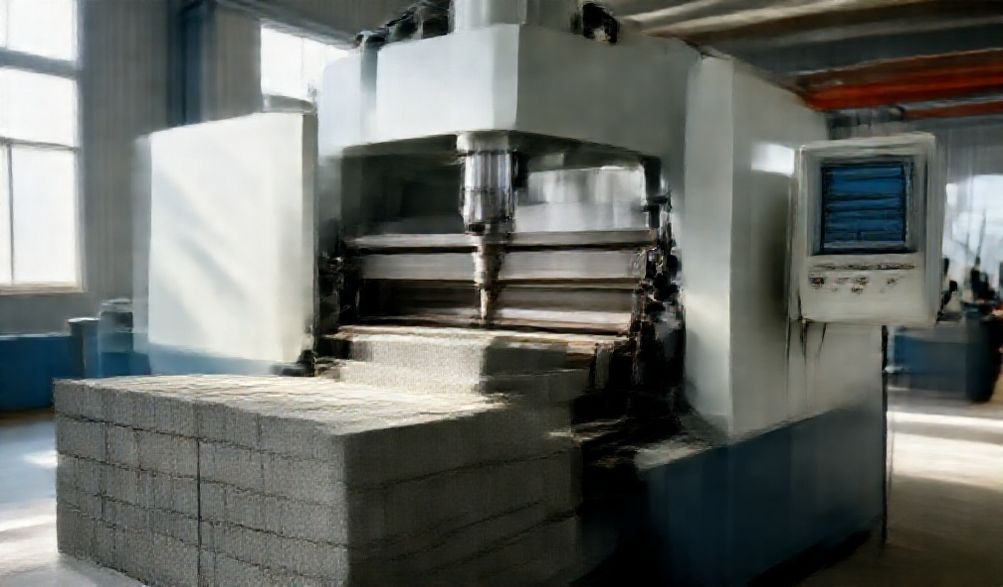
Inzira yo Gukora Amatafari y’Amatafari ya Sima | Ibisobanuro by’Uru ruganda rwa FUDA
Mu muryango w’ubwubatsi, ishingiro ry’ikigo cyose kigumaho ritangirira ku cyiza cy’ingingo yacyo ishingiyeho: igitambaro. Nubwo imigenzo y’ubwiza ika irayo n’irindi, isaba ry’ibikoresho by’ubwubatsi bihagaze, bikomeye, kandi bizewe biramenya. Kubashyigikira, abakontarakta, n’abacuruzi, ubu bumenyi buhagaze busobanurwa neza mu ngingo y’umushinga, umutekano, n’agaciro k’igihe kirekire. Injiza imashini y’ubu yubaka amatafari ya sima ikomeye—ishingiro ry’ikoranabuhanga ryahinduye uburyo dukora ibyubaka by’imiryango yacu. Ukagira uko gukorwa kw’amatafari y’ibumba, byakoresheje ingufu nyinshi, izi mashini zitanga inzira y’ubwenge, ikomeye, kandi ikomeza gukora amatafari.
Iyi ntangamarire si isobanuro ry’ibitekerezo gusa; ni igitabo cyuzuye cyakozwe mu bukungu bwa nyuma. Tuzasobanura neza umashini w’ubaka amatafari ya sima, dushingiye ku bumenyi bw’abahanga mu rwego rwo hejuru.Uru ruganda rwubaka rwa FUDANiba uri umunyamategeko w’ubwubatsi ugenera ibikoresho, umunyamigabane w’ubucuruzi usuzuma amahirwe y’amafaranga, cyangwa umuyobozi w’umushinga ushaka kwigenga, iyi ngingo itanga ubumenyi burambuye, biringira kugirango utange ibyemezo bishimishije mu guhitamo, gukoresha no kungura muri ibi bikoresho by’ingenzi.
Ni iki cyuma cyubaka amatafari y’amakara?
Mu mizinga yacyo, mashini ikora amatafari ya sima ni igikoresho gihimbwa gikora amatafari y’imiteja, y’ubuhobobe bukabije, ikoresheje uburyo bwo gukangura no guhanagura. Ihindura ibikomoka mu sima byumye ibigizwe n’ibice by’ubwubatsi bisobanutse neza, bitakeneye gucanwa mu gicaniro. Iyi teknoloji yerekana ikinyuranyo gihambaye mu buryo bwa kera, ishingiye ku bucuruzi n’ubumenyi bw’ibikoresho.
Umurimo w'ingenzi n'imyizerere y'ikorwa
Ubucuruzi bw'iki gikoresho bushingiye ku buryo bworoshye kandi bukomeye. Bikoresha umushinga wo kuzingura. Umuvange wumuceri, umusenyi, n'ibindi bintu (nk'ibyatsi byamabuye) byuzuye neza bigakurwa mu gikoresho. Binyuze mu guhuza ingufu zikomeye cyane—zimwe na zimwe zikoresha amazi—hamwe n'ibindi bintu byumvikana, umuvange uzamenyekanishwa mu gikoresho cy'umuringo (die). Ingufu ikomeye ishishikariza ibintu byose kumwe, bigatanga umubumano w'ubukorikori hamwe n'igipande cy'ibyatsi by'ubwoko bwihariye bukomeye kandi bukomeye. Icyo gipande cy'ibyatsi kizasohotswa, kizitegurwa kugirango kivugururwe. Iyi nzira irinda gukenera amazi mu muvange cyangwa ubushyuhe mu kuvugurura, bigatuma umusaruro ukomeza kugenda wihuta, ukaba ugenga neza.
Ibice By’ingenzi n’Inshingano Zabyo
Gusobanukirwa umashini bitangira no kumenya ibice byayo by'ingenzi:
* Hopper:Iyi ni aho ibikoresho byumye by’inganda bigurwa. Imiterere yayo yaremewe kugirango ibikoresho bigende bikoreshwa mu buryo buhoraho nta ngorane mu gikoresho cyo gucukura.
* Mold or Die:Umutima w'ubwoko bw'ibikorwa. Iki gice cya cyuma gikomeye gisobanura umubare, ubunini, n'imitako y'inyuma y'igikinisho cya nyuma. Guhindura imyubakire bishobora kugira ngo umushini umwe utanga ibikoresho by'ibikorwa bitandukanye.
* Sisitemu yo Gufumbika:Inkomoko y'ingufu. Ibi bishobora kubasisteme ya hydrolike(kubera ingufu zikomeye no gukoresha imashini) cyangwa asisitemu y'imashini(iboneka cyane mu modere zikoreshwa n’abantu/igihe runaka). Zitanga ubunini bw’ibiro bikenewe kugirango ubukombe bube neza.
* Paneli yo Gucunga:Umutwe w'imashini zikora mu buryo bwikora. Bishobora abakoresha gushyiraho ibipimo nk'igihe cy'umwanya w'umuvuduko, ibihe bya cycle, no kugenda, biganisha kumikorere yihariye, ikomeza kuzana ubwiza bwihariye buri gato.
Inzira Z'inyungu Zo Gukoresha Imashini yo Kubaka Amatafari ya Sima
Guhindura ubwoko bwo gukora amatafari y’simanite si impinduka mu bikoresho gusa; ni no kongerera ubwiza bwa nyuma. Inyungu zirabonka, zikagira ingaruka kuri buri kintu kuva mu kugira ishusho y’ubwubatsire kugeza ku ntego yo kugira amafaranga menshi.
Ubushobozi n'ubukungu Butagereranywa
Amabuye ya sima y’ubwoko bwa briki yubakwa kugirango akore neza. Ukwandurura mu gipimo cy’ingufu hejuru bituma:
* Ubushobozi Bwinshi Bwo Gukandagira:Akenshi baruta kuruta amatafari y'umwimerere, bigatuma ari byiza mu gukoreshwa mu gushyiraho inkuta zifite uburemere ndetse no mu mazu afite amabara menshi.
* Ubushobozi bwo kwihanganira imihindagurikire y’ikirere bwiza.Biteganya neza mu gukumira amazi, guhindagurika kw’amazi mu gihe cy’ubukonje n’ubushyuhe, no kurindwa n’imvura, bigatuma imishinga iba ifite ubuzima bw’igihe kirekire kandi itagomba kugenzurwa cyane.
* Ubwuzu bw’Ibipimo n’Umutekano: Precision molding ensures uniform size and shape, simplifying construction, reducing mortar use, and minimizing waste on-site.
Cost-Effectiveness and Profitability
This is where the business case shines. The production model offers substantial economic benefits:
* Lower Raw Material Costs: Uses widely available, inexpensive materials like sand, aggregate, and cement. Often, industrial by-products (like fly ash) can be incorporated.
* Elimination of Firing Costs: No coal, gas, or large kilns are needed, slashing energy overheads dramatically.
* High Output & Fast ROI: Machines can produce hundreds to thousands of bricks per hour. This rapid production capacity, combined with low operational costs, leads to a strong and quick return on investment for business ventures.
Environmental Sustainability
In an era of green construction, this method stands out:
* Efisiyanti y’Ingufu: The “curing” process happens at ambient temperature, requiring no fossil fuels.
* Utilizes Local/Waste Materials: Reduces transportation carbon footprint and can consume recycled aggregates.
* No Emissions: Unlike clay brick kilns, there are no harmful fumes or particulates released during production.
Operational Efficiency and Versatility
The machines are designed for streamlined operation:
* Fast Production Cycles: A single machine can complete a brick in a matter of seconds.
* Gukendera ku Mbaraga z'Abakozi Bigabanutse: Especially in semi- and fully-automatic models, one or two operators can manage high-volume production.
* Product Flexibility: By simply changing the mold, a single machine can produce solid bricks, hollow blocks, paving slabs, kerbstones, and more, allowing you to diversify your product line to meet market demand.
Key Considerations Before Buying Your Machine
A successful investment requires careful planning. Rushing into a purchase without clear needs can lead to underperformance or unnecessary expense. Here’s a practical framework for your decision.
Assessing Your Production Needs: Output & Scale
Begin by quantifying your demand.
* Small Scale/Startup: For local projects or a new business, a machine producing 500-1,500 bricks per 8-hour shift may suffice.
* Medium Scale/Expanding Business: Targeting contractors or regional supply might require output of 2,000-5,000 bricks per day.
* Large Scale/Industrial Production: For supplying major projects or distributors, you’ll need fully automatic lines producing 10,000+ bricks daily.
Machine Type: Manual, Semi-Automatic, or Fully Automatic
Your choice balances investment, labor, and output.
* Imashini z'ibikorwa by'amaboko: Lowest cost, fully human-powered. Ideal for very small-scale, intermittent production. High labor intensity, lower output.
* Imitungo Imigendeshwa n'ikiremwamuntu: The sweet spot for many. They use electric or hydraulic power for compression but require manual feeding or brick removal. Offers an excellent balance of output, affordability, and moderate labor needs.
* Imashini Zikora Byikoresho Zishobora Kwikorera Ubwabyo. Top-tier investment. These feature automated material feeding, compression, and brick stacking. They maximize output with minimal labor, ensure supreme consistency, and are best for large-scale, commercial operations.
Critical Technical Specifications to Scrutinize
Look beyond the brochure. Key specs determine capability:
* Pressure Force (Tonnage): This directly correlates to brick density and strength. For solid bricks, higher tonnage (e.g., 100+ tons) is typically better.
* Igihe cyo gukora How many seconds for one brick? Faster cycles mean higher hourly output.
* Ibarafu ry’ingoma: Indicates the machine’s overall power and ability to handle continuous operation.
* Mold Customization: Ensure the manufacturer can provide or create molds for the specific brick designs you wish to produce.
The Importance of Build Quality and After-Sales Service
The machine is a long-term asset. Its durability and support are paramount.
* Ubwiza bwo Kubaka Look for heavy-duty steel frames, hardened steel molds, and reputable hydraulic components. A robust build minimizes downtime.
* Serivisi yo Nyuma yo Kugurisha: This is non-negotiable. Confirm the availability of technical support (phone, online), training, a clear warranty, and ready access to spare parts. Established factories like FUDA build their reputation on this lifelong partnership, not just a one-time sale.
Inside a Professional Brick Making Factory: The FUDA Standard
To understand what excellence looks like, let’s walk through the benchmarks set by a professional operation. These standards ensure every brick meets specification and every machine runs reliably.
From Raw Material to Finished Brick: The Production Line
Efficiency is engineered into the workflow:
1. Gutegura Ibikoresho: Sand and aggregates are sieved and stored. Cement is kept dry.
2. Gukora Imigangire Ihamye: Materials are batched in exact ratios (e.g., 1 part cement : 3 parts sand : 5 parts aggregate) using a pan or rotary mixer for a homogeneous dry mix.
3. Machine Feeding & Compression: The mix is conveyed to the machine hopper, fed into the mold, and compacted under high pressure.
4. Gukora: Fresh bricks are stacked on pallets and kept moist (often by sprinkling water) for 7-14 days to achieve initial strength, reaching full strength in 28 days.
5. Gutunganya no Kubika: Cured bricks are packaged and stored for dispatch, ready for the construction site.
Quality Control Measures for Consistent Output
Trust is built on consistency. Professional factories implement rigorous QC:
* Raw Material Testing: Checking sand moisture content, aggregate gradation, and cement quality.
* Guhuza mu Gikorwa: Monitoring brick weight, dimensions, and visual integrity right off the machine.
* Final Product Testing: Regularly testing sample bricks for ubushobozi bwo guhaniranya umuhenda in a lab, ensuring every batch meets or exceeds national building standards.
Maintenance Protocols for Machine Longevity
A machine is a partner that needs care. A professional schedule includes:
* Buri munsi: Cleaning the hopper and mold, checking hydraulic oil levels, and lubricating moving parts.
* Buri cyumweru: Inspecting wires and hoses for wear, tightening bolts and fittings.
* Monthly: Checking hydraulic system pressure, cleaning filters, and conducting a thorough inspection of the mold and compression plates.
Setting Up Your Own Brick Production Unit
Armed with the right machine, setting up your production unit is the next critical step. Proper planning here prevents operational headaches.
Space, Power, and Raw Material Logistics
- Umwanya: You’ll need a covered area for the machine (protected from rain and dust), a large, level, open yard for curing and storage, and space for raw material stockpiles. Plan for easy material flow.
- Ubushobozi: Ensure a stable electrical connection that matches your machine’s voltage and power (kW) requirements. A three-phase connection is common for industrial models.
- Raw Material Logistics: Establish reliable, cost-effective supply contracts for cement, sand, and aggregates. Consistent material quality is key to consistent brick quality.
Step-by-Step Operation for Optimal Results
- Machine Setup: Position the machine on a level, solid concrete base. Connect power and perform a test run without material.
- Mix Preparation: Use a mechanical mixer for consistency. A common starting ratio is 1 (cement) : 3 (sand) : 5 (6mm aggregate). Adjust based on local material tests.
- Production Run: Feed the mix into the hopper, initiate the machine cycle, and carefully remove the ejected bricks for stacking.
- Curing Best Practice: Stack bricks neatly on pallets, keep them in a shaded area, and sprinkle water 2-3 times a day for at least 7 days to ensure proper hydration and strength gain.
Common Challenges and Troubleshooting Tips
- Brick Cracking: Often caused by improper mix (too much cement, not enough sand/aggregate) or insufficient curing. Re-calibrate your mix and ensure proper watering.
- Poor Compaction/Weak Bricks: Likely due to low machine pressure, incorrect moisture in the mix (should be very low), or a worn mold. Check machine settings and mold condition.
- Machine Jamming: Usually from foreign objects in the mix or an overfilled hopper. Always sieve raw materials and follow feeding guidelines.
Bibazo Byinshi Byibazwa (FAQ)
Q: What is the typical cost range for a cement solid brick making machine?
A: Costs vary dramatically based on automation and capacity. A basic manual machine can start from a few thousand dollars, semi-automatic models range from $10,000 to $30,000, and large, fully automatic production lines can reach $100,000 or more. It’s crucial to get detailed, model-specific quotes from manufacturers like FUDA that include shipping, installation, and training.
Q: What is the ideal cement-sand-aggregate mix ratio?
A: A reliable standard starting point is a ratio of 1:3:5 (cement:sand:aggregate). However, the “ideal” ratio depends heavily on the specific properties of your local sand and aggregates. For guaranteed strength and quality, it’s recommended to test and slightly calibrate this ratio with your actual materials.
Q: How long do cement bricks need to cure before use?
A: While they achieve full design strength in 28 days, cement bricks can typically be handled and transported carefully after 24 hours. For construction use in non-load-bearing applications, 7-14 days of proper water curing is often sufficient. For load-bearing walls, waiting the full 28 days is the best practice.
Q: Can these machines produce other products besides solid bricks?
A: Absolutely. This is a key advantage. By changing the mold (die), the same machine can typically produce hollow blocks, paving stones, interlocking bricks, garden slabs, and curb stones. Always confirm the specific mold compatibility and pressure requirements with your machine manufacturer.
Q: Why is FUDA Factory considered a reliable manufacturer?
A: Factories like FUDA earn their reputation through a commitment to E-E-A-T: Uburambe from years in the industry, Ubumenyi in robust mechanical and hydraulic engineering, Ubushobozi bwo kugira uburenganzira established through rigorous product testing and compliance, and Gukwiriye built on transparent customer communication, comprehensive after-sales support, and reliable warranty programs. They don’t just sell a machine; they provide a production solution.
Ibyo byose
Investing in a cement solid brick making machine is more than a purchase; it’s a strategic decision that bridges the gap between ambitious construction goals and profitable business reality. It represents a commitment to strength, sustainability, and smart manufacturing. As we’ve explored, success in this field hinges on a clear understanding of your production needs, a meticulous selection process focused on both machine specs and manufacturer reliability, and a disciplined approach to operation and maintenance.
Let this guide serve as your foundational blueprint. As you move forward, prioritize partners who exemplify the principles of proven Ubuhanga, Ubumenyi, Uburenganzira, n'Ukwizerwa (E-E-A-T) in every aspect of their work—from the drawing board to the factory floor and beyond. By aligning with standards exemplified by professional operations like the Uru ruganda rwubaka rwa FUDA, you secure not just a machine, but a cornerstone for your building or business success.
<