
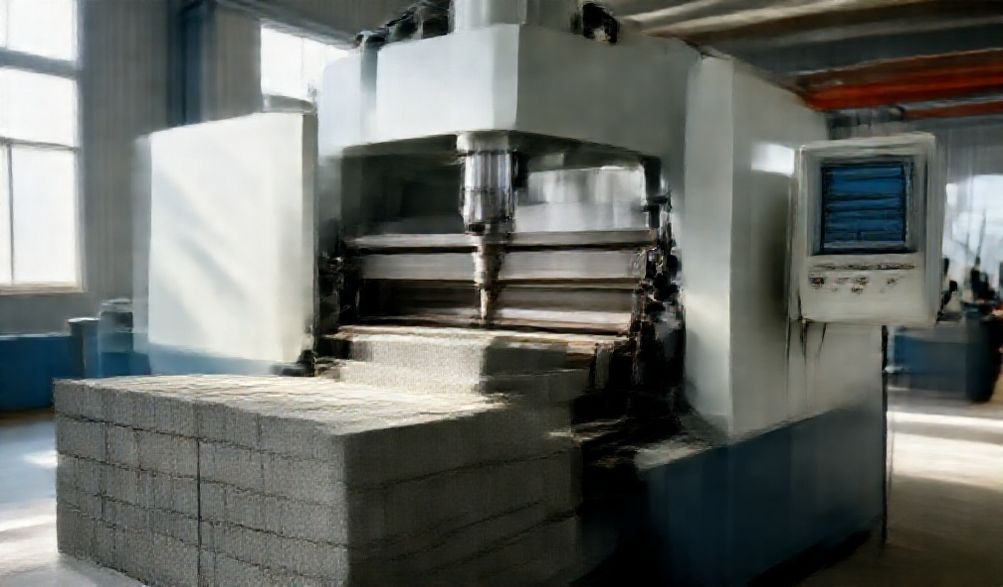
시멘트 고체 벽돌 제작 기계의 궁극적인 가이드 | 푸다 공장 인사이트
건설의 세계에서, 오래 지속되는 구조물의 기초는 가장 기본적인 구성 요소인 벽돌의 품질에서 시작됩니다. 미적 트렌드는 유행을 타고 사라지지만, 내구성 있고 강하며 신뢰할 수 있는 건축 자재에 대한 수요는 변함없이 지속됩니다. 개발업자, 계약자 및 기업가에게 이러한 내구성은 프로젝트의 견고성, 안전성 및 장기적 가치로 직결됩니다. 여기에 현대식 시멘트 고형 벽돌 제조기가 등장합니다. 이 기술적 초석은 우리 사회의 건축 블록을 생산하는 방식을 혁신적으로 바꾸었습니다. 에너지 집약적인 전통적인 점토 벽돌 소성 방식을 넘어, 이러한 기계들은 더 스마트하고 강력하며 지속 가능한 벽돌 생산의 길을 제시합니다.
이 가이드는 단순한 이론적 개요가 아닌, 심도 있는 산업 현장 경험에서 비롯된 포괄적인 매뉴얼입니다. 우리는 시멘트 고체 벽돌 제조 기계를 세부적으로 분석하며, 선도 기업의 전문 기준을 벤치마킹한 통찰력을 제공할 것입니다.푸다 벽돌 제조 공장건설 전문가로서 자재를 구체적으로 명시하든, 사업 투자자로서 수익성 높은 기회를 평가하든, 프로젝트 매니저로서 자립성을 추구하든, 이 기사는 이 핵심 장비를 선택하고 운영하며 그 혜택을 얻기 위한 정보에 기반한 결정을 내리는 데 필요한 상세하고 신뢰할 수 있는 지식을 제공합니다.
시멘트 고형 벽돌 제조 기계란 무엇인가요?
본질적으로 시멘트 고체 벽돌 제조 기계는 진동과 압축 과정을 통해 고밀도의 단단한 벽돌을 생산하도록 설계된 장치입니다. 이 기계는 건식 콘크리트 혼합물을 가마 소성 없이 정밀하게 맞물리는 건축 자재로 변환합니다. 이러한 기술은 효율성과 재료 과학을 우선시함으로써 전통적 방식에서 중요한 도약을 나타냅니다.
핵심 기능 및 작동 원리
이 기계의 마법은 그 단순함과 힘에 있습니다. 압축 원리에 따라 작동하는데, 시멘트, 모래, 그리고 부순 돌 같은 골재로 정확히 계량된 건조 혼합물이 기계에 투입됩니다. 고압 압축(종종 유압식)과 때로는 진동을 결합하여, 혼합물이 견고한 금형(다이) 안에서 압축됩니다. 엄청난 압력이 입자들을 서로 밀착시켜 기계적 결합을 이루고, 뛰어난 밀도와 강도의 벽돌을 만들어냅니다. 그런 다음 벽돌이 배출되어 양생 준비를 마칩니다. 이 공정은 혼합 시 물이나 양생 시 열을 필요로 하지 않아, 더 빠르고 통제된 생산 주기를 가능하게 합니다.
주요 구성 요소와 그 역할
기계를 이해하는 것은 그 핵심 부품들을 아는 것에서 시작됩니다.
* 호퍼:이곳은 건조 원료 혼합물이 투입되는 진입점입니다. 그 설계는 성형 시스템으로의 일관되고 중단 없는 흐름을 보장합니다.
* 곰팡이냐 죽음이냐:맞춤화의 핵심. 이 경화 강철 부품은 최종 벽돌의 모양, 크기, 표면 질감을 결정합니다. 몰드를 교체함으로써 한 대의 기계로 다양한 종류의 벽돌을 생산할 수 있습니다.
* 압축 시스템:힘의 원천. 이것은 강력한유압 시스템(더 높은 압력과 자동화를 위해) 또는기계 시스템(주로 수동/반자동 모델에서 발견됩니다). 적절한 다짐에 필요한 압력을 제공합니다.
* 제어판자동화 기계의 두뇌입니다. 운영자가 압력 지속 시간, 사이클 시간, 진동과 같은 매개변수를 설정할 수 있어, 모든 벽돌에서 일관되고 반복 가능한 품질을 보장합니다.
시멘트 고형 벽돌 기계 사용의 장점
시멘트 고체 벽돌 생산으로의 전환은 단순히 장비의 변화가 아닌, 결과의 업그레이드입니다. 그 이점은 구조적 안정성부터 수익성에 이르기까지 모든 측면에서 실질적으로 영향을 미칩니다.
뛰어난 강도와 내구성
시멘트 고체 벽돌은 성능을 위해 설계되었습니다. 고압 압축으로 인해 다음과 같은 결과가 나타납니다:
* 높은 압축 강도:종종 전통적인 소성 점토 벽돌의 성능을 능가하여, 내력벽과 다층 구조물에 이상적입니다.
* 뛰어난 내후성그들은 흡수, 동결-해동 주기 및 침식에 대한 우수한 저항성을 보여주어, 유지 관리 비용이 낮은 더 오래가는 구조물로 이어집니다.
* 차원 일관성 및 안정성정밀 성형은 균일한 크기와 모양을 보장하여 시공을 단순화하고, 모르타르 사용을 줄이며, 현장에서의 낭비를 최소화합니다.
비용 효율성과 수익성
여기서 사업적 타당성이 빛을 발합니다. 생산 모델은 상당한 경제적 이점을 제공합니다.
* 원자재 비용 절감널리 사용 가능하고 저렴한 모래, 골재, 시멘트와 같은 재료를 사용합니다. 종종 플라이 애시와 같은 산업 부산물을 혼합할 수 있습니다.
* 해고 비용 폐지석탄, 가스 또는 대형 가마가 필요하지 않아 에너지 오버헤드를 극적으로 절감합니다.
* 높은 생산성과 빠른 투자 수익률:기계는 시간당 수백 개에서 수천 개의 벽돌을 생산할 수 있습니다. 이러한 빠른 생산 능력과 낮은 운영 비용이 결합되어 사업 투자에 강력하고 빠른 투자 수익을 가져옵니다.
Environmental Sustainability
In an era of green construction, this method stands out:
* 에너지 효율적: The “curing” process happens at ambient temperature, requiring no fossil fuels.
* Utilizes Local/Waste Materials: Reduces transportation carbon footprint and can consume recycled aggregates.
* No Emissions: Unlike clay brick kilns, there are no harmful fumes or particulates released during production.
Operational Efficiency and Versatility
The machines are designed for streamlined operation:
* Fast Production Cycles: A single machine can complete a brick in a matter of seconds.
* 노동 의존도 감소 Especially in semi- and fully-automatic models, one or two operators can manage high-volume production.
* 제품 유연성 By simply changing the mold, a single machine can produce solid bricks, hollow blocks, paving slabs, kerbstones, and more, allowing you to diversify your product line to meet market demand.
Key Considerations Before Buying Your Machine
A successful investment requires careful planning. Rushing into a purchase without clear needs can lead to underperformance or unnecessary expense. Here’s a practical framework for your decision.
Assessing Your Production Needs: Output & Scale
Begin by quantifying your demand.
* Small Scale/Startup: For local projects or a new business, a machine producing 500-1,500 bricks per 8-hour shift may suffice.
* Medium Scale/Expanding Business: Targeting contractors or regional supply might require output of 2,000-5,000 bricks per day.
* Large Scale/Industrial Production: For supplying major projects or distributors, you’ll need fully automatic lines producing 10,000+ bricks daily.
Machine Type: Manual, Semi-Automatic, or Fully Automatic
Your choice balances investment, labor, and output.
* 수동 기계: Lowest cost, fully human-powered. Ideal for very small-scale, intermittent production. High labor intensity, lower output.
* 반자동 기계: The sweet spot for many. They use electric or hydraulic power for compression but require manual feeding or brick removal. Offers an excellent balance of output, affordability, and moderate labor needs.
* 완전 자동 기계: Top-tier investment. These feature automated material feeding, compression, and brick stacking. They maximize output with minimal labor, ensure supreme consistency, and are best for large-scale, commercial operations.
Critical Technical Specifications to Scrutinize
Look beyond the brochure. Key specs determine capability:
* 압력 힘 (톤수) This directly correlates to brick density and strength. For solid bricks, higher tonnage (e.g., 100+ tons) is typically better.
* 사이클 타임: How many seconds for one brick? Faster cycles mean higher hourly output.
* 모터 파워: Indicates the machine’s overall power and ability to handle continuous operation.
* 금형 맞춤 제작: Ensure the manufacturer can provide or create molds for the specific brick designs you wish to produce.
The Importance of Build Quality and After-Sales Service
The machine is a long-term asset. Its durability and support are paramount.
* 빌드 품질: Look for heavy-duty steel frames, hardened steel molds, and reputable hydraulic components. A robust build minimizes downtime.
* 애프터 서비스: This is non-negotiable. Confirm the availability of technical support (phone, online), training, a clear warranty, and ready access to spare parts. Established factories like 푸다 build their reputation on this lifelong partnership, not just a one-time sale.
Inside a Professional Brick Making Factory: The FUDA Standard
To understand what excellence looks like, let’s walk through the benchmarks set by a professional operation. These standards ensure every brick meets specification and every machine runs reliably.
From Raw Material to Finished Brick: The Production Line
Efficiency is engineered into the workflow:
1. 자재 준비 Sand and aggregates are sieved and stored. Cement is kept dry.
2. 정밀 혼합 Materials are batched in exact ratios (e.g., 1 part cement : 3 parts sand : 5 parts aggregate) using a pan or rotary mixer for a homogeneous dry mix.
3. Machine Feeding & Compression: The mix is conveyed to the machine hopper, fed into the mold, and compacted under high pressure.
4. 치유: Fresh bricks are stacked on pallets and kept moist (often by sprinkling water) for 7-14 days to achieve initial strength, reaching full strength in 28 days.
5. 팔레타이징 및 보관: Cured bricks are packaged and stored for dispatch, ready for the construction site.
Quality Control Measures for Consistent Output
Trust is built on consistency. Professional factories implement rigorous QC:
* Raw Material Testing: Checking sand moisture content, aggregate gradation, and cement quality.
* 공정 중 검사 Monitoring brick weight, dimensions, and visual integrity right off the machine.
* Final Product Testing: Regularly testing sample bricks for compressive strength in a lab, ensuring every batch meets or exceeds national building standards.
Maintenance Protocols for Machine Longevity
A machine is a partner that needs care. A professional schedule includes:
* Daily: Cleaning the hopper and mold, checking hydraulic oil levels, and lubricating moving parts.
* Weekly: Inspecting wires and hoses for wear, tightening bolts and fittings.
* Monthly: Checking hydraulic system pressure, cleaning filters, and conducting a thorough inspection of the mold and compression plates.
Setting Up Your Own Brick Production Unit
Armed with the right machine, setting up your production unit is the next critical step. Proper planning here prevents operational headaches.
Space, Power, and Raw Material Logistics
- 우주 You’ll need a covered area for the machine (protected from rain and dust), a large, level, open yard for curing and storage, and space for raw material stockpiles. Plan for easy material flow.
- 힘 Ensure a stable electrical connection that matches your machine’s voltage and power (kW) requirements. A three-phase connection is common for industrial models.
- Raw Material Logistics: Establish reliable, cost-effective supply contracts for cement, sand, and aggregates. Consistent material quality is key to consistent brick quality.
Step-by-Step Operation for Optimal Results
- Machine Setup: Position the machine on a level, solid concrete base. Connect power and perform a test run without material.
- 믹스 준비: Use a mechanical mixer for consistency. A common starting ratio is 1 (cement) : 3 (sand) : 5 (6mm aggregate). Adjust based on local material tests.
- Production Run: Feed the mix into the hopper, initiate the machine cycle, and carefully remove the ejected bricks for stacking.
- Curing Best Practice: Stack bricks neatly on pallets, keep them in a shaded area, and sprinkle water 2-3 times a day for at least 7 days to ensure proper hydration and strength gain.
Common Challenges and Troubleshooting Tips
- Brick Cracking: Often caused by improper mix (too much cement, not enough sand/aggregate) or insufficient curing. Re-calibrate your mix and ensure proper watering.
- Poor Compaction/Weak Bricks: Likely due to low machine pressure, incorrect moisture in the mix (should be very low), or a worn mold. Check machine settings and mold condition.
- Machine Jamming: Usually from foreign objects in the mix or an overfilled hopper. Always sieve raw materials and follow feeding guidelines.
자주 묻는 질문 (FAQ)
Q: What is the typical cost range for a cement solid brick making machine?
A: Costs vary dramatically based on automation and capacity. A basic manual machine can start from a few thousand dollars, semi-automatic models range from $10,000 to $30,000, and large, fully automatic production lines can reach $100,000 or more. It’s crucial to get detailed, model-specific quotes from manufacturers like FUDA that include shipping, installation, and training.
Q: What is the ideal cement-sand-aggregate mix ratio?
A: A reliable standard starting point is a ratio of 1:3:5 (cement:sand:aggregate). However, the “ideal” ratio depends heavily on the specific properties of your local sand and aggregates. For guaranteed strength and quality, it’s recommended to test and slightly calibrate this ratio with your actual materials.
Q: How long do cement bricks need to cure before use?
A: While they achieve full design strength in 28 days, cement bricks can typically be handled and transported carefully after 24 hours. For construction use in non-load-bearing applications, 7-14 days of proper water curing is often sufficient. For load-bearing walls, waiting the full 28 days is the best practice.
Q: Can these machines produce other products besides solid bricks?
A: Absolutely. This is a key advantage. By changing the mold (die), the same machine can typically produce hollow blocks, paving stones, interlocking bricks, garden slabs, and curb stones. Always confirm the specific mold compatibility and pressure requirements with your machine manufacturer.
Q: Why is FUDA Factory considered a reliable manufacturer?
A: Factories like FUDA earn their reputation through a commitment to E-E-A-T: 경험 from years in the industry, 전문성 in robust mechanical and hydraulic engineering, 권위성 established through rigorous product testing and compliance, and 신뢰성 built on transparent customer communication, comprehensive after-sales support, and reliable warranty programs. They don’t just sell a machine; they provide a production solution.
결론
Investing in a cement solid brick making machine is more than a purchase; it’s a strategic decision that bridges the gap between ambitious construction goals and profitable business reality. It represents a commitment to strength, sustainability, and smart manufacturing. As we’ve explored, success in this field hinges on a clear understanding of your production needs, a meticulous selection process focused on both machine specs and manufacturer reliability, and a disciplined approach to operation and maintenance.
Let this guide serve as your foundational blueprint. As you move forward, prioritize partners who exemplify the principles of proven 경험, 전문성, 권위성, 신뢰성 (E-E-A-T) in every aspect of their work—from the drawing board to the factory floor and beyond. By aligning with standards exemplified by professional operations like the 푸다 벽돌 제조 공장, you secure not just a machine, but a cornerstone for your building or business success.
<