
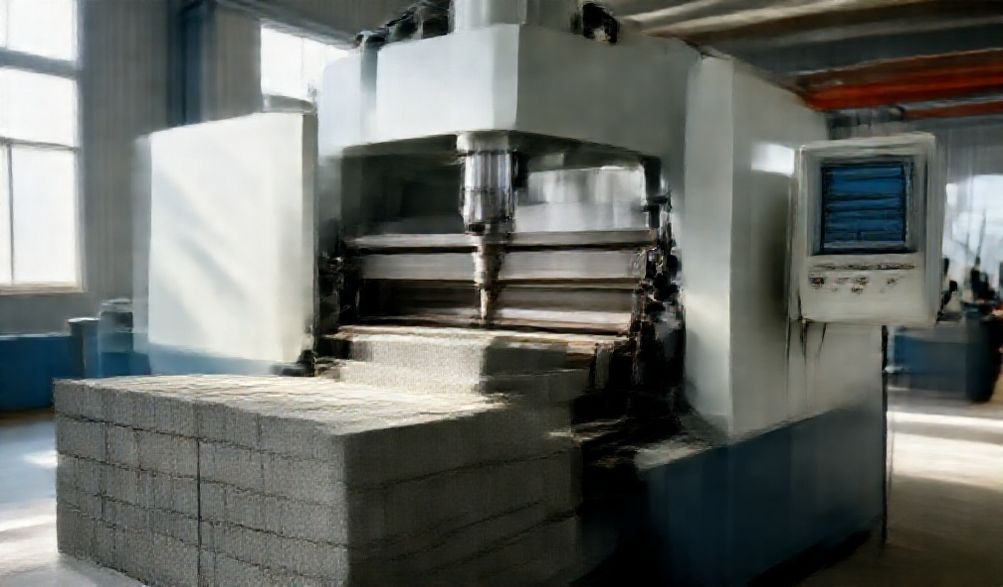
Цементті қатты кірпіш жасау машиналары бойынша жан-жақты нұсқаулық | FUDA зауытынан түсініктемелер
Құрылыс әлемінде кез келген тұрақты құрылымның негізі оның ең негізгі компонентінің сапасынан басталады: кірпіштен. Эстетикалық тенденциялар өзгеріп отырса да, берік, мықты және сенімді құрылыс материалдарына деген сұраныс тұрақты болып қалады. Әзірлеушілер, подрядчиктер және кәсіпкерлер үшін бұл беріктік тікелей жобаның сенімділігіне, қауіпсіздігіне және ұзақ мерзімді құндылығына әкеледі. Заманауи цементті қатты кірпіш жасайтын машина - бұл біздің қоғамдастықтарымыздың құрылыс блоктарын өндіру тәсілін түбегейлі өзгерткен технологиялық таяқша. Дәстүрлі, энергияны көп тұтынатын сазды кірпішті күйдіру әдісінен асып, бұл машиналар кірпіш өндірудің ақылдырақ, мықтырақ және тұрақтырақ жолын ұсынады.
Бұл нұсқаулық тек теориялық шолу емес; бұл терең өнеркәсіптік тәжірибеден алынған жан-жақты қолданушы нұсқаулығы. Біз цемент қатты кірпіш жасау машинасын жетекші компанияның кәсіби стандарттарына сәйкес талдаймыз.ФУДА кірпіш жасау зауытыСіз құрылыс саласының маманы болып материалдарды таңдап жатсаңыз да, бизнес инвесторы ретінде тиімді мүмкіндікті бағалап жатсаңыз да, немесе жоба менеджері ретінде өздігінен жұмыс істеуге ұмтылсаңыз да, бұл мақала сізге осы шешуші техниканы таңдау, пайдалану және оның артықшылықтарын алу туралы негізделген шешім қабылдау үшін қажетті егжей-тегжейлі, сенімді білімді ұсынады.
Цементтен жасалған қатты кірпіш жасау машинасы дегеніміз не?
Негізінде, цементтен жасалған қатты кірпіш жасау машинасы - бұл діріл және сығу процесі арқылы жоғары тығыздықты қатты кірпіштерді өндіруге арналған құрылғы. Ол құрғақ бетон қоспасын пешті күйдірместен, дәл өлшемді және бір-біріне ілінетін құрылыс блоктарына айналдырады. Бұл технология дәстүрлі әдістерден айтарлықтай секіруді білдіріп, тиімділік пен материалтану ғылымын басымдыққа қояды.
Негізгі функциясы және жұмыс принципі
Бұл машинаның сиқыры оның қарапайымдылығы мен күшінде жатыр. Ол тығыздау принципі бойынша жұмыс істейді. Цемент, құм және толықтауыштар (мысалы, ұсақталған тас) дәл өлшенген құрғақ қоспасы машинаға беріледі. Жоғары қысымды тығыздаудың (көбінесе гидравликалық) және кейде дірілдің үйлесімі арқылы қоспа қатты қалыпқа (пішінге) тығыздалады. Үлкен қысым бөлшектерді бір-біріне қысады, механикалық байланыс және тығыздығы мен беріктігі ерекше кірпіш жасайды. Содан кейін кірпіш шығарылып, кептіруге дайын болады. Бұл процесс қоспада суды немесе кептіруде жылуды қажет етпейді, бұл өндіріс циклін тезірек және бақыланатын етеді.
Негізгі компоненттер және олардың рөлдері
Машинаны түсіну оның негізгі бөлшектерін білуден басталады:
* Хоппер:Мұнда құрғақ шикізат қоспасы жүктеледі. Оның дизайны қалыптау жүйесіне үздіксіз және біркелкі ағынды қамтамасыз етеді.
* Саңырауқұлақ немесе өлу:Жекелендірудің жүрегі. Бұл қатты болаттан жасалған компонент түпкілікті кірпіштің пішінін, өлшемін және бетінің текстурасын анықтайды. Қалыптарды ауыстыру арқылы бір машина әртүрлі кірпіш түрлерін шығаруға мүмкіндік береді.
* Сығымдау жүйесі:Қуат көзі. Бұл берік болуы мүмкінгидравликалық жүйе(жоғары қысым және автоматтандыру үшін) немесемеханикалық жүйе(қолмен/жартылай автоматты модельдерде жиі кездеседі). Ол дұрыс тығыздау үшін қажетті тоннажды қамтамасыз етеді.
* Басқару панелі:Автоматты машиналардың миы. Ол операторларға қысым ұзақтығы, цикл уақыты және діріл сияқты параметрлерді орнатуға мүмкіндік береді, әр кірпіште тұрақты, қайталанатын сапаны қамтамасыз етеді.
Advantages of Using a Cement Solid Brick Machine
Shifting to cement solid brick production isn’t just a change in equipment; it’s an upgrade in outcomes. The advantages are tangible, impacting everything from structural integrity to your bottom line.
Unmatched Strength and Durability
Cement solid bricks are engineered for performance. The high-pressure compaction results in:
* Жоғары Қысу беріктігі: Often exceeding that of traditional fired clay bricks, making them ideal for load-bearing walls and multi-story constructions.
* Superior Weather Resistance: They exhibit excellent resistance to water absorption, freeze-thaw cycles, and erosion, leading to longer-lasting structures with lower maintenance.
* Dimensional Consistency & Stability: Precision molding ensures uniform size and shape, simplifying construction, reducing mortar use, and minimizing waste on-site.
Cost-Effectiveness and Profitability
This is where the business case shines. The production model offers substantial economic benefits:
* Lower Raw Material Costs: Uses widely available, inexpensive materials like sand, aggregate, and cement. Often, industrial by-products (like fly ash) can be incorporated.
* Elimination of Firing Costs: No coal, gas, or large kilns are needed, slashing energy overheads dramatically.
* High Output & Fast ROI: Machines can produce hundreds to thousands of bricks per hour. This rapid production capacity, combined with low operational costs, leads to a strong and quick return on investment for business ventures.
Environmental Sustainability
In an era of green construction, this method stands out:
* Энергияны үнемдейтін: The “curing” process happens at ambient temperature, requiring no fossil fuels.
* Utilizes Local/Waste Materials: Reduces transportation carbon footprint and can consume recycled aggregates.
* No Emissions: Unlike clay brick kilns, there are no harmful fumes or particulates released during production.
Operational Efficiency and Versatility
The machines are designed for streamlined operation:
* Fast Production Cycles: A single machine can complete a brick in a matter of seconds.
* Еңбекке тәуелділіктің төмендеуі: Especially in semi- and fully-automatic models, one or two operators can manage high-volume production.
* Product Flexibility: By simply changing the mold, a single machine can produce solid bricks, hollow blocks, paving slabs, kerbstones, and more, allowing you to diversify your product line to meet market demand.
Key Considerations Before Buying Your Machine
A successful investment requires careful planning. Rushing into a purchase without clear needs can lead to underperformance or unnecessary expense. Here’s a practical framework for your decision.
Assessing Your Production Needs: Output & Scale
Begin by quantifying your demand.
* Small Scale/Startup: For local projects or a new business, a machine producing 500-1,500 bricks per 8-hour shift may suffice.
* Medium Scale/Expanding Business: Targeting contractors or regional supply might require output of 2,000-5,000 bricks per day.
* Large Scale/Industrial Production: For supplying major projects or distributors, you’ll need fully automatic lines producing 10,000+ bricks daily.
Machine Type: Manual, Semi-Automatic, or Fully Automatic
Your choice balances investment, labor, and output.
* Қол машиналары: Lowest cost, fully human-powered. Ideal for very small-scale, intermittent production. High labor intensity, lower output.
* Жартылай автоматты машиналар: The sweet spot for many. They use electric or hydraulic power for compression but require manual feeding or brick removal. Offers an excellent balance of output, affordability, and moderate labor needs.
* Толық автоматты машиналар: Top-tier investment. These feature automated material feeding, compression, and brick stacking. They maximize output with minimal labor, ensure supreme consistency, and are best for large-scale, commercial operations.
Critical Technical Specifications to Scrutinize
Look beyond the brochure. Key specs determine capability:
* Қысым күші (Тоннаж): This directly correlates to brick density and strength. For solid bricks, higher tonnage (e.g., 100+ tons) is typically better.
* Цикл уақыты: How many seconds for one brick? Faster cycles mean higher hourly output.
* Қозғалтқыш қуаты: Indicates the machine’s overall power and ability to handle continuous operation.
* Mold Customization: Ensure the manufacturer can provide or create molds for the specific brick designs you wish to produce.
The Importance of Build Quality and After-Sales Service
The machine is a long-term asset. Its durability and support are paramount.
* Құрылыс сапасы: Look for heavy-duty steel frames, hardened steel molds, and reputable hydraulic components. A robust build minimizes downtime.
* Сатылғаннан кейінгі қызмет: This is non-negotiable. Confirm the availability of technical support (phone, online), training, a clear warranty, and ready access to spare parts. Established factories like Фуда build their reputation on this lifelong partnership, not just a one-time sale.
Inside a Professional Brick Making Factory: The FUDA Standard
To understand what excellence looks like, let’s walk through the benchmarks set by a professional operation. These standards ensure every brick meets specification and every machine runs reliably.
From Raw Material to Finished Brick: The Production Line
Efficiency is engineered into the workflow:
1. Материалдарды дайындау: Sand and aggregates are sieved and stored. Cement is kept dry.
2. Дәл Араластыру: Materials are batched in exact ratios (e.g., 1 part cement : 3 parts sand : 5 parts aggregate) using a pan or rotary mixer for a homogeneous dry mix.
3. Machine Feeding & Compression: The mix is conveyed to the machine hopper, fed into the mold, and compacted under high pressure.
4. Емдеу: Fresh bricks are stacked on pallets and kept moist (often by sprinkling water) for 7-14 days to achieve initial strength, reaching full strength in 28 days.
5. Паллеттеу және сақтау: Cured bricks are packaged and stored for dispatch, ready for the construction site.
Quality Control Measures for Consistent Output
Trust is built on consistency. Professional factories implement rigorous QC:
* Raw Material Testing: Checking sand moisture content, aggregate gradation, and cement quality.
* Ішкі процесті тексерулер: Monitoring brick weight, dimensions, and visual integrity right off the machine.
* Final Product Testing: Regularly testing sample bricks for compressive strength in a lab, ensuring every batch meets or exceeds national building standards.
Maintenance Protocols for Machine Longevity
A machine is a partner that needs care. A professional schedule includes:
* Күнделікті Cleaning the hopper and mold, checking hydraulic oil levels, and lubricating moving parts.
* Апталық: Inspecting wires and hoses for wear, tightening bolts and fittings.
* Ай сайын: Checking hydraulic system pressure, cleaning filters, and conducting a thorough inspection of the mold and compression plates.
Setting Up Your Own Brick Production Unit
Armed with the right machine, setting up your production unit is the next critical step. Proper planning here prevents operational headaches.
Space, Power, and Raw Material Logistics
- Ғарыш: You’ll need a covered area for the machine (protected from rain and dust), a large, level, open yard for curing and storage, and space for raw material stockpiles. Plan for easy material flow.
- Қуат: Ensure a stable electrical connection that matches your machine’s voltage and power (kW) requirements. A three-phase connection is common for industrial models.
- Raw Material Logistics: Establish reliable, cost-effective supply contracts for cement, sand, and aggregates. Consistent material quality is key to consistent brick quality.
Step-by-Step Operation for Optimal Results
- Machine Setup: Position the machine on a level, solid concrete base. Connect power and perform a test run without material.
- Mix Preparation: Use a mechanical mixer for consistency. A common starting ratio is 1 (cement) : 3 (sand) : 5 (6mm aggregate). Adjust based on local material tests.
- Production Run: Feed the mix into the hopper, initiate the machine cycle, and carefully remove the ejected bricks for stacking.
- Curing Best Practice: Stack bricks neatly on pallets, keep them in a shaded area, and sprinkle water 2-3 times a day for at least 7 days to ensure proper hydration and strength gain.
Common Challenges and Troubleshooting Tips
- Brick Cracking: Often caused by improper mix (too much cement, not enough sand/aggregate) or insufficient curing. Re-calibrate your mix and ensure proper watering.
- Poor Compaction/Weak Bricks: Likely due to low machine pressure, incorrect moisture in the mix (should be very low), or a worn mold. Check machine settings and mold condition.
- Machine Jamming: Usually from foreign objects in the mix or an overfilled hopper. Always sieve raw materials and follow feeding guidelines.
Жиі қойылатын сұрақтар (ЖҚС)
Q: What is the typical cost range for a cement solid brick making machine?
A: Costs vary dramatically based on automation and capacity. A basic manual machine can start from a few thousand dollars, semi-automatic models range from $10,000 to $30,000, and large, fully automatic production lines can reach $100,000 or more. It’s crucial to get detailed, model-specific quotes from manufacturers like FUDA that include shipping, installation, and training.
Q: What is the ideal cement-sand-aggregate mix ratio?
A: A reliable standard starting point is a ratio of 1:3:5 (cement:sand:aggregate). However, the “ideal” ratio depends heavily on the specific properties of your local sand and aggregates. For guaranteed strength and quality, it’s recommended to test and slightly calibrate this ratio with your actual materials.
Q: How long do cement bricks need to cure before use?
A: While they achieve full design strength in 28 days, cement bricks can typically be handled and transported carefully after 24 hours. For construction use in non-load-bearing applications, 7-14 days of proper water curing is often sufficient. For load-bearing walls, waiting the full 28 days is the best practice.
Q: Can these machines produce other products besides solid bricks?
A: Absolutely. This is a key advantage. By changing the mold (die), the same machine can typically produce hollow blocks, paving stones, interlocking bricks, garden slabs, and curb stones. Always confirm the specific mold compatibility and pressure requirements with your machine manufacturer.
Q: Why is FUDA Factory considered a reliable manufacturer?
A: Factories like FUDA earn their reputation through a commitment to Е-Е-А-Т: Тәжірибе from years in the industry, Біліктілік in robust mechanical and hydraulic engineering, Сенімділік established through rigorous product testing and compliance, and Сенімділік built on transparent customer communication, comprehensive after-sales support, and reliable warranty programs. They don’t just sell a machine; they provide a production solution.
Қорытынды
Investing in a cement solid brick making machine is more than a purchase; it’s a strategic decision that bridges the gap between ambitious construction goals and profitable business reality. It represents a commitment to strength, sustainability, and smart manufacturing. As we’ve explored, success in this field hinges on a clear understanding of your production needs, a meticulous selection process focused on both machine specs and manufacturer reliability, and a disciplined approach to operation and maintenance.
Let this guide serve as your foundational blueprint. As you move forward, prioritize partners who exemplify the principles of proven Тәжірибе, Біліктілік, Сенімділік және Сенімділік (E-E-A-T) in every aspect of their work—from the drawing board to the factory floor and beyond. By aligning with standards exemplified by professional operations like the ФУДА кірпіш жасау зауыты, you secure not just a machine, but a cornerstone for your building or business success.
<