
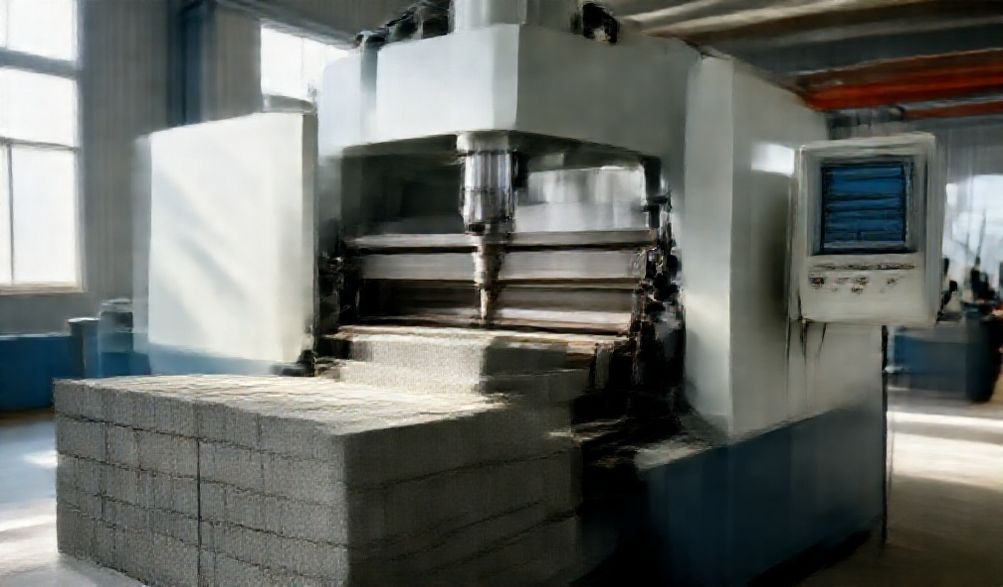
Hướng Dẫn Toàn Diện Về Máy Sản Xuất Gạch Xi Măng Rắn | Góc Nhìn Từ Nhà Máy FUDA
Trong thế giới xây dựng, nền móng của bất kỳ công trình bền vững nào đều bắt đầu từ chất lượng của thành phần cơ bản nhất: viên gạch. Trong khi các xu hướng thẩm mỹ đến rồi đi, nhu cầu về vật liệu xây dựng bền bỉ, chắc chắn và đáng tin cậy vẫn luôn không đổi. Đối với các nhà phát triển, nhà thầu và doanh nhân, độ bền này trực tiếp chuyển thành tính toàn vẹn của dự án, an toàn và giá trị lâu dài. Đây là lúc máy làm gạch xi măng rắn hiện đại xuất hiện—một nền tảng công nghệ đã cách mạng hóa cách chúng ta sản xuất những viên gạch xây dựng cộng đồng. Vượt ra ngoài phương pháp nung gạch đất sét truyền thống tiêu tốn nhiều năng lượng, những chiếc máy này mang đến một con đường thông minh hơn, bền vững hơn và mạnh mẽ hơn cho việc sản xuất gạch.
Hướng dẫn này không chỉ là một cái nhìn tổng quan lý thuyết; mà còn là một cẩm nang toàn diện được đúc kết từ thực tiễn sâu rộng trong ngành. Chúng tôi sẽ phân tích chi tiết máy sản xuất gạch xi măng rắn, với những góc nhìn sâu sắc được so sánh dựa trên tiêu chuẩn chuyên môn của một thương hiệu hàng đầu.Nhà máy sản xuất gạch FUDADù bạn là chuyên gia xây dựng cần chọn vật liệu, nhà đầu tư đánh giá cơ hội sinh lời, hay quản lý dự án hướng tới tự chủ, bài viết này cung cấp kiến thức chi tiết, đáng tin cậy để bạn đưa ra quyết định sáng suốt về lựa chọn, vận hành và tận dụng loại máy móc then chốt này.
Máy sản xuất gạch xi măng là gì?
Về cốt lõi, máy làm gạch đặc xi măng là một thiết bị được thiết kế để sản xuất gạch đặc, có mật độ cao thông qua quy trình rung và nén. Nó biến hỗn hợp bê tông khô thành các đơn vị xây dựng chính xác, có khả năng liên kết với nhau mà không cần nung qua lò. Công nghệ này đánh dấu một bước nhảy vọt đáng kể so với các phương pháp truyền thống, ưu tiên hiệu quả và khoa học vật liệu.
Chức năng Cốt lõi và Nguyên lý Hoạt động
Sức mạnh của cỗ máy này nằm ở sự đơn giản và lực nén của nó. Nó hoạt động dựa trên nguyên lý nén chặt. Một hỗn hợp khô được định lượng chính xác gồm xi măng, cát và cốt liệu (như đá nghiền) được đưa vào máy. Thông qua sự kết hợp giữa lực nén cao áp—thường là thủy lực—và đôi khi là rung động, hỗn hợp được nén chặt vào khuôn cứng (khuôn dập). Áp lực khổng lồ ép các hạt liên kết với nhau, tạo thành liên kết cơ học và một viên gạch có độ đặc và cường độ đặc biệt. Viên gạch sau đó được đẩy ra, sẵn sàng cho quá trình bảo dưỡng. Quy trình này loại bỏ nhu cầu sử dụng nước trong hỗn hợp hoặc nhiệt trong quá trình bảo dưỡng, dẫn đến chu kỳ sản xuất nhanh hơn và được kiểm soát tốt hơn.
Các Thành Phần Chính và Vai Trò của Chúng
Hiểu về cỗ máy bắt đầu từ việc nhận biết các bộ phận cốt lõi của nó:
* Hopper:Đây là điểm tiếp nhận nơi hỗn hợp nguyên liệu thô khô được nạp vào. Thiết kế của nó đảm bảo dòng chảy ổn định và liên tục đến hệ thống đúc khuôn.
* Khuôn Mẫu hay Là ChếtTrái tim của sự tùy chỉnh. Bộ phận thép cứng này xác định hình dạng, kích thước và kết cấu bề mặt của viên gạch thành phẩm. Việc thay đổi khuôn cho phép một máy sản xuất nhiều loại gạch khác nhau.
* Hệ Thống NénNguồn nguồn lực. Đây có thể là một nền tảng vững chắchệ thống thủy lực(cho áp suất cao và tự động hóa) hoặc mộthệ thống cơ khí(thường thấy trong các mẫu mã thủ công/bán tự động). Nó cung cấp lực ép cần thiết để đầm nén đúng cách.
* Bảng điều khiển:Bộ não của các máy móc tự động. Nó cho phép người vận hành thiết lập các thông số như thời gian áp lực, chu kỳ thời gian và độ rung, đảm bảo chất lượng đồng nhất, có thể lặp lại với từng viên gạch.
Ưu điểm của việc sử dụng máy sản xuất gạch xi măng rắn
Chuyển sang sản xuất gạch xi măng rắn không chỉ là thay đổi thiết bị; đó là nâng cấp kết quả. Những lợi thế này hữu hình, tác động đến mọi thứ từ tính toàn vẹn cấu trúc đến lợi nhuận cuối cùng của bạn.
Sức Mạnh và Độ Bền Vô Địch
Gạch xi măng đặc được thiết kế để đạt hiệu suất cao. Quá trình nén áp lực lớn mang lại những ưu điểm sau:
* Độ Bền Nén Cao:Thường vượt trội hơn so với gạch đất nung truyền thống, khiến chúng trở nên lý tưởng cho các bức tường chịu lực và công trình nhiều tầng.
* Khả năng chống chịu thời tiết vượt trội:Chúng thể hiện khả năng chống hút nước, chống chu kỳ đóng băng - tan băng và chống xói mòn tuyệt vời, giúp công trình bền vững hơn với chi phí bảo trì thấp hơn.
* Tính Nhất Quán và Ổn Định ChiềuĐúc khuôn chính xác đảm bảo kích thước và hình dạng đồng đều, giúp đơn giản hóa thi công, giảm lượng vữa sử dụng và tối thiểu hóa lãng phí tại công trường.
Cost-Effectiveness and Profitability
This is where the business case shines. The production model offers substantial economic benefits:
* Lower Raw Material Costs: Uses widely available, inexpensive materials like sand, aggregate, and cement. Often, industrial by-products (like fly ash) can be incorporated.
* Elimination of Firing Costs: No coal, gas, or large kilns are needed, slashing energy overheads dramatically.
* High Output & Fast ROI: Machines can produce hundreds to thousands of bricks per hour. This rapid production capacity, combined with low operational costs, leads to a strong and quick return on investment for business ventures.
Environmental Sustainability
In an era of green construction, this method stands out:
* Tiết kiệm năng lượng: The “curing” process happens at ambient temperature, requiring no fossil fuels.
* Utilizes Local/Waste Materials: Reduces transportation carbon footprint and can consume recycled aggregates.
* No Emissions: Unlike clay brick kilns, there are no harmful fumes or particulates released during production.
Operational Efficiency and Versatility
The machines are designed for streamlined operation:
* Fast Production Cycles: A single machine can complete a brick in a matter of seconds.
* Giảm Sự Phụ Thuộc Vào Lao Động Especially in semi- and fully-automatic models, one or two operators can manage high-volume production.
* Product Flexibility: By simply changing the mold, a single machine can produce solid bricks, hollow blocks, paving slabs, kerbstones, and more, allowing you to diversify your product line to meet market demand.
Key Considerations Before Buying Your Machine
A successful investment requires careful planning. Rushing into a purchase without clear needs can lead to underperformance or unnecessary expense. Here’s a practical framework for your decision.
Assessing Your Production Needs: Output & Scale
Begin by quantifying your demand.
* Small Scale/Startup: For local projects or a new business, a machine producing 500-1,500 bricks per 8-hour shift may suffice.
* Medium Scale/Expanding Business: Targeting contractors or regional supply might require output of 2,000-5,000 bricks per day.
* Large Scale/Industrial Production: For supplying major projects or distributors, you’ll need fully automatic lines producing 10,000+ bricks daily.
Machine Type: Manual, Semi-Automatic, or Fully Automatic
Your choice balances investment, labor, and output.
* Máy Móc Thủ Công: Lowest cost, fully human-powered. Ideal for very small-scale, intermittent production. High labor intensity, lower output.
* Máy Bán Tự Động: The sweet spot for many. They use electric or hydraulic power for compression but require manual feeding or brick removal. Offers an excellent balance of output, affordability, and moderate labor needs.
* Máy Móc Tự Động Hoàn Toàn: Top-tier investment. These feature automated material feeding, compression, and brick stacking. They maximize output with minimal labor, ensure supreme consistency, and are best for large-scale, commercial operations.
Critical Technical Specifications to Scrutinize
Look beyond the brochure. Key specs determine capability:
* Lực Ép (Tấn Lực): This directly correlates to brick density and strength. For solid bricks, higher tonnage (e.g., 100+ tons) is typically better.
* Thời gian chu kỳ: How many seconds for one brick? Faster cycles mean higher hourly output.
* Công suất động cơ: Indicates the machine’s overall power and ability to handle continuous operation.
* Tùy chỉnh Khuôn mẫu: Ensure the manufacturer can provide or create molds for the specific brick designs you wish to produce.
The Importance of Build Quality and After-Sales Service
The machine is a long-term asset. Its durability and support are paramount.
* Chất Lượng Xây Dựng: Look for heavy-duty steel frames, hardened steel molds, and reputable hydraulic components. A robust build minimizes downtime.
* Dịch vụ hậu mãi: This is non-negotiable. Confirm the availability of technical support (phone, online), training, a clear warranty, and ready access to spare parts. Established factories like Phúc Đạt build their reputation on this lifelong partnership, not just a one-time sale.
Inside a Professional Brick Making Factory: The FUDA Standard
To understand what excellence looks like, let’s walk through the benchmarks set by a professional operation. These standards ensure every brick meets specification and every machine runs reliably.
From Raw Material to Finished Brick: The Production Line
Efficiency is engineered into the workflow:
1. Chuẩn bị nguyên vật liệu: Sand and aggregates are sieved and stored. Cement is kept dry.
2. Precise Mixing: Materials are batched in exact ratios (e.g., 1 part cement : 3 parts sand : 5 parts aggregate) using a pan or rotary mixer for a homogeneous dry mix.
3. Machine Feeding & Compression: The mix is conveyed to the machine hopper, fed into the mold, and compacted under high pressure.
4. Chữa bệnh: Fresh bricks are stacked on pallets and kept moist (often by sprinkling water) for 7-14 days to achieve initial strength, reaching full strength in 28 days.
5. Xếp Pallet & Lưu Trữ: Cured bricks are packaged and stored for dispatch, ready for the construction site.
Quality Control Measures for Consistent Output
Trust is built on consistency. Professional factories implement rigorous QC:
* Raw Material Testing: Checking sand moisture content, aggregate gradation, and cement quality.
* Kiểm Tra Trong Quy Trình Monitoring brick weight, dimensions, and visual integrity right off the machine.
* Final Product Testing: Regularly testing sample bricks for cường độ nén in a lab, ensuring every batch meets or exceeds national building standards.
Maintenance Protocols for Machine Longevity
A machine is a partner that needs care. A professional schedule includes:
* Hàng ngày: Cleaning the hopper and mold, checking hydraulic oil levels, and lubricating moving parts.
* Hàng tuần: Inspecting wires and hoses for wear, tightening bolts and fittings.
* Monthly: Checking hydraulic system pressure, cleaning filters, and conducting a thorough inspection of the mold and compression plates.
Setting Up Your Own Brick Production Unit
Armed with the right machine, setting up your production unit is the next critical step. Proper planning here prevents operational headaches.
Space, Power, and Raw Material Logistics
- Không gian You’ll need a covered area for the machine (protected from rain and dust), a large, level, open yard for curing and storage, and space for raw material stockpiles. Plan for easy material flow.
- Quyền lực: Ensure a stable electrical connection that matches your machine’s voltage and power (kW) requirements. A three-phase connection is common for industrial models.
- Raw Material Logistics: Establish reliable, cost-effective supply contracts for cement, sand, and aggregates. Consistent material quality is key to consistent brick quality.
Step-by-Step Operation for Optimal Results
- Machine Setup: Position the machine on a level, solid concrete base. Connect power and perform a test run without material.
- Mix Preparation: Use a mechanical mixer for consistency. A common starting ratio is 1 (cement) : 3 (sand) : 5 (6mm aggregate). Adjust based on local material tests.
- Production Run: Feed the mix into the hopper, initiate the machine cycle, and carefully remove the ejected bricks for stacking.
- Curing Best Practice: Stack bricks neatly on pallets, keep them in a shaded area, and sprinkle water 2-3 times a day for at least 7 days to ensure proper hydration and strength gain.
Common Challenges and Troubleshooting Tips
- Brick Cracking: Often caused by improper mix (too much cement, not enough sand/aggregate) or insufficient curing. Re-calibrate your mix and ensure proper watering.
- Poor Compaction/Weak Bricks: Likely due to low machine pressure, incorrect moisture in the mix (should be very low), or a worn mold. Check machine settings and mold condition.
- Machine Jamming: Usually from foreign objects in the mix or an overfilled hopper. Always sieve raw materials and follow feeding guidelines.
Các Câu Hỏi Thường Gặp (FAQ)
Q: What is the typical cost range for a cement solid brick making machine?
A: Costs vary dramatically based on automation and capacity. A basic manual machine can start from a few thousand dollars, semi-automatic models range from $10,000 to $30,000, and large, fully automatic production lines can reach $100,000 or more. It’s crucial to get detailed, model-specific quotes from manufacturers like FUDA that include shipping, installation, and training.
Q: What is the ideal cement-sand-aggregate mix ratio?
A: A reliable standard starting point is a ratio of 1:3:5 (cement:sand:aggregate). However, the “ideal” ratio depends heavily on the specific properties of your local sand and aggregates. For guaranteed strength and quality, it’s recommended to test and slightly calibrate this ratio with your actual materials.
Q: How long do cement bricks need to cure before use?
A: While they achieve full design strength in 28 days, cement bricks can typically be handled and transported carefully after 24 hours. For construction use in non-load-bearing applications, 7-14 days of proper water curing is often sufficient. For load-bearing walls, waiting the full 28 days is the best practice.
Q: Can these machines produce other products besides solid bricks?
A: Absolutely. This is a key advantage. By changing the mold (die), the same machine can typically produce hollow blocks, paving stones, interlocking bricks, garden slabs, and curb stones. Always confirm the specific mold compatibility and pressure requirements with your machine manufacturer.
Q: Why is FUDA Factory considered a reliable manufacturer?
A: Factories like FUDA earn their reputation through a commitment to E-E-A-T: Kinh nghiệm from years in the industry, Chuyên môn in robust mechanical and hydraulic engineering, Tính thẩm quyền established through rigorous product testing and compliance, and Đáng tin cậy built on transparent customer communication, comprehensive after-sales support, and reliable warranty programs. They don’t just sell a machine; they provide a production solution.
Conclusion
Investing in a cement solid brick making machine is more than a purchase; it’s a strategic decision that bridges the gap between ambitious construction goals and profitable business reality. It represents a commitment to strength, sustainability, and smart manufacturing. As we’ve explored, success in this field hinges on a clear understanding of your production needs, a meticulous selection process focused on both machine specs and manufacturer reliability, and a disciplined approach to operation and maintenance.
Let this guide serve as your foundational blueprint. As you move forward, prioritize partners who exemplify the principles of proven Kinh nghiệm, Chuyên môn, Tính thẩm quyền và Độ tin cậy (E-E-A-T) in every aspect of their work—from the drawing board to the factory floor and beyond. By aligning with standards exemplified by professional operations like the Nhà máy sản xuất gạch FUDA, you secure not just a machine, but a cornerstone for your building or business success.
<