
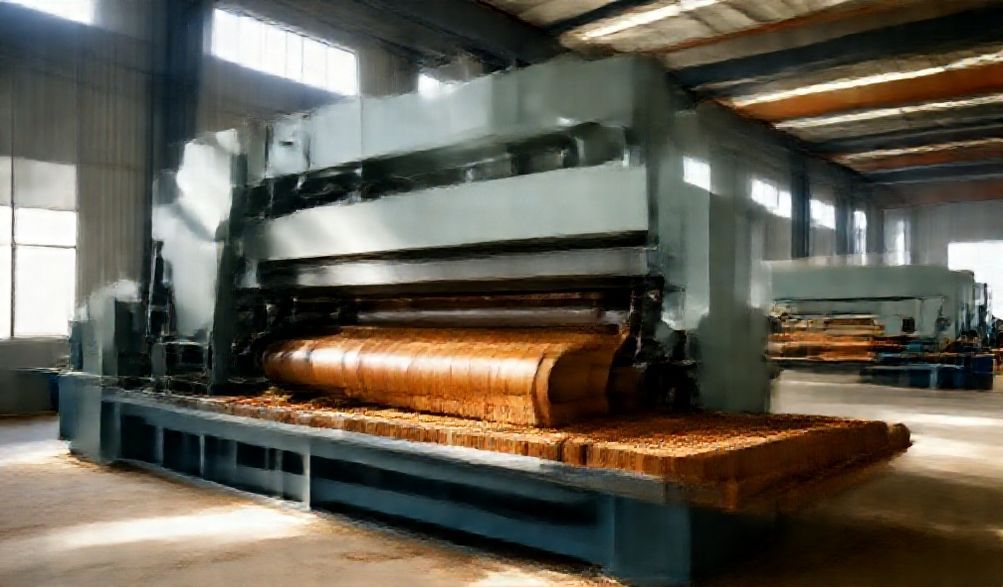
Gid Definitif pou Faktori Machin Fabrikasyon Brik Tè nan Lachin
Entwodiksyon
Nan yon epòk ki defini pa konsyans klima ak yon rechèch pou solisyon abòdab pou lojman, ansyen teknik konstriksyon ap viv yon renesans pwisan. Blòk tè konprese (CEBs), oswa brik labou, kanpe nan premye liy mouvman sa a. Yo ofri dirabilite san parèy, mas tèmik enkwayab, ak enèji enkòpore siyifikativman pi ba konpare ak brik kuit oswa konkrè.
Men, pou bòs mason, ONG devlopman, antreprenè sosyal, ak kontraktè ki pare pou eksplwate potansyèl sa a, yon gwo obstak parèt: jwenn machin ki fyab, efikas, ak ki pri abòdab. Espas ki genyen ant yon pwojè vizyonè ekobati ak reyalizasyon li souvan plen ak kesyon sou kalite ekipman, kapasite pwodiksyon, ak sipò teknik.
Se la ekosistèm endistriyèl Lachin antre nan jwèt la. Li te vin sant mondyal san diskisyon pou fabrikasyon machin pou fè brik nan labou, ki satisfè tout bezwen—depi yon prens senp manyèl pou yon pwojè kominotè rive nan yon plant idwolik konplètman otomatize pou pwodiksyon komèsyal.
Men, navige nan vaste mache sa a ka fè ou santi w pè. Gid final sa a pa baze sou sipozisyon, men sou yon analiz pwofondi nan endistri a, sou pwotokòl etabli pou angajman ak faktori, ak sou ekspètiz akizisyon ki te vin difisil. Objektif nou se ekipe ou ak konesans pou pran desizyon ki enfòme, asire, ak fyab. Ou pral aprann kijan pou idantifye faktori ki gen bon repitasyon, konprann diferan kalite machin yo, navige nan pwosesis akizisyon an, ak kalkile vre pri envestisman ou an.
Poukisa ou ta dwe achte machin pou fè brik nan tè soti nan Lachin?
Chwazi yon destinasyon pou apwovizyone se yon desizyon estratejik. Pou machin brik tè, Lachin prezante yon ka konvenkan ki baze sou echèl, inovasyon, ak valè ki difisil pou jwenn yon lòt kote.
Echèl Manifakti San Parèy ak Gwoup Endistriyèl
Fòs Lachin sitou nan konsantrasyon gwoup endistri li yo. Zòn kle tankou...Shandong, Henan, ak Fujianyo gen rezo dans nan fonderi, founisè konpozan idwolik, ak plant asanble espesyalize.
- Konsantrasyon sa a kreye yon sinèji pwisan.
- Faktori yo benefisye de chèn ekipman ki pi efikas, ki redwi pri konpozan yo ak tan livrezon yo.
- Pou ou, sa tradui nan pri pi konpetitif ak pi gwo efikasite nan fabrikasyon ak ranplasman pyès apre lavant.
Spect nan Teknoloji ak Inovasyon
Mache Chinwa a pa monolitik. Li ofri yon echèl teknolojik konplè:
- Solisyon Debaz:Pwès manyèl ak semi-otomatik solid, pafè pou pwojè ki gen volim ba oswa ki pa konekte ak rezo elektrik.
- Sistèm Avanse:Trè pwogramab, liy idwolik konplètman otomatik ak pwodiksyon ki rive jis plizyè milye brik pa èdtan.
- Inovasyon Espesyalize:Faktori yo kontinyèlman adapte desen pou divès kalite tè (tè ki gen anpil ajil, sab, laterit) ak ajan stabilizan (tankou siman oswa lacho), yo ofri machin espesyalman pou pwodwi blòk tè entèbloke ki estab (ISEBs).
Konsiderasyon sou Efikasite Pri ak Retou sou Envestisman
Envestisman kapital inisyal la souvan se faktè ki pi konvenkan. Yon machin otomatik idwolik brik ki konparab ki soti nan Ewòp oswa Amerik di Nò ka koute plizyè fwa pri kontrepati Chinwa li yo.
- Pwen antre sa a ki pi ba amelyore anpil Retou sou Envestisman (ROI) pou biznis ou oswa pwojè ou.
- Yon vizyon global souPri Total Posesesyon (TCO)Li esansyèl. Pandan pri machin nan pi ba, ou dwe reflechi byen sou:
- Anbake entènasyonal ak asirans.
- Dwa ak fason pou pase nan douan nan peyi ou.
- Depans potansyèl pou sipèvizyon enstalasyon.
- Menm ak depans sa yo ajoute, depans total la anjeneral rete trè avantaje.
Kalite Machin pou Fè Brik an Tè ki Fèt an Chin
Konprann kategori machin ki disponib yo se premye etap pou ou defini bezwen ou yo.
Pwès Manyèl ak Semi-Otomatik
Sa yo se chwal travay pou konstriksyon ti echèl ak kominotè.
- Ideal Pou:Amateur brikole, ti plantasyon, pwojè lojman ki dirije pa kominote a, ak ONG ki gen inisyativ ki mande anpil menmaje men ki gen ti kapital.
- Operasyon:Depann sou levaj imen (manyèl) oswa yon ti motè elektrik pou konpresyon (semi-otomatik). Souvan mobil epi li pa mande pou fondasyon konplèks.
- Sòti:An jeneral, 300 a 800 brik pou chak jou 8 èdtan.
- Pri:Trè aksesib, jeneralman soti nan$1,000 a $5,000.
Machin Fè Brik Idwolik Otomatik Konplè
Sa a se chwa pou pwofitabilite komèsyal ak pwodiksyon bon jan kalite ki konsistan.
- Ideal Pou:Biznis ki ap founi brik pou konpayi konstriksyon, gwo pwojè devlopman, ak antreprenè ki vize pou pwodiksyon gwo volim.
- Operasyon:Entegre sistèm manje, konpresyon, ak jete. Yon inite idwolik santral ak Kontwolè Lojik Pwograme (PLC) otomatize tout sik la. Ofri kontwòl egzak sou dansite ak fòm brik yo.
- Sòti:Soti nan1,000 rive 5,000 brik pa èdtan, selon modèl ak gwosè brik la.
- Pri:Envestisman enpòtan, soti nan$15,000 a $80,000+.
Machin Espesyalize: Machin Blòk Antrekanpe & Inite Mobil
- Blòk Entèloke Machin Brik sa yo fèt ak rid ak rainure ki fèt pou yo kole ansanm san mòtye. Sa a akselere konstriksyon an, diminye bezwen travayè kalifye, epi amelyore rezistans sismik. Yo se yon sou-kategori popilè nan tou de machin semi-otomatik ak otomatik.
- Inite Mobil yo:Monte sou yon chasi trelè, machin sa yo ka trennen dirèkteman sou yon sit konstriksyon. Yo elimine depans transpò brik, sa pèmèt pwodiksyon dirèkteman kote tè a fouye. Pafè pou gwo pwojè aleka tankou konstriksyon baraj, konstriksyon wout, oswa gwo rezidans.
Kijan Pou Idantifye Faktori Chinwa ki Repitab
With thousands of suppliers online, separating credible partners from trading companies or unreliable workshops is critical.
Verifying Factory Credentials and Experience
Start with the fundamentals. A legitimate factory should transparently provide:
- Business License: Verify its scope includes “manufacturing” and “export.”
- Sètifikasyon yo: While not always mandatory, ISO 9001 for quality management is a strong positive indicator.
- Patents: Look for patents on machine design or key components—a sign of R&D investment.
- History: A track record of 8-10+ years in heavy machinery manufacturing suggests stability and experience.
- Export Proof: Request documented evidence of past exports (blurred commercial invoices or port records) to your region or similar markets.
Evaluating Technical Expertise and R&D
The quality of the machine is determined in the engineering office. Probe their technical depth:
- In-House Team: Do they have mechanical, hydraulic, and electrical engineers on staff?
- Pèsonalizasyon: Will they modify standard designs based on your soil test report?
- Documentation: Request samples of their English manuals, electrical diagrams, and parts lists. Professional documentation reflects a professional operation.
- Material Guidance: A good supplier will advise on optimal soil mix ratios and moisture content for their machine.
The Critical Role of Factory Audits and Virtual Tours
A physical audit is ideal, but a rigorous virtual process is highly effective.
- Due Diligence Checklist: Create a list of items to verify: workshop size, inventory of raw materials (steel plate, hydraulic cylinders), quality control stations, and testing areas.
- Live Video Tour: Insist on a real-time video call, not a pre-recorded video. Walk through the production floor, ask to see welding quality, and observe assembly lines.
- Live Machine Test: The gold standard. Request a live demonstration where they produce bricks, preferably using a soil sample similar to yours. Observe the machine’s operation, brick ejection, and final brick quality.
The Procurement Process: From Inquiry to Delivery
A structured approach minimizes risk and ensures clarity for both parties.
Crafting a Detailed Inquiry and Getting Quotes
A vague inquiry gets vague quotes. Provide a clear specification sheet:
- Desired brick size (L x W x H) and type (solid, hollow, interlocking).
- Soil characteristics (provide a soil test report if available).
- Required production capacity (bricks per day/hour).
- Available power source (voltage, phase, e.g., 380V/3Phase/50Hz).
- Level of automation (manual, semi-auto, full-auto).
- Analyze the Proforma Invoice (PI) carefully. It should detail the machine specs, payment terms, warranty, delivery time, and shipping terms.
Navigating Communication, Contracts, and Payment Terms
- Communication: Use clear, simple English. Confirm important details in writing (email). Tools like WeChat are common but ensure formal agreements are emailed.
- Contract: The PI, once accepted, becomes a contract. Ensure it includes all agreed-upon specs, a detailed warranty clause, a firm delivery date, and penalties for significant delays.
- Payment Terms: The most common and secure structure is:
- 30% deposit via T/T (Telegraphic Transfer) to confirm the order.
- 70% balance paid before shipment, after you receive and approve photos/videos of the finished, packed machine.
Quality Control, Shipping, and After-Sales Support
- Pre-Shipment Inspection (PSI): For orders over $20,000, hiring a local third-party QC agent (e.g., SGS, BV, or a reputable freelancer) is highly recommended. They will check construction quality, perform a test run, and verify packing.
- Shipping Terms:
- FOB (Free On Board): You control the shipping and bear the cost and risk from the Chinese port onward. Offers more control and often lower freight costs.
- CIF (Pri, Asirans, ak Fret): The supplier arranges and pays for shipping to a port in your country. Simpler but usually more expensive.
- Apre Vann: Evaluate their support package:
- Garanti: Typically 12 months for core parts (excluding wear items like molds).
- Pye De Rechanj: Are parts readily available? What is the pricing?
- Sipò Teknik: Do they provide online support (video call)? Will they send an engineer for installation (at an additional cost)?
Key Considerations Before Placing Your Order
Soil Testing and Machine Compatibility
This is the single most important technical step. Machine performance is intrinsically linked to your local soil.
- Conduct a professional soil analysis to determine its composition (clay, silt, sand content) and plasticity.
- Share this report with your shortlisted factories. Their recommendation on machine pressure and necessary mix additives (e.g., 5-10% cement) is a key test of their expertise.
Calculating Total Project Cost (Beyond the Machine Price)
Avoid budget surprises by modeling all costs:
- Machine Price (FOB or CIF).
- Shipping & Marine Insurance (if FOB).
- Import Duties & Taxes (varies by country; consult a local customs broker).
- Inland Transportation from your port to site.
- Installation & Commissioning (factory engineer travel or local technician fees).
- Initial Stock of Spare Parts and Wear Parts (molds, hydraulic seals).
Planning for Installation, Training, and Maintenance
- Installation: Discuss if the machine requires a special foundation. Clarify who will assemble it—your local team with remote guidance, or a factory engineer?
- Fòmasyon: Ensure comprehensive operational and safety training is part of the deal, either via detailed videos/manuals or on-site instruction.
- Maintenance Spares: Order a critical spare parts kit with the machine. This should include spare hydraulic hoses, seals, relays, and a mold or two.
FAQ Section
Q1: What is the average price range for a mud brick making machine from China?
A: Prices vary dramatically with specifications. Manual presses range from $1,000 a $5,000. Semi-automatic machines range from $5,000 to $15,000. Fully automatic hydraulic production lines start around $15,000 and can exceed $80,000 for large, customized systems.
Q2: Can Chinese machines handle different types of soil, like clay or sandy soil?
A: Yes, but proper configuration is essential. Reputable factories will adjust the machine’s compression ratio, moisture control systems, and even mold design based on your soil analysis report. Sandy soil may require more stabilization (cement/lime) and different pressure settings than clay-rich soil.
Q3: How do I ensure the machine quality without visiting the factory?
A: Implement a multi-step verification: 1) Insist on a live video machine test, 2) Scrutinize all certifications and export records, 3) Contact provided references from your region, 4) For significant orders, hire a third-party inspection company for a pre-shipment check.
Q4: What is the typical lead time and warranty period?
A: Lead times vary: 15-30 days for standard models in stock, 45-60 days for standard production, and up to 90 days for highly customized lines. The standard warranty is 12 months for core components (engine, hydraulic cylinder, PLC), excluding consumable wear parts like molds.
Q5: Do factories provide installation guides and operational training?
A: Professional suppliers provide comprehensive English manuals, electrical schematics, and parts catalogs. Most offer detailed instructional videos. On-site installation and training by a factory engineer can almost always be negotiated for an additional fee covering their travel and time.
Konklizyon
Sourcing a mud brick making machine from China represents a strategic opportunity to access advanced, scalable technology at a transformative price point. The journey’s success hinges on meticulous preparation—from understanding your soil to thoroughly vetting factories on their technical merit and transparency, not just their initial price quote.
Remember, you are not just buying a machine; you are forming a technical partnership. Prioritize suppliers who demonstrate a commitment to engineering excellence and clear communication. Treat the procurement process with the diligence it deserves: define your specs, conduct live virtual audits, and secure clear contractual terms.
Ready to take the next step? Begin by preparing a detailed project specification sheet outlining your brick requirements, soil conditions, and production goals. Use this guide as a framework to engage with a shortlist of pre-vetted factories. By investing time in this foundational phase, you are paving the way for a successful project that will deliver sustainable, affordable building materials for years to come, making a tangible positive impact on your local environment and economy.
<