
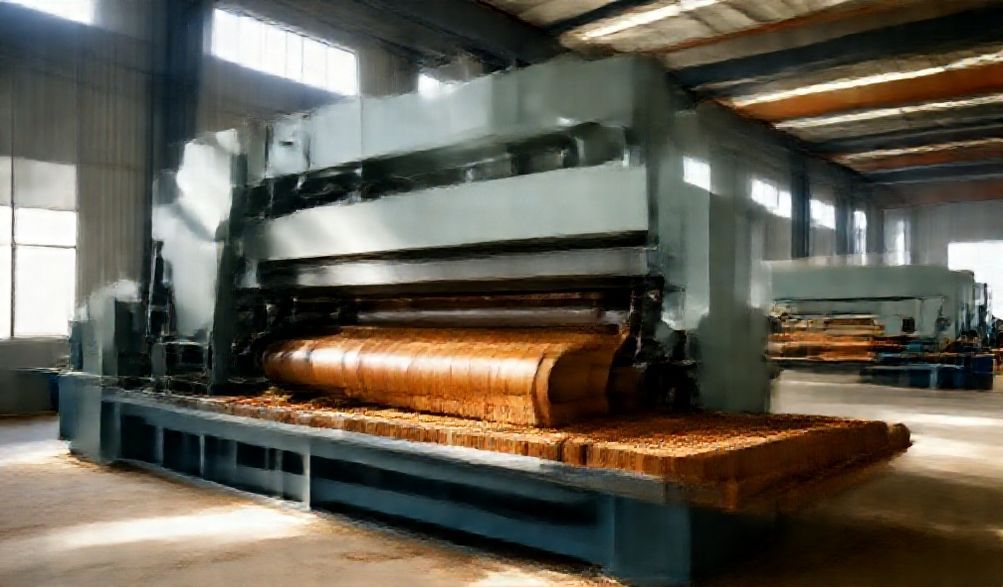
중국 진흙 벽돌 제조 기계 공장의 궁극적인 가이드
소개
기후 의식이 중요해지고 경제적인 주거 해법을 모색하는 시대에 고대 건축 기술이 강력한 르네상스를 맞고 있습니다. 압축 흙 블록(CEB), 즉 진흙 벽돌이 이 움직임의 최전선에 서 있습니다. 이들은 소성 벽돌이나 콘크리트에 비해 탁월한 지속가능성, 놀라운 축열 능력, 그리고 훨씬 낮은 탄소 배출량을 제공합니다.
그러나 이러한 잠재력을 활용할 준비가 된 건설업자, 개발 NGO, 사회적 기업가 및 계약자들에게는 신뢰할 수 있고 효율적이며 비용 효율적인 장비를 조달하는 데 상당한 장벽이 존재합니다. 비전 있는 친환경 건축 프로젝트와 그 실현 사이의 간극은 종종 장비 품질, 생산 능력 및 기술 지원에 대한 의문으로 채워집니다.
이것이 중국의 산업 생태계가 중요한 역할을 하는 지점입니다. 중국은 이제 단순한 지역 사회 프로젝트용 수동 프레스부터 상업적 생산을 위한 완전 자동화된 유압 설비에 이르기까지 모든 요구를 충족시키며, 진흙 벽돌 제작 기계의 제조 분야에서 의심의 여지 없는 글로벌 중심지로 자리매김했습니다.
그러나 이 광활한 시장을 탐색하는 것은 어려울 수 있습니다. 이 궁극적인 가이드는 추측이 아닌 심층적인 산업 분석, 확립된 공장 협력 프로토콜, 그리고 노력 끝에 얻은 조달 전문 지식을 바탕으로 작성되었습니다. 우리의 목표는 여러분이 정보에 기반한, 확신에 찬, 신뢰할 수 있는 결정을 내릴 수 있도록 지식을 제공하는 것입니다. 여러분은 신뢰할 수 있는 공장을 식별하는 방법, 다양한 유형의 기계를 이해하는 방법, 조달 과정을 탐색하는 방법, 그리고 투자의 실제 비용을 계산하는 방법을 배우게 될 것입니다.
중국에서 진흙 벽돌 기계를 구매하는 이유는 무엇인가요?
원료 조달지 선택은 전략적 결정입니다. 진흙 벽돌 기계의 경우, 중국은 규모, 혁신, 가치 측면에서 타 지역과 비교하기 어려운 강력한 경쟁력을 갖추고 있습니다.
비교할 수 없는 제조 규모와 산업 클러스터
중국의 강점은 집중된 산업 클러스터에 있습니다. 장강 삼각주, 주강 삼각주, 베이징-톈진-허베이 지역과 같은 주요 지역은...산둥, 허난, 푸젠주조 공장, 유압 부품 공급업체, 전문화된 조립 공장의 밀집 네트워크를 갖추고 있습니다.
- 이 집중은 강력한 시너지를 창출합니다.
- 공장들은 효율화된 공급망을 통해 부품 비용과 납기 시간을 줄여 이익을 얻습니다.
- 당신에게 이는 더욱 경쟁력 있는 가격과 제조 및 애프터서비스 부품 교체에서의 더 큰 효율성을 의미합니다.
기술과 혁신의 스펙트럼
중국 시장은 단일한 구조가 아닙니다. 완전한 기술 사다리를 제공합니다.
- 기본 솔루션:낮은 생산량 또는 오프 그리드 프로젝트에 완벽한 견고한 수동 및 반자동 프레스.
- 고급 시스템:고도로 프로그래밍 가능하며, 시간당 수천 개의 벽돌을 생산할 수 있는 완전 자동화된 유압 라인.
- 전문화된 혁신공장들은 다양한 토양 유형(점토질, 모래질, 라테라이트)과 안정제(시멘트나 석회 같은)에 맞춰 설계를 지속적으로 조정하며, 특히 인터로킹 안정화 흙 블록(ISEB) 생산에 특화된 기계들을 제공합니다.
비용 효율성과 투자 수익률(ROI) 고려 사항
초기 자본 투자는 종종 가장 설득력 있는 요소입니다. 유럽이나 북미의 유사한 자동 하이드롤릭 벽돌 제조기는 중국 제품보다 수 배나 비쌀 수 있습니다.
- 이 낮은 진입점은 귀하의 비즈니스나 프로젝트에 대한 투자 수익률(ROI)을 극적으로 향상시킵니다.
- 전체적인 관점에서의총 소유 비용 (TCO)중요합니다. 기계 가격이 더 낮더라도 다음과 같은 요소를 신중하게 고려해야 합니다:
- 국제 운송 및 보험.
- 귀국의 관세 및 통관 절차
- 설치 감독에 대한 잠재적 비용
- 이러한 추가 비용이 있더라도, 총 지출은 일반적으로 여전히 매우 유리합니다.
중국산 진흙 벽돌 제조 기계의 종류
사용 가능한 기계의 범주를 이해하는 것은 요구 사항을 명시하는 첫 번째 단계입니다.
수동 및 반자동 프레스
이것들은 소규모 및 지역사회 중심 건축의 핵심 동력입니다.
- 이상적인 대상:취미로 직접 만드는 사람들, 소규모 자급자족 농장, 지역사회 주도의 주택 프로젝트, 그리고 노동 집약적이지만 자본은 적게 드는 사업을 하는 비정부기구들.
- 작전:인간의 힘(수동) 또는 소형 전동 모터를 이용한 압축(반자동)에 의존합니다. 종종 이동식이며 복잡한 기초 공사가 필요하지 않습니다.
- 출력:일반적으로 8시간 근무일 기준 300~800개의 벽돌을 생산합니다.
- 가격 범위:매우 접근하기 쉬우며, 일반적으로1,000달러에서 5,000달러.
완전 자동 수력 벽돌 제작 기계
This is the choice for commercial profitability and consistent, high-quality output.
- 이상적인 대상: Businesses supplying bricks for construction companies, large-scale development projects, and entrepreneurs aiming for high-volume production.
- 작전: Integrates feeding, compression, and ejection systems. A central hydraulic power unit and Programmable Logic Controller (PLC) automate the entire cycle. Offers precise control over brick density and shape.
- 출력:범위는1,000 to over 5,000 bricks per hour, depending on model and brick size.
- 가격 범위: Significant investment, from $15,000 to $80,000+.
Specialized Machines: Interlocking Block Machines & Mobile Units
- 인터록킹 블록 머신: These produce bricks with designed ridges and grooves that lock together without mortar. This speeds up construction, reduces skilled labor needs, and enhances seismic resistance. They are a popular sub-category of both semi-automatic and automatic machines.
- Mobile Units: Built on a trailer chassis, these machines can be towed directly to a construction site. They eliminate brick transportation costs, allowing production directly where the soil is excavated. Perfect for large, remote projects like dam construction, road building, or large housing estates.
How to Identify Reputable Chinese Factories
With thousands of suppliers online, separating credible partners from trading companies or unreliable workshops is critical.
Verifying Factory Credentials and Experience
Start with the fundamentals. A legitimate factory should transparently provide:
- Business License: Verify its scope includes “manufacturing” and “export.”
- 자격증: While not always mandatory, ISO 9001 for quality management is a strong positive indicator.
- Patents: Look for patents on machine design or key components—a sign of R&D investment.
- History: A track record of 8-10+ years in heavy machinery manufacturing suggests stability and experience.
- Export Proof: Request documented evidence of past exports (blurred commercial invoices or port records) to your region or similar markets.
Evaluating Technical Expertise and R&D
The quality of the machine is determined in the engineering office. Probe their technical depth:
- In-House Team: Do they have mechanical, hydraulic, and electrical engineers on staff?
- 맞춤 설정: Will they modify standard designs based on your soil test report?
- Documentation: Request samples of their English manuals, electrical diagrams, and parts lists. Professional documentation reflects a professional operation.
- Material Guidance: A good supplier will advise on optimal soil mix ratios and moisture content for their machine.
The Critical Role of Factory Audits and Virtual Tours
A physical audit is ideal, but a rigorous virtual process is highly effective.
- Due Diligence Checklist: Create a list of items to verify: workshop size, inventory of raw materials (steel plate, hydraulic cylinders), quality control stations, and testing areas.
- Live Video Tour: Insist on a real-time video call, not a pre-recorded video. Walk through the production floor, ask to see welding quality, and observe assembly lines.
- Live Machine Test: The gold standard. Request a live demonstration where they produce bricks, preferably using a soil sample similar to yours. Observe the machine’s operation, brick ejection, and final brick quality.
The Procurement Process: From Inquiry to Delivery
A structured approach minimizes risk and ensures clarity for both parties.
Crafting a Detailed Inquiry and Getting Quotes
A vague inquiry gets vague quotes. Provide a clear specification sheet:
- Desired brick size (L x W x H) and type (solid, hollow, interlocking).
- Soil characteristics (provide a soil test report if available).
- Required production capacity (bricks per day/hour).
- Available power source (voltage, phase, e.g., 380V/3Phase/50Hz).
- Level of automation (manual, semi-auto, full-auto).
- Analyze the Proforma Invoice (PI) carefully. It should detail the machine specs, payment terms, warranty, delivery time, and shipping terms.
Navigating Communication, Contracts, and Payment Terms
- Communication: Use clear, simple English. Confirm important details in writing (email). Tools like WeChat are common but ensure formal agreements are emailed.
- Contract: The PI, once accepted, becomes a contract. Ensure it includes all agreed-upon specs, a detailed warranty clause, a firm delivery date, and penalties for significant delays.
- Payment Terms: The most common and secure structure is:
- 30% deposit via T/T (Telegraphic Transfer) to confirm the order.
- 70% balance paid before shipment, after you receive and approve photos/videos of the finished, packed machine.
Quality Control, Shipping, and After-Sales Support
- Pre-Shipment Inspection (PSI): For orders over $20,000, hiring a local third-party QC agent (e.g., SGS, BV, or a reputable freelancer) is highly recommended. They will check construction quality, perform a test run, and verify packing.
- Shipping Terms:
- FOB (본선 인도 조건): You control the shipping and bear the cost and risk from the Chinese port onward. Offers more control and often lower freight costs.
- 비용, 보험 및 운임 포함(CIF): The supplier arranges and pays for shipping to a port in your country. Simpler but usually more expensive.
- After-Sales: Evaluate their support package:
- 보증: Typically 12 months for core parts (excluding wear items like molds).
- 예비 부품: Are parts readily available? What is the pricing?
- 기술 지원 Do they provide online support (video call)? Will they send an engineer for installation (at an additional cost)?
Key Considerations Before Placing Your Order
Soil Testing and Machine Compatibility
This is the single most important technical step. Machine performance is intrinsically linked to your local soil.
- Conduct a professional soil analysis to determine its composition (clay, silt, sand content) and plasticity.
- Share this report with your shortlisted factories. Their recommendation on machine pressure and necessary mix additives (e.g., 5-10% cement) is a key test of their expertise.
Calculating Total Project Cost (Beyond the Machine Price)
Avoid budget surprises by modeling all costs:
- Machine Price (FOB or CIF).
- Shipping & Marine Insurance (if FOB).
- Import Duties & Taxes (varies by country; consult a local customs broker).
- Inland Transportation from your port to site.
- Installation & Commissioning (factory engineer travel or local technician fees).
- Initial Stock of Spare Parts and Wear Parts (molds, hydraulic seals).
Planning for Installation, Training, and Maintenance
- Installation: Discuss if the machine requires a special foundation. Clarify who will assemble it—your local team with remote guidance, or a factory engineer?
- 훈련 Ensure comprehensive operational and safety training is part of the deal, either via detailed videos/manuals or on-site instruction.
- Maintenance Spares: Order a critical spare parts kit with the machine. This should include spare hydraulic hoses, seals, relays, and a mold or two.
FAQ Section
Q1: What is the average price range for a mud brick making machine from China?
A: Prices vary dramatically with specifications. Manual presses range from 1,000달러에서 5,000달러. Semi-automatic machines range from 5,000달러에서 15,000달러. Fully automatic hydraulic production lines start around $15,000 and can exceed $80,000 for large, customized systems.
Q2: Can Chinese machines handle different types of soil, like clay or sandy soil?
A: Yes, but proper configuration is essential. Reputable factories will adjust the machine’s compression ratio, moisture control systems, and even mold design based on your soil analysis report. Sandy soil may require more stabilization (cement/lime) and different pressure settings than clay-rich soil.
Q3: How do I ensure the machine quality without visiting the factory?
A: Implement a multi-step verification: 1) Insist on a live video machine test, 2) Scrutinize all certifications and export records, 3) Contact provided references from your region, 4) For significant orders, hire a third-party inspection company for a pre-shipment check.
Q4: What is the typical lead time and warranty period?
A: Lead times vary: 15-30 days for standard models in stock, 45-60 days for standard production, and up to 90 days for highly customized lines. The standard warranty is 12 months for core components (engine, hydraulic cylinder, PLC), excluding consumable wear parts like molds.
Q5: Do factories provide installation guides and operational training?
A: Professional suppliers provide comprehensive English manuals, electrical schematics, and parts catalogs. Most offer detailed instructional videos. On-site installation and training by a factory engineer can almost always be negotiated for an additional fee covering their travel and time.
결론
Sourcing a mud brick making machine from China represents a strategic opportunity to access advanced, scalable technology at a transformative price point. The journey’s success hinges on meticulous preparation—from understanding your soil to thoroughly vetting factories on their technical merit and transparency, not just their initial price quote.
Remember, you are not just buying a machine; you are forming a technical partnership. Prioritize suppliers who demonstrate a commitment to engineering excellence and clear communication. Treat the procurement process with the diligence it deserves: define your specs, conduct live virtual audits, and secure clear contractual terms.
Ready to take the next step? Begin by preparing a detailed project specification sheet outlining your brick requirements, soil conditions, and production goals. Use this guide as a framework to engage with a shortlist of pre-vetted factories. By investing time in this foundational phase, you are paving the way for a successful project that will deliver sustainable, affordable building materials for years to come, making a tangible positive impact on your local environment and economy.
<