
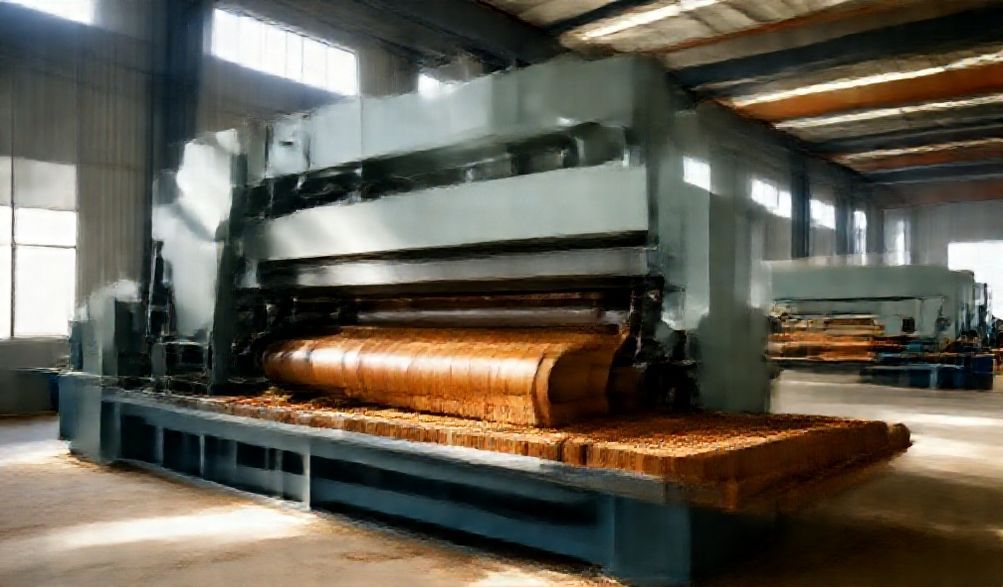
La Guía Definitiva de las Fábricas de Máquinas para Hacer Ladrillos de Adobe en China
Introducción
En una era definida por la conciencia climática y la búsqueda de soluciones de vivienda asequibles, las técnicas de construcción antiguas están experimentando un poderoso renacimiento. Los bloques de tierra comprimida (BTC), o ladrillos de adobe, se encuentran a la vanguardia de este movimiento. Ofrecen una sostenibilidad inigualable, una masa térmica increíble y una energía incorporada significativamente menor en comparación con los ladrillos cocidos o el concreto.
Sin embargo, para constructores, ONG de desarrollo, emprendedores sociales y contratistas dispuestos a aprovechar este potencial, surge un obstáculo significativo: obtener maquinaria confiable, eficiente y rentable. La brecha entre un proyecto visionario de construcción ecológica y su realización a menudo se llena de preguntas sobre la calidad del equipo, la capacidad de producción y el soporte técnico.
Aquí es donde el ecosistema industrial de China entra en escena. Se ha convertido en el epicentro global indiscutible para la fabricación de máquinas de adobe, atendiendo cada necesidad: desde una prensa manual sencilla para un proyecto comunitario, hasta una planta hidráulica completamente automatizada para producción comercial.
Sin embargo, navegar por este vasto mercado puede ser abrumador. Esta guía definitiva está elaborada no a partir de especulaciones, sino de un profundo análisis de la industria, protocolos establecidos de vinculación con fábricas y una experiencia en adquisiciones ganada con esfuerzo. Nuestro objetivo es brindarte el conocimiento necesario para tomar decisiones informadas, seguras y confiables. Aprenderás a identificar fábricas reputadas, comprender los diferentes tipos de máquinas, manejar el proceso de adquisición y calcular el costo real de tu inversión.
¿Por qué abastecerse de máquinas para ladrillos de adobe de China?
Elegir un destino de abastecimiento es una decisión estratégica. Para maquinaria de ladrillos de adobe, China presenta un caso convincente basado en escala, innovación y valor que es difícil de igualar en otros lugares.
Escala de Fabricación Inigualable y Clústeres Industriales
La fortaleza de China radica en sus concentrados clústeres industriales. Regiones clave como...Shandong, Henan y Fujianalbergan densas redes de fundiciones, proveedores de componentes hidráulicos y plantas de ensamblaje especializadas.
- Esta concentración crea una poderosa sinergia.
- Las fábricas se benefician de cadenas de suministro optimizadas, lo que reduce los costos de los componentes y los tiempos de entrega.
- Para ti, esto se traduce en precios más competitivos y una mayor eficiencia en la fabricación y el reemplazo de piezas posventa.
Espectro de Tecnología e Innovación
El mercado chino no es monolítico. Ofrece una escalera tecnológica completa:
- Soluciones Básicas:Prensas manuales y semiautomáticas robustas, perfectas para proyectos de bajo volumen o fuera de la red.
- Sistemas Avanzados:Líneas hidráulicas altamente programables y completamente automáticas, con producciones que alcanzan miles de ladrillos por hora.
- Innovación Especializada:Las fábricas adaptan continuamente los diseños para diversos tipos de suelo (ricos en arcilla, arenosos, laterita) y agentes estabilizadores (como cemento o cal), ofreciendo máquinas específicas para producir Bloques de Tierra Estabilizada Entrelazados (BTEE).
Consideraciones de Rentabilidad y Retorno de la Inversión
La inversión de capital inicial suele ser el factor más persuasivo. Una máquina automática hidráulica para fabricar ladrillos comparable, proveniente de Europa o América del Norte, puede costar múltiplos de su contraparte china.
- Este punto de entrada más bajo mejora drásticamente el Retorno de la Inversión (ROI) para su negocio o proyecto.
- Una visión integral de laCosto Total de Propiedad (CTP)es crucial. Si bien el precio de la máquina es más bajo, debes considerar cuidadosamente:
- Envíos internacionales y seguros.
- Aranceles de importación y despacho aduanal en tu país.
- Costos potenciales por supervisión de instalación.
- Incluso con estos costos adicionales, el gasto total generalmente sigue siendo muy ventajoso.
Tipos de Máquinas para Fabricar Ladrillos de Adobe Hechas en China
Comprender las categorías de maquinaria disponibles es el primer paso para especificar sus necesidades.
Prensas Manuales y Semiautomáticas
Estos son los caballos de batalla de la construcción a pequeña escala y centrada en la comunidad.
- Ideal Para:Aficionados al bricolaje, pequeñas granjas familiares, proyectos de vivienda liderados por la comunidad y ONG con iniciativas que requieren mucha mano de obra pero poco capital.
- Operación:Depende de la palanca humana (manual) o de un pequeño motor eléctrico para la compresión (semi-automático). Suele ser móvil y no requiere una base compleja.
- Salida:Típicamente de 300 a 800 ladrillos por día de 8 horas.
- Rango de Precios: Very accessible, generally from $1,000 to $5,000.
Fully Automatic Hydraulic Brick Making Machines
This is the choice for commercial profitability and consistent, high-quality output.
- Ideal Para: Businesses supplying bricks for construction companies, large-scale development projects, and entrepreneurs aiming for high-volume production.
- Operación: Integrates feeding, compression, and ejection systems. A central hydraulic power unit and Programmable Logic Controller (PLC) automate the entire cycle. Offers precise control over brick density and shape.
- Salida:Va desde1,000 to over 5,000 bricks per hour, depending on model and brick size.
- Rango de Precios: Significant investment, from $15,000 to $80,000+.
Specialized Machines: Interlocking Block Machines & Mobile Units
- Máquinas de Bloques de Entrelazado: These produce bricks with designed ridges and grooves that lock together without mortar. This speeds up construction, reduces skilled labor needs, and enhances seismic resistance. They are a popular sub-category of both semi-automatic and automatic machines.
- Mobile Units: Built on a trailer chassis, these machines can be towed directly to a construction site. They eliminate brick transportation costs, allowing production directly where the soil is excavated. Perfect for large, remote projects like dam construction, road building, or large housing estates.
How to Identify Reputable Chinese Factories
With thousands of suppliers online, separating credible partners from trading companies or unreliable workshops is critical.
Verifying Factory Credentials and Experience
Start with the fundamentals. A legitimate factory should transparently provide:
- Business License: Verify its scope includes “manufacturing” and “export.”
- Certificaciones: While not always mandatory, ISO 9001 for quality management is a strong positive indicator.
- Patents: Look for patents on machine design or key components—a sign of R&D investment.
- History: A track record of 8-10+ years in heavy machinery manufacturing suggests stability and experience.
- Export Proof: Request documented evidence of past exports (blurred commercial invoices or port records) to your region or similar markets.
Evaluating Technical Expertise and R&D
The quality of the machine is determined in the engineering office. Probe their technical depth:
- In-House Team: Do they have mechanical, hydraulic, and electrical engineers on staff?
- Personalización: Will they modify standard designs based on your soil test report?
- Documentation: Request samples of their English manuals, electrical diagrams, and parts lists. Professional documentation reflects a professional operation.
- Material Guidance: A good supplier will advise on optimal soil mix ratios and moisture content for their machine.
The Critical Role of Factory Audits and Virtual Tours
A physical audit is ideal, but a rigorous virtual process is highly effective.
- Due Diligence Checklist: Create a list of items to verify: workshop size, inventory of raw materials (steel plate, hydraulic cylinders), quality control stations, and testing areas.
- Live Video Tour: Insist on a real-time video call, not a pre-recorded video. Walk through the production floor, ask to see welding quality, and observe assembly lines.
- Live Machine Test: The gold standard. Request a live demonstration where they produce bricks, preferably using a soil sample similar to yours. Observe the machine’s operation, brick ejection, and final brick quality.
The Procurement Process: From Inquiry to Delivery
A structured approach minimizes risk and ensures clarity for both parties.
Crafting a Detailed Inquiry and Getting Quotes
A vague inquiry gets vague quotes. Provide a clear specification sheet:
- Desired brick size (L x W x H) and type (solid, hollow, interlocking).
- Soil characteristics (provide a soil test report if available).
- Required production capacity (bricks per day/hour).
- Available power source (voltage, phase, e.g., 380V/3Phase/50Hz).
- Level of automation (manual, semi-auto, full-auto).
- Analyze the Proforma Invoice (PI) carefully. It should detail the machine specs, payment terms, warranty, delivery time, and shipping terms.
Navigating Communication, Contracts, and Payment Terms
- Communication: Use clear, simple English. Confirm important details in writing (email). Tools like WeChat are common but ensure formal agreements are emailed.
- Contract: The PI, once accepted, becomes a contract. Ensure it includes all agreed-upon specs, a detailed warranty clause, a firm delivery date, and penalties for significant delays.
- Payment Terms: The most common and secure structure is:
- 30% deposit via T/T (Telegraphic Transfer) to confirm the order.
- 70% balance paid before shipment, after you receive and approve photos/videos of the finished, packed machine.
Quality Control, Shipping, and After-Sales Support
- Pre-Shipment Inspection (PSI): For orders over $20,000, hiring a local third-party QC agent (e.g., SGS, BV, or a reputable freelancer) is highly recommended. They will check construction quality, perform a test run, and verify packing.
- Shipping Terms:
- FOB (Franco a Bordo): You control the shipping and bear the cost and risk from the Chinese port onward. Offers more control and often lower freight costs.
- CIF (Costo, Seguro y Flete): The supplier arranges and pays for shipping to a port in your country. Simpler but usually more expensive.
- Servicio Postventa: Evaluate their support package:
- Garantía: Typically 12 months for core parts (excluding wear items like molds).
- Refacciones: Are parts readily available? What is the pricing?
- Soporte Técnico: Do they provide online support (video call)? Will they send an engineer for installation (at an additional cost)?
Key Considerations Before Placing Your Order
Soil Testing and Machine Compatibility
This is the single most important technical step. Machine performance is intrinsically linked to your local soil.
- Conduct a professional soil analysis to determine its composition (clay, silt, sand content) and plasticity.
- Share this report with your shortlisted factories. Their recommendation on machine pressure and necessary mix additives (e.g., 5-10% cement) is a key test of their expertise.
Calculating Total Project Cost (Beyond the Machine Price)
Avoid budget surprises by modeling all costs:
- Machine Price (FOB or CIF).
- Shipping & Marine Insurance (if FOB).
- Import Duties & Taxes (varies by country; consult a local customs broker).
- Inland Transportation from your port to site.
- Installation & Commissioning (factory engineer travel or local technician fees).
- Initial Stock of Spare Parts and Wear Parts (molds, hydraulic seals).
Planning for Installation, Training, and Maintenance
- Installation: Discuss if the machine requires a special foundation. Clarify who will assemble it—your local team with remote guidance, or a factory engineer?
- Entrenamiento: Ensure comprehensive operational and safety training is part of the deal, either via detailed videos/manuals or on-site instruction.
- Maintenance Spares: Order a critical spare parts kit with the machine. This should include spare hydraulic hoses, seals, relays, and a mold or two.
FAQ Section
Q1: What is the average price range for a mud brick making machine from China?
A: Prices vary dramatically with specifications. Manual presses range from $1,000 to $5,000. Semi-automatic machines range from $5,000 a $15,000. Fully automatic hydraulic production lines start around $15,000y puede exceder$80,000 for large, customized systems.
Q2: Can Chinese machines handle different types of soil, like clay or sandy soil?
A: Yes, but proper configuration is essential. Reputable factories will adjust the machine’s compression ratio, moisture control systems, and even mold design based on your soil analysis report. Sandy soil may require more stabilization (cement/lime) and different pressure settings than clay-rich soil.
Q3: How do I ensure the machine quality without visiting the factory?
A: Implement a multi-step verification: 1) Insist on a live video machine test, 2) Scrutinize all certifications and export records, 3) Contact provided references from your region, 4) For significant orders, hire a third-party inspection company for a pre-shipment check.
Q4: What is the typical lead time and warranty period?
A: Lead times vary: 15-30 days for standard models in stock, 45-60 days for standard production, and up to 90 days for highly customized lines. The standard warranty is 12 months for core components (engine, hydraulic cylinder, PLC), excluding consumable wear parts like molds.
Q5: Do factories provide installation guides and operational training?
A: Professional suppliers provide comprehensive English manuals, electrical schematics, and parts catalogs. Most offer detailed instructional videos. On-site installation and training by a factory engineer can almost always be negotiated for an additional fee covering their travel and time.
Conclusión
Sourcing a mud brick making machine from China represents a strategic opportunity to access advanced, scalable technology at a transformative price point. The journey’s success hinges on meticulous preparation—from understanding your soil to thoroughly vetting factories on their technical merit and transparency, not just their initial price quote.
Remember, you are not just buying a machine; you are forming a technical partnership. Prioritize suppliers who demonstrate a commitment to engineering excellence and clear communication. Treat the procurement process with the diligence it deserves: define your specs, conduct live virtual audits, and secure clear contractual terms.
Ready to take the next step? Begin by preparing a detailed project specification sheet outlining your brick requirements, soil conditions, and production goals. Use this guide as a framework to engage with a shortlist of pre-vetted factories. By investing time in this foundational phase, you are paving the way for a successful project that will deliver sustainable, affordable building materials for years to come, making a tangible positive impact on your local environment and economy.
<