
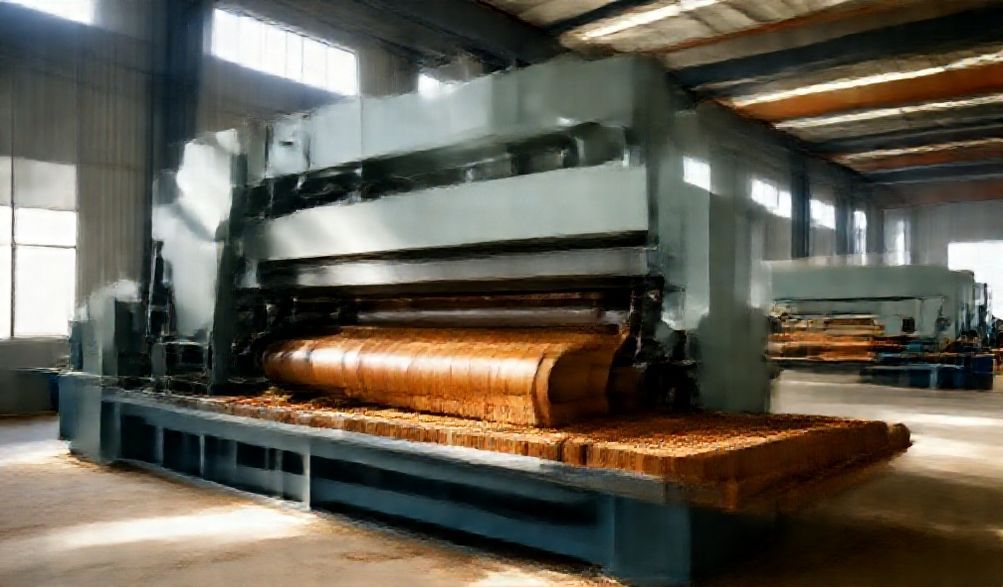
Panduan Utama untuk Pabrik Mesin Pembuat Batu Bata Lumpur di China
Pengantar
Di era yang ditandai dengan kesadaran iklim dan pencarian solusi perumahan terjangkau, teknik konstruksi kuno mengalami kebangkitan yang kuat. Blok tanah padat (CEB), atau bata lumpur, berada di garis depan gerakan ini. Mereka menawarkan keberlanjutan yang tak tertandingi, massa termal yang luar biasa, dan energi terwujud yang jauh lebih rendah dibandingkan bata bakar atau beton.
Namun, bagi para pembangun, LSM pembangunan, wirausaha sosial, dan kontraktor yang siap memanfaatkan potensi ini, sebuah hambatan besar muncul: mencari mesin-mesin yang andal, efisien, dan hemat biaya. Jarak antara proyek bangunan ramah lingkungan yang visioner dan realisasinya sering kali dipenuhi dengan pertanyaan tentang kualitas peralatan, kapasitas produksi, dan dukungan teknis.
Di sinilah ekosistem industri China berperan. Ia telah menjadi pusat global tak terbantahkan untuk pembuatan mesin bata lumpur, melayani setiap kebutuhan—dari alat tekan manual sederhana untuk proyek komunitas hingga pabrik hidrolik otomatis penuh untuk produksi komersial.
Namun, menavigasi pasar yang luas ini bisa terasa menakutkan. Panduan utama ini disusun bukan dari spekulasi, melainkan dari analisis industri mendalam, protokol keterlibatan pabrik yang mapan, dan keahlian pengadaan yang diperoleh dengan susah payah. Tujuan kami adalah membekali Anda dengan pengetahuan untuk membuat keputusan yang terinformasi, percaya diri, dan terpercaya. Anda akan mempelajari cara mengidentifikasi pabrik yang bonafid, memahami berbagai jenis mesin, menavigasi proses pengadaan, dan menghitung biaya sebenarnya dari investasi Anda.
Mengapa Memilih Mesin Pembuat Batu Bata dari China?
Memilih tujuan sumber daya adalah keputusan strategis. Untuk mesin bata lumpur, China menawarkan proposisi yang menarik berdasarkan skala, inovasi, dan nilai yang sulit ditandingi di tempat lain.
Skala Manufaktur dan Klaster Industri yang Tak Tertandingi
Kekuatan China terletak pada klaster industri yang terkonsentrasi. Wilayah-wilayah kunci seperti...Shandong, Henan, dan Fujianmenghadirkan jaringan padat pabrik pengecoran, pemasok komponen hidrolik, dan pabrik perakitan khusus.
- Konsentrasi ini menciptakan sinergi yang kuat.
- Pabrik mendapatkan manfaat dari rantai pasokan yang efisien, mengurangi biaya komponen dan waktu tunggu.
- Bagi Anda, ini berarti harga yang lebih kompetitif dan efisiensi yang lebih besar dalam manufaktur serta penggantian suku cadang purna jual.
Spektrum Teknologi dan Inovasi
Pasar Tiongkok bukanlah entitas tunggal. Ia menawarkan tangga teknologi yang lengkap:
- Solusi Dasar:Mesin cetak manual dan semi-otomatis yang kokoh, sempurna untuk proyek volume rendah atau di luar jaringan.
- Sistem Lanjutan:Garis hidrolik yang sangat dapat diprogram, sepenuhnya otomatis dengan output mencapai ribuan batu bata per jam.
- Inovasi Spesialis:Pabrik-pabrik terus beradaptasi dengan desain untuk berbagai jenis tanah (kaya tanah liat, berpasir, laterit) dan bahan stabilisasi (seperti semen atau kapur), menawarkan mesin khusus untuk memproduksi Blok Tanah Stabilisasi Saling Mengunci (ISEB).
Pertimbangan Efektivitas Biaya dan ROI
Investasi modal awal seringkali menjadi faktor yang paling persuasif. Mesin bata hidrolik otomatis serupa dari Eropa atau Amerika Utara dapat menghabiskan biaya berlipat ganda dibandingkan dengan rekanannya dari Tiongkok.
- Titik masuk yang lebih rendah ini secara dramatis meningkatkan Return on Investment (ROI) untuk bisnis atau proyek Anda.
- Pandangan holistik terhadapTotal Biaya Kepemilikan (TCO)sangat penting. Meskipun harga mesin lebih rendah, Anda harus mempertimbangkan dengan cermat:
- Pengiriman dan asuransi internasional.
- Bea masuk dan proses pabean di negara Anda.
- Biaya potensial untuk pengawasan pemasangan.
- Bahkan dengan tambahan biaya ini, total pengeluaran biasanya tetap sangat menguntungkan.
Jenis-Jenis Mesin Pembuat Batu Bata Tanah Liat Buatan China
Memahami kategori mesin yang tersedia adalah langkah pertama dalam menentukan kebutuhan Anda.
Pers Manual dan Semi-Otomatis
Ini adalah tulang punggung dalam pembangunan skala kecil dan berfokus komunitas.
- Ideal Untuk:Penggemar DIY, peternakan kecil, proyek perumahan yang dipimpin komunitas, dan LSM dengan inisiatif padat karya namun rendah modal.
- Operasi:Mengandalkan tenaga manusia (manual) atau motor listrik kecil untuk kompresi (semi-otomatis). Seringkali mudah dipindahkan dan tidak memerlukan fondasi yang rumit.
- Keluaran:Biasanya 300-800 bata per hari kerja 8 jam.
- Kisaran Harga:Sangat mudah diakses, umumnya dari$1.000 hingga $5.000.
Fully Automatic Hydraulic Brick Making Machines
This is the choice for commercial profitability and consistent, high-quality output.
- Ideal Untuk: Businesses supplying bricks for construction companies, large-scale development projects, and entrepreneurs aiming for high-volume production.
- Operasi: Integrates feeding, compression, and ejection systems. A central hydraulic power unit and Programmable Logic Controller (PLC) automate the entire cycle. Offers precise control over brick density and shape.
- Keluaran:Beragam dari1,000 to over 5,000 bricks per hour, depending on model and brick size.
- Kisaran Harga: Significant investment, from $15,000 to $80,000+.
Specialized Machines: Interlocking Block Machines & Mobile Units
- Interlocking Block Machines: These produce bricks with designed ridges and grooves that lock together without mortar. This speeds up construction, reduces skilled labor needs, and enhances seismic resistance. They are a popular sub-category of both semi-automatic and automatic machines.
- Mobile Units: Built on a trailer chassis, these machines can be towed directly to a construction site. They eliminate brick transportation costs, allowing production directly where the soil is excavated. Perfect for large, remote projects like dam construction, road building, or large housing estates.
How to Identify Reputable Chinese Factories
With thousands of suppliers online, separating credible partners from trading companies or unreliable workshops is critical.
Verifying Factory Credentials and Experience
Start with the fundamentals. A legitimate factory should transparently provide:
- Izin Usaha: Verify its scope includes “manufacturing” and “export.”
- Sertifikasi: While not always mandatory, ISO 9001 for quality management is a strong positive indicator.
- Patents: Look for patents on machine design or key components—a sign of R&D investment.
- History: A track record of 8-10+ years in heavy machinery manufacturing suggests stability and experience.
- Export Proof: Request documented evidence of past exports (blurred commercial invoices or port records) to your region or similar markets.
Evaluating Technical Expertise and R&D
The quality of the machine is determined in the engineering office. Probe their technical depth:
- In-House Team: Do they have mechanical, hydraulic, and electrical engineers on staff?
- Kustomisasi: Will they modify standard designs based on your soil test report?
- Dokumentasi: Request samples of their English manuals, electrical diagrams, and parts lists. Professional documentation reflects a professional operation.
- Material Guidance: A good supplier will advise on optimal soil mix ratios and moisture content for their machine.
The Critical Role of Factory Audits and Virtual Tours
A physical audit is ideal, but a rigorous virtual process is highly effective.
- Due Diligence Checklist: Create a list of items to verify: workshop size, inventory of raw materials (steel plate, hydraulic cylinders), quality control stations, and testing areas.
- Live Video Tour: Insist on a real-time video call, not a pre-recorded video. Walk through the production floor, ask to see welding quality, and observe assembly lines.
- Live Machine Test: The gold standard. Request a live demonstration where they produce bricks, preferably using a soil sample similar to yours. Observe the machine’s operation, brick ejection, and final brick quality.
The Procurement Process: From Inquiry to Delivery
A structured approach minimizes risk and ensures clarity for both parties.
Crafting a Detailed Inquiry and Getting Quotes
A vague inquiry gets vague quotes. Provide a clear specification sheet:
- Desired brick size (L x W x H) and type (solid, hollow, interlocking).
- Soil characteristics (provide a soil test report if available).
- Required production capacity (bricks per day/hour).
- Available power source (voltage, phase, e.g., 380V/3Phase/50Hz).
- Level of automation (manual, semi-auto, full-auto).
- Analyze the Faktur Proforma (PI) carefully. It should detail the machine specs, payment terms, warranty, delivery time, and shipping terms.
Navigating Communication, Contracts, and Payment Terms
- Communication: Use clear, simple English. Confirm important details in writing (email). Tools like WeChat are common but ensure formal agreements are emailed.
- Contract: The PI, once accepted, becomes a contract. Ensure it includes all agreed-upon specs, a detailed warranty clause, a firm delivery date, and penalties for significant delays.
- Payment Terms: The most common and secure structure is:
- 30% deposit via T/T (Telegraphic Transfer) to confirm the order.
- 70% balance paid before shipment, after you receive and approve photos/videos of the finished, packed machine.
Quality Control, Shipping, and After-Sales Support
- Pre-Shipment Inspection (PSI): For orders over $20,000, hiring a local third-party QC agent (e.g., SGS, BV, or a reputable freelancer) is highly recommended. They will check construction quality, perform a test run, and verify packing.
- Shipping Terms:
- FOB (Free On Board): You control the shipping and bear the cost and risk from the Chinese port onward. Offers more control and often lower freight costs.
- CIF (Biaya, Asuransi, dan Pengangkutan): The supplier arranges and pays for shipping to a port in your country. Simpler but usually more expensive.
- Layanan Purna Jual: Evaluate their support package:
- Garansi: Typically 12 months for core parts (excluding wear items like molds).
- Suku Cadang: Are parts readily available? What is the pricing?
- Dukungan Teknis: Do they provide online support (video call)? Will they send an engineer for installation (at an additional cost)?
Key Considerations Before Placing Your Order
Soil Testing and Machine Compatibility
This is the single most important technical step. Machine performance is intrinsically linked to your local soil.
- Conduct a professional soil analysis to determine its composition (clay, silt, sand content) and plasticity.
- Share this report with your shortlisted factories. Their recommendation on machine pressure and necessary mix additives (e.g., 5-10% cement) is a key test of their expertise.
Calculating Total Project Cost (Beyond the Machine Price)
Avoid budget surprises by modeling all costs:
- Machine Price (FOB or CIF).
- Shipping & Marine Insurance (if FOB).
- Import Duties & Taxes (varies by country; consult a local customs broker).
- Inland Transportation from your port to site.
- Installation & Commissioning (factory engineer travel or local technician fees).
- Initial Stock of Spare Parts and Wear Parts (molds, hydraulic seals).
Planning for Installation, Training, and Maintenance
- Installation: Discuss if the machine requires a special foundation. Clarify who will assemble it—your local team with remote guidance, or a factory engineer?
- Pelatihan: Ensure comprehensive operational and safety training is part of the deal, either via detailed videos/manuals or on-site instruction.
- Maintenance Spares: Order a critical spare parts kit with the machine. This should include spare hydraulic hoses, seals, relays, and a mold or two.
Bagian FAQ
Q1: What is the average price range for a mud brick making machine from China?
A: Prices vary dramatically with specifications. Manual presses range from $1.000 hingga $5.000. Semi-automatic machines range from $5.000 hingga $15.000. Fully automatic hydraulic production lines start around $15,000dan dapat melampaui$80,000 for large, customized systems.
Q2: Can Chinese machines handle different types of soil, like clay or sandy soil?
A: Yes, but proper configuration is essential. Reputable factories will adjust the machine’s compression ratio, moisture control systems, and even mold design based on your soil analysis report. Sandy soil may require more stabilization (cement/lime) and different pressure settings than clay-rich soil.
Q3: How do I ensure the machine quality without visiting the factory?
A: Implement a multi-step verification: 1) Insist on a live video machine test, 2) Scrutinize all certifications and export records, 3) Contact provided references from your region, 4) For significant orders, hire a third-party inspection company for a pre-shipment check.
Q4: What is the typical lead time and warranty period?
A: Lead times vary: 15-30 days for standard models in stock, 45-60 days for standard production, and up to 90 days for highly customized lines. The standard warranty is 12 months for core components (engine, hydraulic cylinder, PLC), excluding consumable wear parts like molds.
Q5: Do factories provide installation guides and operational training?
A: Professional suppliers provide comprehensive English manuals, electrical schematics, and parts catalogs. Most offer detailed instructional videos. On-site installation and training by a factory engineer can almost always be negotiated for an additional fee covering their travel and time.
Kesimpulan
Sourcing a mud brick making machine from China represents a strategic opportunity to access advanced, scalable technology at a transformative price point. The journey’s success hinges on meticulous preparation—from understanding your soil to thoroughly vetting factories on their technical merit and transparency, not just their initial price quote.
Remember, you are not just buying a machine; you are forming a technical partnership. Prioritize suppliers who demonstrate a commitment to engineering excellence and clear communication. Treat the procurement process with the diligence it deserves: define your specs, conduct live virtual audits, and secure clear contractual terms.
Siap untuk melangkah lebih jauh? Begin by preparing a detailed project specification sheet outlining your brick requirements, soil conditions, and production goals. Use this guide as a framework to engage with a shortlist of pre-vetted factories. By investing time in this foundational phase, you are paving the way for a successful project that will deliver sustainable, affordable building materials for years to come, making a tangible positive impact on your local environment and economy.
<