
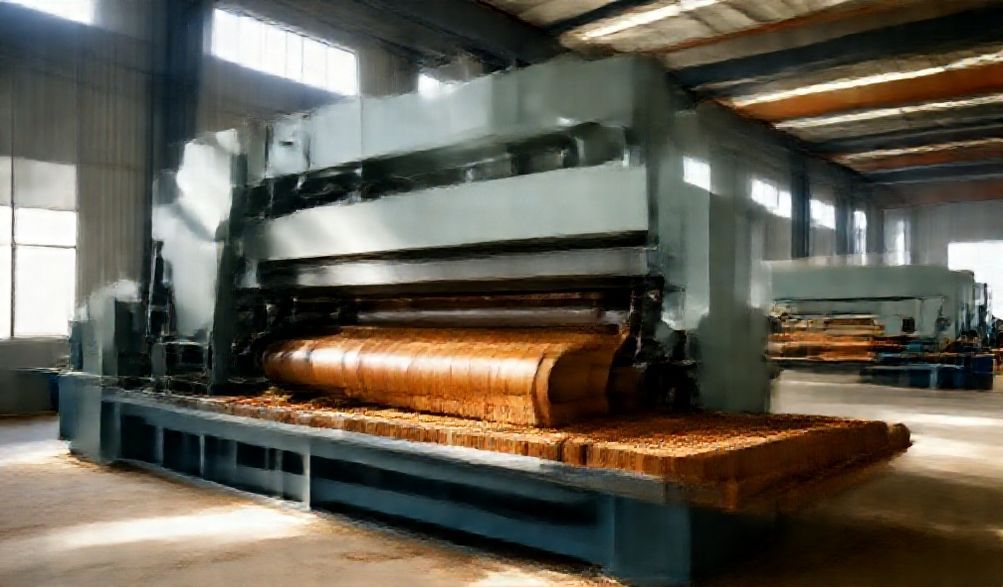
中国泥砖制造机械工厂终极指南
Giới thiệu
Trong một thời đại được định hình bởi ý thức về khí hậu và nhu cầu tìm kiếm các giải pháp nhà ở giá cả phải chăng, những kỹ thuật xây dựng cổ xưa đang trải qua một sự hồi sinh mạnh mẽ. Gạch đất nén (CEBs), hay còn gọi là gạch bùn, đứng ở tuyến đầu của phong trào này. Chúng mang lại tính bền vững vô song, khả năng tích nhiệt đáng kinh ngạc và năng lượng hàm chứa thấp hơn đáng kể so với gạch nung hoặc bê tông.
Tuy nhiên, đối với các nhà xây dựng, tổ chức phi chính phủ phát triển, doanh nhân xã hội và nhà thầu sẵn sàng khai thác tiềm năng này, một trở ngại đáng kể xuất hiện: việc tìm nguồn máy móc đáng tin cậy, hiệu quả và tiết kiệm chi phí. Khoảng cách giữa một dự án xây dựng sinh thái đầy tầm nhìn và việc hiện thực hóa nó thường bị lấp đầy bởi những câu hỏi về chất lượng thiết bị, năng lực sản xuất và hỗ trợ kỹ thuật.
Đây là lúc hệ sinh thái công nghiệp của Trung Quốc phát huy vai trò. Nơi đây đã trở thành trung tâm sản xuất máy làm gạch bùn không thể tranh cãi của toàn cầu, đáp ứng mọi nhu cầu - từ một máy ép thủ công đơn giản cho dự án cộng đồng đến một nhà máy thủy lực tự động hoàn toàn cho sản xuất thương mại.
Tuy nhiên, việc tìm đường trong thị trường rộng lớn này có thể là một thách thức. Hướng dẫn tối ưu này không được xây dựng từ suy đoán, mà từ phân tích ngành sâu sắc, các quy trình hợp tác với nhà máy đã được thiết lập, và chuyên môn mua sắm được đúc kết từ kinh nghiệm. Mục tiêu của chúng tôi là trang bị cho bạn kiến thức để đưa ra những quyết định sáng suốt, tự tin và đáng tin cậy. Bạn sẽ học cách xác định các nhà máy uy tín, hiểu các loại máy móc khác nhau, điều hướng quy trình mua sắm và tính toán chi phí thực sự cho khoản đầu tư của mình.
Tại sao nên nhập khẩu máy sản xuất gạch bùn từ Trung Quốc?
Lựa chọn địa điểm tìm nguồn cung ứng là một quyết định mang tính chiến lược. Đối với máy móc sản xuất gạch bùn, Trung Quốc đưa ra một trường hợp thuyết phục dựa trên quy mô, sự đổi mới và giá trị mà khó có nơi nào khác sánh kịp.
Quy Mô Sản Xuất Vô Song và Các Cụm Công Nghiệp
中国的优势在于其集中的产业集群。像长三角、珠三角和京津冀这样的关键地区,山东,河南,福建có mạng lưới dày đặc các nhà máy đúc, nhà cung cấp linh kiện thủy lực và các nhà máy lắp ráp chuyên dụng.
- Sự tập trung này tạo ra một sức mạnh cộng hưởng mạnh mẽ.
- Các nhà máy hưởng lợi từ chuỗi cung ứng được tối ưu hóa, giảm chi phí linh kiện và thời gian giao hàng.
- Đối với bạn, điều này chuyển thành mức giá cạnh tranh hơn và hiệu quả cao hơn trong sản xuất cũng như thay thế phụ tùng sau bán hàng.
Phổ Công nghệ và Đổi mới
中国市场并非铁板一块,它提供了完整的技术阶梯:
- Giải Pháp Cơ Bản:Máy ép thủ công và bán tự động bền bỉ, lý tưởng cho các dự án quy mô nhỏ hoặc không cần lưới điện.
- Hệ Thống Tiên Tiến:Các dây chuyền thủy lực có khả năng lập trình cao, hoàn toàn tự động với sản lượng đạt tới hàng nghìn viên gạch mỗi giờ.
- Đổi mới chuyên sâu:Các nhà máy liên tục điều chỉnh thiết kế cho nhiều loại đất khác nhau (giàu sét, cát, đá ong) và chất ổn định (như xi măng hoặc vôi), cung cấp máy móc chuyên dụng để sản xuất Gạch Đất Ổn Định Liền Khối (ISEB).
Hiệu Quả Chi Phí và Các Yếu Tố Xem Xét về Lợi Tức Đầu Tư
Vốn đầu tư ban đầu thường là yếu tố thuyết phục nhất. Một máy ép gạch thủy lực tự động tương đương từ châu Âu hoặc Bắc Mỹ có thể có giá cao gấp nhiều lần so với sản phẩm tương tự từ Trung Quốc.
- Điểm vào thấp hơn này cải thiện đáng kể Tỷ suất hoàn vốn (ROI) cho doanh nghiệp hoặc dự án của bạn.
- Một cái nhìn toàn diện vềTổng Chi Phí Sở Hữu (TCO)là rất quan trọng. Mặc dù giá máy thấp hơn, bạn phải cân nhắc kỹ lưỡng các yếu tố sau:
- Vận tải và bảo hiểm quốc tế.
- Thuế nhập khẩu và thủ tục hải quan tại quốc gia của bạn.
- Chi phí tiềm năng cho việc giám sát lắp đặt.
- Ngay cả với những chi phí bổ sung này, tổng chi tiêu thường vẫn rất có lợi.
Các Loại Máy Làm Gạch Bằng Đất Sét Sản Xuất Tại Trung Quốc
Hiểu rõ các loại máy móc có sẵn là bước đầu tiên để xác định nhu cầu của bạn.
Máy Ép Thủ Công và Bán Tự Động
Đây là những trụ cột của công trình quy mô nhỏ và hướng đến cộng đồng.
- Lý Tưởng Cho:Những người đam mê DIY, các trang trại nhỏ, dự án nhà ở do cộng đồng lãnh đạo và các tổ chức phi chính phủ với các sáng kiến đòi hỏi nhiều lao động nhưng ít vốn.
- Hoạt động:Dựa vào đòn bẩy con người (thủ công) hoặc một động cơ điện nhỏ để nén (bán tự động). Thường di động và không cần nền móng phức tạp.
- Đầu ra: Typically 300-800 bricks per 8-hour day.
- Khoảng giá: Very accessible, generally from $1,000 to $5,000.
Fully Automatic Hydraulic Brick Making Machines
This is the choice for commercial profitability and consistent, high-quality output.
- Lý Tưởng Cho: Businesses supplying bricks for construction companies, large-scale development projects, and entrepreneurs aiming for high-volume production.
- Hoạt động: Integrates feeding, compression, and ejection systems. A central hydraulic power unit and Programmable Logic Controller (PLC) automate the entire cycle. Offers precise control over brick density and shape.
- Đầu ra:Trải dài từ1,000 to over 5,000 bricks per hour, depending on model and brick size.
- Khoảng giá: Significant investment, from $15,000 to $80,000+.
Specialized Machines: Interlocking Block Machines & Mobile Units
- Máy Sản Xuất Gạch Không Nung Liên Kết: These produce bricks with designed ridges and grooves that lock together without mortar. This speeds up construction, reduces skilled labor needs, and enhances seismic resistance. They are a popular sub-category of both semi-automatic and automatic machines.
- Mobile Units: Built on a trailer chassis, these machines can be towed directly to a construction site. They eliminate brick transportation costs, allowing production directly where the soil is excavated. Perfect for large, remote projects like dam construction, road building, or large housing estates.
How to Identify Reputable Chinese Factories
With thousands of suppliers online, separating credible partners from trading companies or unreliable workshops is critical.
Verifying Factory Credentials and Experience
Start with the fundamentals. A legitimate factory should transparently provide:
- Business License: Verify its scope includes “manufacturing” and “export.”
- Chứng chỉ: While not always mandatory, ISO 9001 for quality management is a strong positive indicator.
- Patents: Look for patents on machine design or key components—a sign of R&D investment.
- History: A track record of 8-10+ years in heavy machinery manufacturing suggests stability and experience.
- Export Proof: Request documented evidence of past exports (blurred commercial invoices or port records) to your region or similar markets.
Evaluating Technical Expertise and R&D
The quality of the machine is determined in the engineering office. Probe their technical depth:
- In-House Team: Do they have mechanical, hydraulic, and electrical engineers on staff?
- Tùy chỉnh: Will they modify standard designs based on your soil test report?
- Tài liệu: Request samples of their English manuals, electrical diagrams, and parts lists. Professional documentation reflects a professional operation.
- Material Guidance: A good supplier will advise on optimal soil mix ratios and moisture content for their machine.
The Critical Role of Factory Audits and Virtual Tours
A physical audit is ideal, but a rigorous virtual process is highly effective.
- Due Diligence Checklist: Create a list of items to verify: workshop size, inventory of raw materials (steel plate, hydraulic cylinders), quality control stations, and testing areas.
- Live Video Tour: Insist on a real-time video call, not a pre-recorded video. Walk through the production floor, ask to see welding quality, and observe assembly lines.
- Live Machine Test: The gold standard. Request a live demonstration where they produce bricks, preferably using a soil sample similar to yours. Observe the machine’s operation, brick ejection, and final brick quality.
The Procurement Process: From Inquiry to Delivery
A structured approach minimizes risk and ensures clarity for both parties.
Crafting a Detailed Inquiry and Getting Quotes
A vague inquiry gets vague quotes. Provide a clear specification sheet:
- Desired brick size (L x W x H) and type (solid, hollow, interlocking).
- Soil characteristics (provide a soil test report if available).
- Required năng lực sản xuất (bricks per day/hour).
- Available power source (voltage, phase, e.g., 380V/3Phase/50Hz).
- Level of automation (manual, semi-auto, full-auto).
- Analyze the Proforma Invoice (PI) carefully. It should detail the machine specs, payment terms, warranty, delivery time, and shipping terms.
Navigating Communication, Contracts, and Payment Terms
- Communication: Use clear, simple English. Confirm important details in writing (email). Tools like WeChat are common but ensure formal agreements are emailed.
- Contract: The PI, once accepted, becomes a contract. Ensure it includes all agreed-upon specs, a detailed warranty clause, a firm delivery date, and penalties for significant delays.
- Payment Terms: The most common and secure structure is:
- 30% deposit via T/T (Telegraphic Transfer) to confirm the order.
- 70% balance paid before shipment, after you receive and approve photos/videos of the finished, packed machine.
Quality Control, Shipping, and After-Sales Support
- Pre-Shipment Inspection (PSI): For orders over $20,000, hiring a local third-party QC agent (e.g., SGS, BV, or a reputable freelancer) is highly recommended. They will check construction quality, perform a test run, and verify packing.
- Shipping Terms:
- FOB (Giao hàng lên tàu): You control the shipping and bear the cost and risk from the Chinese port onward. Offers more control and often lower freight costs.
- CIF (Chi phí, Bảo hiểm và Cước phí): The supplier arranges and pays for shipping to a port in your country. Simpler but usually more expensive.
- After-Sales: Evaluate their support package:
- Bảo hành: Typically 12 months for core parts (excluding wear items like molds).
- Phụ Tùng Thay Thế: Are parts readily available? What is the pricing?
- Hỗ trợ Kỹ thuật: Do they provide online support (video call)? Will they send an engineer for installation (at an additional cost)?
Key Considerations Before Placing Your Order
Soil Testing and Machine Compatibility
This is the single most important technical step. Machine performance is intrinsically linked to your local soil.
- Conduct a professional soil analysis to determine its composition (clay, silt, sand content) and plasticity.
- Share this report with your shortlisted factories. Their recommendation on machine pressure and necessary mix additives (e.g., 5-10% cement) is a key test of their expertise.
Calculating Total Project Cost (Beyond the Machine Price)
Avoid budget surprises by modeling all costs:
- Machine Price (FOB or CIF).
- Shipping & Marine Insurance (if FOB).
- Import Duties & Taxes (varies by country; consult a local customs broker).
- Inland Transportation from your port to site.
- Installation & Commissioning (factory engineer travel or local technician fees).
- Initial Stock of Spare Parts and Wear Parts (molds, hydraulic seals).
Planning for Installation, Training, and Maintenance
- Installation: Discuss if the machine requires a special foundation. Clarify who will assemble it—your local team with remote guidance, or a factory engineer?
- Đào tạo: Ensure comprehensive operational and safety training is part of the deal, either via detailed videos/manuals or on-site instruction.
- Maintenance Spares: Order a critical spare parts kit with the machine. This should include spare hydraulic hoses, seals, relays, and a mold or two.
FAQ Section
Q1: What is the average price range for a mud brick making machine from China?
A: Prices vary dramatically with specifications. Manual presses range from $1,000 to $5,000. Semi-automatic machines range from $5,000 to $15,000. Fully automatic hydraulic production lines start around $15,000 and can exceed $80,000 for large, customized systems.
Q2: Can Chinese machines handle different types of soil, like clay or sandy soil?
A: Yes, but proper configuration is essential. Reputable factories will adjust the machine’s compression ratio, moisture control systems, and even mold design based on your soil analysis report. Sandy soil may require more stabilization (cement/lime) and different pressure settings than clay-rich soil.
Q3: How do I ensure the machine quality without visiting the factory?
A: Implement a multi-step verification: 1) Insist on a live video machine test, 2) Scrutinize all certifications and export records, 3) Contact provided references from your region, 4) For significant orders, hire a third-party inspection company for a pre-shipment check.
Q4: What is the typical lead time and warranty period?
A: Lead times vary: 15-30 days for standard models in stock, 45-60 days for standard production, and up to 90 days for highly customized lines. The standard warranty is 12 months for core components (engine, hydraulic cylinder, PLC), excluding consumable wear parts like molds.
Q5: Do factories provide installation guides and operational training?
A: Professional suppliers provide comprehensive English manuals, electrical schematics, and parts catalogs. Most offer detailed instructional videos. On-site installation and training by a factory engineer can almost always be negotiated for an additional fee covering their travel and time.
Conclusion
Sourcing a mud brick making machine from China represents a strategic opportunity to access advanced, scalable technology at a transformative price point. The journey’s success hinges on meticulous preparation—from understanding your soil to thoroughly vetting factories on their technical merit and transparency, not just their initial price quote.
Remember, you are not just buying a machine; you are forming a technical partnership. Prioritize suppliers who demonstrate a commitment to engineering excellence and clear communication. Treat the procurement process with the diligence it deserves: define your specs, conduct live virtual audits, and secure clear contractual terms.
Ready to take the next step? Begin by preparing a detailed project specification sheet outlining your brick requirements, soil conditions, and production goals. Use this guide as a framework to engage with a shortlist of pre-vetted factories. By investing time in this foundational phase, you are paving the way for a successful project that will deliver sustainable, affordable building materials for years to come, making a tangible positive impact on your local environment and economy.
<