
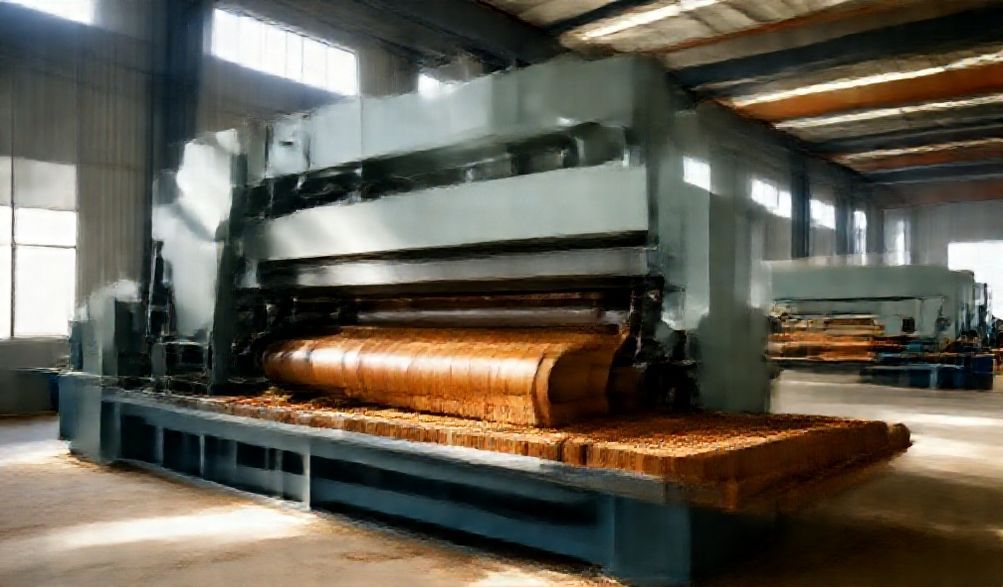
中国泥砖制造机械工厂终极指南
Введение
В эпоху, определяемую климатическим сознанием и поиском доступных жилищных решений, древние строительные техники переживают мощное возрождение. Спрессованные земляные блоки (CEB), или глиняные кирпичи, находятся в авангарде этого движения. Они предлагают непревзойденную экологичность, впечатляющую тепловую массу и значительно более низкую воплощенную энергию по сравнению с обожженным кирпичом или бетоном.
Однако для строителей, неправительственных организаций по развитию, социальных предпринимателей и подрядчиков, готовых использовать этот потенциал, возникает серьёзное препятствие: поиск надёжной, эффективной и экономичной техники. Разрыв между амбициозным экологическим строительным проектом и его реализацией часто заполняется вопросами о качестве оборудования, производственных мощностях и технической поддержке.
Здесь вступает в действие промышленная экосистема Китая. Она стала бесспорным мировым эпицентром производства машин для изготовления саманных кирпичей, удовлетворяя любые потребности — от простого ручного пресса для общественного проекта до полностью автоматизированного гидравлического завода для коммерческого производства.
Однако ориентироваться на этом обширном рынке может быть непросто. Это исчерпывающее руководство создано не на основе предположений, а благодаря глубокому анализу отрасли, проверенным протоколам взаимодействия с фабриками и добытому опытом в сфере закупок. Наша цель — вооружить вас знаниями для принятия обоснованных, уверенных и надежных решений. Вы узнаете, как определить репутабельные фабрики, разобраться в различных типах оборудования, пройти через процесс закупок и рассчитать истинную стоимость ваших инвестиций.
为什么从中国采购泥砖机?
Выбор страны для закупок — это стратегическое решение. В случае с оборудованием для производства саманного кирпича Китай предлагает убедительные преимущества, основанные на масштабе, инновациях и ценности, которые сложно найти где-либо еще.
Непревзойдённый масштаб производства и промышленные кластеры
中国的优势在于其集中的产业集群。像长三角、珠三角这样的关键地区,山东、河南、福建размещают плотные сети литейных производств, поставщиков гидравлических компонентов и специализированных сборочных заводов.
- Эта концентрация создает мощный синергетический эффект.
- Заводы получают выгоду от оптимизированных цепочек поставок, что снижает стоимость компонентов и сокращает сроки выполнения заказов.
- Для вас это означает более конкурентоспособные цены и повышенную эффективность в производстве, а также в замене деталей после продажи.
Спектр технологий и инноваций
中国市场并非铁板一块,它提供了一个完整的技术阶梯:
- Основные решения:Прочные ручные и полуавтоматические прессы, идеально подходящие для проектов с малым объемом или автономных работ.
- Продвинутые системы:Высокопрограммируемые, полностью автоматические гидравлические линии с производительностью до тысяч кирпичей в час.
- Специализированные инновации:Заводы постоянно адаптируют конструкции под различные типы грунтов (глинистые, песчаные, латеритные) и стабилизирующие добавки (например, цемент или известь), предлагая машины, специально предназначенные для производства блоков из стабилизированного грунта с замковым соединением (ISEB).
Экономическая эффективность и соображения окупаемости инвестиций
Первоначальные капиталовложения часто являются наиболее убедительным фактором. Сопоставимая автоматическая гидравлическая машина для производства кирпича из Европы или Северной Америки может стоить в разы дороже своего китайского аналога.
- Этот более низкий порог входа значительно повышает рентабельность инвестиций (ROI) для вашего бизнеса или проекта.
- Целостный взгляд наОбщая стоимость владения (TCO)Крайне важно. Хотя цена машины ниже, необходимо тщательно учесть:
- Международная доставка и страхование.
- Таможенные пошлины и таможенное оформление в вашей стране.
- Потенциальные затраты на надзор за установкой.
- Даже с учетом этих дополнительных затрат общие расходы обычно остаются весьма выгодными.
中国制造的泥砖制砖机类型
Понимание категорий доступного оборудования — это первый шаг к определению ваших потребностей.
Ручные и полуавтоматические прессы
Это рабочие лошадки для небольших и ориентированных на сообщество строительных проектов.
- Идеально подходит для:Энтузиасты DIY, небольшие фермерские хозяйства, общественные жилищные проекты и НПО с трудоемкими, но малозатратными инициативами.
- Операция:Использует ручное усилие человека (вручную) или небольшой электродвигатель для сжатия (полуавтоматический). Часто мобилен и не требует сложного фундамента.
- Вывод:Обычно 300-800 кирпичей за 8-часовой рабочий день.
- Диапазон цен:Очень доступно, обычно отот 1000 до 5000 долларов.
Полностью автоматические гидравлические машины для производства кирпича
Это выбор в пользу коммерческой прибыльности и стабильного высококачественного результата.
- Идеально подходит для:Предприятия, поставляющие кирпичи для строительных компаний, крупномасштабных проектов развития и предпринимателей, ориентированных на массовое производство.
- Операция:Интегрирует системы подачи, прессования и выталкивания. Центральный гидравлический силовой блок и программируемый логический контроллер (ПЛК) автоматизируют весь цикл. Обеспечивает точный контроль плотности и формы кирпича.
- Вывод:Диапазоны отОт 1 000 до более 5 000 кирпичей в часв зависимости от модели и размера кирпича.
- Диапазон цен: Significant investment, from $15,000 to $80,000+.
Specialized Machines: Interlocking Block Machines & Mobile Units
- Машины для производства блоков с замковым соединением: These produce bricks with designed ridges and grooves that lock together without mortar. This speeds up construction, reduces skilled labor needs, and enhances seismic resistance. They are a popular sub-category of both semi-automatic and automatic machines.
- Mobile Units: Built on a trailer chassis, these machines can be towed directly to a construction site. They eliminate brick transportation costs, allowing production directly where the soil is excavated. Perfect for large, remote projects like dam construction, road building, or large housing estates.
How to Identify Reputable Chinese Factories
With thousands of suppliers online, separating credible partners from trading companies or unreliable workshops is critical.
Verifying Factory Credentials and Experience
Start with the fundamentals. A legitimate factory should transparently provide:
- Бизнес-лицензия: Verify its scope includes “manufacturing” and “export.”
- Сертификаты: While not always mandatory, ИСО 9001 for quality management is a strong positive indicator.
- Patents: Look for patents on machine design or key components—a sign of R&D investment.
- История: A track record of 8-10+ years in heavy machinery manufacturing suggests stability and experience.
- Export Proof: Request documented evidence of past exports (blurred commercial invoices or port records) to your region or similar markets.
Evaluating Technical Expertise and R&D
The quality of the machine is determined in the engineering office. Probe their technical depth:
- In-House Team: Do they have mechanical, hydraulic, and electrical engineers on staff?
- Настройка: Will they modify standard designs based on your soil test report?
- Documentation: Request samples of their English manuals, electrical diagrams, and parts lists. Professional documentation reflects a professional operation.
- Material Guidance: A good supplier will advise on optimal soil mix ratios and moisture content for their machine.
The Critical Role of Factory Audits and Virtual Tours
A physical audit is ideal, but a rigorous virtual process is highly effective.
- Due Diligence Checklist: Create a list of items to verify: workshop size, inventory of raw materials (steel plate, hydraulic cylinders), quality control stations, and testing areas.
- Live Video Tour: Insist on a real-time video call, not a pre-recorded video. Walk through the production floor, ask to see welding quality, and observe assembly lines.
- Live Machine Test: The gold standard. Request a live demonstration where they produce bricks, preferably using a soil sample similar to yours. Observe the machine’s operation, brick ejection, and final brick quality.
The Procurement Process: From Inquiry to Delivery
A structured approach minimizes risk and ensures clarity for both parties.
Crafting a Detailed Inquiry and Getting Quotes
A vague inquiry gets vague quotes. Provide a clear specification sheet:
- Desired brick size (L x W x H) and тип (solid, hollow, interlocking).
- Soil characteristics (provide a soil test report if available).
- Required production capacity (bricks per day/hour).
- Available power source (voltage, phase, e.g., 380V/3Phase/50Hz).
- Level of automation (manual, semi-auto, full-auto).
- Analyze the Proforma Invoice (PI) carefully. It should detail the machine specs, payment terms, warranty, delivery time, and shipping terms.
Navigating Communication, Contracts, and Payment Terms
- Communication: Use clear, simple English. Confirm important details in writing (email). Tools like WeChat are common but ensure formal agreements are emailed.
- Contract: The PI, once accepted, becomes a contract. Ensure it includes all agreed-upon specs, a detailed warranty clause, a firm delivery date, and penalties for significant delays.
- Payment Terms: The most common and secure structure is:
- 30% deposit via T/T (Telegraphic Transfer) to confirm the order.
- 70% balance paid before shipment, after you receive and approve photos/videos of the finished, packed machine.
Quality Control, Shipping, and After-Sales Support
- Pre-Shipment Inspection (PSI): For orders over $20,000, hiring a local third-party QC agent (e.g., SGS, BV, or a reputable freelancer) is highly recommended. They will check construction quality, perform a test run, and verify packing.
- Shipping Terms:
- ФОБ (Франко Борт): You control the shipping and bear the cost and risk from the Chinese port onward. Offers more control and often lower freight costs.
- CIF (стоимость, страхование и фрахт): The supplier arranges and pays for shipping to a port in your country. Simpler but usually more expensive.
- After-Sales: Evaluate their support package:
- Гарантия: Typically 12 months for core parts (excluding wear items like molds).
- Запчасти: Are parts readily available? What is the pricing?
- Техническая поддержка Do they provide online support (video call)? Will they send an engineer for installation (at an additional cost)?
Key Considerations Before Placing Your Order
Soil Testing and Machine Compatibility
This is the single most important technical step. Machine performance is intrinsically linked to your local soil.
- Conduct a professional soil analysis to determine its composition (clay, silt, sand content) and plasticity.
- Share this report with your shortlisted factories. Their recommendation on machine pressure and necessary mix additives (e.g., 5-10% cement) is a key test of their expertise.
Calculating Total Project Cost (Beyond the Machine Price)
Avoid budget surprises by modeling all costs:
- Machine Price (FOB or CIF).
- Shipping & Marine Insurance (if FOB).
- Import Duties & Taxes (varies by country; consult a local customs broker).
- Inland Transportation from your port to site.
- Installation & Commissioning (factory engineer travel or local technician fees).
- Initial Stock of Spare Parts and Wear Parts (molds, hydraulic seals).
Planning for Installation, Training, and Maintenance
- Installation: Discuss if the machine requires a special foundation. Clarify who will assemble it—your local team with remote guidance, or a factory engineer?
- Обучение: Ensure comprehensive operational and safety training is part of the deal, either via detailed videos/manuals or on-site instruction.
- Maintenance Spares: Order a critical spare parts kit with the machine. This should include spare hydraulic hoses, seals, relays, and a mold or two.
Раздел часто задаваемых вопросов
Q1: What is the average price range for a mud brick making machine from China?
А: Prices vary dramatically with specifications. Manual presses range from от 1000 до 5000 долларов. Semi-automatic machines range from от 5 000 до 15 000 долларов. Fully automatic hydraulic production lines start around $15,000 and can exceed $80,000 for large, customized systems.
Q2: Can Chinese machines handle different types of soil, like clay or sandy soil?
А: Yes, but proper configuration is essential. Reputable factories will adjust the machine’s compression ratio, moisture control systems, and even mold design based on your soil analysis report. Sandy soil may require more stabilization (cement/lime) and different pressure settings than clay-rich soil.
Q3: How do I ensure the machine quality without visiting the factory?
А: Implement a multi-step verification: 1) Insist on a live video machine test, 2) Scrutinize all certifications and export records, 3) Contact provided references from your region, 4) For significant orders, hire a third-party inspection company for a pre-shipment check.
Q4: What is the typical lead time and warranty period?
А: Lead times vary: 15-30 days for standard models in stock, 45-60 days for standard production, and up to 90 days for highly customized lines. The standard warranty is 12 months for core components (engine, hydraulic cylinder, PLC), excluding consumable wear parts like molds.
Q5: Do factories provide installation guides and operational training?
А: Professional suppliers provide comprehensive English manuals, electrical schematics, and parts catalogs. Most offer detailed instructional videos. On-site installation and training by a factory engineer can almost always be negotiated for an additional fee covering their travel and time.
Заключение
Sourcing a mud brick making machine from China represents a strategic opportunity to access advanced, scalable technology at a transformative price point. The journey’s success hinges on meticulous preparation—from understanding your soil to thoroughly vetting factories on their technical merit and transparency, not just their initial price quote.
Remember, you are not just buying a machine; you are forming a technical partnership. Prioritize suppliers who demonstrate a commitment to engineering excellence and clear communication. Treat the procurement process with the diligence it deserves: define your specs, conduct live virtual audits, and secure clear contractual terms.
Ready to take the next step? Begin by preparing a detailed project specification sheet outlining your brick requirements, soil conditions, and production goals. Use this guide as a framework to engage with a shortlist of pre-vetted factories. By investing time in this foundational phase, you are paving the way for a successful project that will deliver sustainable, affordable building materials for years to come, making a tangible positive impact on your local environment and economy.
<