
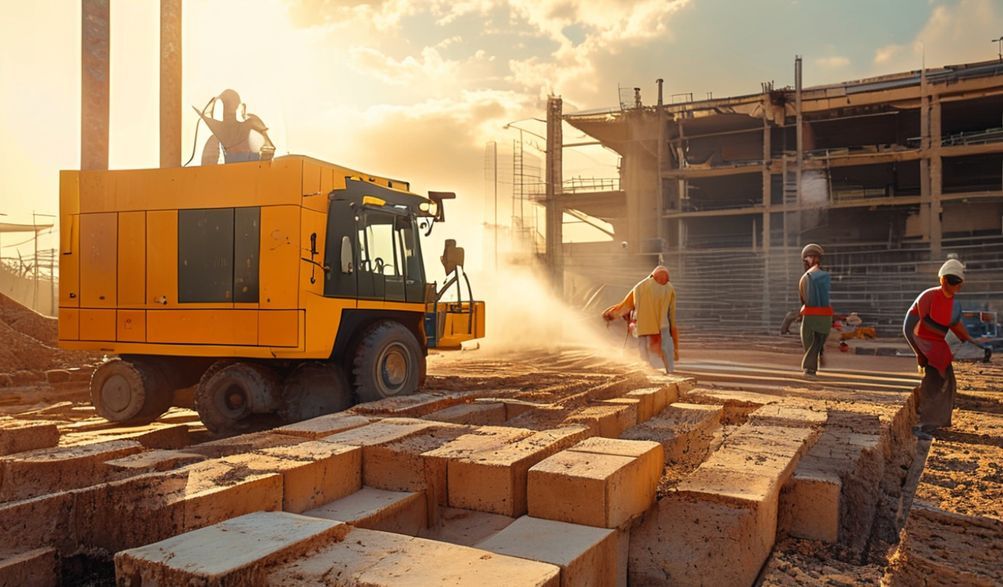
케냐에서 판매되는 블록 제작 기계에 대한 궁극적인 가이드 | 푸다 공장의 전문가 인사이트
소개
케냐의 스카이라인이 변모하고 있습니다. 야심찬 주택보급 프로그램에서부터 신흥 도시 중심지의 민간 개발에 이르기까지, 양질의 건설 자재에 대한 수요는 그 어느 때보다 높습니다. 이 건설 붐의 중심에는 겸손하지만 필수적인 구성 요소인 벽돌과 블록이 자리 잡고 있습니다. 기업가, 계약자 및 건설 회사에게 블록 제조 기계에 투자하는 결정은 단순한 구매가 아니라 수익성, 품질 및 성장을 정의할 수 있는 중추적인 비즈니스 전략입니다.
이 가이드는 케냐에서 블록 제조 기계 시장을 탐색하기 위한 포괄적이고 객관적인 정보원으로서 제작되었습니다. 글로벌 제조 표준에 대한 깊은 산업 경험과, 다양한 토양 조건부터 전력 공급 문제까지 케냐의 독특한 운영 환경에 대한 구체적인 이해를 바탕으로, 우리의 목표는 사실적이고 실용적인 지식을 제공하는 것입니다. 우리는 다양한 유형의 기계를 분석하고, 진정한 소유 비용을 세분화하며, FUDA 블록 제조 공장과 같은 기존 제조업체의 제품을 포함한 공급업체 평가를 위한 체계를 제공할 것입니다. 결국, 당신은 단순히 벽을 쌓는 것을 넘어 당신의 사업을 구축하는 데 필요한 확신에 찬, 정보에 기반한 투자를 할 수 있는 명확한 로드맵을 갖게 될 것입니다.
케냐 블록 제작 기계 시장 이해하기
블록 제작 기계에 대한 수요 급증은 우연이 아닙니다. 이는 국가를 형성하는 강력한 경제적, 사회적 힘에 대한 직접적인 대응입니다. 이러한 동인과 지역적 뉘앙스를 이해하는 것이 현명한 투자의 첫걸음입니다.
시장 동인: 케냐에서 수요가 증가하는 이유
- 정부의 합리적 주택 공급 계획:빅 포어 어젠다의 이 플래그십 프로젝트는 주요 엔진으로서 수십만 주택 단위를 공급하는 것을 목표로 하고 있습니다. 이는 표준화되고 질 높은 블록에 대한 대규모의 지속적인 수요를 창출합니다.
- 급속한 도시화와 인프라 개발:군이 성장함에 따라 새로운 주택, 상업 건물, 도로, 학교의 필요성이 따라옵니다. 기계화된 블록 생산은 이러한 규모를 효율적으로 충족시키는 핵심입니다.
- 수동 생산에서 기계화 생산으로의 전환수동 생산이 병목 현상이라는 인식이 점차 확산되고 있습니다. 기계는 더 높은 일관성, 더 강력한 블록, 그리고 대량 주문 기한을 맞출 수 있는 능력을 제공하여 기업에 경쟁 우위를 부여합니다.
케냐 상황에 대한 주요 고려사항
유럽 시장용으로 설계된 기계를 구입한다고 해서 여기서 성공을 보장할 수는 없습니다. 케냐의 상황은 특별한 적응을 요구합니다.
- 현지 원자재:케냐의 토양, 모래, 시멘트 배합은 지역에 따라 크게 다를 수 있습니다. 효과적으로 이러한 현지 재료를 다지기 위해서는 매번 고밀도이고 강력한 블록을 생산할 수 있도록 조절 가능한 진동 주파수와 압력 설정이 갖춰진 고품질 기계가 필요합니다.
- 전원 공급 장치:일부 지역의 그리드 불안정성은 실제 운영 위험입니다. 이는디젤 엔진또는하이브리드(전기/디젤) 모델중요한 기능입니다. 항상 전력 공급 안정성을 평가하고 정전 시에도 작동이 중단되지 않는 기계를 선택하세요.
- 애프터 서비스:이것은 아마도 가장 중요한 요소입니다. 기계는 장기 자산입니다. 사용 가능 여부를 반드시 확인해야 합니다.현지 기술 지원, 신속한 부품 공급, 그리고 포괄적인 운영자 교육최고의 기계라도 고장 나서 해외에서 부품이 오기를 몇 주 동안 기다리며 멈춰 있다면 쓸모가 없다.
블록 제작 기계의 종류: 어떤 것이 귀하의 프로젝트에 적합할까요?
올바른 기계 종류를 선택하는 것은 프로젝트 규모, 예산, 그리고 생산 목표에 달려 있습니다. 가장 일반적인 카테고리별로 살펴보겠습니다.
수동 및 반자동 기계
- 이상적인 대상:스타트업, 소규모 건설업체, 지역사회 기반 프로젝트(CBOs), 그리고 일일 생산량 요구사항이 매우 낮은 경우(예: 500개 미만의 블록).
- 장점:
- 낮은 초기 투자 비용블록 생산에 가장 저렴하게 진입할 수 있는 방법입니다.
- 단순함과 휴대성:작동, 유지보수, 현장 이동이 용이합니다.
- 저전력 요구 사항:종종 수작업이나 소형 믹서만 필요합니다.
- 단점:
- 높은 노동 집약도상당한 신체적 노력이 필요하여 생산량이 제한됩니다.
- 품질 불일치작업자 숙련도에 크게 의존하여 블록 크기와 밀도에 잠재적 변동이 발생할 수 있습니다.
- 낮은 출력상업적 공급이나 중대형 프로젝트에는 적합하지 않습니다.
완전 자동 고정식 기계
- 이상적인 대상:확립된 블록 야드, 건설 회사에 납품하는 공급업체, 그리고 중간에서 대량 시장(예: 하루 2,000개에서 10,000개 이상의 블록)을 목표로 하는 기업가.
- 장점:
- 높은 생산성과 효율성:자동화 공정(배치, 혼합, 성형, 경화)은 일관된 대량 생산을 가능하게 합니다.
- 탁월하고 일관된 품질:프로그램된 설정은 모든 블록이 동일한 강도와 치수 기준을 충족하도록 보장합니다.
- 노동 비용 절감가장 힘든 작업을 자동화하여 더 적은 인력으로 더 높은 생산량을 달성합니다.
- 단점:
- 더 높은 자본 비용초기 투자 비용이 더 많이 필요합니다.
- 안정적인 설치 공간이 필요합니다. Needs a dedicated, prepared yard with space for curing and storage.
- Greater Technical Knowledge: Operators need proper training on the control systems and maintenance routines.
Mobile Block Machines (Egg Layers)
- 이상적인 대상: Large-scale construction projects (like a new school or housing estate) where producing blocks directly on-site eliminates substantial transport costs.
- 장점:
- Excellent Mobility: Can be towed to different locations on a project site as needed.
- Cost-Effective for On-Site Work: Saves up to 30% or more on logistics by curing and using blocks where they are made.
- Simpler than Full Plants: Easier to set up and operate than a full stationary plant.
- 단점:
- 낮은 출력 Generally produces fewer blocks per hour than a large stationary automatic machine.
- Still Labor-Intensive: Often requires manual feeding and block removal, though more efficient than purely manual methods.
Spotlight: Evaluating FUDA Block Making Machines for the Kenyan Market
As you research, you’ll encounter various brands. FUDA is one established global manufacturer whose machines are available in Kenya. A balanced, informed evaluation is key.
FUDA 제조사 개요
FUDA is a Chinese heavy machinery manufacturer with a significant global footprint in construction equipment, including concrete block making machines. They offer a range of models, from semi-automatic to fully automatic stationary plants and mobile egg layers. Their reputation is built on providing a balance of capability and cost-effectiveness. For the Kenyan market, models that emphasize durability and adaptability to local conditions are most relevant.
Key Features to Scrutinize in a FUDA Machine
If considering a FUDA machine, move beyond the brochure. Inspect these critical aspects:
- Build Quality & Durability: Examine the steel frame thickness and the robustness of the vibration system. High-frequency, high-amplitude vibration motors are essential for compacting Kenyan raw materials into strong blocks. Ask about the grade of steel used in the mold and press head—these are high-wear parts.
- Production Capacity & Versatility: Don’t just look at the “blocks per hour” for a standard hollow block. Verify what other products the machine can produce with a simple mold change—interlocking blocks, paving slabs, kerbstones, etc. Versatility future-proofs your investment against market shifts.
- Automation Level & Ease of Use: Understand the control system. Is it a simple button panel or a programmable logic controller (PLC)? A PLC offers more precision but may require more skilled maintenance. Ask about the daily and weekly maintenance routine—is it straightforward for your team to perform?
The Critical Importance of Local Dealer & Support
This point cannot be overstated. The FUDA machine you buy is only as reliable as the Kenyan dealer who sells and supports it.
- Verify the dealer has a physical workshop and showroom.
- Check their inventory of common spare parts (like vibration motors, seals, and mold liners). Long lead times for parts cripple production.
- Insist on details about their technical team. Are they factory-trained? Can they provide on-site installation and training?
- 부탁드립니다.contactable references from other local businesses who have purchased from them.
The Real Cost of Owning a Block Making Machine in Kenya
The purchase price is just the beginning. A savvy buyer plans for the Total Cost of Ownership (TCO).
Upfront Purchase Price vs. Total Investment
The initial outlay includes several components:
* Ex-Works Machine Price: The base cost from the factory or local stockist.
* 배송 및 물류 Cost of transport to Mombasa port and then to your yard.
* Customs Duty & Taxes: Budget approximately 25-35% of the CIF value for import duty, VAT, and other levies. Consult a clearing agent for an exact estimate.
* 설치 및 시운전: Some suppliers include this; others charge extra. Factor in costs for a level concrete foundation for stationary machines.
Operational Costs Breakdown
Your ongoing expenses determine profitability:
* 원자재 Cement, sand, ballast, and water. The machine’s efficiency (waste percentage) directly impacts this cost.
* 노동 Wages for operators, mixers, and those handling cured blocks.
* Power/Fuel: Electricity consumption for electric motors or diesel costs for engine-driven models.
* 유지 보수 및 수리: Regular servicing, replacement of wear parts (molds, pallets), and unexpected repairs. A machine with good local support minimizes downtime costs.
Calculating Your Return on Investment (ROI)
A simple framework to estimate viability:
1. Calculate Total Investment: Sum all upfront costs (A).
2. Estimate Monthly Operational Cost: Add up all ongoing expenses (B).
3. Determine Monthly Revenue: (Monthly block output) x (Selling price per block) = (C).
4. Monthly Profit: C – B = D.
5. Break-Even Point (Months): A / D.
예시: If your total investment is KES 2,000,000 and your monthly profit is KES 200,000, your simple payback period is 10 months. Always use conservative estimates for output and price.
A Step-by-Step Buyer’s Checklist
Follow this actionable plan to avoid costly mistakes.
Before You Contact a Seller (Needs Assessment)
Answer these questions first:
* What is my target daily output in blocks?
* What types of blocks do my target customers need? (Hollow, solid, interlocking, paving?)
* What is my total budget, including shipping, taxes, and installation?
* What are my site conditions? (Space, power access, raw material source?)
Questions to Ask Every Supplier (Including FUDA Dealers)
Arm yourself with this list:
* “What is the exact warranty period and what does it cover? Is it handled locally or from abroad?”
* “Can you provide comprehensive operator training on-site?”
* “May I have a list of 3-5 local clients I can visit or call for a reference?”
* “What is your standard lead time for critical spare parts? Do you stock them here in Kenya?”
* “What is included in the delivery price? (FOB, CIF, installed?)”
The Site Visit & Machine Test
Never buy blind.
* Insist on seeing a working machine. A video is not enough.
* Ideally, visit a current client’s yard to see the machine in operation and speak candidly with the owner about performance and support.
* If possible, conduct a test production run using a sample of your own raw materials to see the block quality firsthand.
자주 묻는 질문 (FAQ)
Q: What is the price range for a good quality block making machine in Kenya?
A: Prices vary dramatically. A simple manual machine can start from KES 150,000, a robust semi-automatic from KES 500,000, while a fully automatic stationary plant can range from KES 2 million to KES 10 million or more. Remember, the cheapest option often carries the highest long-term cost in repairs and downtime.
Q: Can FUDA machines produce interlocking stabilised soil blocks (ISSBs) popular in some Kenyan projects?
A: Producing high-strength ISSBs requires a machine capable of very high compression pressure. While some FUDA models may be adaptable, you must confirm the specific model’s pressure capability (measured in kN or ton-force) with the supplier and likely require a specialized mold. Always request a test with stabilized soil.
Q: How do I ensure I’m dealing with a legitimate supplier and not a scam?
A: 1) Visit their physical office and workshop. 2) Verify their registration with the Business Registration Service. 3) Demand and actually contact client references. 4) Be wary of prices that seem too good to be true. 5) Never make full payment upfront before delivery and installation. Use secure payment methods.
Q: What is the typical lead time from order to installation?
A: If the machine is in local stock, it could be 2-4 weeks for delivery and installation. For an ex-factory order from abroad, lead time is typically 60-90 days for manufacturing, plus 30-45 days for shipping and customs clearance. Always get a written timeline in your contract.
결론
Choosing the right block making machine is a strategic decision that hinges on a clear understanding of your business goals, a realistic assessment of costs, and, most importantly, the quality of local support available. From manual starters to fully automatic plants, the ideal machine is the one that reliably meets your production targets within your operational context.
Prioritize total value—where quality machinery meets exceptional after-sales service—over the allure of the lowest initial price tag. We encourage you to use the checklist and frameworks provided here as you visit multiple suppliers, inspect machines in operation, and speak with fellow builders.
Ready to take the next step? Use the knowledge in this guide to ask the right questions and evaluate your options thoroughly. For detailed specifications and quotes, engage with reputable local machinery suppliers who have a verifiable track record of supporting their clients in Kenya. Your informed due diligence today is the foundation for a profitable and sustainable business tomorrow.
<