
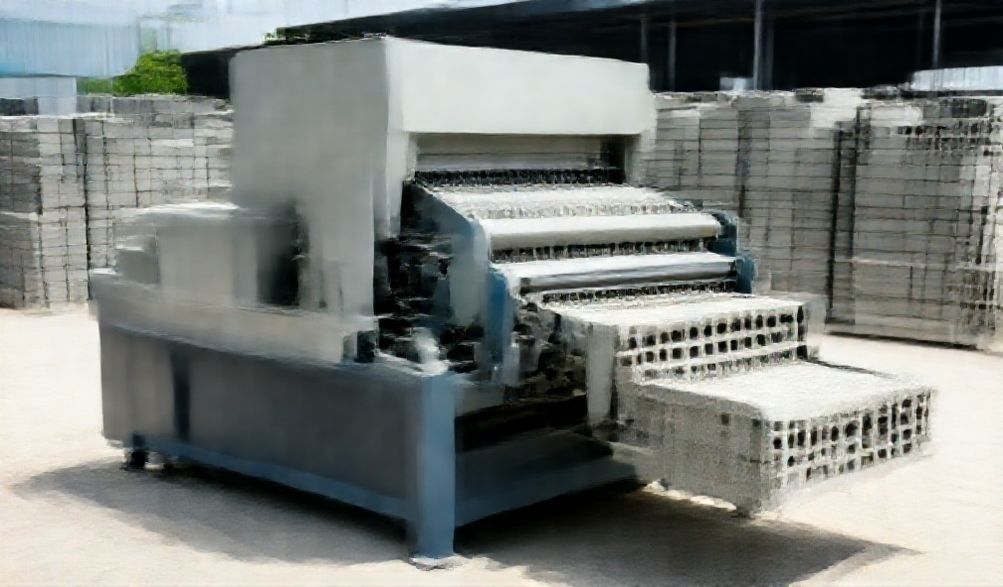
Hướng Dẫn Toàn Diện Về Máy Sản Xuất Gạch Xi Măng Tại Malaysia (2026)
Giới thiệu
Khung cảnh đường chân trời của Malaysia là minh chứng cho một ngành xây dựng luôn không ngừng vận động. Từ những dự án hạ tầng trọng điểm nằm trong các kế hoạch tổng thể quốc gia, đến những khu phát triển nhà ở sôi động đáp ứng nhu cầu đô thị, gạch vẫn là vật liệu nền tảng cho sự tăng trưởng này. Tuy nhiên, đối với nhiều nhà thầu xây dựng, nhà thầu phụ và chủ đầu tư bất động sản, việc phụ thuộc vào các nhà cung cấp gạch truyền thống lại mang đến một loạt thách thức lặp đi lặp lại: giá cả tăng đột biến khó lường, chậm trễ trong chuỗi cung ứng, và sự thiếu đồng nhất đáng lo ngại về chất lượng có thể làm ảnh hưởng đến tính toàn vẹn của cả một dự án.
Sẽ thế nào nếu giải pháp không chỉ là tìm một nhà cung cấp tốt hơn, mà là tự mình trở thành nhà cung cấp? Việc sản xuất gạch xi măng tại chỗ bằng các máy làm gạch chuyên dụng đang nhanh chóng chuyển đổi từ một hoạt động công nghiệp chuyên biệt thành một lợi thế chiến lược cho các doanh nghiệp Malaysia ở mọi quy mô. Cách tiếp cận hiện đại này mang lại khả năng kiểm soát, hiệu quả và tiết kiệm chi phí chưa từng có.
Đây là cẩm nang toàn diện, được biên soạn làm nguồn thông tin đáng tin cậy dành cho bạn. Tổng hợp từ góc nhìn ngành, phân tích kỹ thuật và hiểu biết sâu sắc về thị trường địa phương Malaysia, cuốn cẩm nang này giúp bạn loại bỏ những thông tin nhiễu loạn. Chúng tôi sẽ mang đến sự rõ ràng cần thiết để bạn đưa ra quyết định tự tin và sáng suốt. Đến cuối cẩm nang, bạn sẽ nắm vững các loại máy móc hiện có, những tính năng quan trọng, cái nhìn thực tế về chi phí và nhà cung cấp tại Malaysia, cùng khuôn khổ rõ ràng để lựa chọn thiết bị hoàn hảo phù hợp với quy mô dự án và tham vọng kinh doanh của mình.
Tại sao nên cân nhắc mua máy làm gạch xi măng ở Malaysia?
Việc chuyển sản xuất gạch vào nội bộ là một quyết định quan trọng. Vượt ra ngoài khoản đầu tư ban đầu, đây là một sự chuyển dịch chiến lược trong hoạt động. Đối với doanh nghiệp phù hợp, lợi ích mang lại là đáng kể và trực tiếp giải quyết những điểm khó khăn trong môi trường xây dựng năng động của Malaysia.
Hiệu Quả Chi Phí và Kiểm Soát Nguyên Vật Liệu
Logic tài chính rất thuyết phục. Sở hữu một cỗ máy giúp bạn tách biệt khỏi sự biến động của giá gạch trên thị trường.
- Giảm Phụ Thuộc vào Nhà Cung Cấp:Bạn không còn phải chịu sự tăng giá đột ngột từ nhà cung cấp hoặc tình trạng khan hiếm trong mùa xây dựng cao điểm.
- Tối ưu hóa nguồn cung ứng nguyên vật liệuBạn có thể trực tiếp mua nguyên liệu thô số lượng lớn—xi măng, cát, và bụi mỏ đá—những thứ thường có giá ổn định và sẵn có rộng rãi tại địa phương.
- Tối Thiểu Hóa Chi Phí Hậu CầnLoại bỏ chi phí vận chuyển gạch thành phẩm nặng từ nhà máy đến công trường một cách định kỳ. Bạn chỉ cần vận chuyển nguyên liệu thô, điều này thường tiết kiệm chi phí hơn.
Tính Linh Hoạt và Khả Biến Sản Xuất Vượt Trội
Đây chính là lúc quyền sở hữu tỏa sáng. Máy làm gạch biến quy trình sản xuất của bạn thành một dịch vụ theo yêu cầu.
- Sản xuất theo nhu cầu:Sản xuất gạch theo nhu cầu dự án, giảm thiểu đáng kể nhu cầu sử dụng các bãi chứa lớn tốn kém và hạn chế lãng phí nguyên vật liệu do đặt hàng vượt mức.
- Tạo Thiết Kế Độc Đáo:Cần một kích thước, hình dáng hay màu sắc cụ thể cho một chi tiết kiến trúc? Với khuôn đúc có thể thay thế, bạn có thể sản xuất các khối rỗng tùy chỉnh, gạch lồng ghép cho cảnh quan, hoặc các khối lát đặc biệt theo kích thước, mang đến cho dự án của bạn một điểm nhấn độc đáo.
Hỗ trợ Mục tiêu Xây dựng và Phát triển Bền vững của Malaysia
Khoản đầu tư của bạn phù hợp với các mục tiêu quốc gia rộng lớn hơn, định vị doanh nghiệp của bạn như một người chơi có tầm nhìn xa.
- Hài hòa với Phát triển Quốc giaHỗ trợ các sáng kiến về cơ sở hạ tầng và nhà ở giá rẻ do chính phủ lãnh đạo bằng cách đảm bảo nguồn cung cấp vật liệu xây dựng địa phương đáng tin cậy.
- Chào đón các Thực hành Bền vữngCác máy móc hiện đại cho phép kết hợp các sản phẩm phụ công nghiệp như tro bay hoặc xỉ vào hỗn hợp gạch của bạn. Điều này không chỉ làm giảm hàm lượng xi măng (giảm chi phí và dấu chân carbon) mà còn góp phần vào một nền kinh tế tuần hoàn hơn, một trọng tâm chính cho sự phát triển bền vững của Malaysia.
Đảm bảo Chất Lượng Đồng Đều & Tiến Độ Dự Án
Cuối cùng, kiểm soát sản xuất đồng nghĩa với việc kiểm soát kết quả và tiến độ dự án của bạn.
- Đảm Bảo Độ Bền Đồng ĐềuBạn quy định tỷ lệ cấp phối, tỷ lệ nước-xi măng và quy trình nén. Điều này tạo ra những viên gạch có cường độ chịu nén cao và đồng nhất, lô này qua lô khác.
- Loại Bỏ Tình Trạng Trễ Dự Án:Không bao giờ phải đối mặt với tình trạng ngừng việc do gạch giao hàng chậm trễ. Lịch trình sản xuất nằm trong tầm kiểm soát của bạn, cho phép lập kế hoạch chính xác và hoàn thành dự án đúng hạn.
Các Loại Máy Sản Xuất Gạch Xi Măng Hiện Có
Hiểu rõ các loại máy móc là bước đầu tiên trong quy trình lựa chọn của bạn. Lựa chọn phù hợp phụ thuộc vào sản lượng yêu cầu, ngân sách và mức độ tự động hóa.
Máy Làm Gạch Thủ Công
Đây là những điểm khởi đầu cơ bản nhất trong sản xuất gạch, hoàn toàn dựa vào sức người.
- Hoạt động:Một hệ thống vận hành bằng đòn bẩy, trong đó người vận hành thủ công đổ đầy khuôn, nén hỗn hợp bằng lực cơ học và thả viên gạch đã định hình.
- Tốt Nhất Cho:Lý tưởng cho các dự án quy mô rất nhỏ, chủ nhà cá nhân, các công ty khởi nghiệp thử nghiệm thị trường hoặc sản xuất các mặt hàng chuyên biệt như gạch tự chèn làm vườn. Tính di động của chúng khiến chúng phù hợp với các công trường xa xôi không có điện.
- Ưu điểm & Nhược điểm:
- Ưu điểm:Chi phí ban đầu cực thấp, không cần điện, bảo trì đơn giản, tính di động cao.
- Nhược điểm:Sản lượng rất thấp (thường từ 100-500 viên gạch mỗi ngày), đòi hỏi thể lực cao, chất lượng phụ thuộc nhiều vào tay nghề của người thợ.
Máy Làm Gạch Bán Tự Động
Danh mục này mang lại sự cân bằng tốt nhất cho hầu hết các doanh nghiệp vừa và nhỏ tại Malaysia, cung cấp hỗ trợ cơ giới hóa để đảm bảo chất lượng ổn định.
- Hoạt động:Được vận hành bằng động cơ điện hoặc động cơ diesel, các máy này sử dụng rung động và áp lực thủy lực hoặc cơ học để nén gạch. Người vận hành thủ công đưa hỗn hợp nguyên liệu vào phễu và lấy gạch thành phẩm ra để bảo dưỡng.
- Tốt Nhất Cho:Các bệ xưởng nhỏ đến trung bình, nhà thầu đảm nhận nhiều dự án mỗi năm, và doanh nghiệp tìm kiếm sản xuất ổn định, đáng tin cậy mà không cần tự động hóa hoàn toàn.
- Ưu điểm & Nhược điểm:
- Ưu điểm:Sản lượng cao hơn đáng kể so với máy thủ công (ví dụ: 1.000 – 3.000 viên gạch mỗi ca 8 giờ), độ đồng đều tốt, tiết kiệm năng lượng hơn các mô hình tự động hoàn toàn, chi phí đầu tư vừa phải.
- Nhược điểm:Vẫn cần một người vận hành chuyên trách, đầu ra không liên tục.
Máy Làm Gạch Tự Động Hoàn Toàn
These are industrial production lines designed for maximum output with minimal manual intervention.
- Hoạt động: These are complete systems with computerized controls. They automate the entire process: feeding raw materials, mixing, conveying the mix to the mold, high-pressure compaction, curing (in integrated systems), and stacking pallets of finished bricks.
- Tốt Nhất Cho: Large-scale brick manufacturing plants, businesses supplying to major developers or for export, and operations where labor cost and maximum volume are primary concerns.
- Ưu điểm & Nhược điểm:
- Ưu điểm: Very high, continuous output (10,000+ bricks per day), minimal labor requirements, exceptional consistency and product density, high level of automation.
- Nhược điểm: Very high capital investment, requires significant space and stable three-phase power supply, complex maintenance requiring specialized technicians.
Key Features to Evaluate When Buying
Once you’ve identified your machine type, drilling down into these critical features will ensure you select a model that delivers long-term value and reliability.
Năng lực sản xuất (Sản lượng mỗi Giờ/Ngày)
Don’t just look at the peak number. Industry practice shows it’s wiser to consider sustainable, daily output.
- Match Output to Demand: Calculate your average brick consumption per project or monthly sales target. Choose a machine whose thực tế output meets 120-150% of your current need to allow for growth and maintenance downtime.
- Understand Cycle Time: Ask suppliers for the cycle time (seconds per brick or per mold) and how many bricks are produced per cycle. This gives a clearer picture than a theoretical maximum.
Brick Type and Size Versatility
The ability to produce multiple products future-proofs your investment.
- Common Malaysian Brick Types: Ensure the machine can produce the sizes in demand:
- Solid/Hollow Blocks: 400mm x 200mm x (100mm, 150mm, 200mm)
- Interlocking Paving Blocks
- Đá vỉa hè
- Decorative bricks
- Khuôn có thể thay thế lẫn nhau: A key feature. Check the cost, lead time, and ease of changing molds. A good supplier in Malaysia should stock common mold sizes.
Power Source: Electric, Diesel, or Hybrid?
Your site conditions dictate the optimal choice.
- Điện: Cleaner, quieter, and more cost-effective to run in urban/industrial areas with reliable grid power. Requires a stable connection (often 3-phase for larger models).
- Đi-ê-zen Offers complete independence from the grid, essential for remote sites or areas with frequent power cuts. Higher fuel and maintenance costs, and generates noise/exhaust.
- Lai tạo: Some models offer dual-power capabilities, providing valuable flexibility.
Durability and After-Sales Support
This is the most critical E-E-A-T (Experience, Expertise, Authoritativeness, Trustworthiness) consideration for the Malaysian buyer. The machine’s build is only half the equation.
- Xây Dựng Bền Vững: Look for machines with high-grade steel frames, reinforced vibration tables, and quality hydraulic systems. The weight of the machine can often indicate material solidity.
- Local After-Sales Support is Non-Negotiable: A machine is a long-term asset. You must confirm:
- Local Service Technicians: Does the supplier have trained technicians based in Malaysia for repairs and maintenance?
- Spare Parts Inventory: Is there a local warehouse stocking wear-and-tear parts like mold liners, vibration motors, and hydraulic seals? Waiting months for a part from overseas is a business killer.
- Training: Does the purchase include proper on-site training for your operators?
Navigating the Malaysian Market: Suppliers and Costs
Entering the market with clear expectations will help you negotiate effectively and find a trustworthy partner.
Overview of Local Manufacturers vs. International Importers
Both options have merits, and the right choice depends on your priorities.
- Local Malaysian Manufacturers/Assemblers:
- Ưu điểm: Better understanding of local material conditions and standards, typically faster and cheaper service support, easier communication, parts more readily available.
- Suy xét: Technology may be based on older, proven designs rather than cutting-edge innovation.
- International Importers (e.g., from China, India, Europe):
- Ưu điểm: Access to the latest technological features and automation, potentially lower upfront cost for comparable specs.
- Critical Considerations: Verify the importer’s local support capability. Who will handle installation, warranty claims, and major repairs? Ensure they have a strong physical presence, not just a sales office.
Understanding the Price Range
Prices vary widely based on automation, capacity, and brand. Use these indicative brackets as a starting point (prices are in Malaysian Ringgit).
- Máy Làm Gạch Thủ Công: RM 3,000 – RM 20,000
- Máy Làm Gạch Bán Tự Động: RM 25,000 – RM 150,000
- Nhà máy sản xuất gạch tự động hoàn toàn: RM 200,000 – RM 1,000,000+
Disclaimer: These are broad estimates. Always get detailed quotations based on your specific requirements. Factors like mold customization, extra conveyors, and pallet stackers will affect the final price.
Essential Questions to Ask Your Supplier
Arm yourself with this checklist during negotiations:
- What is included in the quoted price? (Installation? Training? Initial set of molds? Delivery?)
- What is the warranty period and what does it specifically cover?
- Where is your spare parts warehouse located in Malaysia, and what is the typical availability for common parts?
- Can you provide contact details for 2-3 current customers in Malaysia for a reference check?
- Do your bricks comply with relevant Malaysian Standards (MS)? Can you assist with testing?
- Do you offer annual maintenance contracts?
The Business Case: ROI and Operational Setup
Turning your machine into a profitable asset requires planning beyond the purchase order.
Calculating Your Return on Investment (ROI)
A simplified framework helps visualize the payoff:
- Calculate Total Investment: Machine cost + installation + initial raw material stock + utility setup.
- Calculate Operational Cost per Brick: (Cost of cement + sand + quarry dust + electricity/fuel + labor + maintenance) per brick.
- Determine Your Benefit: This is either:
- Savings: The money you no longer pay to an external supplier per brick.
- Revenue: The selling price per brick if you are manufacturing for sale.
- Calculate Profit per Brick: Benefit per brick minus Operational Cost per brick.
- Estimate Payback Period: Total Investment / (Profit per brick x Monthly Production Volume).
Ví dụ: If your machine and setup cost RM 100,000, and you net a profit of RM 0.20 per brick while producing 30,000 bricks a month, your payback period is roughly 16-17 months.
Basic Operational Requirements in Malaysia
Plan your space and utilities accordingly:
- Không gian You need area for the machine, raw material storage (covered), a mixing station, and a curing yard. A semi-automatic setup may require 5,000-10,000 sq. ft.
- Power & Water: Ensure your site has the required electrical supply (voltage, phase). A consistent water source for the mix is essential.
- Nguyên liệu thô: Establish relationships with reliable sand and aggregate suppliers. Consistency in raw material quality is key to consistent brick quality.
- Quá trình xử lý Freshly molded bricks must be kept damp (by spraying water or covering with plastic sheets) for at least 7-14 days to gain strength properly. This is a crucial, often overlooked step.
Compliance and Standards
Producing for commercial projects requires adherence to standards.
- Malaysian Standards (MS): Familiarize yourself with the relevant MS for concrete bricks and blocks. Producing bricks that can be tested and certified to these standards significantly enhances their marketability and trust, especially for larger contractors and government projects.
- Quality Documentation: Maintain records of your mix designs and, if possible, conduct periodic compression tests at a certified lab. This builds authority and trust with your clients.
Frequently Asked Questions (FAQ)
Q1: What is the average cost of a cement brick making machine in Malaysia?
A: As outlined above, costs range dramatically from a few thousand RM for basic manual presses to over a million RM for fully automatic plants. For most small-to-medium businesses, a capable semi-automatic machine represents an investment between RM 50,000 to RM 120,000, depending on features and output.
Q2: Can I start a brick-making business with a small budget?
A: Absolutely. Many successful blockyard owners started with a single manual or small semi-automatic machine, fulfilling local orders. This allows you to validate the market, learn the process, and reinvest profits to scale up gradually.
Q3: How much profit can I make from making cement bricks?
A: Profitability is highly variable. It depends on your operational efficiency, local market prices for both raw materials and finished bricks, and your sales volume. A well-run, efficient small blockyard can see healthy margins by controlling costs and finding a steady client base.
Q4: Where can I find reliable suppliers in Malaysia?
A: Start by searching industrial machinery directories online. Attend construction and machinery trade shows, such as those endorsed by CIDB (Construction Industry Development Board). The most reliable method is to ask for referrals from others in the construction industry and always conduct the due diligence suggested in this guide.
Q5: What is the strength and quality of machine-made bricks compared to traditional ones?
A: When operated correctly, machine-made bricks typically surpass traditional sun-dried or manually produced bricks in consistency and compressive strength. The controlled vibration and high compaction force create a denser, more uniform product with fewer voids, leading to better structural performance and water resistance.
Conclusion
Investing in a cement brick making machine is more than a purchase; it’s a strategic decision to take control of a critical part of your construction supply chain. For businesses in Malaysia, it offers a powerful answer to cost volatility, quality concerns, and project delays. We’ve explored the spectrum from manual to fully automatic machines, highlighted the must-evaluate features—especially the paramount importance of local after-sales support—and provided a realistic view of the market landscape and costs.
Use this guide as your foundational knowledge. It is built on industry experience and designed for trustworthiness, presenting both opportunities and considerations. The next step is to engage with the market directly. Visit suppliers, see machines in operation, request brick samples from their demo units, and speak to their existing customers.
Ready to explore specific models and take the next step? Contact several reputable Malaysian suppliers today to discuss your unique project needs, operational setup, and request a detailed, comparative quotation.
For ongoing insights into construction materials, machinery trends, and business strategies in the Malaysian market, consider subscribing to our industry newsletter or exploring our library of related guides.
<