
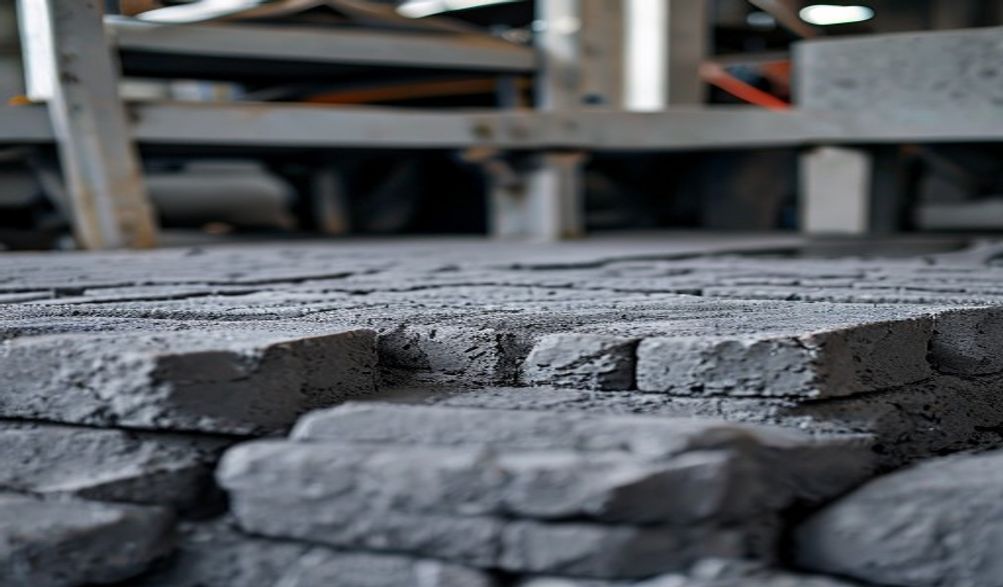
Cómo Elegir una Máquina para Fabricar Ladrillos de Ceniza Volante: Guía de Compra para Expertos 2024
Introducción
Elegir la máquina adecuada para fabricar ladrillos de cenizas volantes no es solo una compra; es una decisión empresarial crucial que definirá su capacidad de producción, la calidad del producto y su rentabilidad durante los próximos años. Con más de una década de experiencia en tecnología de construcción y fabricación sostenible, he sido testigo de primera mano de cómo el equipo correcto puede impulsar un negocio hacia el éxito, mientras que una mala elección puede llevar a cuellos de botella frustrantes, ladrillos de calidad inferior y una tensión financiera significativa.
El mercado está inundado de opciones, desde prensas manuales sencillas hasta plantas completamente automáticas de gran escala, cada una acompañada de jerga técnica y promesas atrevidas. Esta guía está diseñada para cortar ese ruido. Iremos más allá de los argumentos de venta y le proporcionaremos un marco claro y paso a paso, basado en experiencia práctica. Al final, tendrá el conocimiento para evaluar las máquinas según sus objetivos de producción específicos, materias primas y presupuesto, transformando una decisión compleja en una inversión segura para el futuro sostenible de su negocio.
Construyamos los cimientos para tu éxito.
Comprender los Requisitos de tu Proyecto: La Base de tu Decisión
Antes de que veas un solo folleto de máquinas, debes mirar hacia adentro. El error más común y costoso es comprar una máquina basándose en una función llamativa o un precio atractivo, solo para descubrir que no se ajusta a tu operación real. El contexto de tu negocio es el plano definitivo.
Evaluando Tu Escala de Producción y Objetivos Empresariales
Tu meta de producción diaria es el principal factor para elegir tu máquina. Sé implacablemente realista.
- Pequeña escala/Inicio (Hasta 1000 ladrillos/día):Es probable que estés probando el mercado, tengas capital limitado o estés cumpliendo pedidos locales y de nicho. Una máquina manual o semiautomática básica es tu punto de partida. Enfócate en una baja inversión inicial y en la simplicidad de operación.
- Mediana escala (1000 a 10,000 ladrillos/día):Este es el punto ideal para la mayoría de las PYMES en crecimiento y los fabricantes de ladrillos dedicados. Necesitas calidad constante y producción confiable. Una máquina robusta...Máquina semiautomática o totalmente automáticaSe vuelve esencial. Considera la expansión futura en tu plano de planta y suministro eléctrico.
- Gran Escala/Industrial (10,000+ ladrillos/día):Estás abasteciendo a proyectos importantes o distribuidores. La eficiencia y la mínima intervención humana son clave.líneas de producción completamente automáticas, controladas por PLCcon sistemas integrados de manejo de materiales y curado tienen sentido económico aquí.
Consejo Profesional:Siempre planifica un 20-25% más de capacidad que tu objetivo actual. Este margen de seguridad absorbe el crecimiento del mercado y evita que tu máquina se convierta en un cuello de botella en menos de un año.
Análisis de Disponibilidad y Calidad de Materias Primas
Tu máquina debe ser un aliado de tus materias primas, no trabajar en su contra.
- Consistencia de Cenizas VolantesLa calidad de tu ceniza volante (principalmenteTipo-Fa partir de hulla oTipo Cde sub-bituminosa/lignito) afecta directamente la resistencia del ladrillo y la proporción de cemento requerida. Una fuente local consistente es crítica. Ceniza inconsistente producirá ladrillos inconsistentes.
- Otros materiales:Evalúa la calidad y granulometría de tu arena o polvo de piedra. ¿Está fácilmente disponible y es accesible en precio? ¿Cuál es la calidad del agua local? El agua dura puede afectar el curado.
- Necesidades de Preprocesamiento:Si tus materias primas (como la arena) no tienen un tamaño uniforme, podrías necesitar equipo auxiliar como una...trituradora o cribadoraantes de mezclar. Un producto de alta calidadMezcladora de panes no negociable para lograr una mezcla homogénea, que es el primer paso para un ladrillo resistente.
Definiendo las Especificaciones de Tu Ladrillo y la Demanda del Mercado
¿Qué estás vendiendo y a quién se lo vendes? Tu producto define el molde y la presión de la máquina.
- Tamaños y Tipos Estándar:¿Están fabricando bloques sólidos estándar de 4″, 6″ u 8″ para trabajo estructural? ¿Sonbloques huecos(que ahorra material y mejora el aislamiento) ¿tendrá mayor demanda? Tal vez el mercado para pavimentarladrillos entrelazadospara paisajismoAdoquinesestá en auge en tu región.
- Resistencia a la Compresión:Esta es la reina de las especificaciones. Los muros de carga pueden requerir ladrillos con una resistencia a la compresión de 7-10 MPa o más, mientras que los muros divisorios pueden usar unidades de menor resistencia. Conozca los códigos de construcción locales y los requisitos del cliente. La capacidad de presión de la máquina (tonelaje) es el factor principal que determina esta resistencia.
Especificaciones Técnicas Clave de las Máquinas para Fabricar Ladrillos de Ceniza Volante
Ahora, con el plan de tu proyecto en mano, podemos decodificar el lenguaje técnico de la máquina. Aquí es donde la experiencia separa una buena inversión de un error costoso.
Tipos de Máquinas para Fabricar Ladrillos de Ceniza Volante
-
Máquinas Manuales:Operado completamente por palancas manuales o volantes.
- Pros:Costo inicial muy bajo, requisito de energía mínimo o nulo, sencillo de entender.
- Contras:Producción extremadamente baja (200-500 ladrillos/día), altamente intensiva en mano de obra, calidad del producto inconsistente, físicamente exigente.
- Mejor para:Micro-startups, proyectos comunitarios o producción de muestras.
-
Máquinas Semiautomáticas:El operador introduce la mezcla en la tolva de la máquina, pero el prensado, la expulsión y, a veces, la alimentación se realizan de forma motorizada (hidráulica o vibratoria).
- Pros:Excelente equilibrio entre producción (1000-5000+ ladrillos/día), costo y calidad. Buena consistencia con menos mano de obra que las máquinas manuales. A menudo son modulares, lo que permite futuras mejoras.
- Contras:Requiere un suministro eléctrico constante y algo de mano de obra calificada para su operación y mantenimiento.
- Mejor para:La gran mayoría de las pequeñas y medianas empresas (PYMEs). Esta es la categoría más popular y versátil.
-
Máquinas Completamente Automáticas:Líneas de producción controladas por computadora (PLC). Automatizan la alimentación de materiales, mezclado, prensado, disposición de apilamiento de curado y, a veces, retorno de tarimas.
- Pros:Producción muy alta y constante (más de 10,000 ladrillos/día) con mínima mano de obra. Uniformidad excepcional del producto y control de calidad.
- Contras:Alta inversión de capital, requiere espacio significativo y una infraestructura eléctrica trifásica robusta, mantenimiento complejo que necesita técnicos especializados.
- Mejor para: Large-scale industrial plants with high, consistent demand.
Core Mechanism: Hydraulic vs. Vibratory Press
This is a fundamental technical choice impacting brick quality and production style.
-
Prensa Hidráulica: Uses a hydraulic cylinder to apply immense, controlled static pressure (measured in tons) to the raw mix in a mold.
- How it works: Oil is pumped into a cylinder, forcing a piston to compact the mix under high, sustained pressure.
- Ventajas: Produces bricks with superior density, strength, and dimensional accuracy. Excellent for high-strength solid blocks and interlocking bricks. The process is generally quieter.
- Consideraciones: Cycle time can be slightly slower than some vibratory systems, but modern machines are highly efficient.
-
Vibratory Press: Uses a combination of vibration and lower pressure to compact the material. The mix is subjected to high-frequency vibrations that settle the particles densely.
- How it works: An eccentric weight rotates at high speed, creating vibrations transmitted to the mold table.
- Ventajas: Often has a faster cycle time, making it suitable for high-volume production of certain hollow block designs. Can be more energy-efficient for specific applications.
- Consideraciones: May not achieve the same ultra-high compressive strengths as a high-tonnage hydraulic press for solid blocks. Can be noisier and cause more wear on molds.
Veredicto: For fly ash bricks where high compressive strength is a primary selling pointlahydraulic press is often the recommended and more prevalent choice. However, discuss your specific brick portfolio with suppliers, as some vibratory machines are excellent for certain products.
Critical Machine Specifications to Scrutinize
When comparing models, these are the numbers that matter:
- Capacidad de Presión (Tonelaje): Ranges from 20 tons for small machines to 200+ tons for large ones. Higher tonnage = higher potential brick density and compressive strength. Match this to your strength requirements.
- Cycle Time & Production Output: Cycle time is the seconds/minutes to produce one batch (e.g., 4 bricks). Output is bricks per hour/day. Ensure the claimed output is based on a standard cycle time, not a theoretical maximum. Cross-reference this with your scale assessment.
- Power Requirement (HP/KW): Determines your electricity bill and necessary connection. A 10 HP machine is vastly different from a 50 HP one. Factor this into your operational cost model.
- Nivel de Automatización: Does it have an auto-feeder? An automatic pallet return system? A product stacker? Each level of automation reduces labor, increases consistency, and adds to the cost. Choose based on your labor availability and cost.
Beyond the Machine: Essential Auxiliary Equipment
A brick machine alone does not make a brick plant. Ignoring these components is like buying a car without planning for fuel or maintenance.
The Importance of a Quality Pan Mixer
The mixing process is where quality is born. A forced-action Mezcladora de pan with rotating stars/scrapers is essential. It ensures every particle of fly ash, sand, and cement is uniformly coated, leading to consistent strength and color. Size its batch capacity to match your machine’s cycle to avoid waiting time.
Brick Curing and Drying Systems
Freshly pressed “green” bricks are fragile. Proper curing is what gives them strength.
- Water Curing: The traditional method. Bricks are stacked and kept wet for 14-28 days. It’s low-cost but requires vast space, time, and consistent attention.
- Steam Curing (Autoclaving): Bricks are placed in a chamber and cured with steam under pressure for 8-12 hours. It’s faster, space-efficient, and produces higher early-strength bricks, but requires a significant investment in an autoclave and boiler.
- Pallets & Racks: You’ll need a sufficient number of steel or wooden pallets to hold bricks through the curing cycle and sturdy racks for organized storage.
Material Handling & Logistics
Moving tons of raw material and bricks manually is inefficient and increases breakage.
- Feed Hoppers & Conveyors: Belt conveyors or screw feeders can move raw mix from the mixer to the machine hopper seamlessly.
- Green Brick Handling: Forklifts, trolleys, or simple transfer carts are needed to move fresh bricks to the curing area without damage.
- Apilamiento: For larger operations, mechanical brick stackers can dramatically reduce labor and time post-curing.
The Supplier Evaluation Checklist: Ensuring Trust & Quality
The machine is only as good as the company behind it. This step protects your investment.
Manufacturer Reputation & After-Sales Service
- Research: Look for a history of 10+ years. Search for the company name + “reviews” or “complaints.” Ask for a list of client references and actually call them.
- The Deal-Breaker – After-Sales Support: Does the supplier offer installation supervision, on-site operator training, and a local service network? What is the warranty period (aim for at least 1 year on critical parts)? How quickly can they supply spare parts? A cheap machine with no support is the most expensive machine you can buy.
Requesting a Factory Visit & Machine Trial
If possible, never buy a machine you haven’t seen running.
- Witness Operation: Visit the manufacturer’s facility. See the machine’s build quality, weld points, and electrical panels. Observe it in action—is the operation smooth? Is the noise level acceptable?
- Conduct a Trial: The golden rule. Bring a sample of your own fly ash and raw materials. Have the supplier produce bricks with them. Test these bricks for dimensional accuracy, edge sharpness, and later, for compressive strength in a lab. This proves the machine’s capability with tu inputs.
Cost Analysis: Understanding the Total Investment
Look beyond the sticker price.
- Total Project Cost: Includes:
- Machine Price
- Auxiliary Equipment (Mixer, Conveyor, Pallets)
- Installation & Foundation Civil Work
- Electrical Setup (Transformers, Wiring)
- Transportation and Insurance
- Initial Spare Parts Kit
- Operational Cost per Brick: Calculate the cost of power, labor, maintenance, and raw materials for every 1000 bricks produced. A slightly more expensive but efficient and robust machine will often have a lower operational cost.
- Avoid the Cheap Trap: The lowest bid often cuts corners on steel quality, hydraulic components, and motor brands. This leads to frequent breakdowns, higher maintenance costs, and lost production time. Invest in reliability.
FAQ: Your Fly Ash Brick Machine Questions Answered
Q1: What is the average cost range for a good fly ash brick making machine?
A: Prices vary dramatically. A basic manual machine can start from $1,500 – $3,000. A quality semi-automatic hydraulic machine typically ranges from $15,000 – $50,000+, depending on automation and output. Fully automatic production lines begin around $80,000y puede exceder$250,000. Always get detailed quotes based on your specific output and automation requirements.
Q2: Can I use the same machine to produce different types of bricks (e.g., hollow and solid)?
A: Yes, most machines are designed for this, but with caveats. The machine must have sufficient pressure (tonnage) to produce dense solid blocks. You will need to purchase interchangeable molds for each brick type (hollow, solid, paver). Ensure the supplier can provide or source these additional molds and that the machine’s feed system and ejection mechanism are compatible with the different brick heights and designs.
Q3: What is the typical payback period for this investment?
A: With efficient operation and good market demand, a well-planned SME setup can see a payback period of 1.5 to 3 years. For a simplified estimate: (Total Investment Cost) / [(Selling Price per Brick – Cost per Brick) * Monthly Production]. Factors like your local brick price, raw material cost, and sales volume are critical.
Q4: How much skilled labor is required to operate a semi-automatic machine?
A: A standard semi-automatic plant can be effectively run by 2-3 semi-skilled workers. One attends to the mixer and machine feeding, while the others handle the green bricks—transferring them to curing stacks and managing pallets. Comprehensive training from the supplier is essential for safe and efficient operation.
Q5: What are the most common maintenance issues, and how can I prevent them?
A:
* Hydraulic Oil Leaks: Caused by worn seals or loose fittings. Prevention: Regular inspection and using the recommended grade of hydraulic oil.
* Mold Wear & Tear: Leading to rough brick edges or dimensional issues. Prevention: Regular cleaning after each shift and ensuring the raw mix is free of large, hard impurities.
* Electrical Faults: From dust ingress or loose connections. Prevention: Keeping control panels clean and dry, and conducting periodic checks.
* General Wear: On moving parts like bearings and guides. Prevention: Strict adherence to the daily and weekly lubrication schedule outlined in the manual.
Conclusión
Choosing the perfect fly ash brick making machine is a systematic journey, not a snap decision. It begins with a clear-eyed assessment of your own production goals, raw materials, and market. This foundation allows you to navigate the technical landscape—understanding the vital difference between hydraulic and vibratory systems, and scrutinizing specifications like tonnage and cycle time. Finally, pairing the right technical specifications with a reputable, service-oriented supplier seals your investment’s success.
Remember, the best machine is not the cheapest or the most feature-laden. It is the one that forms the optimal bridge between your current reality and your growth ambitions, enabling you to produce high-quality, sustainable building materials profitably and reliably. Use this guide as your checklist, ask the hard questions, and invest with confidence.
Call to Action (CTA):
Ready to take the next step? Download our free, detailed Fly Ash Brick Machine Buyer’s Checklist to compare suppliers and specifications systematically. For personalized advice, contact our industry experts with your project details.