
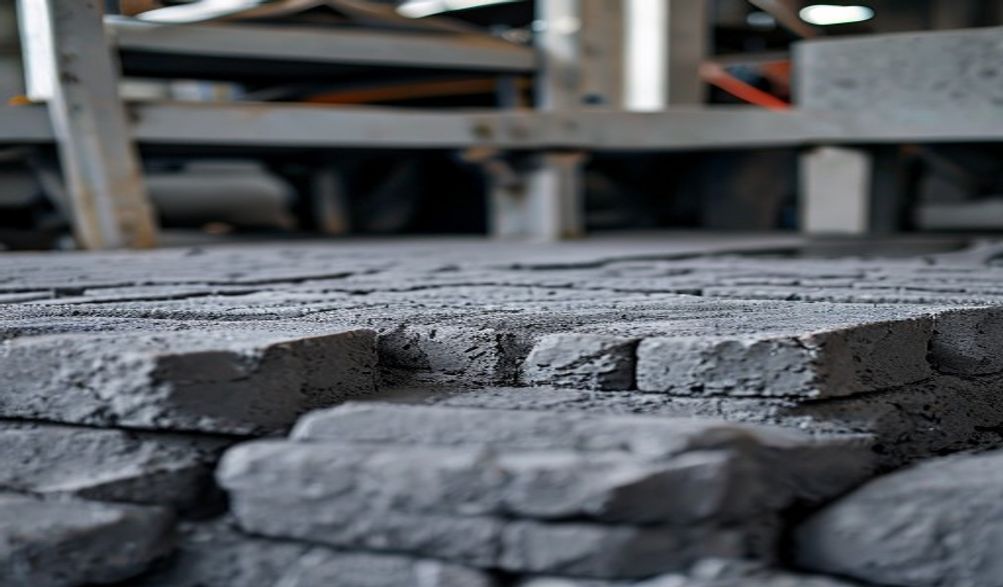
Флай-эш (күл) керапишлери ясайъан машинаны насыл сайламалы: 2024-нҗи йыл учун експерт сатып алувчынын гулланмасы
Giriş
Dogry uçan kül garyndan maşyny saýlamak, diňe bir satyn almak däl; bu, uzak ýyllar dowamynda öndüriş kuwwatyňyzy, önüm hilini we girdejiňizi kesgitleýän esasy iş kararydyr. Gurluşyk tehnologiýasy we dowamly önümçilik boýunça on ýyldan gowrak tejribem bilen, dogry enjamlaryň işiňizi üstünlikli derejä nädip ýetirip biljekdigini we ýaramaz saýlamanyň bolsa, döwüldiji bottlenecklere, pes hilli garynlara we uly maliýe kynçylyklaryna nädip getirip biljekdigini öz gözüm bilen gördim.
Bazar ýörite guraldan tutup giňişleýin awtomatik zawodlara çenli dürli wariantlar bilen doly, her biri tehniki terminologiýa we güýçli wadalar bilen bir gelýär. Bu gollanma şol sesleri kesip geçmek üçin düzüldi. Biz satuw çykyşlaryndan daşary çykyp, amaly tejribäniň üstünde gurlan aýdyň, ädim-ädim çarçuwy hödürleýäris. Soňunda, özüňiziň öndüriş maksatlaryňyza, çig malyňyza we büdjetiňize esaslanýan enjamlary bahalandyrmak üçin bilim alarsyňyz, çylşyrymly karary işiňiziň dowamly geljekdäki sarp edilişine öwrüp bilersiňiz.
Seniň üstünligiň üçin esas döreýäris.
Siziň taslamanyňyzyň talapalaryny düşünmek: Saýlanyňyzyň esasyny düzýär
Bir maşynanyň prospektine seretmezden öň, öz içiňize serediň. Iň köp duş gelýän we gymmatly ýalňyş, maşynyň gözelliklerine ýa-da çekiji bahasyna görä satyn almak, ýöne onuň işiňize laýyk gelmeýändigini duýmakdyr. Işiňiziň konteksti iň soňky gurluş planydyr.
Öndürijilik Miweziňizi we Iş Maksatlaryňyzy Bahalandyrmak
Gündelik önümçilik hedefiňiz, maşyny saýlamagyň esasy sebäbidir. Amansyz realistik boluň.
- Kiçi ölçegli/Startap (Günde 1000 kerpiç çenli):Siz ehtimal bazary barlap görýärsiňiz, maddy kuwwatyňyz çäklendirilen ýa-da ýerli, aýratyn sargytlary ýerine ýetirýärsiňiz. El ýa-da esasy ýary-awtomatik maşyn başlangyç nokadyňyzdyr. Başlangyç goýumynyň pesligine we işleýişiniň ýönekeýligine üns beriň.
- Orta ölçekli (günde 1000-den 10 000-e çenli kerpiç):Бу, köp ösýän kiçi we orta işewürlikler we yhlasly kerpiç öndürijiler üçin iň amatly ýer. Siz yzygiderli hilli we ygtybarly önüm çykaryşyna möhtäç. Güýçli weyarı awtomatik ýa-da doly awtomatik maşynzerurly guralmagyňyzda geljekki giňeltmek we elektr üpjünçiligini göz öňünde tutuň.
- Uly ölçegli/Önümçilik (10,000+ günlük kerpiç):Siz uly taslamalary ýa-da distributorlary üpjün edýärsiňiz. Netijelilik we minimal adam aralaşmagy möhümdir. Diňedoly awtomatlaşdyrylan, PLC bilen dolandyrylan öndürijilik hatlarybu ýerde integrasirlenen materialy işleýän we gowşandyryş ulgamlary ykdysady many berýär.
Professional Maslahat:Öz maksadyňyzdan 20-25% köp kuwwatlylyk meýilleşdiriň. Bu goşmaça kuwwat bazaryň ösüşine ýol berýär we maşynyňyzyň bir ýylyň içinde çykynjyk bolup galmagynyň öňüni alýar.
Çyg Malynyň Elýeterliligi we Hiliň Analizi
Maşynyňyz çig malyňyza garşy däl-de, onuň ýoldaşy bolmaly.
- Флай эш бирдейлиги:Siziň uçýan külüňiziň hil (esasan)F-Типбитумлы көмүрден жеC-Tipiсуббитумин/лигнит көмүр күлүнүн сапаты (көмүр түрүнө жараша) түздөн-түз кыштын бекемдигине жана талап кылынган цемент пропорциясына таасир этет. Туруктуу жергиликтүү булак маанилүү. Туруксуз күл туруксуз кыштарга алып келет.
- Başga Materiallar:Özüňiziň guryumyň ýa-da daş tozunyň hilini we granulometriýasyny bahalaň. Ol aňsat elýeterlimi we elýeterli bahadymy? Ýerli suwyň hili näme? Gaty suw gurytmaga täsir edip bilýär.
- Öň işleme zerurlyklary:Eger harydyňyz (meselä, çäge) birmeňzeş ölçegde bolmasa, goşmaça enjamlar gerek bolar, ýaly...дробилка же экранаралашдырмаздан. Ýokary hilliпана миксерbirmeňzeş garyndyny gazanmak üçin çekilmeýär, bu güýçli kerpiçiň ilkinji ädimidir.
Siziň Kerpiç Spesifikasiýalaryňyzy we Bazaryň Talabyny Kesgitlemek
Sen nämä satýarsyň we kime satýarsyň? Önümiňiz kalyp we maşyn basyşyny kesgitleýär.
- Standart Ölçegler we Görnüşler:Siz gurluşyk işleri üçin standart 4″, 6″ ýa-da 8″ berk bloklary taýýarlaýarsyňyzmy?boş bloklarhangi material tygşytlaýar we ýalytlygy gowulandyrýar) hasaplaýan ýollaryň has köp talap edilmegi? Belki-de, döşeme üçin bazaryň...бир-бирлешик кирпичлержесапаландырмакPaverssebitde gülläp ösýär.
- Ыкмалык беркдиги:Bu, spetsifikasiýalaryň şasydyr. Ýük göteriji diwarlar 7-10 MPa ýa-da ondan ýokary basyş güýji bolan kerpiçleri talap edip biler, bölüji diwarlar bolsa pes güýçli birlikleri ulanyp biler. Ýerli gurluşyk kodlaryňyzy we müşderi talaplaryňyzy bilmegiňiz zerur. Maşynyň basyş kuwwaty (tonna) bu güýji kesgitleýän esasy faktor.
Kül kerpiç maşynlarynyň esasy tehniki spesifikasiýalary
Indi, taslama meýilnamanyzyňyz elinizde bolsa, maşynyň tehniki dilini düşünüp bileris. Bu ýerde hünär, gowy maýa goýum bilen gymmat ýalňyşlygyň arasyndaky tapawudy kesgitleýär.
Güýçli külkerpiç ýasaýyş maşynlarynyň görnüşleri
-
Elderly Machines:El bilen lewýer ýa-da aýlaw çarhlary bilen doly dolandyrylýar.
- Artalary:Ilkibaşky bahasy gaty pes, güýç talaby ýok ýa-da örän az, düşünmek aňsat.
- Kemçilikler: Extremely low output (200-500 bricks/day), highly labor-intensive, inconsistent product quality, physically demanding.
- Iň gowy bolýar: Ultra-small startups, community projects, or producing samples.
-
Ýary-awtomatik maşynlar: The operator feeds the mix into the machine hopper, but the pressing, ejection, and sometimes feeding are powered (hydraulic or vibratory).
- Artalary: Excellent balance of output (1000-5000+ bricks/day), cost, and quality. Good consistency with less labor than manual machines. Often modular, allowing for future upgrades.
- Kemçilikler: Requires a steady power supply and some skilled labor for operation and maintenance.
- Iň gowy bolýar: The vast majority of small and medium enterprises (SMEs). This is the most popular and versatile category.
-
Doly Awtomatik Maşynlar: Computer-controlled (PLC) production lines. They automate material feeding, mixing, pressing, curing stack arrangement, and sometimes pallet return.
- Artalary: Very high, consistent output (10,000+ bricks/day) with minimal labor. Exceptional product uniformity and quality control.
- Kemçilikler: High capital investment, requires significant space and robust three-phase power infrastructure, complex maintenance needing specialized technicians.
- Iň gowy bolýar: Large-scale industrial plants with high, consistent demand.
Core Mechanism: Hydraulic vs. Vibratory Press
This is a fundamental technical choice impacting brick quality and production style.
-
Gidrawlik Press: Uses a hydraulic cylinder to apply immense, controlled static pressure (measured in tons) to the raw mix in a mold.
- How it works: Oil is pumped into a cylinder, forcing a piston to compact the mix under high, sustained pressure.
- Üstünlikler: Produces bricks with superior density, strength, and dimensional accuracy. Excellent for high-strength solid blocks and interlocking bricks. The process is generally quieter.
- Seretgeler: Cycle time can be slightly slower than some vibratory systems, but modern machines are highly efficient.
-
Vibratory Press: Uses a combination of vibration and lower pressure to compact the material. The mix is subjected to high-frequency vibrations that settle the particles densely.
- How it works: An eccentric weight rotates at high speed, creating vibrations transmitted to the mold table.
- Üstünlikler: Often has a faster cycle time, making it suitable for high-volume production of certain hollow block designs. Can be more energy-efficient for specific applications.
- Seretgeler: May not achieve the same ultra-high compressive strengths as a high-tonnage hydraulic press for solid blocks. Can be noisier and cause more wear on molds.
Verdict: For fly ash bricks where high compressive strength is a primary selling point,hydraulic press is often the recommended and more prevalent choice. However, discuss your specific brick portfolio with suppliers, as some vibratory machines are excellent for certain products.
Critical Machine Specifications to Scrutinize
When comparing models, these are the numbers that matter:
- Бирелуýçi Kuwwaty (Ton): Ranges from 20 tons for small machines to 200+ tons for large ones. Higher tonnage = higher potential brick density and compressive strength. Match this to your strength requirements.
- Cycle Time & Production Output: Cycle time is the seconds/minutes to produce one batch (e.g., 4 bricks). Output is bricks per hour/day. Ensure the claimed output is based on a standard cycle time, not a theoretical maximum. Cross-reference this with your scale assessment.
- Power Requirement (HP/KW): Determines your electricity bill and necessary connection. A 10 HP machine is vastly different from a 50 HP one. Factor this into your operational cost model.
- Awtomatlaşdyryş derejesi: Does it have an auto-feeder? An automatic pallet return system? A product stacker? Each level of automation reduces labor, increases consistency, and adds to the cost. Choose based on your labor availability and cost.
Beyond the Machine: Essential Auxiliary Equipment
A brick machine alone does not make a brick plant. Ignoring these components is like buying a car without planning for fuel or maintenance.
The Importance of a Quality Pan Mixer
The mixing process is where quality is born. A forced-action пана миксер with rotating stars/scrapers is essential. It ensures every particle of fly ash, sand, and cement is uniformly coated, leading to consistent strength and color. Size its batch capacity to match your machine’s cycle to avoid waiting time.
Brick Curing and Drying Systems
Freshly pressed “green” bricks are fragile. Proper curing is what gives them strength.
- Water Curing: The traditional method. Bricks are stacked and kept wet for 14-28 days. It’s low-cost but requires vast space, time, and consistent attention.
- Steam Curing (Autoclaving): Bricks are placed in a chamber and cured with steam under pressure for 8-12 hours. It’s faster, space-efficient, and produces higher early-strength bricks, but requires a significant investment in an autoclave and boiler.
- Pallets & Racks: You’ll need a sufficient number of steel or wooden pallets to hold bricks through the curing cycle and sturdy racks for organized storage.
Material Handling & Logistics
Moving tons of raw material and bricks manually is inefficient and increases breakage.
- Feed Hoppers & Conveyors: Belt conveyors or screw feeders can move raw mix from the mixer to the machine hopper seamlessly.
- Green Brick Handling: Forklifts, trolleys, or simple transfer carts are needed to move fresh bricks to the curing area without damage.
- Ыйыру: For larger operations, mechanical brick stackers can dramatically reduce labor and time post-curing.
The Supplier Evaluation Checklist: Ensuring Trust & Quality
The machine is only as good as the company behind it. This step protects your investment.
Manufacturer Reputation & After-Sales Service
- Research: Look for a history of 10+ years. Search for the company name + “reviews” or “complaints.” Ask for a list of client references and actually call them.
- The Deal-Breaker – After-Sales Support: Does the supplier offer installation supervision, on-site operator training, and a local service network? What is the warranty period (aim for at least 1 year on critical parts)? How quickly can they supply spare parts? A cheap machine with no support is the most expensive machine you can buy.
Requesting a Factory Visit & Machine Trial
If possible, never buy a machine you haven’t seen running.
- Witness Operation: Visit the manufacturer’s facility. See the machine’s build quality, weld points, and electrical panels. Observe it in action—is the operation smooth? Is the noise level acceptable?
- Conduct a Trial: The golden rule. Bring a sample of your own fly ash and raw materials. Have the supplier produce bricks with them. Test these bricks for dimensional accuracy, edge sharpness, and later, for compressive strength in a lab. This proves the machine’s capability with sen inputs.
Cost Analysis: Understanding the Total Investment
Look beyond the sticker price.
- Total Project Cost: Includes:
- Machine Price
- Auxiliary Equipment (Mixer, Conveyor, Pallets)
- Installation & Foundation Civil Work
- Electrical Setup (Transformers, Wiring)
- Transportation and Insurance
- Initial Spare Parts Kit
- Operational Cost per Brick: Calculate the cost of power, labor, maintenance, and raw materials for every 1000 bricks produced. A slightly more expensive but efficient and robust machine will often have a lower operational cost.
- Avoid the Cheap Trap: The lowest bid often cuts corners on steel quality, hydraulic components, and motor brands. This leads to frequent breakdowns, higher maintenance costs, and lost production time. Invest in reliability.
FAQ: Your Fly Ash Brick Machine Questions Answered
Q1: What is the average cost range for a good fly ash brick making machine?
A: Prices vary dramatically. A basic manual machine can start from $1,500 – $3,000. A quality semi-automatic hydraulic machine typically ranges from $15,000 – $50,000+, depending on automation and output. Fully automatic production lines begin around $80,000 and can exceed $250,000. Always get detailed quotes based on your specific output and automation requirements.
Q2: Can I use the same machine to produce different types of bricks (e.g., hollow and solid)?
A: Yes, most machines are designed for this, but with caveats. The machine must have sufficient pressure (tonnage) to produce dense solid blocks. You will need to purchase interchangeable molds for each brick type (hollow, solid, paver). Ensure the supplier can provide or source these additional molds and that the machine’s feed system and ejection mechanism are compatible with the different brick heights and designs.
Q3: What is the typical payback period for this investment?
A: With efficient operation and good market demand, a well-planned SME setup can see a payback period of 1.5 to 3 years. For a simplified estimate: (Total Investment Cost) / [(Selling Price per Brick – Cost per Brick) * Monthly Production]. Factors like your local brick price, raw material cost, and sales volume are critical.
Q4: How much skilled labor is required to operate a semi-automatic machine?
A: A standard semi-automatic plant can be effectively run by 2-3 semi-skilled workers. One attends to the mixer and machine feeding, while the others handle the green bricks—transferring them to curing stacks and managing pallets. Comprehensive training from the supplier is essential for safe and efficient operation.
Q5: What are the most common maintenance issues, and how can I prevent them?
A:
* Hydraulic Oil Leaks: Caused by worn seals or loose fittings. Prevention: Regular inspection and using the recommended grade of hydraulic oil.
* Mold Wear & Tear: Leading to rough brick edges or dimensional issues. Prevention: Regular cleaning after each shift and ensuring the raw mix is free of large, hard impurities.
* Electrical Faults: From dust ingress or loose connections. Prevention: Keeping control panels clean and dry, and conducting periodic checks.
* General Wear: On moving parts like bearings and guides. Prevention: Strict adherence to the daily and weekly lubrication schedule outlined in the manual.
Netije
Choosing the perfect fly ash brick making machine is a systematic journey, not a snap decision. It begins with a clear-eyed assessment of your own production goals, raw materials, and market. This foundation allows you to navigate the technical landscape—understanding the vital difference between hydraulic and vibratory systems, and scrutinizing specifications like tonnage and cycle time. Finally, pairing the right technical specifications with a reputable, service-oriented supplier seals your investment’s success.
Remember, the best machine is not the cheapest or the most feature-laden. It is the one that forms the optimal bridge between your current reality and your growth ambitions, enabling you to produce high-quality, sustainable building materials profitably and reliably. Use this guide as your checklist, ask the hard questions, and invest with confidence.
Call to Action (CTA):
Ready to take the next step? Download our free, detailed Fly Ash Brick Machine Buyer’s Checklist to compare suppliers and specifications systematically. For personalized advice, contact our industry experts with your project details.