
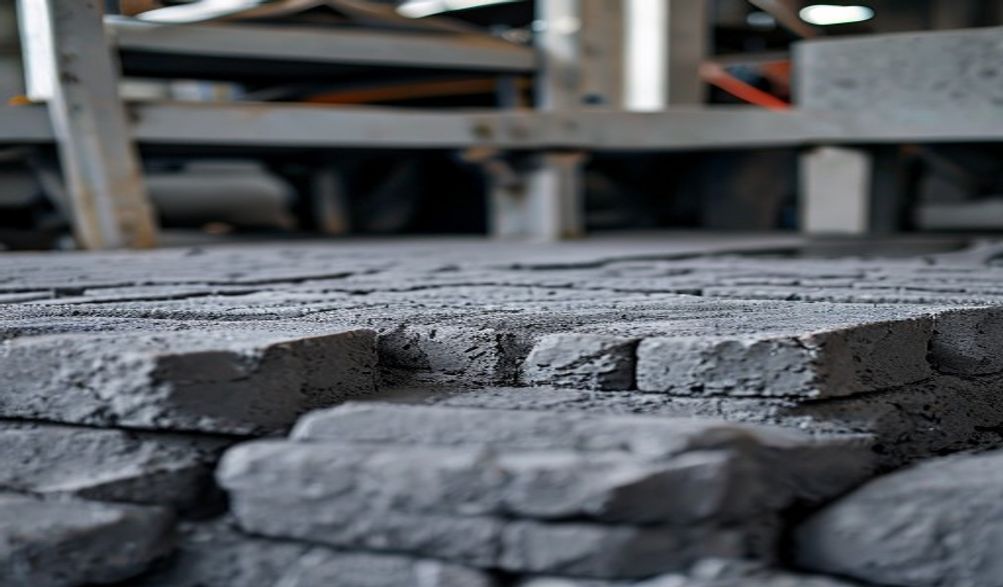
Как выбрать машину для производства кирпича из золы-уноса: Экспертное руководство для покупателей на 2024 год
Введение
Выбор правильной машины для производства кирпичей из золы-уноса — это не просто покупка; это ключевое бизнес-решение, которое определит ваши производственные мощности, качество продукции и прибыльность на годы вперед. Имея более чем десятилетний опыт в строительных технологиях и устойчивом производстве, я воочию убедился, как правильное оборудование может привести предприятие к успеху, в то время как неудачный выбор способен вызвать разочаровывающие узкие места, некачественные кирпичи и значительные финансовые трудности.
Рынок переполнен вариантами: от простых ручных прессов до масштабных полностью автоматизированных установок, каждый из которых сопровождается техническими терминами и громкими обещаниями. Это руководство создано, чтобы разобраться в этом шуме. Мы выйдем за рамки рекламных уловок и предоставим вам четкую пошаговую систему, основанную на практическом опыте. К концу изучения вы будете обладать знаниями, чтобы оценивать оборудование, исходя из ваших конкретных производственных задач, сырья и бюджета, превращая сложное решение в уверенные инвестиции в устойчивое будущее вашего бизнеса.
Заложим основу для вашего успеха.
Понимание ваших требований к проекту: основа вашего выбора
Прежде чем изучать рекламные брошюры оборудования, необходимо заглянуть внутрь себя. Самая распространенная и дорогостоящая ошибка — покупка машины, основанная на броской функции или привлекательной цене, только чтобы обнаружить, что она не подходит для вашей реальной деятельности. Контекст вашего бизнеса — это главный ориентир.
Оценка масштаба производства и бизнес-целей
Ваша ежедневная цель по производству — главный фактор при выборе оборудования. Будьте безжалостно реалистичны.
- Маломасштабное/Стартап (до 1000 кирпичей в день):Вероятно, вы тестируете рынок, имеете ограниченный капитал или выполняете локальные нишевые заказы. Вашей отправной точкой станет ручная или базовая полуавтоматическая машина. Сосредоточьтесь на низких первоначальных вложениях и простоте эксплуатации.
- Средний масштаб (от 1000 до 10 000 кирпичей в день):Это оптимальный вариант для большинства растущих малых и средних предприятий и специализированных производителей кирпича. Вам необходимы стабильное качество и надежный выпуск продукции. Надежнаяполуавтоматическая или полностью автоматическая машинастановится необходимым. Учтите будущее расширение в вашем плане этажа и источнике питания.
- Крупномасштабное/Промышленное (10 000+ кирпичей в день):Вы поставляете для крупных проектов или дистрибьюторов. Эффективность и минимальное вмешательство человека — ключевые факторы.полностью автоматизированные производственные линии, управляемые ПЛКИнтегрированные системы обработки материалов и отверждения здесь экономически оправданы.
Профессиональный совет:Всегда планируйте на 20-25% больше мощности, чем ваша текущая цель. Этот запас учитывает рост рынка и предотвращает превращение вашего оборудования в узкое место в течение года.
Анализ доступности и качества сырья
Ваше оборудование должно быть партнером для вашего сырья, а не работать против него.
- Консистенция золы-уноса:Качество вашей летучей золы (в первую очередьФ-Тайпиз битуминозного угля илиC-ТипОт типа золы (от суббитуминозного угля/лигнита) напрямую зависит прочность кирпича и необходимая доля цемента. Постоянный местный источник имеет решающее значение. Неоднородная зола приведет к неоднородным кирпичам.
- Другие материалы:Оцените качество и гранулометрический состав вашего песка или каменной пыли. Легко ли их приобрести и доступны ли они по цене? Какова качество местной воды? Жесткая вода может влиять на процесс твердения.
- Потребности в предварительной обработке:Если ваше сырье (например, песок) не имеет однородного размера, вам может потребоваться вспомогательное оборудование, такое какдробилка или грохотперед смешиванием. ВысококачественныйСмеситель для тестане подлежит обсуждению для достижения однородной смеси, что является первым шагом к прочному кирпичу.
Определение спецификаций вашего кирпича и рыночного спроса
Что вы продаете и кому? Ваш продукт определяет форму и давление машины.
- Стандартные размеры и типы:Вы производите стандартные полнотелые блоки размером 4″, 6″ или 8″ для конструкционных работ?пустотелые блокикоторый экономит материал и улучшает изоляцию, пользуется большим спросом? Возможно, рынок мощенияВзаимосвязанные кирпичиили ландшафтный дизайнТротуарная плиткаВ вашем регионе наблюдается бум.
- Прочность на сжатие:Это король характеристик. Несущие стены могут требовать кирпичи с прочностью на сжатие 7-10 МПа или выше, в то время как для перегородок можно использовать блоки меньшей прочности. Знайте свои местные строительные нормы и требования заказчика. Давление, создаваемое машиной (тоннаж), является основным фактором, определяющим эту прочность.
Ключевые технические характеристики машин для производства кирпича из золы-уноса
Теперь, имея на руках проектную схему, мы можем расшифровать технический язык машины. Именно здесь экспертиза отделяет удачное вложение от дорогостоящей ошибки.
Типы машин для производства кирпича из золы-уноса
-
Ручные станки:Управляется полностью вручную с помощью рычагов или маховиков.
- Плюсы:Очень низкая начальная стоимость, минимальные или нулевые требования к питанию, простота в понимании.
- Минусы:Крайне низкая производительность (200-500 кирпичей в день), высокая трудоемкость, нестабильное качество продукции, физически тяжелый труд.
- Лучше всего подходит для: Ultra-small startups, community projects, or producing samples.
-
Полуавтоматические станки: The operator feeds the mix into the machine hopper, but the pressing, ejection, and sometimes feeding are powered (hydraulic or vibratory).
- Плюсы: Excellent balance of output (1000-5000+ bricks/day), cost, and quality. Good consistency with less labor than manual machines. Often modular, allowing for future upgrades.
- Минусы: Requires a steady power supply and some skilled labor for operation and maintenance.
- Лучше всего подходит для: The vast majority of small and medium enterprises (SMEs). This is the most popular and versatile category.
-
Полностью автоматические машины: Computer-controlled (PLC) production lines. They automate material feeding, mixing, pressing, curing stack arrangement, and sometimes pallet return.
- Плюсы: Very high, consistent output (10,000+ bricks/day) with minimal labor. Exceptional product uniformity and quality control.
- Минусы: High capital investment, requires significant space and robust three-phase power infrastructure, complex maintenance needing specialized technicians.
- Лучше всего подходит для: Large-scale industrial plants with high, consistent demand.
Core Mechanism: Hydraulic vs. Vibratory Press
This is a fundamental technical choice impacting brick quality and production style.
-
Гидравлический пресс: Uses a hydraulic cylinder to apply immense, controlled static pressure (measured in tons) to the raw mix in a mold.
- How it works: Oil is pumped into a cylinder, forcing a piston to compact the mix under high, sustained pressure.
- Преимущества: Produces bricks with superior density, strength, and dimensional accuracy. Excellent for high-strength solid blocks and interlocking bricks. The process is generally quieter.
- Соображения: Cycle time can be slightly slower than some vibratory systems, but modern machines are highly efficient.
-
Vibratory Press: Uses a combination of vibration and lower pressure to compact the material. The mix is subjected to high-frequency vibrations that settle the particles densely.
- How it works: An eccentric weight rotates at high speed, creating vibrations transmitted to the mold table.
- Преимущества: Often has a faster cycle time, making it suitable for high-volume production of certain hollow block designs. Can be more energy-efficient for specific applications.
- Соображения: May not achieve the same ultra-high compressive strengths as a high-tonnage hydraulic press for solid blocks. Can be noisier and cause more wear on molds.
Verdict: For fly ash bricks where high compressive strength is a primary selling point,hydraulic press is often the recommended and more prevalent choice. However, discuss your specific brick portfolio with suppliers, as some vibratory machines are excellent for certain products.
Critical Machine Specifications to Scrutinize
When comparing models, these are the numbers that matter:
- Pressure Capacity (Tonnage): Ranges from 20 tons for small machines to 200+ tons for large ones. Higher tonnage = higher potential brick density and compressive strength. Match this to your strength requirements.
- Cycle Time & Production Output: Cycle time is the seconds/minutes to produce one batch (e.g., 4 bricks). Output is bricks per hour/day. Ensure the claimed output is based on a standard cycle time, not a theoretical maximum. Cross-reference this with your scale assessment.
- Power Requirement (HP/KW): Determines your electricity bill and necessary connection. A 10 HP machine is vastly different from a 50 HP one. Factor this into your operational cost model.
- Уровень автоматизации: Does it have an auto-feeder? An automatic pallet return system? A product stacker? Each level of automation reduces labor, increases consistency, and adds to the cost. Choose based on your labor availability and cost.
Beyond the Machine: Essential Auxiliary Equipment
A brick machine alone does not make a brick plant. Ignoring these components is like buying a car without planning for fuel or maintenance.
The Importance of a Quality Pan Mixer
The mixing process is where quality is born. A forced-action Смеситель для теста with rotating stars/scrapers is essential. It ensures every particle of fly ash, sand, and cement is uniformly coated, leading to consistent strength and color. Size its batch capacity to match your machine’s cycle to avoid waiting time.
Brick Curing and Drying Systems
Freshly pressed “green” bricks are fragile. Proper curing is what gives them strength.
- Water Curing: The traditional method. Bricks are stacked and kept wet for 14-28 days. It’s low-cost but requires vast space, time, and consistent attention.
- Steam Curing (Autoclaving): Bricks are placed in a chamber and cured with steam under pressure for 8-12 hours. It’s faster, space-efficient, and produces higher early-strength bricks, but requires a significant investment in an autoclave and boiler.
- Pallets & Racks: You’ll need a sufficient number of steel or wooden pallets to hold bricks through the curing cycle and sturdy racks for organized storage.
Material Handling & Logistics
Moving tons of raw material and bricks manually is inefficient and increases breakage.
- Feed Hoppers & Conveyors: Belt conveyors or screw feeders can move raw mix from the mixer to the machine hopper seamlessly.
- Green Brick Handling: Forklifts, trolleys, or simple transfer carts are needed to move fresh bricks to the curing area without damage.
- Стекинг: For larger operations, mechanical brick stackers can dramatically reduce labor and time post-curing.
The Supplier Evaluation Checklist: Ensuring Trust & Quality
The machine is only as good as the company behind it. This step protects your investment.
Manufacturer Reputation & After-Sales Service
- Research: Look for a history of 10+ years. Search for the company name + “reviews” or “complaints.” Ask for a list of client references and actually call them.
- The Deal-Breaker – After-Sales Support: Does the supplier offer installation supervision, on-site operator training, and a local service network? What is the warranty period (aim for at least 1 year on critical parts)? How quickly can they supply spare parts? A cheap machine with no support is the most expensive machine you can buy.
Requesting a Factory Visit & Machine Trial
If possible, never buy a machine you haven’t seen running.
- Witness Operation: Visit the manufacturer’s facility. See the machine’s build quality, weld points, and electrical panels. Observe it in action—is the operation smooth? Is the noise level acceptable?
- Conduct a Trial: The golden rule. Bring a sample of your own fly ash and raw materials. Have the supplier produce bricks with them. Test these bricks for dimensional accuracy, edge sharpness, and later, for compressive strength in a lab. This proves the machine’s capability with ваш inputs.
Cost Analysis: Understanding the Total Investment
Look beyond the sticker price.
- Total Project Cost: Includes:
- Machine Price
- Auxiliary Equipment (Mixer, Conveyor, Pallets)
- Installation & Foundation Civil Work
- Electrical Setup (Transformers, Wiring)
- Transportation and Insurance
- Initial Spare Parts Kit
- Operational Cost per Brick: Calculate the cost of power, labor, maintenance, and raw materials for every 1000 bricks produced. A slightly more expensive but efficient and robust machine will often have a lower operational cost.
- Avoid the Cheap Trap: The lowest bid often cuts corners on steel quality, hydraulic components, and motor brands. This leads to frequent breakdowns, higher maintenance costs, and lost production time. Invest in reliability.
FAQ: Your Fly Ash Brick Machine Questions Answered
Q1: What is the average cost range for a good fly ash brick making machine?
А: Prices vary dramatically. A basic manual machine can start from $1,500 – $3,000. A quality semi-automatic hydraulic machine typically ranges from $15,000 – $50,000+, depending on automation and output. Fully automatic production lines begin around $80,000 and can exceed $250,000. Always get detailed quotes based on your specific output and automation requirements.
Q2: Can I use the same machine to produce different types of bricks (e.g., hollow and solid)?
А: Yes, most machines are designed for this, but with caveats. The machine must have sufficient pressure (tonnage) to produce dense solid blocks. You will need to purchase interchangeable molds for each brick type (hollow, solid, paver). Ensure the supplier can provide or source these additional molds and that the machine’s feed system and ejection mechanism are compatible with the different brick heights and designs.
Q3: What is the typical payback period for this investment?
А: With efficient operation and good market demand, a well-planned SME setup can see a payback period of 1.5 to 3 years. For a simplified estimate: (Total Investment Cost) / [(Selling Price per Brick – Cost per Brick) * Monthly Production]. Factors like your local brick price, raw material cost, and sales volume are critical.
Q4: How much skilled labor is required to operate a semi-automatic machine?
А: A standard semi-automatic plant can be effectively run by 2-3 semi-skilled workers. One attends to the mixer and machine feeding, while the others handle the green bricks—transferring them to curing stacks and managing pallets. Comprehensive training from the supplier is essential for safe and efficient operation.
Q5: What are the most common maintenance issues, and how can I prevent them?
А:
* Hydraulic Oil Leaks: Caused by worn seals or loose fittings. Prevention: Regular inspection and using the recommended grade of hydraulic oil.
* Mold Wear & Tear: Leading to rough brick edges or dimensional issues. Prevention: Regular cleaning after each shift and ensuring the raw mix is free of large, hard impurities.
* Electrical Faults: From dust ingress or loose connections. Prevention: Keeping control panels clean and dry, and conducting periodic checks.
* General Wear: On moving parts like bearings and guides. Prevention: Strict adherence to the daily and weekly lubrication schedule outlined in the manual.
Заключение
Choosing the perfect fly ash brick making machine is a systematic journey, not a snap decision. It begins with a clear-eyed assessment of your own production goals, raw materials, and market. This foundation allows you to navigate the technical landscape—understanding the vital difference between hydraulic and vibratory systems, and scrutinizing specifications like tonnage and cycle time. Finally, pairing the right technical specifications with a reputable, service-oriented supplier seals your investment’s success.
Remember, the best machine is not the cheapest or the most feature-laden. It is the one that forms the optimal bridge between your current reality and your growth ambitions, enabling you to produce high-quality, sustainable building materials profitably and reliably. Use this guide as your checklist, ask the hard questions, and invest with confidence.
Call to Action (CTA):
Ready to take the next step? Download our free, detailed Fly Ash Brick Machine Buyer’s Checklist to compare suppliers and specifications systematically. For personalized advice, contact our industry experts with your project details.