
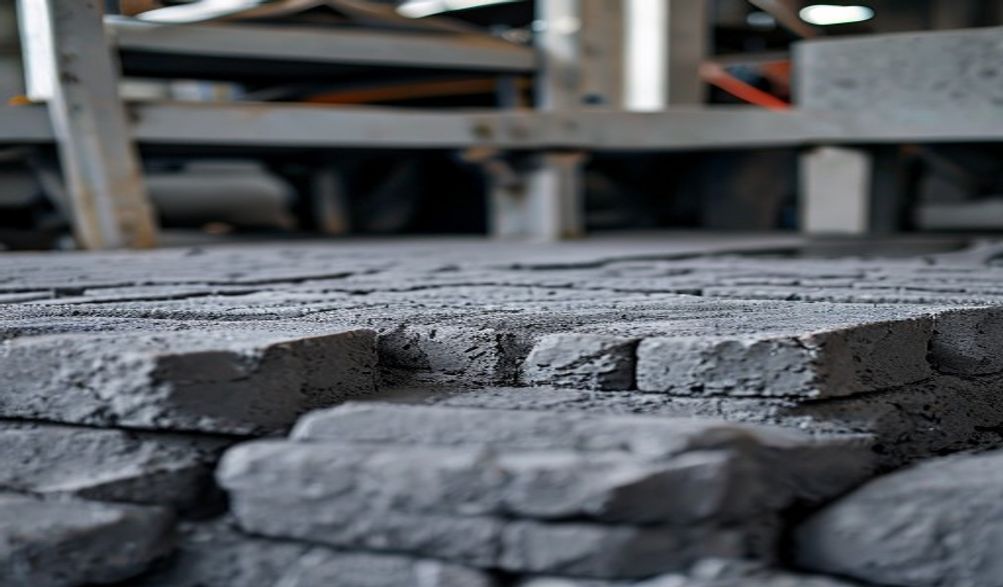
Як вибрати машину для виробництва цегли з летючої золи: Експертний посібник покупця на 2024 рік
Вступ
Вибір правильної машини для виробництва цегли з летючої золи — це не просто покупка; це ключове бізнес-рішення, яке визначить вашу виробничу потужність, якість продукції та прибутковість на довгі роки вперед. Маючи понад десятирічний досвід у сфері будівельних технологій та сталого виробництва, я на власні очі бачив, як правильне обладнання може сприяти успіху підприємства, тоді як невдалий вибір може призвести до розчаровуючих перешкод, неякісної цегли та значних фінансових труднощів.
Ринок переповнений варіантами: від простих ручних пресів до розлогих повністю автоматизованих заводів, кожен з яких супроводжується технічним жаргоном та сміливими обіцянками. Цей посібник створений, щоб розвіяти цей шум. Ми вийдемо за межі рекламних слоганів і надамо вам чітку, покрокову структуру, засновану на практичному досвіді. До кінця ви отримаєте знання, необхідні для оцінки обладнання з урахуванням ваших конкретних виробничих цілей, сировини та бюджету, перетворюючи складне рішення на впевнені інвестиції у стале майбутнє вашого бізнесу.
Давайте закладемо основу для вашого успіху.
Розуміння вимог вашого проекту: основа вашого вибору
Перш ніж ви вивчите будь-який каталог обладнання, спершу зверніться увагу на себе. Найпоширеніша та найдорожча помилка — купувати машину, керуючись яскравою функцією чи привабливою ціною, а потім виявляти, що вона не підходить для ваших реальних потреб. Контекст вашого бізнесу — це головний план дій.
Оцінка масштабу виробництва та бізнес-цілей
Ваша щоденна норма виробництва є основним критерієм вибору обладнання. Будьте безжально реалістичними.
- Малий/Стартап (до 1000 цеглин на день):Ймовірно, ви тестуєте ринок, маєте обмежений капітал або виконуєте локальні, нішеві замовлення. Вашою відправною точкою є ручна або базова напівавтоматична машина. Зосередьтеся на низьких початкових інвестиціях та простоті експлуатації.
- Середньомасштабне (від 1000 до 10 000 цеглин/день):Це ідеальне рішення для більшості зростаючих малих та середніх підприємств і спеціалізованих виробників цегли. Вам потрібна стабільна якість і надійний випуск продукції. Надійнанапівавтоматична або повністю автоматична машинастає важливим. Враховуйте майбутнє розширення у вашому плані поверху та електропостачанні.
- Великомасштабне/Промислове (10 000+ цеглин на день):Ви постачаєте для великих проектів або дистриб'юторів. Ефективність і мінімальне людське втручання є ключовими.повністю автоматизовані, керовані ПЛК виробничі лініїІз інтегрованими системами транспортування та тверднення матеріалів це має економічний сенс.
Професійна порада:Завжди плануйте на 20-25% більше потужності, ніж ваша поточна ціль. Цей запас враховує зростання ринку та запобігає тому, щоб ваше обладнання стало вузьким місцем протягом року.
Аналіз доступності та якості сировини
Ваша машина має бути партнером для ваших сировинних матеріалів, а не працювати проти них.
- Консистенція золи-виносу:Якість вашої золи-уносу (в основномуF-Типз бітумінозного вугілля абоC-Типвід суббітумінного/лігніту) безпосередньо впливає на міцність цегли та необхідну пропорцію цементу. Послідовне локальне джерело є критично важливим. Неоднорідна зола призведе до неоднорідної цегли.
- Інші матеріали:Оцініть якість та гранулометрію вашого піску або кам'яного пилу. Чи є він легкодоступним і доступним за ціною? Яка місцева якість води? Жорстка вода може вплинути на процес твердіння.
- Потреби в попередній обробці:Якщо ваші сировинні матеріали (наприклад, пісок) не мають однорідного розміру, вам можуть знадобитися допоміжні обладнання, такі якдробилка або грохотперед змішуванням. ВисокоякіснийПанмікерє беззаперечним для досягнення однорідної суміші, що є першим кроком до міцної цегли.
Визначення ваших специфікацій цегли та попиту на ринку
Що ви продаєте і кому ви це продаєте? Ваш продукт визначає вашу форму та тиск машини.
- Стандартні розміри та типи:Чи ви виготовляєте стандартні суцільні блоки розміром 4″, 6″ або 8″ для конструкційних робіт?порожнисті блоки(які економлять матеріали та покращують теплоізоляцію) у більшому попиті? Можливо, ринок для мощенняблоки, що зчіплюютьсяабо ландшафтний дизайнбруківкау вашому регіоні процвітає.
- Міцність на стискання:Це король специфікацій. Несучі стіни можуть вимагати цегли з міцністю на стиск 7-10 МПа або вище, тоді як перегородки можуть використовувати блоки з нижчою міцністю. Знайте свої місцеві будівельні норми та вимоги замовників. Тискова потужність машини (тоннаж) є основним фактором, що визначає цю міцність.
Ключові технічні характеристики машин для виробництва цегли з летючої золи
Тепер, маючи план вашого проекту, ми можемо розшифрувати технічну мову машини. Саме тут експертиза відрізняє гарну інвестицію від дорогої помилки.
Типи машин для виробництва цегли з летючої золи
-
Ручні верстати:Керується повністю вручну за допомогою важільних важелів або маховиків.
- Переваги:Дуже низька початкова вартів, мінімальне або відсутнє споживання енергії, простота у розумінні.
- Недоліки: Extremely low output (200-500 bricks/day), highly labor-intensive, inconsistent product quality, physically demanding.
- Найкраще для: Ultra-small startups, community projects, or producing samples.
-
Напівавтоматичні верстати: The operator feeds the mix into the machine hopper, but the pressing, ejection, and sometimes feeding are powered (hydraulic or vibratory).
- Переваги: Excellent balance of output (1000-5000+ bricks/day), cost, and quality. Good consistency with less labor than manual machines. Often modular, allowing for future upgrades.
- Недоліки: Requires a steady power supply and some skilled labor for operation and maintenance.
- Найкраще для: The vast majority of small and medium enterprises (SMEs). This is the most popular and versatile category.
-
Повністю автоматичні машини: Computer-controlled (PLC) production lines. They automate material feeding, mixing, pressing, curing stack arrangement, and sometimes pallet return.
- Переваги: Very high, consistent output (10,000+ bricks/day) with minimal labor. Exceptional product uniformity and quality control.
- Недоліки: High capital investment, requires significant space and robust three-phase power infrastructure, complex maintenance needing specialized technicians.
- Найкраще для: Large-scale industrial plants with high, consistent demand.
Core Mechanism: Hydraulic vs. Vibratory Press
This is a fundamental technical choice impacting brick quality and production style.
-
Гідравлічний прес: Uses a hydraulic cylinder to apply immense, controlled static pressure (measured in tons) to the raw mix in a mold.
- How it works: Oil is pumped into a cylinder, forcing a piston to compact the mix under high, sustained pressure.
- Переваги: Produces bricks with superior density, strength, and dimensional accuracy. Excellent for high-strength solid blocks and interlocking bricks. The process is generally quieter.
- Роздуми: Cycle time can be slightly slower than some vibratory systems, but modern machines are highly efficient.
-
Vibratory Press: Uses a combination of vibration and lower pressure to compact the material. The mix is subjected to high-frequency vibrations that settle the particles densely.
- How it works: An eccentric weight rotates at high speed, creating vibrations transmitted to the mold table.
- Переваги: Often has a faster cycle time, making it suitable for high-volume production of certain hollow block designs. Can be more energy-efficient for specific applications.
- Роздуми: May not achieve the same ultra-high compressive strengths as a high-tonnage hydraulic press for solid blocks. Can be noisier and cause more wear on molds.
Verdict: For fly ash bricks where high compressive strength is a primary selling point,hydraulic press is often the recommended and more prevalent choice. However, discuss your specific brick portfolio with suppliers, as some vibratory machines are excellent for certain products.
Critical Machine Specifications to Scrutinize
When comparing models, these are the numbers that matter:
- Pressure Capacity (Tonnage): Ranges from 20 tons for small machines to 200+ tons for large ones. Higher tonnage = higher potential brick density and compressive strength. Match this to your strength requirements.
- Cycle Time & Production Output: Cycle time is the seconds/minutes to produce one batch (e.g., 4 bricks). Output is bricks per hour/day. Ensure the claimed output is based on a standard cycle time, not a theoretical maximum. Cross-reference this with your scale assessment.
- Power Requirement (HP/KW): Determines your electricity bill and necessary connection. A 10 HP machine is vastly different from a 50 HP one. Factor this into your operational cost model.
- Рівень автоматизації: Does it have an auto-feeder? An automatic pallet return system? A product stacker? Each level of automation reduces labor, increases consistency, and adds to the cost. Choose based on your labor availability and cost.
Beyond the Machine: Essential Auxiliary Equipment
A brick machine alone does not make a brick plant. Ignoring these components is like buying a car without planning for fuel or maintenance.
The Importance of a Quality Pan Mixer
The mixing process is where quality is born. A forced-action Панмікер with rotating stars/scrapers is essential. It ensures every particle of fly ash, sand, and cement is uniformly coated, leading to consistent strength and color. Size its batch capacity to match your machine’s cycle to avoid waiting time.
Brick Curing and Drying Systems
Freshly pressed “green” bricks are fragile. Proper curing is what gives them strength.
- Water Curing: The traditional method. Bricks are stacked and kept wet for 14-28 days. It’s low-cost but requires vast space, time, and consistent attention.
- Steam Curing (Autoclaving): Bricks are placed in a chamber and cured with steam under pressure for 8-12 hours. It’s faster, space-efficient, and produces higher early-strength bricks, but requires a significant investment in an autoclave and boiler.
- Pallets & Racks: You’ll need a sufficient number of steel or wooden pallets to hold bricks through the curing cycle and sturdy racks for organized storage.
Material Handling & Logistics
Moving tons of raw material and bricks manually is inefficient and increases breakage.
- Feed Hoppers & Conveyors: Belt conveyors or screw feeders can move raw mix from the mixer to the machine hopper seamlessly.
- Green Brick Handling: Forklifts, trolleys, or simple transfer carts are needed to move fresh bricks to the curing area without damage.
- Нашарування: For larger operations, mechanical brick stackers can dramatically reduce labor and time post-curing.
The Supplier Evaluation Checklist: Ensuring Trust & Quality
The machine is only as good as the company behind it. This step protects your investment.
Manufacturer Reputation & After-Sales Service
- Research: Look for a history of 10+ years. Search for the company name + “reviews” or “complaints.” Ask for a list of client references and actually call them.
- The Deal-Breaker – After-Sales Support: Does the supplier offer installation supervision, on-site operator training, and a local service network? What is the warranty period (aim for at least 1 year on critical parts)? How quickly can they supply spare parts? A cheap machine with no support is the most expensive machine you can buy.
Requesting a Factory Visit & Machine Trial
If possible, never buy a machine you haven’t seen running.
- Witness Operation: Visit the manufacturer’s facility. See the machine’s build quality, weld points, and electrical panels. Observe it in action—is the operation smooth? Is the noise level acceptable?
- Conduct a Trial: The golden rule. Bring a sample of your own fly ash and raw materials. Have the supplier produce bricks with them. Test these bricks for dimensional accuracy, edge sharpness, and later, for compressive strength in a lab. This proves the machine’s capability with ваш inputs.
Cost Analysis: Understanding the Total Investment
Look beyond the sticker price.
- Total Project Cost: Includes:
- Machine Price
- Auxiliary Equipment (Mixer, Conveyor, Pallets)
- Installation & Foundation Civil Work
- Electrical Setup (Transformers, Wiring)
- Transportation and Insurance
- Initial Spare Parts Kit
- Operational Cost per Brick: Calculate the cost of power, labor, maintenance, and raw materials for every 1000 bricks produced. A slightly more expensive but efficient and robust machine will often have a lower operational cost.
- Avoid the Cheap Trap: The lowest bid often cuts corners on steel quality, hydraulic components, and motor brands. This leads to frequent breakdowns, higher maintenance costs, and lost production time. Invest in reliability.
FAQ: Your Fly Ash Brick Machine Questions Answered
Q1: What is the average cost range for a good fly ash brick making machine?
А: Prices vary dramatically. A basic manual machine can start from $1,500 – $3,000. A quality semi-automatic hydraulic machine typically ranges from $15,000 – $50,000+, depending on automation and output. Fully automatic production lines begin around $80,000 and can exceed $250,000. Always get detailed quotes based on your specific output and automation requirements.
Q2: Can I use the same machine to produce different types of bricks (e.g., hollow and solid)?
А: Yes, most machines are designed for this, but with caveats. The machine must have sufficient pressure (tonnage) to produce dense solid blocks. You will need to purchase interchangeable molds for each brick type (hollow, solid, paver). Ensure the supplier can provide or source these additional molds and that the machine’s feed system and ejection mechanism are compatible with the different brick heights and designs.
Q3: What is the typical payback period for this investment?
А: With efficient operation and good market demand, a well-planned SME setup can see a payback period of 1.5 to 3 years. For a simplified estimate: (Total Investment Cost) / [(Selling Price per Brick – Cost per Brick) * Monthly Production]. Factors like your local brick price, raw material cost, and sales volume are critical.
Q4: How much skilled labor is required to operate a semi-automatic machine?
А: A standard semi-automatic plant can be effectively run by 2-3 semi-skilled workers. One attends to the mixer and machine feeding, while the others handle the green bricks—transferring them to curing stacks and managing pallets. Comprehensive training from the supplier is essential for safe and efficient operation.
Q5: What are the most common maintenance issues, and how can I prevent them?
А:
* Hydraulic Oil Leaks: Caused by worn seals or loose fittings. Prevention: Regular inspection and using the recommended grade of hydraulic oil.
* Mold Wear & Tear: Leading to rough brick edges or dimensional issues. Prevention: Regular cleaning after each shift and ensuring the raw mix is free of large, hard impurities.
* Electrical Faults: From dust ingress or loose connections. Prevention: Keeping control panels clean and dry, and conducting periodic checks.
* General Wear: On moving parts like bearings and guides. Prevention: Strict adherence to the daily and weekly lubrication schedule outlined in the manual.
Висновок
Choosing the perfect fly ash brick making machine is a systematic journey, not a snap decision. It begins with a clear-eyed assessment of your own production goals, raw materials, and market. This foundation allows you to navigate the technical landscape—understanding the vital difference between hydraulic and vibratory systems, and scrutinizing specifications like tonnage and cycle time. Finally, pairing the right technical specifications with a reputable, service-oriented supplier seals your investment’s success.
Remember, the best machine is not the cheapest or the most feature-laden. It is the one that forms the optimal bridge between your current reality and your growth ambitions, enabling you to produce high-quality, sustainable building materials profitably and reliably. Use this guide as your checklist, ask the hard questions, and invest with confidence.
Call to Action (CTA):
Ready to take the next step? Download our free, detailed Fly Ash Brick Machine Buyer’s Checklist to compare suppliers and specifications systematically. For personalized advice, contact our industry experts with your project details.