
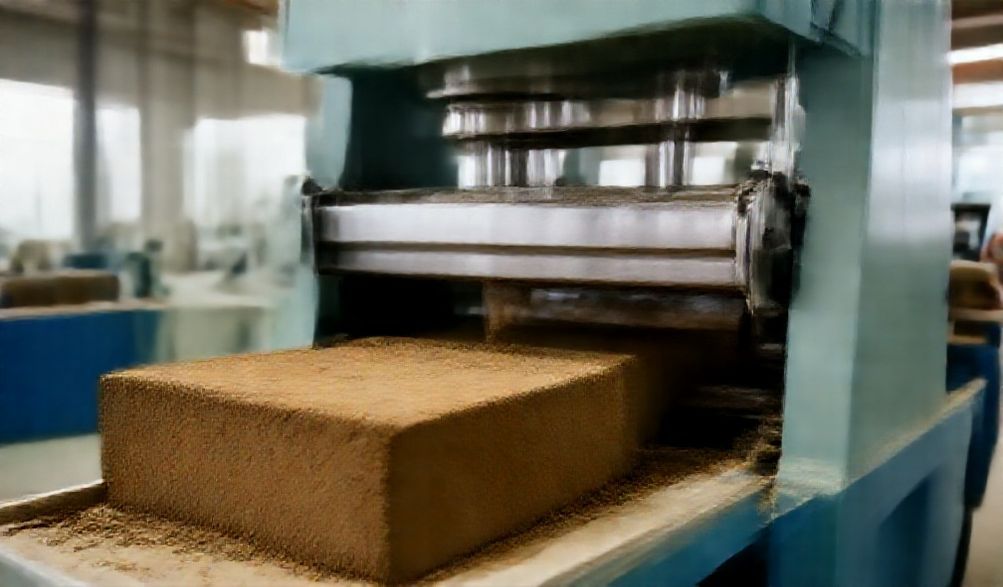
Қытайдан балшық кірпіш жасау машиналарын таңдауға арналған жетілдірілген нұсқаулық
Кіріспе
Жаһандық тұрақтылық пен шығындарды үнемдеуге бағытталған дәуірде дәстүрлі құрылыс материалдары күшті қайта өрлеу көріп отыр. Саман кірпіштер—жиі сығылған топырақ блоктары (СЕВ) деп аталады—осы қозғалыстың алдыңғы қатарында тұр. Олар тамаша жылу сыйымдылықты, төмен құрамындағы энергияны және айтарлықтай шығын үнемдеуді ұсынады. Дегенмен, кез келген топырақ негізіндегі құрылыс жобасының табыстылығы бір маңызды факторға байланысты: кірпіш жасау машиналарының өзінің сенімділігі мен сапасына.
Әлемдік жобаларды жүзеге асырушылар, мердігерлер және әлеуметтік кәсіпкерлер үшін бұл техниканы іздеу жиі бір басым нарыққа – Қытайға әкеледі. Мәселе? Өндірушілердің кең, кейде мөлдір емес ландшафтын бағдарлау. Нарық нұсқаларға толы, онда сапа, беріктік және қолдау айырмашылықтарын білдіретін күрт баға айырмашылықтары бар. Сенімді өндірушіні анықтау процесіҚытай балшық кірпіш жасау машинасы зауытылегитимділік, техникалық қабілет және логистикалық кедергілер туралы сұрақтарға толы.
Бұл нұсқаулық сіздің нақты жол картаңыз. Біз саланы жылдар бойы бақылау және өндірушілермен тікелей қарым-қатынас арқылы шуға жол бермейміз. Біздің мақсатымыз - сізге ашық және іс-әрекетке бағытталған білім беру, яғни тәжірибелі сала маманы сияқты ақпаратпен қамтамасыз ету. Біз сізге тек зауыт табуға ғана емес, сонымен қатар өндіріс алаңынан бастап сіздің жұмыс алаңыңызға дейін жобаңыздың табысты болуын қамтамасыз ететін серіктес табуға мүмкіндік беретін біліммен жарақтандырамыз.
Саман кірпіш жасау машиналарын түсіну: Түрлері мен технологиясы
Фабрикаларды бағаламас бұрын, өнімді түсінуіңіз керек. Машиналардың түрлері мен олардың негізгі технологияларын білу, дұрыс сұрақтар қоюға және жабдықтарды нақты жобаңыздың қажеттіліктеріне сәйкестендіруге мүмкіндік береді.
Қолмен, жартылай автоматты және толық автоматты машиналардың айырмашылықтары
Автоматтандыру деңгейі негізгі айырмашылық болып табылады, ол тікелей өнімділікке, еңбекке және инвестицияға әсер етеді.
- Қол машиналары:Бұл рычагтық немесе қарапайым механикалық престер. Олар өте қолжетімді, портативті және электр қуатын қажет етпейді, бұл оларды шағын ауқымды, қоғамдық жобаларға немесе шалғай жерлерге тамаша етеді. Дегенмен, олардың өнімділігі төмен (әдетте күніне 100-500 блок) және еңбек сыйымдылығы жоғары.
- Жартылай автоматты машиналар:Бұл санат көптеген шағын және орта кәсіпорындар үшін ең қолайлы нұсқаны білдіреді. Оларда қысым жүйесін (гидравликалық немесе механикалық) қозғау үшін электр қозғалтқышы қолданылады, бірақ шикізатты жүктеу және дайын блоктарды алу қолмен жүзеге асырылады. Олар тиімді теңдестіруді ұсынады, тәулігіне 800-ден 3000-ға дейін блок өндіреді, салыстырмалы түрде қол жетімді инвестиция және орташа еңбек қажеттіліктерімен.
- Толық автоматты машиналар:Бұл өндірістік желі жүйелері. Олар автоматтандырылған материал беруді, қысуды, блок шығаруды және кейде паллеттеуді біріктіреді. Ірі көлемді коммерциялық өндіріске арналған, олар тәулігіне 5 000-нан 20 000+ блок шығара алады және ең аз қол еңбегін қажет етеді. Инвестициялар айтарлықтай, бірақ жоғары көлемді жобалар үшін бірлік құны мен еңбек тиімділігі бәсекеге тұрарлық емес.
Кілтті машина компоненттері және олардың кірпіш сапасына әсері
Машина өзінің ең әлсіз бөлігінен артық болмайды. Мұнда назар аудару керек нәрселер:
- Қалып/Пішіндеуіш:Бұл сіздің кірпішіңіздің пішінін, өлшемін және бетінің өңделуін анықтайды. Жоғары сапалы, қатайтылған болат қалыптар өлшемдік тұрақтылық пен ұзақ мерзімділікті қамтамасыз етеді. Бір-біріне құлыпталатын блоктардың дизайны мұнда дәл инженерлік есептеуді талап етеді.
- Сығымдау жүйесі:Бұл машинаның жүрегі.
- Гидравликалық жүйелер:Үстем, басқарылатын қысымды ұсынып, тығыз және берік кірпіштерді алуға мүмкіндік береді. Олар әдетте төзімдірек болып келеді және әртүрлі топырақ құрамымен жұмыс істеуге қолайлы.
- Механикалық жүйелер:Ұшқыр доңғалақ пен тұтқа механизмін қолданыңыз. Олар берік және қарауы оңайырақ болуы мүмкін, бірақ қысымды басқаруда аз тұрақтылық ұсынуы мүмкін.
- Құрылым мен құрылыс:Рама ауыр жүктемелі болат парақтан және профильдерден жасалуы керек, соның арқасында тұрақты жоғары қысымды дірілге икемді болады, бұрмаланбайды. Әлсіз рама туралау қатесіне және машинаның тез бұзылуына әкеледі.
- Араластырушы блок (егер біріктірілген болса):Автоматты жүйелер үшін топырақты, бекіткішті (мысалы, цемент немесе әк) және ылғалды біртекті қоспаға айналдыру үшін тұрақты және мұқият араластырғыш өте маңызды.
Шикі топырақтан дайын блокқа дейін: Өндіріс процесінің түсіндірмесі
Процесті түсіну машинаның дизайн логикасын бағалауға көмектеседі. Негізгі кезеңдері:
- Топырақты дайындау:Шикі топырақ тастар мен органикалық қалдықтарды алып тастау үшін електен өткізіледі. Содан кейін ол дәлдікпен белгіленген стабилизатор (әдетте 5-10% цемент) мен сумен араластырылып, оңтайлы ылғалдылық деңгейіне жеткізіледі.
- Сығу The prepared mixture is fed into the machine’s chamber and subjected to high pressure (often measured in tons). This compression binds the particles, creating a dense, coherent block.
- Атқылау және Бекіту: The freshly pressed block is carefully ejected onto a pallet. Unlike fired bricks, CEBs gain strength through емдеу—a period of 14-28 days where they are kept moist and protected from direct sun and rain, allowing the stabilizer to hydrate fully.
- Quality Checks: Simple field tests include drop tests (a cured block shouldn’t break when dropped from waist height) and water absorption tests.
Why China is a Global Hub for Mud Brick Machine Manufacturing
The prominence of China in this sector is no accident. It is the result of decades of industrial development creating a uniquely powerful ecosystem for heavy machinery manufacturing.
Scale, Supply Chain, and Cost Advantages
China’s manufacturing might is built on concentrated industrial clusters. Regions like Shandong, Henan, and Jiangsu host dense networks of foundries, steel suppliers, hydraulic component makers, and assembly plants. This integrated supply chain reduces material costs and lead times dramatically. The sheer scale of production fosters intense competition, which, while requiring careful navigation, ultimately drives value and innovation, allowing you to access advanced technology at a fraction of the cost possible in many other countries.
Technological Adoption and Manufacturing Expertise
The stereotype of Chinese manufacturing as purely low-cost is outdated. Leading factories have heavily invested in:
* CNC Machining Centers for precision-part manufacturing.
* Robotic Welding for consistent, high-strength welds on machine frames.
* Advanced Hydraulic Systems from reputable international or domestic brands.
* Dedicated R&D Teams focused on improving compression ratios, energy efficiency, and automation software. This expertise translates into machines that are more durable, efficient, and user-friendly.
Experience in Exporting to Diverse Markets
Chinese factories in this space are seasoned exporters. They have extensive experience navigating:
* Халықаралық стандарттар: Adapting machines to meet CE, ISO, or other regional certification requirements.
* Global Logistics: Managing container loading, export documentation (commercial invoice, packing list, certificate of origin), and shipping to ports worldwide.
* Technical Variations: Providing machines configured for different voltage standards (110V/220V/380V, 50Hz/60Hz) and offering documentation in multiple languages.
How to Identify a Reputable Chinese Mud Brick Machine Factory
This is the critical phase where due diligence separates a successful partnership from a costly mistake. Here is your step-by-step vetting process.
Verifying Factory Credentials and Business Legitimacy
Start with the basics. Do not skip this step.
* Official Business License: Request a copy. You can verify it using third-party services or through platforms like Alibaba’s “Supplier Assessment” reports.
* Жұмыс істеген жылдары: While new companies can be innovative, a factory with 8-10+ years of history has likely survived market cycles and improved its product based on real-world feedback.
* Third-Party Audits: Look for evidence of factory audits by recognized firms like SGS, Bureau Veritas, or TÜV. These reports assess production capability, quality control systems, and working conditions.
* Patents and Certifications: Patents on machine design indicate R&D investment. ISO 9001 certification for quality management is a strong positive signal.
Assessing Technical Expertise and Production Capability
Move beyond sales talk to evaluate real engineering competence.
* Request Detailed Specifications: Ask for a comprehensive spec sheet covering pressure (tonnage), motor power, production speed, block dimensions, and weight. Vague answers are a red flag.
* Ask for Engineering Input: Present your specific soil test results or desired brick specifications. A reputable factory’s engineers should be able to advise on optimal stabilizer ratios and machine settings.
* Demand a Live Video Tour: This is non-negotiable. Politely insist on a live video call (via WhatsApp or Zoom) where they walk you through the actual factory floor—the welding stations, assembly lines, quality control areas, and testing zones. A pre-recorded promotional video proves nothing.
Analyzing Customer Reviews and International Project Portfolios
Past performance is the best predictor of future behavior.
* Scrutinize Reviews: On B2B platforms, look for detailed reviews with pictures or videos from buyers. Be wary of generic, repetitive praise.
* Ask for Contactable References: Request the contact information for 2-3 past international clients in a region similar to yours (e.g., Africa, South America, Southeast Asia). A confident supplier will provide this.
* Review Project Portfolios: Ask for case studies or photos/videos of their machines in operation on real construction sites abroad. This proves the machines can perform outside the factory.
Critical Questions to Ask Before Placing Your Order
Arm yourself with this checklist. The answers will reveal the supplier’s professionalism and the machine’s true quality.
Technical and Support Questions
- What is the exact grade and thickness of the steel used in the main frame and compression chamber?
- What brand and model are the key components (hydraulic pump, valves, electric motor, PLC controller)?
- What is the warranty period? What components and labor does it cover, and what is excluded?
- Do you provide detailed installation manuals, electrical schematics, and troubleshooting guides in English?
- Is remote video support available after installation? Do you offer optional on-site technician dispatch?
Logistics and Commercial Terms
- Is the quoted price FOB, CIF, or EXW? (Know the difference: FOB means you own goods once loaded on the ship; CIF includes cost, insurance, and freight to your port; EXW means you arrange all transport from their factory door).
- What is the detailed breakdown of costs (machine, spare parts, packaging, domestic freight to port)?
- Негізгі сұрақproduction lead time and estimated shipping duration to my nearest port?
- Can you provide a proforma invoice and a packing list for customs clearance?
- Негізгі сұрақspare parts recommendation for the first two years of operation, and what are their costs?
Quality Assurance Protocols
- Can you conduct a pre-shipment inspection with a third-party agency? Will you share the report?
- What in-process quality checks are performed during assembly (e.g., weld inspection, pressure testing, trial run)?
- Will you perform a full test run of my machine before disassembly for shipping and provide a video as proof?
- How are the machines packaged to prevent rust and damage during ocean freight?
Navigating Logistics, Payment, and After-Sales Service
Successfully closing the deal requires careful management of money, movement, and long-term support.
Secure Payment Methods and Trade Assurance
- Use Secure Platforms: Whenever possible, use Alibaba Trade Assurance or similar escrow services. These platforms hold your payment until you confirm satisfactory receipt of the goods.
- Milestone Payments: Never pay 100% upfront. A standard and secure term is 30% deposit to start production and 70% balance paid after receiving photos/videos of the completed machine and before shipment.
- Bank Transfer (TT): If using direct wire transfer, always verify the bank account details directly with the company via a confirmed channel and ensure the recipient name matches the business license.
Understanding Shipping, Customs, and Import Duties
- Freight Forwarder: Engage a freight forwarder in your country early. They can provide door-to-door quotes, handle customs brokerage, and advise on import regulations.
- Shipping Incoterms: Understand your responsibilities. If you choose FOB, your forwarder will handle everything from the Chinese port onward.
- Import Duties: Consult your local customs authority to determine the HS Code and applicable tariff rate for brick-making machinery. This is a cost you must factor in.
Ensuring Reliable After-Sales Support and Spare Parts
- Get It in Writing: The after-sales service terms should be detailed in your Proforma Invoice or Sales Contract.
- Define Support Channels: Specify response times for email/WhatsApp support (e.g., “within 24 hours”).
- Қосалқы бөлшектердің қолжетімділігі: Secure a written guarantee that spare parts will be available for a minimum of 10 years. Purchase a recommended “starter kit” of common wear parts (seals, gaskets, spare molds) with your initial order.
Жиі қойылатын сұрақтар (ЖҚС)
Q1: What is the average price range for a mud brick making machine from China?
A: Prices vary immensely based on capability. Small manual presses can start around $1,000 – $3,000. Semi-automatic machines suitable for SME production typically range from $8,000 – $25,000. Large, fully automatic production lines can cost $40,000 to $100,000+. Always request a detailed quotation based on your specific requirements.
Q2: Can Chinese factories customize machines for specific soil types or brick designs?
A: Absolutely. Reputable factories excel at customization. You can discuss:
* Custom mold sizes and interlocking patterns.
* Adjustments to compression force for different soil densities.
* Integration of specific feeders or mixers.
* Advice on optimal stabilizer types and ratios based on your soil analysis.
Q3: How do I handle machine maintenance and repairs in my country?
A: A good supplier will empower you for self-sufficiency. They should provide:
* Comprehensive, illustrated maintenance manuals.
* Video tutorials for common servicing tasks.
* Clear electrical and hydraulic diagrams.
* Remote guidance via video call for troubleshooting.
* A system to easily order and ship spare parts as needed.
Q4: Are there any hidden costs when importing machinery from China?
A: The main “hidden” costs are often in the logistics chain. Beyond the machine price, budget for:
* Shipping Insurance (highly recommended).
* Import Duties and Taxes (varies by your country).
* Port Handling and Terminal Fees.
* Inland Transportation from your port to your site.
* Potential Costs for a voltage transformer or local electrical work to connect the machine.
Қорытынды
Sourcing a high-quality mud brick making machine from a Қытай балшық кірпіш жасау машинасы зауыты represents one of the most strategic decisions for your sustainable building venture. It offers an unparalleled combination of advanced technology, robust manufacturing, and compelling value. The journey, however, demands diligence.
The core of your success lies in the non-negotiable steps outlined here: rigorous factory verification through live video audits, crystal-clear technical communication, secure and milestone-based payment terms, and a watertight agreement on after-sales support. Remember, you are not just buying a piece of equipment; you are entering a technical partnership. The right factory will act as a long-term ally, invested in the success of your project and the performance of their machine on your soil.
Use this guide as your checklist. Approach your search with a critical eye and an open dialogue. The ideal partner is one that demonstrates transparency, welcomes your detailed questions, and proves its credibility at every turn. Your journey toward sustainable, cost-effective construction starts with finding them.
<