
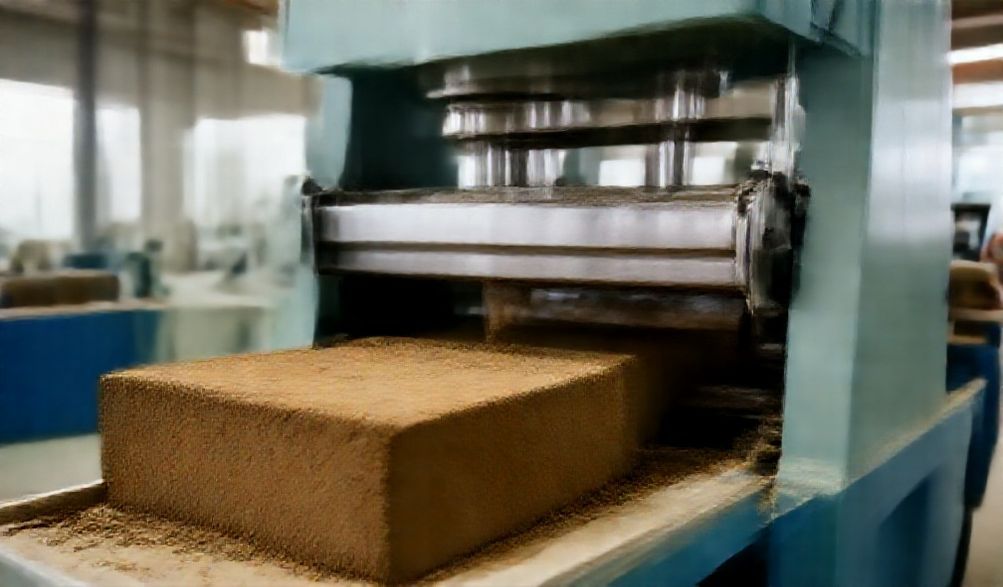
Die Ultieme Gids vir die Verskaffing van Moddersteenvervaardigingsmasjiene uit China
Inleiding
In 'n era gedefinieer deur 'n wêreldwye strewe na volhoubaarheid en koste-doeltreffendheid, ervaar tradisionele boumateriale 'n kragtige renaissance. Modderstene—dikwels bekend as saamgeperste grondblokke (CEB's)—staan aan die voorpunt van hierdie beweging. Hulle bied merkwaardige termiese massa, lae ingeboude energie en aansienlike kostebesparings. Die sukses van enige grond-gebaseerde konstruksieprojek hang egter van een kritieke faktor af: die betroubaarheid en gehalte van die steenmaakmasjinerie self.
Vir bouers, kontrakteurs en sosiale entrepreneurs wêreldwyd lei die soeke na hierdie masjinerie dikwels na 'n enkele, dominante markplek: China. Die uitdaging? Om deur 'n uitgestrekte en soms ondeursigtige landskap van vervaardigers te navigeer. Die mark is versadig met opsies, waar dramatiese prysverskille kan dui op verskille in gehalte, duursaamheid en ondersteuning. Die proses om 'n betroubareChina modderstene maakmasjien fabriekis vol vrae oor legitimiteit, tegniese vermoë en logistieke struikelblokke.
Hierdie gids is jou definitiewe padkaart. Deur jare se bedryfsobservasie en direkte betrokkenheid met vervaardigers te benut, sny ons deur die geraas. Ons doel is om jou deursigtige, uitvoerbare kundigheid te bied – die soort wat jy van 'n ervare bedryfsinsider sou kry. Ons sal jou toerus met die kennis om nie net 'n fabriek te vind nie, maar om met een saam te werk wat jou projek se sukses verseker, van die fabrieksvloer tot by jou werf.
Verstaan Moddersteenmaakmasjiene: Tipes en Tegnologie
Voordat jy fabrieke evalueer, moet jy die produk verstaan. Om die tipes masjiene en hul kerntegnologie te ken, bemagtig jou om die regte vrae te vra en toerusting by jou spesifieke projekbehoeftes te pas.
Hoe Handmatige, Semi-outomatiese en Vol-outomatiese Masjiene Verskil
Die vlak van outomatisering is die primêre onderskeider, wat direk uitset, arbeid en belegging beïnvloed.
- Handmatige Masjiene:Dit is hefboom-aangedrewe of eenvoudige meganiese perse. Hulle is hoogs bekostigbaar, draagbaar en vereis geen elektrisiteit nie, wat hulle ideaal maak vir kleinskaalse, gemeenskapsgedrewe projekte of afgeleë gebiede. Die produksie is egter laag (tipies 100-500 blokke per dag) en hulle is arbeidsintensief.
- Halfoutomatiese Masjiene:Hierdie kategorie verteenwoordig die soet kol vir baie klein tot medium ondernemings. Hulle beskik dikwels oor 'n elektriese motor om die kompressiestelsel (hidroulies of meganies) aan te dryf, maar vereis handmatige toevoer van grondstof en verwydering van voltooide blokke. Hulle bied 'n goeie balans, met 'n produksie van 800 tot 3 000 blokke per dag met 'n hanteerbare belegging en matige arbeidsbehoeftes.
- Volledig Outomatiese Masjiene:Dit is produksielynstelsels. Hulle integreer outomatiese materiaaltoevoer, kompressie, blokuitwerping, en soms pallettisering. Ontwerp vir grootskaalse kommersiële produksie, kan hulle 5,000 tot 20,000+ blokke per dag lewer met minimale handmatige ingryping. Die investering is aansienlik, maar die per-eenheid koste en arbeidsdoeltreffendheid is ongeëwenaard vir hoëvolume projekte.
Sleutelmasjienkomponente en Hul Impak op Baksteen Kwaliteit
'n Masjien is net so goed soos sy swakste deel. Hier is wat om onder die loep te neem:
- Vorm/MatrysDit definieer jou baksteen se vorm, grootte en oppervlakafwerking. Hoëgehalte, geharde staalvorms verseker dimensionele konsekwentheid en duursaamheid. Inmekaarpasblokontwerpe vereis presiese ingenieurswese hier.
- Kompressiestelsel:Dit is die hart van die masjien.
- Hidrouliese Stelsels:Bied superieure, beheerbare druk, wat lei tot digter, sterker stene. Hulle is oor die algemeen meer duursaam en beter vir die hantering van verskeie grondsamevallings.
- Meganiese Stelsels:Gebruik 'n vliegwiel- en hefboommeganisme. Hulle kan robuust en eenvoudiger om te onderhou wees, maar bied moontlik minder konsekwente drukbeheer.
- Raamwerk en StruktuurDie raam moet van swaardiens staalplaat en profiele gemaak word om konstante, hoëdruk vibrasie te weerstaan sonder om te verbuig. 'n Swak raam lei tot wanbelyning en vinnige masjienmislukking.
- Meng-eenheid (indien geïntegreer):Vir outomatiese stelsels is 'n konsekwente en deeglike menger noodsaaklik om 'n homogene mengsel van grond, stabiliseerder (soos sement of kalk) en vog te skep.
Van Rou Aarde tot Voltooide Blok: Die Produksieproses Verduidelik
Om die proses te verstaan, help dit jou om 'n masjien se ontwerplogika te evalueer. Die kernfases is:
- Grondvoorbereiding:Rou grond word gesif om klippe en organiese materiaal te verwyder. Dit word dan gemeng met 'n presiese persentasie stabiliseermiddel (dikwels 5-10% sement) en water om optimale voginhoud te bereik.
- Kompression:Die voorbereide mengsel word in die masjien se kamer gevoer en aan hoë druk (dikwels in ton gemeet) onderwerp. Hierdie kompressie bind die deeltjies en skep 'n digte, samehangende blok.
- Uitskiet & Uitharding:Die varsgeperste blok word versigtig op 'n pallet uitgestoot. Anders as gebakte bakstene, verkry CEB's hul sterkte deurgenesing'n tydperk van 14-28 dae waarin hulle vogtig gehou en beskerm word teen direkte son en reën, sodat die stabiliseerder ten volle kan hidreer.
- Kwaliteitskontroles:Eenvoudige veldtoetse sluit in valtoetse ('n uitgeharde blok behoort nie te breek as dit van middellyfhoogte af val nie) en waterabsorpsietoetse.
Hoekom China 'n Globale Sentrum vir Moddersteenmasjienvervaardiging Is
China se prominensie in hierdie sektor is geen toeval nie. Dit is die resultaat van dekades van industriële ontwikkeling wat 'n uniek kragtige ekosisteem vir swaar masjinerie vervaardiging geskep het.
Skaal, Voorsieningsketting, en Koste-voordele
China se vervaardigingsmag is gebou op gekonsentreerde industriële groepe. Streke soos Shandong, Henan en Jiangsu huisves digte netwerke van gieterye, staalverskaffers, hidrouliese komponentvervaardigers en monteerfabrieke. Hierdie geïntegreerde voorsieningsketting verminder materiaalkoste en leweringstye aansienlik. Die bloot skaal van produksie kweek intense mededinging, wat, hoewel dit noukeurige navigasie vereis, uiteindelik waarde en innovasie dryf, wat jou in staat stel om gevorderde tegnologie te bekom teen 'n fraksie van die koste moontlik in baie ander lande.
Tegnologiese Aanneming en Vervaardigingskundigheid
Die stereotipe van Chinese vervaardiging as suiwer laekoste is verouderd. Vooraanstaande fabrieke het aansienlik belê in:
* CNC-bewerkingsentrumsvir presisie-onderdeelvervaardiging.
* Robotiese Sweiswerkvir konsekwente, hoësterkte sweiswerk op masjienrame.
* Advanced Hydraulic Systems from reputable international or domestic brands.
* Dedicated R&D Teams focused on improving compression ratios, energy efficiency, and automation software. This expertise translates into machines that are more durable, efficient, and user-friendly.
Experience in Exporting to Diverse Markets
Chinese factories in this space are seasoned exporters. They have extensive experience navigating:
* International Standards: Adapting machines to meet CE, ISO, or other regional certification requirements.
* Global Logistics: Managing container loading, export documentation (commercial invoice, packing list, certificate of origin), and shipping to ports worldwide.
* Technical Variations: Providing machines configured for different voltage standards (110V/220V/380V, 50Hz/60Hz) and offering documentation in multiple languages.
How to Identify a Reputable Chinese Mud Brick Machine Factory
This is the critical phase where due diligence separates a successful partnership from a costly mistake. Here is your step-by-step vetting process.
Verifying Factory Credentials and Business Legitimacy
Start with the basics. Do not skip this step.
* Official Business License: Request a copy. You can verify it using third-party services or through platforms like Alibaba’s “Supplier Assessment” reports.
* Jare in Bedryf: While new companies can be innovative, a factory with 8-10+ years of history has likely survived market cycles and improved its product based on real-world feedback.
* Third-Party Audits: Look for evidence of factory audits by recognized firms like SGS, Bureau Veritas, or TÜV. These reports assess production capability, quality control systems, and working conditions.
* Patents and Certifications: Patents on machine design indicate R&D investment. ISO 9001 certification for quality management is a strong positive signal.
Assessing Technical Expertise and Production Capability
Move beyond sales talk to evaluate real engineering competence.
* Request Detailed Specifications: Ask for a comprehensive spec sheet covering pressure (tonnage), motor power, production speed, block dimensions, and weight. Vague answers are a red flag.
* Ask for Engineering Input: Present your specific soil test results or desired brick specifications. A reputable factory’s engineers should be able to advise on optimal stabilizer ratios and machine settings.
* Demand a Live Video Tour: This is non-negotiable. Politely insist on a live video call (via WhatsApp or Zoom) where they walk you through the actual factory floor—the welding stations, assembly lines, quality control areas, and testing zones. A pre-recorded promotional video proves nothing.
Analyzing Customer Reviews and International Project Portfolios
Past performance is the best predictor of future behavior.
* Scrutinize Reviews: On B2B platforms, look for detailed reviews with pictures or videos from buyers. Be wary of generic, repetitive praise.
* Ask for Contactable References: Request the contact information for 2-3 past international clients in a region similar to yours (e.g., Africa, South America, Southeast Asia). A confident supplier will provide this.
* Review Project Portfolios: Ask for case studies or photos/videos of their machines in operation on real construction sites abroad. This proves the machines can perform outside the factory.
Critical Questions to Ask Before Placing Your Order
Arm yourself with this checklist. The answers will reveal the supplier’s professionalism and the machine’s true quality.
Technical and Support Questions
- What is the exact grade and thickness of the steel used in the main frame and compression chamber?
- What brand and model are the key components (hydraulic pump, valves, electric motor, PLC controller)?
- What is the warranty period? What components and labor does it cover, and what is excluded?
- Do you provide detailed installation manuals, electrical schematics, and troubleshooting guides in English?
- Is remote video support available after installation? Do you offer optional on-site technician dispatch?
Logistics and Commercial Terms
- Is the quoted price FOB, CIF, or EXW? (Know the difference: FOB means you own goods once loaded on the ship; CIF includes cost, insurance, and freight to your port; EXW means you arrange all transport from their factory door).
- What is the detailed breakdown of costs (machine, spare parts, packaging, domestic freight to port)?
- Wat is dieproduction lead time and estimated shipping duration to my nearest port?
- Can you provide a proforma invoice and a packing list for customs clearance?
- Wat is diespare parts recommendation for the first two years of operation, and what are their costs?
Quality Assurance Protocols
- Can you conduct a pre-shipment inspection with a third-party agency? Will you share the report?
- What in-process quality checks are performed during assembly (e.g., weld inspection, pressure testing, trial run)?
- Will you perform a full test run of my machine before disassembly for shipping and provide a video as proof?
- How are the machines packaged to prevent rust and damage during ocean freight?
Navigating Logistics, Payment, and After-Sales Service
Successfully closing the deal requires careful management of money, movement, and long-term support.
Secure Payment Methods and Trade Assurance
- Use Secure Platforms: Whenever possible, use Alibaba Trade Assurance or similar escrow services. These platforms hold your payment until you confirm satisfactory receipt of the goods.
- Milestone Payments: Never pay 100% upfront. A standard and secure term is 30% deposit to start production and 70% balance paid after receiving photos/videos of the completed machine and before shipment.
- Bank Transfer (TT): If using direct wire transfer, always verify the bank account details directly with the company via a confirmed channel and ensure the recipient name matches the business license.
Understanding Shipping, Customs, and Import Duties
- Freight Forwarder: Engage a freight forwarder in your country early. They can provide door-to-door quotes, handle customs brokerage, and advise on import regulations.
- Shipping Incoterms: Understand your responsibilities. If you choose FOB, your forwarder will handle everything from the Chinese port onward.
- Import Duties: Consult your local customs authority to determine the HS Code and applicable tariff rate for brick-making machinery. This is a cost you must factor in.
Ensuring Reliable After-Sales Support and Spare Parts
- Get It in Writing: The after-sales service terms should be detailed in your Proforma Invoice or Sales Contract.
- Define Support Channels: Specify response times for email/WhatsApp support (e.g., “within 24 hours”).
- Onderdele Beskikbaarheid: Secure a written guarantee that spare parts will be available for a minimum of 10 years. Purchase a recommended “starter kit” of common wear parts (seals, gaskets, spare molds) with your initial order.
Frequently Asked Questions (FAQ)
Q1: What is the average price range for a mud brick making machine from China?
A: Prices vary immensely based on capability. Small manual presses can start around $1,000 – $3,000. Semi-automatic machines suitable for SME production typically range from $8,000 – $25,000. Large, fully automatic production lines can cost $40,000 to $100,000+. Always request a detailed quotation based on your specific requirements.
Q2: Can Chinese factories customize machines for specific soil types or brick designs?
A: Absolutely. Reputable factories excel at customization. You can discuss:
* Custom mold sizes and interlocking patterns.
* Adjustments to compression force for different soil densities.
* Integration of specific feeders or mixers.
* Advice on optimal stabilizer types and ratios based on your soil analysis.
Q3: How do I handle machine maintenance and repairs in my country?
A: A good supplier will empower you for self-sufficiency. They should provide:
* Comprehensive, illustrated maintenance manuals.
* Video tutorials for common servicing tasks.
* Clear electrical and hydraulic diagrams.
* Remote guidance via video call for troubleshooting.
* A system to easily order and ship spare parts as needed.
Q4: Are there any hidden costs when importing machinery from China?
A: The main “hidden” costs are often in the logistics chain. Beyond the machine price, budget for:
* Shipping Insurance (highly recommended).
* Import Duties and Taxes (varies by your country).
* Port Handling and Terminal Fees.
* Inland Transportation from your port to your site.
* Potential Costs for a voltage transformer or local electrical work to connect the machine.
Conclusion
Sourcing a high-quality mud brick making machine from a China modderstene maakmasjien fabriek represents one of the most strategic decisions for your sustainable building venture. It offers an unparalleled combination of advanced technology, robust manufacturing, and compelling value. The journey, however, demands diligence.
The core of your success lies in the non-negotiable steps outlined here: rigorous factory verification through live video audits, crystal-clear technical communication, secure and milestone-based payment terms, and a watertight agreement on after-sales support. Remember, you are not just buying a piece of equipment; you are entering a technical partnership. The right factory will act as a long-term ally, invested in the success of your project and the performance of their machine on your soil.
Use this guide as your checklist. Approach your search with a critical eye and an open dialogue. The ideal partner is one that demonstrates transparency, welcomes your detailed questions, and proves its credibility at every turn. Your journey toward sustainable, cost-effective construction starts with finding them.
<