
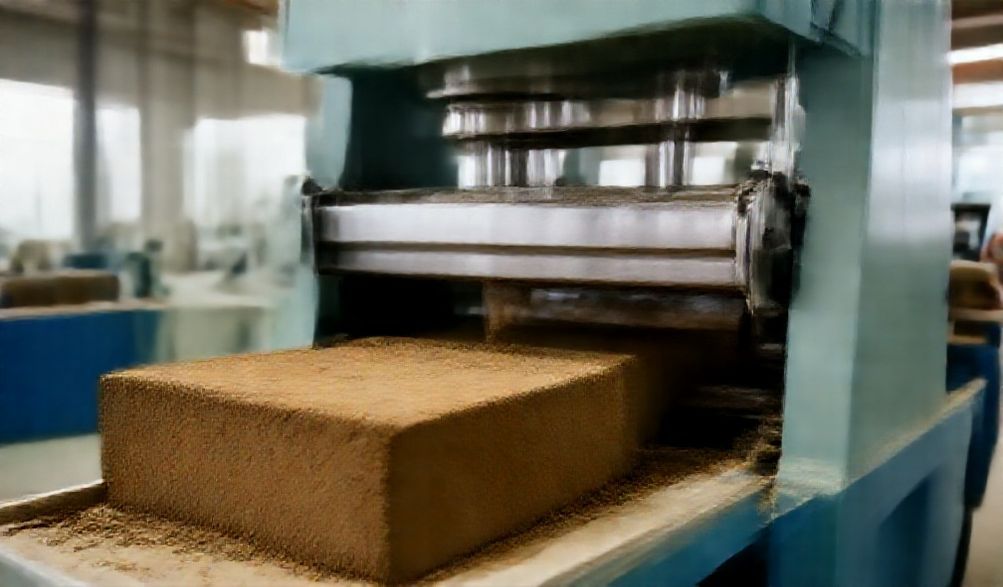
Guia Definitivo para Sourcing de Máquinas de Fabricação de Tijolos de Adobe na China
Introdução
Em uma era definida por um impulso global pela sustentabilidade e eficiência de custos, os materiais de construção tradicionais estão passando por um poderoso renascimento. Os tijolos de barro — frequentemente conhecidos como blocos de terra comprimida (BTCs) — estão na vanguarda desse movimento. Eles oferecem uma massa térmica notável, baixa energia incorporada e economias de custo significativas. No entanto, o sucesso de qualquer projeto de construção com terra depende de um fator crítico: a confiabilidade e a qualidade da própria máquina de fabricar tijolos.
Para construtores, contratantes e empreendedores sociais em todo o mundo, a busca por essa maquinaria frequentemente leva a um único e dominante mercado: a China. O desafio? Navegar por um vasto e, por vezes, opaco cenário de fabricantes. O mercado está saturado de opções, onde diferenças dramáticas de preço podem sinalizar variações em qualidade, durabilidade e suporte. O processo de identificar um fornecedor confiável...Fábrica de máquinas para fazer tijolos de barro na Chinaestá repleto de questões sobre legitimidade, capacidade técnica e obstáculos logísticos.
Este guia é seu roteiro definitivo. Aproveitando anos de observação do setor e envolvimento direto com fabricantes, cortamos o ruído. Nosso objetivo é fornecer a você expertise transparente e acionável — do tipo que você obteria de um veterano do setor. Vamos equipá-lo com o conhecimento para não apenas encontrar uma fábrica, mas para formar uma parceria com uma que garanta o sucesso do seu projeto, desde o chão de fábrica até o seu canteiro de obras.
Entendendo as Máquinas de Fabricação de Tijolos de Adobe: Tipos e Tecnologia
Antes de avaliar fábricas, você deve entender o produto. Conhecer os tipos de máquinas e sua tecnologia central capacita você a fazer as perguntas certas e adequar os equipamentos às necessidades específicas do seu projeto.
Como as Máquinas Manuais, Semiautomáticas e Totalmente Automáticas Diferem
O nível de automação é o principal diferenciador, impactando diretamente a produção, a mão de obra e o investimento.
- Máquinas Manuais:Estas são prensas acionadas por alavanca ou mecânicas simples. Elas são altamente acessíveis, portáteis e não requerem eletricidade, tornando-as ideais para projetos de pequena escala, liderados pela comunidade ou em locais remotos. No entanto, a produção é baixa (tipicamente 100 a 500 blocos por dia) e são intensivas em mão de obra.
- Máquinas Semiautomáticas:Esta categoria representa o ponto ideal para muitas pequenas e médias empresas. Elas geralmente possuem um motor elétrico para acionar o sistema de compressão (hidráulico ou mecânico), mas exigem alimentação manual da matéria-prima e remoção dos blocos acabados. Oferecem um bom equilíbrio, produzindo de 800 a 3.000 blocos por dia com um investimento gerenciável e necessidades moderadas de mão de obra.
- Máquinas Totalmente Automáticas:Estes são sistemas de linha de produção. Eles integram alimentação automatizada de material, compressão, ejeção de blocos e, às vezes, paletização. Projetados para produção comercial em larga escala, podem produzir de 5.000 a mais de 20.000 blocos por dia com intervenção manual mínima. O investimento é significativo, mas o custo por unidade e a eficiência de mão de obra são incomparáveis para projetos de alto volume.
Componentes Principais da Máquina e Seu Impacto na Qualidade dos Tijolos
Uma máquina só é tão boa quanto sua parte mais fraca. Eis o que examinar:
- Molde/Matriz:Isso define o formato, tamanho e acabamento superficial do seu bloco. Moldes de aço endurecido de alta qualidade garantem consistência dimensional e durabilidade. Projetos de blocos de encaixe exigem engenharia precisa neste ponto.
- Sistema de Compressão:Este é o coração da máquina.
- Sistemas Hidráulicos:Oferecem pressão superior e controlável, resultando em tijolos mais densos e resistentes. Geralmente são mais duráveis e melhores para lidar com composições variadas de solo.
- Sistemas Mecânicos:Use um mecanismo de volante e alavanca. Eles podem ser robustos e mais simples de manter, mas podem oferecer um controle de pressão menos consistente.
- Moldura e Estrutura:A estrutura deve ser fabricada com chapas e perfis de aço de alta resistência para suportar vibrações constantes e de alta pressão sem empenar. Uma estrutura fraca leva ao desalinhamento e à rápida falha da máquina.
- Unidade de Mistura (se integrada):Para sistemas automáticos, um misturador consistente e completo é crucial para criar uma mistura homogênea de solo, estabilizador (como cimento ou cal) e umidade.
Da Terra Bruta ao Bloco Acabado: O Processo de Produção Explicado
Entender o processo ajuda você a avaliar a lógica de design de uma máquina. As etapas principais são:
- Preparo do Solo:O solo bruto é peneirado para remover pedras e matéria orgânica. Em seguida, é misturado com uma porcentagem precisa de estabilizador (geralmente 5-10% de cimento) e água para atingir o teor de umidade ideal.
- Compressão:A mistura preparada é alimentada na câmara da máquina e submetida a alta pressão (frequentemente medida em toneladas). Essa compressão une as partículas, criando um bloco denso e coeso.
- Ejeção e Cura: The freshly pressed block is carefully ejected onto a pallet. Unlike fired bricks, CEBs gain strength through curando—a period of 14-28 days where they are kept moist and protected from direct sun and rain, allowing the stabilizer to hydrate fully.
- Quality Checks: Simple field tests include drop tests (a cured block shouldn’t break when dropped from waist height) and water absorption tests.
Why China is a Global Hub for Mud Brick Machine Manufacturing
The prominence of China in this sector is no accident. It is the result of decades of industrial development creating a uniquely powerful ecosystem for heavy machinery manufacturing.
Scale, Supply Chain, and Cost Advantages
China’s manufacturing might is built on concentrated industrial clusters. Regions like Shandong, Henan, and Jiangsu host dense networks of foundries, steel suppliers, hydraulic component makers, and assembly plants. This integrated supply chain reduces material costs and lead times dramatically. The sheer scale of production fosters intense competition, which, while requiring careful navigation, ultimately drives value and innovation, allowing you to access advanced technology at a fraction of the cost possible in many other countries.
Technological Adoption and Manufacturing Expertise
The stereotype of Chinese manufacturing as purely low-cost is outdated. Leading factories have heavily invested in:
* CNC Machining Centers for precision-part manufacturing.
* Robotic Welding for consistent, high-strength welds on machine frames.
* Advanced Hydraulic Systems from reputable international or domestic brands.
* DedicadoR&D Teams focused on improving compression ratios, energy efficiency, and automation software. This expertise translates into machines that are more durable, efficient, and user-friendly.
Experience in Exporting to Diverse Markets
Chinese factories in this space are seasoned exporters. They have extensive experience navigating:
* International Standards: Adapting machines to meet CE, ISO, or other regional certification requirements.
* Global Logistics: Managing container loading, export documentation (commercial invoice, packing list, certificate of origin), and shipping to ports worldwide.
* Technical Variations: Providing machines configured for different voltage standards (110V/220V/380V, 50Hz/60Hz) and offering documentation in multiple languages.
How to Identify a Reputable Chinese Mud Brick Machine Factory
This is the critical phase where due diligence separates a successful partnership from a costly mistake. Here is your step-by-step vetting process.
Verifying Factory Credentials and Business Legitimacy
Start with the basics. Do not skip this step.
* Official Business License: Request a copy. You can verify it using third-party services or through platforms like Alibaba’s “Supplier Assessment” reports.
* Anos em Operação: While new companies can be innovative, a factory with 8-10+ years of history has likely survived market cycles and improved its product based on real-world feedback.
* Third-Party Audits: Look for evidence of factory audits by recognized firms like SGS, Bureau Veritas, or TÜV. These reports assess production capability, quality control systems, and working conditions.
* Patents and Certifications: Patents on machine design indicate R&D investment. ISO 9001 certification for quality management is a strong positive signal.
Assessing Technical Expertise and Production Capability
Move beyond sales talk to evaluate real engineering competence.
* Request Detailed Specifications: Ask for a comprehensive spec sheet covering pressure (tonnage), motor power, production speed, block dimensions, and weight. Vague answers are a red flag.
* Ask for Engineering Input: Present your specific soil test results or desired brick specifications. A reputable factory’s engineers should be able to advise on optimal stabilizer ratios and machine settings.
* Demand a Live Video Tour: This is non-negotiable. Politely insist on a live video call (via WhatsApp or Zoom) where they walk you through the actual factory floor—the welding stations, assembly lines, quality control areas, and testing zones. A pre-recorded promotional video proves nothing.
Analyzing Customer Reviews and International Project Portfolios
Past performance is the best predictor of future behavior.
* Scrutinize Reviews: On B2B platforms, look for detailed reviews with pictures or videos from buyers. Be wary of generic, repetitive praise.
* Ask for Contactable References: Request the contact information for 2-3 past international clients in a region similar to yours (e.g., Africa, South America, Southeast Asia). A confident supplier will provide this.
* Review Project Portfolios: Ask for case studies or photos/videos of their machines in operation on real construction sites abroad. This proves the machines can perform outside the factory.
Critical Questions to Ask Before Placing Your Order
Arm yourself with this checklist. The answers will reveal the supplier’s professionalism and the machine’s true quality.
Technical and Support Questions
- What is the exact grade and thickness of the steel used in the main frame and compression chamber?
- What brand and model are the key components (hydraulic pump, valves, electric motor, PLC controller)?
- What is the warranty period? What components and labor does it cover, and what is excluded?
- Do you provide detailed installation manuals, electrical schematics, and troubleshooting guides in English?
- Is remote video support available after installation? Do you offer optional on-site technician dispatch?
Logistics and Commercial Terms
- Is the quoted price FOB, CIF, or EXW? (Know the difference: FOB means you own goods once loaded on the ship; CIF includes cost, insurance, and freight to your port; EXW means you arrange all transport from their factory door).
- What is the detailed breakdown of costs (machine, spare parts, packaging, domestic freight to port)?
- O que é otempo de produção and estimated shipping duration to my nearest port?
- Can you provide a proforma invoicee umpacking list for customs clearance?
- O que é ospare parts recommendation for the first two years of operation, and what are their costs?
Quality Assurance Protocols
- Can you conduct a pre-shipment inspection with a third-party agency? Will you share the report?
- What in-process quality checks are performed during assembly (e.g., weld inspection, pressure testing, trial run)?
- Will you perform a full test run of my machine before disassembly for shipping and provide a video as proof?
- How are the machines packaged to prevent rust and damage during ocean freight?
Navigating Logistics, Payment, and After-Sales Service
Successfully closing the deal requires careful management of money, movement, and long-term support.
Secure Payment Methods and Trade Assurance
- Use Secure Platforms: Whenever possible, use Alibaba Trade Assurance or similar escrow services. These platforms hold your payment until you confirm satisfactory receipt of the goods.
- Milestone Payments: Never pay 100% upfront. A standard and secure term is 30% deposit to start production and 70% balance paid after receiving photos/videos of the completed machine and before shipment.
- Bank Transfer (TT): If using direct wire transfer, always verify the bank account details directly with the company via a confirmed channel and ensure the recipient name matches the business license.
Understanding Shipping, Customs, and Import Duties
- Freight Forwarder: Engage a freight forwarder in your country early. They can provide door-to-door quotes, handle customs brokerage, and advise on import regulations.
- Shipping Incoterms: Understand your responsibilities. If you choose FOB, your forwarder will handle everything from the Chinese port onward.
- Import Duties: Consult your local customs authority to determine the HS Code and applicable tariff rate for brick-making machinery. This is a cost you must factor in.
Ensuring Reliable After-Sales Support and Spare Parts
- Get It in Writing: The after-sales service terms should be detailed in your Proforma Invoice or Sales Contract.
- Define Support Channels: Specify response times for email/WhatsApp support (e.g., “within 24 hours”).
- Disponibilidade de Peças de Reposição: Secure a written guarantee that spare parts will be available for a minimum of 10 years. Purchase a recommended “starter kit” of common wear parts (seals, gaskets, spare molds) with your initial order.
Perguntas Frequentes (FAQ)
Q1: What is the average price range for a mud brick making machine from China?
A: Prices vary immensely based on capability. Small manual presses can start around $1,000 – $3,000. Semi-automatic machines suitable for SME production typically range from $8,000 – $25,000. Large, fully automatic production lines can cost $40,000 to $100,000+. Always request a detailed quotation based on your specific requirements.
Q2: Can Chinese factories customize machines for specific soil types or brick designs?
A: Absolutely. Reputable factories excel at customization. You can discuss:
* Custom mold sizes and interlocking patterns.
* Adjustments to compression force for different soil densities.
* Integration of specific feeders or mixers.
* Advice on optimal stabilizer types and ratios based on your soil analysis.
Q3: How do I handle machine maintenance and repairs in my country?
A: A good supplier will empower you for self-sufficiency. They should provide:
* Comprehensive, illustrated maintenance manuals.
* Video tutorials for common servicing tasks.
* Clear electrical and hydraulic diagrams.
* Remote guidance via video call for troubleshooting.
* A system to easily order and ship spare parts as needed.
Q4: Are there any hidden costs when importing machinery from China?
A: The main “hidden” costs are often in the logistics chain. Beyond the machine price, budget for:
* Shipping Insurance (highly recommended).
* Import Duties and Taxes (varies by your country).
* Port Handling and Terminal Fees.
* Inland Transportation from your port to your site.
* Potential Costs for a voltage transformer or local electrical work to connect the machine.
Conclusão
Sourcing a high-quality mud brick making machine from a Fábrica de máquinas para fazer tijolos de barro na China represents one of the most strategic decisions for your sustainable building venture. It offers an unparalleled combination of advanced technology, robust manufacturing, and compelling value. The journey, however, demands diligence.
The core of your success lies in the non-negotiable steps outlined here: rigorous factory verification through live video audits, crystal-clear technical communication, secure and milestone-based payment terms, and a watertight agreement on after-sales support. Remember, you are not just buying a piece of equipment; you are entering a technical partnership. The right factory will act as a long-term ally, invested in the success of your project and the performance of their machine on your soil.
Use this guide as your checklist. Approach your search with a critical eye and an open dialogue. The ideal partner is one that demonstrates transparency, welcomes your detailed questions, and proves its credibility at every turn. Your journey toward sustainable, cost-effective construction starts with finding them.
<