
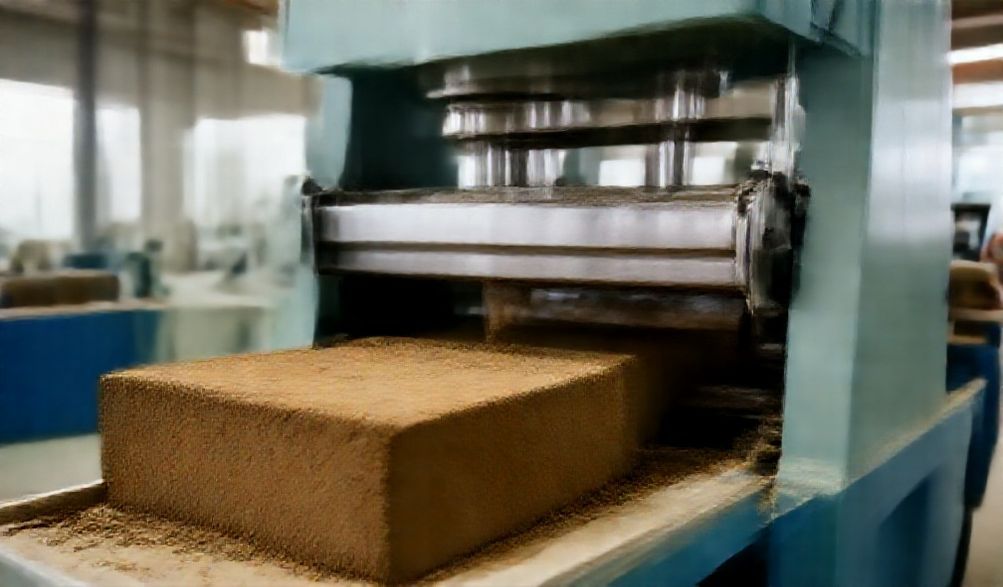
Panduan Utama untuk Sumber Mesin Pembuat Batu Bata Lumpur dari China
Pengantar
Di era yang ditandai oleh dorongan global untuk keberlanjutan dan efisiensi biaya, bahan bangunan tradisional mengalami kebangkitan yang kuat. Bata lumpur—sering dikenal sebagai blok tanah terkompresi (CEB)—berada di garis depan gerakan ini. Mereka menawarkan massa termal yang luar biasa, energi terwujud yang rendah, dan penghematan biaya yang signifikan. Namun, keberhasilan proyek konstruksi berbasis tanah bergantung pada satu faktor kritis: keandalan dan kualitas mesin pembuat bata itu sendiri.
Bagi para pembangun, kontraktor, dan pengusaha sosial di seluruh dunia, pencarian mesin-mesin ini seringkali mengarah pada satu pasar dominan: Tiongkok. Tantangannya? Menjelajahi lanskap produsen yang luas dan terkadang tidak transparan. Pasar dipenuhi dengan berbagai pilihan, di mana perbedaan harga yang dramatis dapat mengindikasikan variasi dalam kualitas, daya tahan, dan dukungan. Proses mengidentifikasi pemasok yang tepercaya—Pabrik mesin pembuat bata lumpur Chinapenuh dengan pertanyaan tentang legitimasi, kemampuan teknis, dan kendala logistik.
Panduan ini adalah peta jalan definitif Anda. Dengan memanfaatkan pengamatan bertahun-tahun di industri dan keterlibatan langsung dengan produsen, kami menyingkirkan segala kebisingan informasi. Tujuan kami adalah memberikan Anda keahlian yang transparan dan dapat ditindaklanjuti—seperti yang Anda dapatkan dari seorang ahli berpengalaman di dalam industri. Kami akan membekali Anda dengan pengetahuan untuk tidak hanya menemukan pabrik, tetapi juga bermitra dengan pabrik yang memastikan kesuksesan proyek Anda, mulai dari lantai produksi hingga lokasi kerja Anda.
Memahami Mesin Pembuat Batu Bata Tanah Liat: Jenis dan Teknologi
Sebelum mengevaluasi pabrik, Anda harus memahami produknya. Mengetahui jenis mesin dan teknologi intinya memungkinkan Anda mengajukan pertanyaan yang tepat dan mencocokkan peralatan dengan kebutuhan proyek spesifik Anda.
Perbedaan Mesin Manual, Semi-Otomatis, dan Otomatis Penuh
Tingkat otomatisasi adalah pembeda utama, yang secara langsung mempengaruhi output, tenaga kerja, dan investasi.
- Mesin Manual:Ini adalah mesin press yang dioperasikan dengan tuas atau mekanik sederhana. Harganya sangat terjangkau, portabel, dan tidak memerlukan listrik, sehingga ideal untuk proyek skala kecil yang dipimpin komunitas atau lokasi terpencil. Namun, produksinya rendah (biasanya 100-500 blok per hari) dan memerlukan banyak tenaga kerja.
- Mesin Semi-Otomatis:Kategori ini mewakili titik optimal bagi banyak usaha kecil hingga menengah. Mereka biasanya dilengkapi motor listrik untuk menggerakkan sistem kompresi (hidrolik atau mekanis) namun memerlukan pengumpanan bahan baku dan pengambilan blok jadi secara manual. Mereka menawarkan keseimbangan yang baik, menghasilkan 800 hingga 3.000 blok per hari dengan investasi yang terjangkau dan kebutuhan tenaga kerja yang moderat.
- Mesin Sepenuhnya Otomatis:Ini adalah sistem jalur produksi. Mereka mengintegrasikan pengumpanan material otomatis, kompresi, pengeluaran blok, dan terkadang palletizing. Dirancang untuk produksi komersial skala besar, sistem ini dapat menghasilkan 5.000 hingga 20.000+ blok per hari dengan intervensi manual minimal. Investasinya signifikan, tetapi biaya per unit dan efisiensi tenaga kerjanya tak tertandingi untuk proyek-proyek bervolume tinggi.
Komponen Utama Mesin dan Dampaknya terhadap Kualitas Batu Bata
Sebuah mesin hanya sebaik bagian terlemahnya. Inilah yang harus diperiksa dengan teliti:
- Cetakan/Die:Ini mendefinisikan bentuk, ukuran, dan penyelesaian permukaan bata Anda. Cetakan baja berkualitas tinggi yang dikeraskan memastikan konsistensi dimensi dan daya tahan. Desain blok saling mengunci memerlukan rekayasa yang presisi di sini.
- Sistem Kompresi:Ini adalah jantung dari mesin.
- Sistem Hidrolik:Menawarkan tekanan superior yang dapat dikendalikan, menghasilkan batu bata yang lebih padat dan kuat. Umumnya lebih tahan lama dan lebih baik untuk menangani berbagai komposisi tanah.
- Sistem Mekanik:Gunakan mekanisme roda gila dan tuas. Mekanisme ini dapat lebih kokoh dan lebih sederhana dalam perawatan, tetapi mungkin memberikan kontrol tekanan yang kurang konsisten.
- Bingkai dan Struktur:Bingkai harus terbuat dari pelat baja dan profil tahan lama untuk menahan getaran tekanan tinggi yang konstan tanpa melengkung. Bingkai yang lemah menyebabkan ketidakselarasan dan kegagalan mesin dengan cepat.
- Unit Pencampur (jika terintegrasi):Untuk sistem otomatis, sebuah pengaduk yang konsisten dan menyeluruh sangat penting untuk menciptakan campuran tanah, stabilizer (seperti semen atau kapur), dan kelembapan yang homogen.
Dari Tanah Mentah ke Blok Jadi: Proses Produksi Dijelaskan
Memahami prosesnya membantu Anda mengevaluasi logika desain mesin. Tahapan intinya adalah:
- Persiapan Tanah:Tanah mentah disaring untuk menghilangkan batu dan bahan organik. Kemudian dicampur dengan persentase stabilizer yang tepat (biasanya 5-10% semen) dan air untuk mencapai kadar air optimal.
- Kompresi:Campuran yang telah disiapkan dimasukkan ke dalam ruang mesin dan dikenai tekanan tinggi (sering diukur dalam ton). Kompresi ini mengikat partikel-partikel, menciptakan balok yang padat dan koheren.
- Pengeluaran & Penyembuhan:Blok yang baru dipres dengan hati-hati dikeluarkan ke palet. Berbeda dengan bata bakar, CEB memperoleh kekuatan melaluimenyembuhkan—periode 14-28 hari di mana mereka dijaga tetap lembap dan terlindung dari sinar matahari langsung serta hujan, memungkinkan stabilizer terhidrasi sepenuhnya.
- Pemeriksaan Kualitas:Tes lapangan sederhana meliputi uji jatuh (blok yang telah mengering seharusnya tidak pecah saat dijatuhkan dari ketinggian pinggang) dan uji penyerapan air.
Mengapa China Menjadi Pusat Global untuk Manufaktur Mesin Batu Bata Lumpur
Dominasi China di sektor ini bukanlah suatu kebetulan. Ini adalah hasil dari puluhan tahun pengembangan industri yang menciptakan ekosistem manufaktur mesin berat yang sangat kuat dan unik.
Scale, Supply Chain, and Cost Advantages
China’s manufacturing might is built on concentrated industrial clusters. Regions like Shandong, Henan, and Jiangsu host dense networks of foundries, steel suppliers, hydraulic component makers, and assembly plants. This integrated supply chain reduces material costs and lead times dramatically. The sheer scale of production fosters intense competition, which, while requiring careful navigation, ultimately drives value and innovation, allowing you to access advanced technology at a fraction of the cost possible in many other countries.
Technological Adoption and Manufacturing Expertise
The stereotype of Chinese manufacturing as purely low-cost is outdated. Leading factories have heavily invested in:
* CNC Machining Centers for precision-part manufacturing.
* Robotic Welding for consistent, high-strength welds on machine frames.
* Advanced Hydraulic Systems from reputable international or domestic brands.
* Dedicated R&D Teams focused on improving compression ratios, energy efficiency, and automation software. This expertise translates into machines that are more durable, efficient, and user-friendly.
Experience in Exporting to Diverse Markets
Chinese factories in this space are seasoned exporters. They have extensive experience navigating:
* Standar Internasional: Adapting machines to meet CE, ISO, or other regional certification requirements.
* Global Logistics: Managing container loading, export documentation (commercial invoice, packing list, certificate of origin), and shipping to ports worldwide.
* Technical Variations: Providing machines configured for different voltage standards (110V/220V/380V, 50Hz/60Hz) and offering documentation in multiple languages.
How to Identify a Reputable Chinese Mud Brick Machine Factory
This is the critical phase where due diligence separates a successful partnership from a costly mistake. Here is your step-by-step vetting process.
Verifying Factory Credentials and Business Legitimacy
Start with the basics. Do not skip this step.
* Official Business License: Request a copy. You can verify it using third-party services or through platforms like Alibaba’s “Supplier Assessment” reports.
* Tahun Beroperasi: While new companies can be innovative, a factory with 8-10+ years of history has likely survived market cycles and improved its product based on real-world feedback.
* Third-Party Audits: Look for evidence of factory audits by recognized firms like SGS, Bureau Veritas, or TÜV. These reports assess production capability, quality control systems, and working conditions.
* Patents and Certifications: Patents on machine design indicate R&D investment. ISO 9001 certification for quality management is a strong positive signal.
Assessing Technical Expertise and Production Capability
Move beyond sales talk to evaluate real engineering competence.
* Request Detailed Specifications: Ask for a comprehensive spec sheet covering pressure (tonnage), motor power, production speed, block dimensions, and weight. Vague answers are a red flag.
* Ask for Engineering Input: Present your specific soil test results or desired brick specifications. A reputable factory’s engineers should be able to advise on optimal stabilizer ratios and machine settings.
* Demand a Live Video Tour: This is non-negotiable. Politely insist on a live video call (via WhatsApp or Zoom) where they walk you through the actual factory floor—the welding stations, assembly lines, quality control areas, and testing zones. A pre-recorded promotional video proves nothing.
Analyzing Customer Reviews and International Project Portfolios
Past performance is the best predictor of future behavior.
* Scrutinize Reviews: On B2B platforms, look for detailed reviews with pictures or videos from buyers. Be wary of generic, repetitive praise.
* Ask for Contactable References: Request the contact information for 2-3 past international clients in a region similar to yours (e.g., Africa, South America, Southeast Asia). A confident supplier will provide this.
* Review Project Portfolios: Ask for case studies or photos/videos of their machines in operation on real construction sites abroad. This proves the machines can perform outside the factory.
Critical Questions to Ask Before Placing Your Order
Arm yourself with this checklist. The answers will reveal the supplier’s professionalism and the machine’s true quality.
Technical and Support Questions
- What is the exact grade and thickness of the steel used in the main frame and compression chamber?
- What brand and model are the key components (hydraulic pump, valves, electric motor, PLC controller)?
- What is the warranty period? What components and labor does it cover, and what is excluded?
- Do you provide detailed installation manuals, electrical schematics, and troubleshooting guides in English?
- Is remote video support available after installation? Do you offer optional on-site technician dispatch?
Logistics and Commercial Terms
- Is the quoted price FOB, CIF, or EXW? (Know the difference: FOB means you own goods once loaded on the ship; CIF includes cost, insurance, and freight to your port; EXW means you arrange all transport from their factory door).
- What is the detailed breakdown of costs (machine, spare parts, packaging, domestic freight to port)?
- Apa ituwaktu tunggu produksi and estimated shipping duration to my nearest port?
- Can you provide a proforma invoicedan sebuahpacking list for customs clearance?
- Apa ituspare parts recommendation for the first two years of operation, and what are their costs?
Quality Assurance Protocols
- Can you conduct a pre-shipment inspection with a third-party agency? Will you share the report?
- What in-process quality checks are performed during assembly (e.g., weld inspection, pressure testing, trial run)?
- Will you perform a full test run of my machine before disassembly for shipping and provide a video as proof?
- How are the machines packaged to prevent rust and damage during ocean freight?
Navigating Logistics, Payment, and After-Sales Service
Successfully closing the deal requires careful management of money, movement, and long-term support.
Secure Payment Methods and Trade Assurance
- Use Secure Platforms: Whenever possible, use Alibaba Trade Assurance or similar escrow services. These platforms hold your payment until you confirm satisfactory receipt of the goods.
- Milestone Payments: Never pay 100% upfront. A standard and secure term is 30% deposit to start production and 70% balance paid after receiving photos/videos of the completed machine and before shipment.
- Bank Transfer (TT): If using direct wire transfer, always verify the bank account details directly with the company via a confirmed channel and ensure the recipient name matches the business license.
Understanding Shipping, Customs, and Import Duties
- Freight Forwarder: Engage a freight forwarder in your country early. They can provide door-to-door quotes, handle customs brokerage, and advise on import regulations.
- Shipping Incoterms: Understand your responsibilities. If you choose FOB, your forwarder will handle everything from the Chinese port onward.
- Import Duties: Consult your local customs authority to determine the HS Code and applicable tariff rate for brick-making machinery. This is a cost you must factor in.
Ensuring Reliable After-Sales Support and Spare Parts
- Get It in Writing: The after-sales service terms should be detailed in your Proforma Invoice or Sales Contract.
- Define Support Channels: Specify response times for email/WhatsApp support (e.g., “within 24 hours”).
- Ketersediaan Suku Cadang: Secure a written guarantee that spare parts will be available for a minimum of 10 years. Purchase a recommended “starter kit” of common wear parts (seals, gaskets, spare molds) with your initial order.
Pertanyaan yang Sering Diajukan (FAQ)
Q1: What is the average price range for a mud brick making machine from China?
A: Prices vary immensely based on capability. Small manual presses can start around $1,000 – $3,000. Semi-automatic machines suitable for SME production typically range from $8,000 – $25,000. Large, fully automatic production lines can cost $40,000 to $100,000+. Always request a detailed quotation based on your specific requirements.
Q2: Can Chinese factories customize machines for specific soil types or brick designs?
A: Absolutely. Reputable factories excel at customization. You can discuss:
* Custom mold sizes and interlocking patterns.
* Adjustments to compression force for different soil densities.
* Integration of specific feeders or mixers.
* Advice on optimal stabilizer types and ratios based on your soil analysis.
Q3: How do I handle machine maintenance and repairs in my country?
A: A good supplier will empower you for self-sufficiency. They should provide:
* Comprehensive, illustrated maintenance manuals.
* Video tutorials for common servicing tasks.
* Clear electrical and hydraulic diagrams.
* Remote guidance via video call for troubleshooting.
* A system to easily order and ship spare parts as needed.
Q4: Are there any hidden costs when importing machinery from China?
A: The main “hidden” costs are often in the logistics chain. Beyond the machine price, budget for:
* Shipping Insurance (highly recommended).
* Import Duties and Taxes (varies by your country).
* Port Handling and Terminal Fees.
* Inland Transportation from your port to your site.
* Potential Costs for a voltage transformer or local electrical work to connect the machine.
Kesimpulan
Sourcing a high-quality mud brick making machine from a Pabrik mesin pembuat bata lumpur China represents one of the most strategic decisions for your sustainable building venture. It offers an unparalleled combination of advanced technology, robust manufacturing, and compelling value. The journey, however, demands diligence.
The core of your success lies in the non-negotiable steps outlined here: rigorous factory verification through live video audits, crystal-clear technical communication, secure and milestone-based payment terms, and a watertight agreement on after-sales support. Remember, you are not just buying a piece of equipment; you are entering a technical partnership. The right factory will act as a long-term ally, invested in the success of your project and the performance of their machine on your soil.
Use this guide as your checklist. Approach your search with a critical eye and an open dialogue. The ideal partner is one that demonstrates transparency, welcomes your detailed questions, and proves its credibility at every turn. Your journey toward sustainable, cost-effective construction starts with finding them.
<