
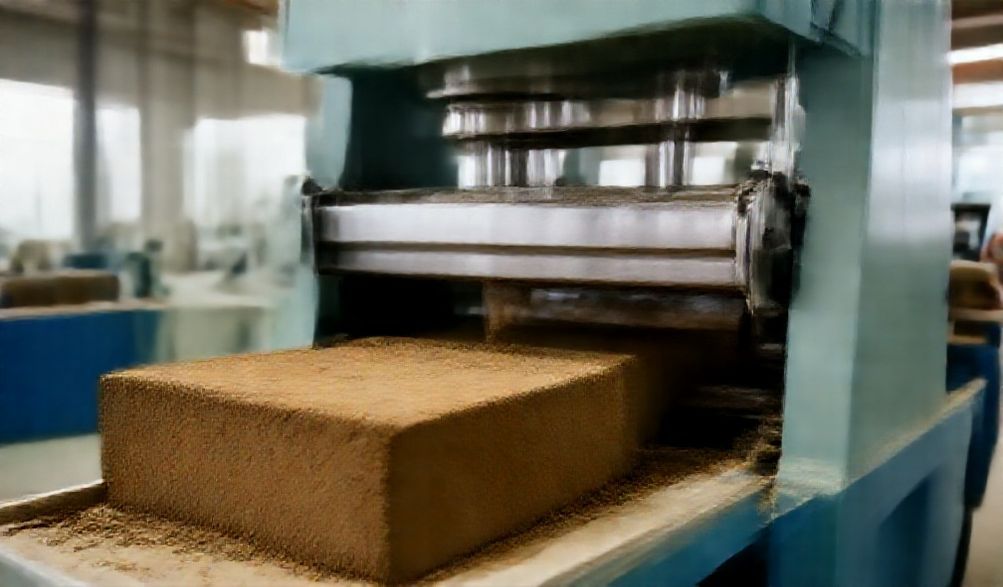
Ingamba yo Guhitamo Imashini z’Ububumbe z’Amatafari mu Bushinwa
Intangamarara
Mu gihe cyanditse n'ihamye ry'isi yose ry'ubukungu n'ubudahangarwa, ibikoresho byo kubaka bya kera biri guhinduka bikomeye. Amatafari y'ubugingo—ariko akunzwe nka "compressed earth blocks" (CEBs)—ari imbere mu iri hambere. Atanga ubushyuhe bukomeye, ingufu zikoreshje nkeya, no kugabanya ibiciro byinshi. Ariko, intsinzi y'umushinga wo kubaka ukoresheje ubugingo ihangana ku kintu gikomeye cyane: ubwizigirwa n'umwimerere w'ibikoresho byo gukora amatafari ubwabyo.
Ku bubatsi, abakontarakazi, n'abahererekanyamikorere mu isi yose, gushakisha ibikoresho n'ibikoresho by'ubukorikori biragenda bibahanisha ahantu hamwe gakondo cyane: mu Bushinwa. Ikibazo? Ni ugutembera mu isoko rinini kandi rimwe na rimwe ridahwitse ry'abakora ibikoresho. Isoko yuzuye amahitamo, aho itandukaniro rikomeye ry'amafaranga rishobora kugaragaza itandukaniro mu rwego rw'ikwirakwizwa, ukomezi, n'inkunga. Uburyo bwo gushaka umukoresha wizeweUbutumwa bw'ibikoresho byo gukora amatafari mu Bushinwa.birimo ibibazo byinshi bijyanye n’uburenganzira, ubushobozi bwo mu bukungu, n’ibibazo by’imikorere.
Iyi rwunganira ni urugendo rwawe rw’impamo. Dukoresheje imyaka myinshi yo kureba ubucuruzi no gufatanya neza n’abakora ibikoresho, dukuraho ibitangaje. Intego yacu ni ugutanga ubumenyi busobanutse kandi bukora—ubwoko ubona mu bantu bafite ubwenge mu bicuruzwa. Tuzaguha ubumenyi bwo gushaka aho gukorerwa ibintu, ariko no gufatanya n’aho bigaragarira ko umushinga wawe watsinda, uhereye mu ruganda ugeze aho ushaka gukoresha ibyo byakozwe.
Gusobanukirwa Imashini z’ububumbe: Ubwoko n’ikoranabuhanga
Mbere yo gusuzuma inganda, ugomba gusobanukirwa ibicuruzwa. Ukumenya ubwoko bw’imashini n’ubumenyi nyamukuru bwazo bigufasha kubaza ibibazo bikwiye no guhuza ibikoresho n’ibyifuza by’umushinga wawe.
Uburyo Imashini z’Abantu, Izikoresha Gufasha, n’Izikoresha Ubwihindurize Zitandukanya
Urugero rw’imikorere y’ibikoresho by’ikoranabuhanga ni rwo rutandukanya ibikorwa, bikaba bifite ingaruka z’imbere ku bikorwa byakozwe, abakozi n’amafaranga yatanzwe.
- Imashini z'ibikorwa by'amaboko:Aya ni amapresesho y'ibikoresho by'amavuta y'imikorere cyangwa ibikoresho byoroheje. Birahendutse cyane, birasunikwa, kandi ntibakeneye amashanyarazi, bigatuma byiza cyane mu bikorwa bito, byateguwe n'umuryango cyangwa ahantu hatari hafi. Ariko, umusaruro ni muto (mu gihe rusange 100-500 amaburoko ku munsi), kandi bisaba umurimo ukomeye.
- Imitungo Imigendeshwa n'ikiremwamuntu:Iyi gatsiko iranga ahantu heza cyane ku mirimo ito n'iyo hagati. Zikunze kuba zifite moteri ya elektiriki yo gushora umusemburo (hydraulic cyangwa mechanical) ariko zikeneye gushyira ibikoresho by'ingenzi n'ukuraho ibyatsi byakozwe n'amaboko. Zitanga uruhare rwiza, zikora ibyatsi 800 kugeza 3,000 ku munsi hamwe n'investiture ishoboka kandi ifite ibyifuzo by'umwenda byo hagati.
- Imashini Zikora Byikoresho Zishobora Kwikorera Ubwabyo.Aya ni sisitemu z'imirongo yo gukora. Zihuza uburyo bwo gutanga ibikoresho mu buryo bwikora, gukanyaga, gusohora ibikaye, hamwe n'igihe runaka no gushyiramo mu mabati. Zishyizweho kugirango zikore ibikaye byinshi mu rwego rw'ubucuruzi, zishobora gukora ibikaye 5,000 kugeza 20,000 cyangwa harugurwa ku munsi, bitagomba ingufu z'abantu nyinshi. Amafaranga yo kuyatanga ni menshi, ariko igiciro cy'ikibaye kimwe n'ingirakamaro mu gihe cy'umurimo ni byiza cyane kumishinga ifite umubare munini w'ibikaye.
Ibigize Imashini Zikurikira n’Ingaruka Zabyo ku Buryohe bw’Amatafari
Igikoresho gikora neza nk'igice cyacyo gifite ububasha buke. Dore ibyo ugomba gushakisha:
- Ikimenyetso/Mupfure:Ibi bigenga ishusho, ingano, n’imiterere y’urwego rw’amabuye y’ubatswe. Ibyuma by’umuringa by’icyuma cy’ubutare bidasanzwe bifite ubuhanga bukomeye bigamije kugira neza ingano y’amabuye kandi bikomeza igihe kirekire. Ibikorwa by’amabuye y’ubatswe aho yahurira hamwe bisaba ubuhanga bukomeye mu gushushanya.
- Sisitemu yo Gufumbika:Iyi ni umutima w'umashini.
- Sisitemu za Hydraulic:Tanga umushinga w'ikirenga, wagenewe gukoreshwa mu gukora amatafari y'umwimerere, akaba ari yo yihuta kandi y'umwimerere. Aya matafari akunze kuba y'umwimerere kandi ari byiza mu gukoreshwa mu miterere y'ubutaka butandukanye.
- Sisteme z’Imashini:Koresha sisitemu ya flywheel na lever. Zishobora kuba zikomeye kandi zoroheye mu kubungabunga, ariko zishobora kugira ubushobozi buke mu kugenzura umuvuduko.
- Igishushanyo n'UmubareIkimenyetso kigomba gukorwa mu byuma by'icyuma by'ingufu n'ibishushanyo kugirango bikomeze mu guhangana n'umuvuduko ukomeye udakoma, utagira guhinduka. Ikimenyetso kidahagije bigatera guhindagurika no kugwa byihuse bya mashini.
- Umunyururu wo Guhuza (niba wuhuza)Kuri sisitemu zitangizwa, imisanganire ihuriweho kandi ikomeye ni ingenzi mu gukora isanganwa ry'umubumbe w'ubutaka, ikimenyetso cyo gusigasira (nka sima cyangwa chaux), n'ubunyoboka.
Kuva mu Butaka Bw'umwimerere Kugeza mu Buroko Bwamaze: Uburyo Bw'igikorwa Bwasobanuwe
Gusobanukirwa ingendo byagufasha gusesengura imitekerereze y’ubwubatsi bw’umashini. Ingingo z’ingenzi z’iyi ngendo ni:
- Gutegura ubutaka: Raw soil is screened to remove stones and organic matter. It is then mixed with a precise percentage of stabilizer (often 5-10% cement) and water to achieve optimal moisture content.
- Gukanya The prepared mixture is fed into the machine’s chamber and subjected to high pressure (often measured in tons). This compression binds the particles, creating a dense, coherent block.
- Guhomora & Gukora: The freshly pressed block is carefully ejected onto a pallet. Unlike fired bricks, CEBs gain strength through gukiza—a period of 14-28 days where they are kept moist and protected from direct sun and rain, allowing the stabilizer to hydrate fully.
- Quality Checks: Simple field tests include drop tests (a cured block shouldn’t break when dropped from waist height) and water absorption tests.
Why China is a Global Hub for Mud Brick Machine Manufacturing
The prominence of China in this sector is no accident. It is the result of decades of industrial development creating a uniquely powerful ecosystem for heavy machinery manufacturing.
Scale, Supply Chain, and Cost Advantages
China’s manufacturing might is built on concentrated industrial clusters. Regions like Shandong, Henan, and Jiangsu host dense networks of foundries, steel suppliers, hydraulic component makers, and assembly plants. This integrated supply chain reduces material costs and lead times dramatically. The sheer scale of production fosters intense competition, which, while requiring careful navigation, ultimately drives value and innovation, allowing you to access advanced technology at a fraction of the cost possible in many other countries.
Technological Adoption and Manufacturing Expertise
The stereotype of Chinese manufacturing as purely low-cost is outdated. Leading factories have heavily invested in:
* CNC Machining Centers for precision-part manufacturing.
* Robotic Welding for consistent, high-strength welds on machine frames.
* Advanced Hydraulic Systems from reputable international or domestic brands.
* Dedicated R&D Teams focused on improving compression ratios, energy efficiency, and automation software. This expertise translates into machines that are more durable, efficient, and user-friendly.
Experience in Exporting to Diverse Markets
Chinese factories in this space are seasoned exporters. They have extensive experience navigating:
* International Standards: Adapting machines to meet CE, ISO, or other regional certification requirements.
* Global Logistics: Managing container loading, export documentation (commercial invoice, packing list, certificate of origin), and shipping to ports worldwide.
* Technical Variations: Providing machines configured for different voltage standards (110V/220V/380V, 50Hz/60Hz) and offering documentation in multiple languages.
How to Identify a Reputable Chinese Mud Brick Machine Factory
This is the critical phase where due diligence separates a successful partnership from a costly mistake. Here is your step-by-step vetting process.
Verifying Factory Credentials and Business Legitimacy
Start with the basics. Do not skip this step.
* Official Business License: Request a copy. You can verify it using third-party services or through platforms like Alibaba’s “Supplier Assessment” reports.
* Imyaka yo Gukorera: While new companies can be innovative, a factory with 8-10+ years of history has likely survived market cycles and improved its product based on real-world feedback.
* Third-Party Audits: Look for evidence of factory audits by recognized firms like SGS, Bureau Veritas, or TÜV. These reports assess production capability, quality control systems, and working conditions.
* Patents and Certifications: Patents on machine design indicate R&D investment. ISO 9001 certification for quality management is a strong positive signal.
Assessing Technical Expertise and Production Capability
Move beyond sales talk to evaluate real engineering competence.
* Request Detailed Specifications: Ask for a comprehensive spec sheet covering pressure (tonnage), motor power, production speed, block dimensions, and weight. Vague answers are a red flag.
* Ask for Engineering Input: Present your specific soil test results or desired brick specifications. A reputable factory’s engineers should be able to advise on optimal stabilizer ratios and machine settings.
* Demand a Live Video Tour: This is non-negotiable. Politely insist on a live video call (via WhatsApp or Zoom) where they walk you through the actual factory floor—the welding stations, assembly lines, quality control areas, and testing zones. A pre-recorded promotional video proves nothing.
Analyzing Customer Reviews and International Project Portfolios
Past performance is the best predictor of future behavior.
* Scrutinize Reviews: On B2B platforms, look for detailed reviews with pictures or videos from buyers. Be wary of generic, repetitive praise.
* Ask for Contactable References: Request the contact information for 2-3 past international clients in a region similar to yours (e.g., Africa, South America, Southeast Asia). A confident supplier will provide this.
* Review Project Portfolios: Ask for case studies or photos/videos of their machines in operation on real construction sites abroad. This proves the machines can perform outside the factory.
Critical Questions to Ask Before Placing Your Order
Arm yourself with this checklist. The answers will reveal the supplier’s professionalism and the machine’s true quality.
Technical and Support Questions
- What is the exact grade and thickness of the steel used in the main frame and compression chamber?
- What brand and model are the key components (hydraulic pump, valves, electric motor, PLC controller)?
- What is the warranty period? What components and labor does it cover, and what is excluded?
- Do you provide detailed installation manuals, electrical schematics, and troubleshooting guides in English?
- Is remote video support available after installation? Do you offer optional on-site technician dispatch?
Logistics and Commercial Terms
- Is the quoted price FOB, CIF, or EXW? (Know the difference: FOB means you own goods once loaded on the ship; CIF includes cost, insurance, and freight to your port; EXW means you arrange all transport from their factory door).
- What is the detailed breakdown of costs (machine, spare parts, packaging, domestic freight to port)?
- Ni ikiproduction lead time and estimated shipping duration to my nearest port?
- Can you provide a proforma invoice and a packing list for customs clearance?
- Ni ikispare parts recommendation for the first two years of operation, and what are their costs?
Quality Assurance Protocols
- Can you conduct a pre-shipment inspection with a third-party agency? Will you share the report?
- What in-process quality checks are performed during assembly (e.g., weld inspection, pressure testing, trial run)?
- Will you perform a full test run of my machine before disassembly for shipping and provide a video as proof?
- How are the machines packaged to prevent rust and damage during ocean freight?
Navigating Logistics, Payment, and After-Sales Service
Successfully closing the deal requires careful management of money, movement, and long-term support.
Secure Payment Methods and Trade Assurance
- Use Secure Platforms: Whenever possible, use Alibaba Trade Assurance or similar escrow services. These platforms hold your payment until you confirm satisfactory receipt of the goods.
- Milestone Payments: Never pay 100% upfront. A standard and secure term is 30% deposit to start production and 70% balance paid after receiving photos/videos of the completed machine and before shipment.
- Bank Transfer (TT): If using direct wire transfer, always verify the bank account details directly with the company via a confirmed channel and ensure the recipient name matches the business license.
Understanding Shipping, Customs, and Import Duties
- Freight Forwarder: Engage a freight forwarder in your country early. They can provide door-to-door quotes, handle customs brokerage, and advise on import regulations.
- Shipping Incoterms: Understand your responsibilities. If you choose FOB, your forwarder will handle everything from the Chinese port onward.
- Import Duties: Consult your local customs authority to determine the HS Code and applicable tariff rate for brick-making machinery. This is a cost you must factor in.
Ensuring Reliable After-Sales Support and Spare Parts
- Get It in Writing: The after-sales service terms should be detailed in your Proforma Invoice or Sales Contract.
- Define Support Channels: Specify response times for email/WhatsApp support (e.g., “within 24 hours”).
- Kuboneka kwa Bice byo Gusimbura Secure a written guarantee that spare parts will be available for a minimum of 10 years. Purchase a recommended “starter kit” of common wear parts (seals, gaskets, spare molds) with your initial order.
Bibazo Byinshi Byibazwa (FAQ)
Q1: What is the average price range for a mud brick making machine from China?
A: Prices vary immensely based on capability. Small manual presses can start around $1,000 – $3,000. Semi-automatic machines suitable for SME production typically range from $8,000 – $25,000. Large, fully automatic production lines can cost $40,000 to $100,000+. Always request a detailed quotation based on your specific requirements.
Q2: Can Chinese factories customize machines for specific soil types or brick designs?
A: Absolutely. Reputable factories excel at customization. You can discuss:
* Custom mold sizes and interlocking patterns.
* Adjustments to compression force for different soil densities.
* Integration of specific feeders or mixers.
* Advice on optimal stabilizer types and ratios based on your soil analysis.
Q3: How do I handle machine maintenance and repairs in my country?
A: A good supplier will empower you for self-sufficiency. They should provide:
* Comprehensive, illustrated maintenance manuals.
* Video tutorials for common servicing tasks.
* Clear electrical and hydraulic diagrams.
* Remote guidance via video call for troubleshooting.
* A system to easily order and ship spare parts as needed.
Q4: Are there any hidden costs when importing machinery from China?
A: The main “hidden” costs are often in the logistics chain. Beyond the machine price, budget for:
* Shipping Insurance (highly recommended).
* Import Duties and Taxes (varies by your country).
* Port Handling and Terminal Fees.
* Inland Transportation from your port to your site.
* Potential Costs for a voltage transformer or local electrical work to connect the machine.
Ibyo byose
Sourcing a high-quality mud brick making machine from a Ubutumwa bw'ibikoresho byo gukora amatafari mu Bushinwa. represents one of the most strategic decisions for your sustainable building venture. It offers an unparalleled combination of advanced technology, robust manufacturing, and compelling value. The journey, however, demands diligence.
The core of your success lies in the non-negotiable steps outlined here: rigorous factory verification through live video audits, crystal-clear technical communication, secure and milestone-based payment terms, and a watertight agreement on after-sales support. Remember, you are not just buying a piece of equipment; you are entering a technical partnership. The right factory will act as a long-term ally, invested in the success of your project and the performance of their machine on your soil.
Use this guide as your checklist. Approach your search with a critical eye and an open dialogue. The ideal partner is one that demonstrates transparency, welcomes your detailed questions, and proves its credibility at every turn. Your journey toward sustainable, cost-effective construction starts with finding them.
<