
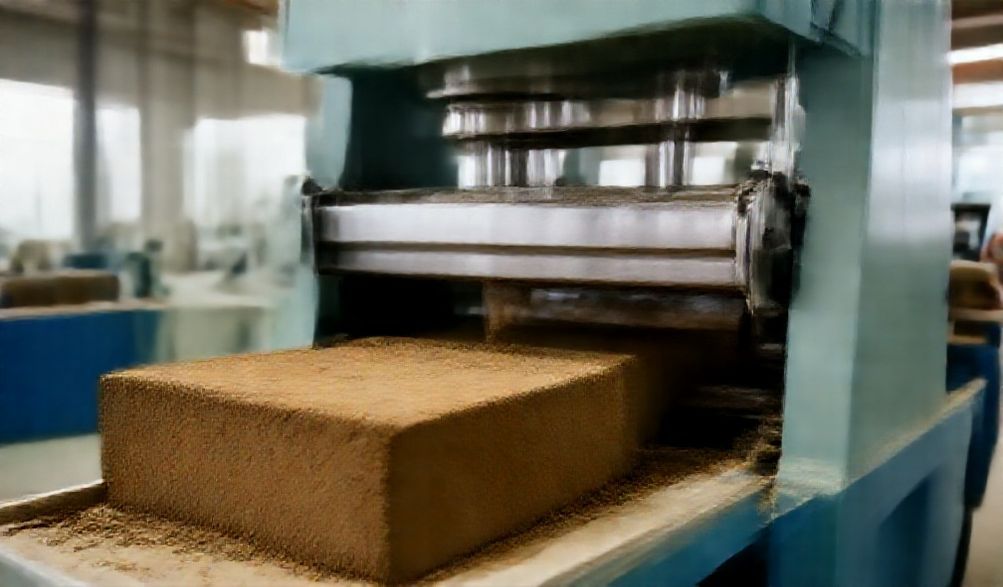
Полное руководство по закупке машин для производства саманных кирпичей из Китая
Введение
В эпоху, определяемую глобальным стремлением к устойчивому развитию и экономической эффективности, традиционные строительные материалы переживают мощное возрождение. Глиняные кирпичи, часто известные как спрессованные земляные блоки (CEB), находятся в авангарде этого движения. Они предлагают выдающуюся теплоёмкость, низкую воплощённую энергию и значительную экономию средств. Однако успех любого строительного проекта на основе земли зависит от одного критического фактора: надёжности и качества самого оборудования для производства кирпичей.
Для строителей, подрядчиков и социальных предпринимателей по всему миру поиск такой техники часто приводит к единственному доминирующему рынку: Китаю. В чем же сложность? В необходимости ориентироваться в обширном и порой непрозрачном ландшафте производителей. Рынок перенасыщен вариантами, где значительные различия в цене могут указывать на разницу в качестве, долговечности и уровне поддержки. Процесс выявления надежного中国制砖机制造厂сопряжено с вопросами о законности, технических возможностях и логистических трудностях.
Это руководство — ваш точный маршрут к цели. Опираясь на многолетние наблюдения за отраслью и прямой диалог с производителями, мы отделяем важное от второстепенного. Наша задача — предложить вам ясные, практические знания, какие мог бы дать опытный отраслевой эксперт. Мы вооружим вас информацией, чтобы не просто найти фабрику, а наладить партнёрство, которое гарантирует успех вашего проекта — от цеха до вашей строительной площадки.
Понимание машин для производства саманного кирпича: типы и технологии
Прежде чем оценивать фабрики, необходимо понять продукт. Знание типов машин и их ключевых технологий позволяет задавать правильные вопросы и подбирать оборудование под конкретные потребности вашего проекта.
Чем отличаются ручные, полуавтоматические и полностью автоматические машины
Уровень автоматизации является основным дифференцирующим фактором, напрямую влияющим на объем производства, трудозатраты и инвестиции.
- Ручные станки:Это рычажные или простые механические прессы. Они очень доступны по цене, портативны и не требуют электричества, что делает их идеальными для небольших проектов под руководством местных сообществ или удаленных районов. Однако производительность у них низкая (обычно 100–500 блоков в день), и они требуют значительных трудозатрат.
- Полуавтоматические станки:Эта категория представляет собой оптимальный вариант для многих малых и средних предприятий. Такие установки обычно оснащены электродвигателем для привода компрессионной системы (гидравлической или механической), но требуют ручной подачи сырья и извлечения готовых блоков. Они обеспечивают удачный баланс, производя от 800 до 3000 блоков в день при умеренных инвестициях и средних затратах на рабочую силу.
- Полностью автоматические машины:Это системы производственных линий. Они объединяют автоматическую подачу материала, прессование, выталкивание блоков и иногда паллетирование. Разработанные для крупномасштабного коммерческого производства, они способны выпускать от 5 000 до 20 000 и более блоков в день при минимальном ручном вмешательстве. Инвестиции значительны, но себестоимость единицы продукции и эффективность использования труда являются непревзойденными для проектов с большими объемами.
Ключевые компоненты оборудования и их влияние на качество кирпича
Машина хороша настолько, насколько хороша её самая слабая часть. Вот на что стоит обратить внимание:
- Форма/Штамп:Это определяет форму, размер и поверхность вашего кирпича. Высококачественные закалённые стальные формы обеспечивают постоянство размеров и долговечность. Конструкции блоков с замковым соединением требуют здесь точного инженерного расчёта.
- Система сжатия:Это сердце машины.
- Гидравлические системы:Обеспечивают превосходное, контролируемое давление, что приводит к получению более плотных и прочных кирпичей. Они, как правило, более долговечны и лучше подходят для работы с различными составами почвы.
- Механические системы:Используйте маховик и рычажный механизм. Они могут быть более надежными и проще в обслуживании, но могут обеспечивать менее стабильный контроль давления.
- Каркас и структура:Рама должна быть изготовлена из толстолистовой стали и профилей, чтобы выдерживать постоянную вибрацию под высоким давлением без деформации. Слабая рама приводит к смещению и быстрому выходу машины из строя.
- Смесительный узел (если интегрирован):Для автоматических систем важен последовательный и тщательный смеситель, чтобы обеспечить однородное смешивание грунта, стабилизатора (например, цемента или извести) и влаги.
От сырой земли до готового блока: Процесс производства
Понимание процесса помогает оценить логику конструкции машины. Основные этапы таковы:
- Подготовка почвы:Сырую почву просеивают для удаления камней и органических веществ. Затем её смешивают с точным процентом стабилизатора (часто 5-10% цемента) и водой для достижения оптимальной влажности.
- Сжатие:Подготовленная смесь подается в камеру машины и подвергается высокому давлению (часто измеряемому в тоннах). Это сжатие связывает частицы, создавая плотный, цельный блок.
- Выброс и отверждение:Свежеспрессованный блок осторожно выгружается на поддон. В отличие от обожжённого кирпича, CEB набирают прочность за счётизлечениепериод от 14 до 28 дней, в течение которого их поддерживают во влажном состоянии и защищают от прямых солнечных лучей и дождя, что позволяет стабилизатору полностью гидратироваться.
- Контроль качества:Простые полевые испытания включают тесты на падение (затвердевший блок не должен разбиваться при падении с высоты пояса) и тесты на водопоглощение.
为何中国成为全球泥砖机制造中心
中国在这一领域的突出地位并非偶然。这是数十年工业发展的成果,构建了一个独特而强大的重型机械制造生态系统。
Масштаб, цепочка поставок и преимущества в стоимости
中国的制造业实力建立在集中的产业集群之上。山东、河南、江苏等地区拥有密集的铸造厂、钢材供应商、液压元件制造商和组装工厂网络。这种一体化的供应链显著降低了材料成本和交货时间。庞大的生产规模催生了激烈竞争,虽然需要谨慎应对,但最终推动了价值和创新,使您能够以远低于许多其他国家的成本获得先进技术。
Технологическое внедрение и производственный опыт
中国制造业纯粹低成本的刻板印象已经过时。领先的工厂已大力投资于:
* Фрезерные обрабатывающие центры с ЧПУдля производства прецизионных деталей.
* Роботизированная сваркадля получения стабильных высокопрочных сварных швов на рамах станков.
* Передовые гидравлические системыот известных международных или отечественных брендов.
* ВыделенныйКоманды НИОКРсосредоточены на улучшении коэффициентов сжатия, энергоэффективности и программного обеспечения для автоматизации. Этот опыт воплощается в машинах, которые становятся более долговечными, эффективными и удобными для пользователя.
Опыт экспорта на различные рынки
中国工厂在这一领域是经验丰富的出口商。它们拥有应对以下方面的广泛经验:
* Международные стандарты:Адаптация оборудования для соответствия требованиям сертификации CE, ISO или других региональных стандартов.
* Глобальная логистика: Managing container loading, export documentation (commercial invoice, packing list, certificate of origin), and shipping to ports worldwide.
* Technical Variations: Providing machines configured for different voltage standards (110V/220V/380V, 50Hz/60Hz) and offering documentation in multiple languages.
How to Identify a Reputable Chinese Mud Brick Machine Factory
This is the critical phase where due diligence separates a successful partnership from a costly mistake. Here is your step-by-step vetting process.
Verifying Factory Credentials and Business Legitimacy
Start with the basics. Do not skip this step.
* Official Business License: Request a copy. You can verify it using third-party services or through platforms like Alibaba’s “Supplier Assessment” reports.
* Годы работы: While new companies can be innovative, a factory with 8-10+ years of history has likely survived market cycles and improved its product based on real-world feedback.
* Third-Party Audits: Look for evidence of factory audits by recognized firms like SGS, Bureau Veritas, or TÜV. These reports assess production capability, quality control systems, and working conditions.
* Patents and Certifications: Patents on machine design indicate R&D investment. ISO 9001 certification for quality management is a strong positive signal.
Assessing Technical Expertise and Production Capability
Move beyond sales talk to evaluate real engineering competence.
* Request Detailed Specifications: Ask for a comprehensive spec sheet covering pressure (tonnage), motor power, production speed, block dimensions, and weight. Vague answers are a red flag.
* Ask for Engineering Input: Present your specific soil test results or desired brick specifications. A reputable factory’s engineers should be able to advise on optimal stabilizer ratios and machine settings.
* Demand a Live Video Tour: This is non-negotiable. Politely insist on a live video call (via WhatsApp or Zoom) where they walk you through the actual factory floor—the welding stations, assembly lines, quality control areas, and testing zones. A pre-recorded promotional video proves nothing.
Analyzing Customer Reviews and International Project Portfolios
Past performance is the best predictor of future behavior.
* Scrutinize Reviews: On B2B platforms, look for detailed reviews with pictures or videos from buyers. Be wary of generic, repetitive praise.
* Ask for Contactable References: Request the contact information for 2-3 past international clients in a region similar to yours (e.g., Africa, South America, Southeast Asia). A confident supplier will provide this.
* Review Project Portfolios: Ask for case studies or photos/videos of their machines in operation on real construction sites abroad. This proves the machines can perform outside the factory.
Critical Questions to Ask Before Placing Your Order
Arm yourself with this checklist. The answers will reveal the supplier’s professionalism and the machine’s true quality.
Technical and Support Questions
- What is the exact grade and thickness of the steel used in the main frame and compression chamber?
- What brand and model are the key components (hydraulic pump, valves, electric motor, PLC controller)?
- What is the warranty period? What components and labor does it cover, and what is excluded?
- Do you provide detailed installation manuals, electrical schematics, and troubleshooting guides in English?
- Is remote video support available after installation? Do you offer optional on-site technician dispatch?
Logistics and Commercial Terms
- Is the quoted price FOB, CIF, or EXW? (Know the difference: FOB means you own goods once loaded on the ship; CIF includes cost, insurance, and freight to your port; EXW means you arrange all transport from their factory door).
- What is the detailed breakdown of costs (machine, spare parts, packaging, domestic freight to port)?
- Что такоесрок производства and estimated shipping duration to my nearest port?
- Can you provide a proforma invoiceиpacking list for customs clearance?
- Что такоеspare parts recommendation for the first two years of operation, and what are their costs?
Quality Assurance Protocols
- Can you conduct a pre-shipment inspection with a third-party agency? Will you share the report?
- What in-process quality checks are performed during assembly (e.g., weld inspection, pressure testing, trial run)?
- Will you perform a full test run of my machine before disassembly for shipping and provide a video as proof?
- How are the machines packaged to prevent rust and damage during ocean freight?
Navigating Logistics, Payment, and After-Sales Service
Successfully closing the deal requires careful management of money, movement, and long-term support.
Secure Payment Methods and Trade Assurance
- Use Secure Platforms: Whenever possible, use Alibaba Trade Assurance or similar escrow services. These platforms hold your payment until you confirm satisfactory receipt of the goods.
- Milestone Payments: Never pay 100% upfront. A standard and secure term is 30% deposit to start production and 70% balance paid after receiving photos/videos of the completed machine and before shipment.
- Bank Transfer (TT): If using direct wire transfer, always verify the bank account details directly with the company via a confirmed channel and ensure the recipient name matches the business license.
Understanding Shipping, Customs, and Import Duties
- Freight Forwarder: Engage a freight forwarder in your country early. They can provide door-to-door quotes, handle customs brokerage, and advise on import regulations.
- Shipping Incoterms: Understand your responsibilities. If you choose FOB, your forwarder will handle everything from the Chinese port onward.
- Import Duties: Consult your local customs authority to determine the HS Code and applicable tariff rate for brick-making machinery. This is a cost you must factor in.
Ensuring Reliable After-Sales Support and Spare Parts
- Get It in Writing: The after-sales service terms should be detailed in your Proforma Invoice or Sales Contract.
- Define Support Channels: Specify response times for email/WhatsApp support (e.g., “within 24 hours”).
- Наличие запасных частей: Secure a written guarantee that spare parts will be available for a minimum of 10 years. Purchase a recommended “starter kit” of common wear parts (seals, gaskets, spare molds) with your initial order.
Frequently Asked Questions (FAQ)
Q1: What is the average price range for a mud brick making machine from China?
А: Prices vary immensely based on capability. Small manual presses can start around $1,000 – $3,000. Semi-automatic machines suitable for SME production typically range from $8,000 – $25,000. Large, fully automatic production lines can cost $40,000 to $100,000+. Always request a detailed quotation based on your specific requirements.
Q2: Can Chinese factories customize machines for specific soil types or brick designs?
А: Absolutely. Reputable factories excel at customization. You can discuss:
* Custom mold sizes and interlocking patterns.
* Adjustments to compression force for different soil densities.
* Integration of specific feeders or mixers.
* Advice on optimal stabilizer types and ratios based on your soil analysis.
Q3: How do I handle machine maintenance and repairs in my country?
А: A good supplier will empower you for self-sufficiency. They should provide:
* Comprehensive, illustrated maintenance manuals.
* Video tutorials for common servicing tasks.
* Clear electrical and hydraulic diagrams.
* Remote guidance via video call for troubleshooting.
* A system to easily order and ship spare parts as needed.
Q4: Are there any hidden costs when importing machinery from China?
А: The main “hidden” costs are often in the logistics chain. Beyond the machine price, budget for:
* Shipping Insurance (highly recommended).
* Import Duties and Taxes (varies by your country).
* Port Handling and Terminal Fees.
* Inland Transportation from your port to your site.
* Potential Costs for a voltage transformer or local electrical work to connect the machine.
Заключение
Sourcing a high-quality mud brick making machine from a 中国制砖机制造厂 represents one of the most strategic decisions for your sustainable building venture. It offers an unparalleled combination of advanced technology, robust manufacturing, and compelling value. The journey, however, demands diligence.
The core of your success lies in the non-negotiable steps outlined here: rigorous factory verification through live video audits, crystal-clear technical communication, secure and milestone-based payment terms, and a watertight agreement on after-sales support. Remember, you are not just buying a piece of equipment; you are entering a technical partnership. The right factory will act as a long-term ally, invested in the success of your project and the performance of their machine on your soil.
Use this guide as your checklist. Approach your search with a critical eye and an open dialogue. The ideal partner is one that demonstrates transparency, welcomes your detailed questions, and proves its credibility at every turn. Your journey toward sustainable, cost-effective construction starts with finding them.
<