
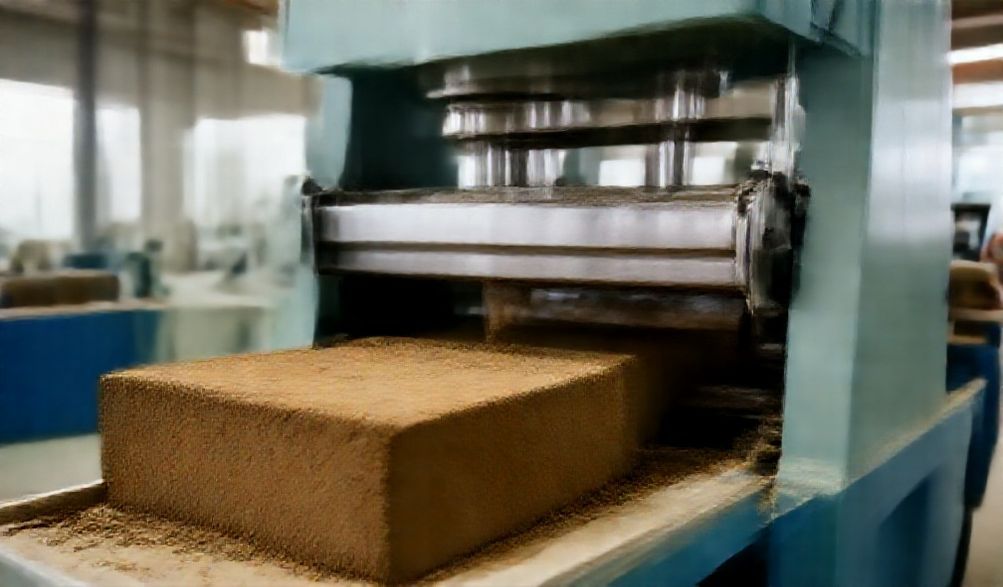
Xitoydan loy g'isht tayyorlash mashinalarini topish bo'yicha yakuniy qo'llanma
Kirish
Global barqarorlik va xarajatlarni tejashga qaratilgan davrda an'anaviy qurilish materiallari kuchli qayta tug'ilishni boshdan kechirmoqda. Loy g'ishtlar—odatda siqilgan tuproq bloklari (CEB) sifatida tanilgan—bu harakatning old qatorida turadi. Ular ajoyib issiqlik sig'imini, past energiya sarfini va sezilarli xarajat tejashni taklif etadi. Biroq, har qanday loy asosidagi qurilish loyihasining muvaffaqiyati bir muhim omilga bog'liq: g'isht ishlab chiqarish mashinalarining ishonchliligi va sifati.
Dunyo bo'ylab quruvchilar, pudratchilar va ijtimoiy tadbirkorlar uchun ushbu texnikani izlash ko'pincha yagona, yetakchi bozor - Xitoyga olib keladi. Muammo? Keng va ba'zan shaffof bo'lmagan ishlab chiqaruvchilar landshaftini boshqarish. Bozor turli xil variantlar bilan to'lib-toshgan bo'lib, sezilarli narx farqlari sifat, bardoshlik va qo'llab-quvvatlashdagi farqlarni anglatishi mumkin. Ishonchli ishlab chiqaruvchini aniqlash jarayoni...Xitoy loy g'isht ishlab chiqarish mashinalari zavodilejitimlik, texnik imkoniyat va logistik to'siqlar haqida ko'plab savollar tug'diradi.
Ushbu qo'llanma sizning aniq yo'lingizni ko'rsatadi. Biz yillik sanoat kuzatuvlari va ishlab chiqaruvchilar bilan bevosita hamkorlik tajribasidan foydalanib, keraksiz tafsilotlarni chetlab o'tamiz. Maqsadimiz - sizga sanoat sohasidagi tajribali mutaxassis kabi ochiq va amaliy bilim berish. Biz sizga nafaqat zavod topish, balki loyihangizni zavod maydonchasidan tortib, ish joyingizgacha muvaffaqiyatli amalga oshirishni ta'minlaydigan hamkor topish uchun zarur bilimlar bilan qurollantiramiz.
Loy g'isht tayyorlash mashinalarini tushunish: Turlari va texnologiyasi
Zavodlarni baholashdan oldin, siz mahsulotni tushunishingiz kerak. Mashinalar turlari va ularning asosiy texnologiyalarini bilish sizga to'g'ri savollar berish va uskunani o'zingizning loyiha ehtiyojlaringizga moslashtirish imkoniyatini beradi.
Qo'lda, yarim avtomat va to'liq avtomat mashinalar qanday farq qiladi
Avtomatlashtirish darajasi asosiy farqlovchi omil bo‘lib, u to‘g‘ridan-to‘g‘ri mahsulot, mehnat va investitsiyalarga ta’sir ko‘rsatadi.
- Qo'lda Boshqariladigan Mashinalar:Bular dastgohli yoki oddiy mexanik presslar. Ular juda arzon, ko'chma va elektr energiyasini talab qilmaydi, bu ularni kichik miqyosdagi, jamoa tomonidan boshqariladigan loyihalar yoki chekka joylar uchun ideal qiladi. Biroq, mahsuldorligi past (odatda kuniga 100-500 blok) va mehnat talab qiladi.
- Yarim avtomat mashinalar:Ushbu toifada ko'plab kichik va o'rta korxonalar uchun eng qulay nuqta mavjud. Ular odatda siqish tizimini (gidravlik yoki mexanik) harakatlantirish uchun elektr motordan foydalanadi, lekin xom ashyoni qo'lda yuklash va tayyor bloklarni olib tashlashni talab qiladi. Ular muvozanatli imkoniyatni taklif etadi, kundalik 800 dan 3 000 gacha blok ishlab chiqarish, boshqarish mumkin bo'lgan sarmoya va o'rtacha mehnat resurslari bilan amalga oshiriladi.
- To'liq avtomatik mashinalar:Bular ishlab chiqarish liniyasi tizimlaridir. Ular avtomatlashtirilgan material yetkazib berish, siqish, blok chiqarish va ba'zan paletalashni birlashtiradi. Keng miqyosli tijorat ishlab chiqarish uchun mo'ljallangan bo'lib, ular kuniga 5,000 dan 20,000+ gacha blok chiqarishi mumkin, minimal qo'lda aralashuv bilan. Investitsiya sezilarli, ammo yuqori hajmli loyihalar uchun birlik narxi va mehnat samaradorligi tengsizdir.
Asosiy Mashina Komponentlari va Ularning G'isht Sifatiga Ta'siri
Mashina faqat uning eng zaif qismi qadar yaxshi. Mana nimani diqqat bilan ko'rib chiqishingiz kerak:
- Qolip/Shablon:Bu sizning g'ishtingizning shakli, o'lchami va sirt silliqligini belgilaydi. Yuqori sifatli, qattiqlashtirilgan po'lat qoliplar o'lchovlar barqarorligi va uzoq muddatli xizmat qilishini ta'minlaydi. O'zaro bog'langan blok dizaynlari bu yerda aniq muhandislikni talab qiladi.
- Siqish Tizimi:Bu mashinaning yurak qismi.
- Gidravlik Tizimlar:Ustun, boshqariladigan bosimni ta'minlab, zichroq va mustahkamroq g'ishtlar ishlab chiqaradi. Ular odatda yanada bardoshli bo'lib, har xil tuproq tarkiblarini qayta ishlash uchun yaxshiroq hisoblanadi.
- Mexanik Tizimlar:Flywheel va dastak mexanizmidan foydalaning. Ular mustahkam va texnik xizmat ko'rsatishda sodda bo'lishi mumkin, ammo bosimni boshqarishda unchalik barqarorlik ta'minlamasligi mumkin.
- Рамка ва Структура:Rama doimiy yuqori bosimli tebranishlarga bardosh bera olish uchun og'ir ishlar uchun mo'ljallangan po'lat plitalar va profillardan tayyorlangan bo'lishi kerak. Zaif rama noto'g'ri tekislanishga va mashinaning tez ishdan chiqishiga olib keladi.
- Aralash Birlik (agar integratsiyalangan bo‘lsa)Avtomatik tizimlar uchun tuproq, stabilizator (masalan, sement yoki ohak) va namlikning bir xil aralashmasini yaratishda izchil va puxta aralashtirgich muhim ahamiyatga ega.
Xom Tuproqdan Tayyor Blokgacha: Ishlab Chiqarish Jarayoni Tushuntirildi
Protsessni tushunish mashina dizayn mantiqini baholashga yordam beradi. Asosiy bosqichlar quyidagilardan iborat:
- Tuproqni tayyorlash:Xom tuproq toshlar va organik moddalarni olib tashlash uchun elakdan o'tkaziladi. So'ngra, optimal namlik darajasiga erishish uchun uni aniq foizda stabilizator (odatda 5-10% sement) va suv bilan aralashtiriladi.
- Siqish:Tayyorlangan aralashma mashina kamerasiga yuboriladi va yuqori bosimga (odatda tonnalarda o'lchanadi) ta'sir qiladi. Bu siqish zarralarni bog'lab, zich, uyumli blok hosil qiladi.
- Ejektsiya va quritish:Yangi siqilgan blok ehtiyotkorlik bilan paletga chiqariladi. Pishirilgan g'ishtlardan farqli o'laroq, CEBlar mustahkamliknidavolashUlar 14-28 kun davomida nam saqlanadi va to'g'ridan-to'g'ri quyosh va yomg'irdan himoyalanadi, bu esa stabilizatorning to'liq namlanishiga imkon beradi.
- Sifat nazorati:Oddiy maydon testlariga tushirish sinovlari (quritilgan blok bel balandligidan tushganda sinmasligi kerak) va suv singdirish sinovlari kiradi.
Xitoy loy g'isht mashinalari ishlab chiqarish bo'yicha global markazga aylangan sabablari
Xitoyning ushbu sohadagi muhim o‘rni tasodif emas. Bu o‘nlab yillar davomida og‘ir mashinasozlik sanoati uchun o‘ziga xos kuchli ekotizimni yaratgan sanoat rivojlanishining natijasidir.
Masshtab, Ta'minot Zanjiri va Xarajat Afzalliklari
Xitoyning ishlab chiqarish qudrati sanoat klasterlarining markazlashuviga asoslangan. Shandun, Xenan va Syansu kabi hududlarda quyish zavodlari, po'lat etkazib beruvchilar, gidravlik komponentlar ishlab chiqaruvchilari va yig'uv zavodlarining zich tarmoqlari joylashgan. Ushbu yaxlit ta'minot zanjiri materiallar narxini va etkazib berish muddatlarini sezilarli darajada qisqartiradi. Ishlab chiqarishning ulkan hajmi qattiq raqobatni keltirib chiqaradi, bu esa ehtiyotkorlik bilan boshqarishni talab qilsa-da, oxir-oqibat qimmat va innovatsiyalarni rag'batlantiradi, boshqa ko'plab mamlakatlarga nisbatan ancha arzon narxda ilg'or texnologiyalarga kirish imkonini beradi.
Texnologiyalarni qabul qilish va ishlab chiqarish bo'yicha mutaxassislik
Xitoy ishlab chiqarishini faqat arzon narxlar bilan bog‘lash stereotipi eskirgan. Yetakchi fabrikalar quyidagi sohalarga katta sarmoya kiritmoqda:
* CNC ishlash markazlarianiq qismlarni ishlab chiqarish uchun.
* Robotic Welding for consistent, high-strength welds on machine frames.
* Advanced Hydraulic Systems from reputable international or domestic brands.
* Dedicated R&D Teams focused on improving compression ratios, energy efficiency, and automation software. This expertise translates into machines that are more durable, efficient, and user-friendly.
Experience in Exporting to Diverse Markets
Chinese factories in this space are seasoned exporters. They have extensive experience navigating:
* International Standards: Adapting machines to meet CE, ISO, or other regional certification requirements.
* Global Logistics: Managing container loading, export documentation (commercial invoice, packing list, certificate of origin), and shipping to ports worldwide.
* Technical Variations: Providing machines configured for different voltage standards (110V/220V/380V, 50Hz/60Hz) and offering documentation in multiple languages.
How to Identify a Reputable Chinese Mud Brick Machine Factory
This is the critical phase where due diligence separates a successful partnership from a costly mistake. Here is your step-by-step vetting process.
Verifying Factory Credentials and Business Legitimacy
Start with the basics. Do not skip this step.
* Official Business License: Request a copy. You can verify it using third-party services or through platforms like Alibaba’s “Supplier Assessment” reports.
* Faoliyat yillari: While new companies can be innovative, a factory with 8-10+ years of history has likely survived market cycles and improved its product based on real-world feedback.
* Third-Party Audits: Look for evidence of factory audits by recognized firms like SGS, Bureau Veritas, or TÜV. These reports assess production capability, quality control systems, and working conditions.
* Patents and Certifications: Patents on machine design indicate R&D investment. ISO 9001 certification for quality management is a strong positive signal.
Assessing Technical Expertise and Production Capability
Move beyond sales talk to evaluate real engineering competence.
* Request Detailed Specifications: Ask for a comprehensive spec sheet covering pressure (tonnage), motor power, production speed, block dimensions, and weight. Vague answers are a red flag.
* Ask for Engineering Input: Present your specific soil test results or desired brick specifications. A reputable factory’s engineers should be able to advise on optimal stabilizer ratios and machine settings.
* Demand a Live Video Tour: This is non-negotiable. Politely insist on a live video call (via WhatsApp or Zoom) where they walk you through the actual factory floor—the welding stations, assembly lines, quality control areas, and testing zones. A pre-recorded promotional video proves nothing.
Analyzing Customer Reviews and International Project Portfolios
Past performance is the best predictor of future behavior.
* Scrutinize Reviews: On B2B platforms, look for detailed reviews with pictures or videos from buyers. Be wary of generic, repetitive praise.
* Ask for Contactable References: Request the contact information for 2-3 past international clients in a region similar to yours (e.g., Africa, South America, Southeast Asia). A confident supplier will provide this.
* Review Project Portfolios: Ask for case studies or photos/videos of their machines in operation on real construction sites abroad. This proves the machines can perform outside the factory.
Critical Questions to Ask Before Placing Your Order
Arm yourself with this checklist. The answers will reveal the supplier’s professionalism and the machine’s true quality.
Technical and Support Questions
- What is the exact grade and thickness of the steel used in the main frame and compression chamber?
- What brand and model are the key components (hydraulic pump, valves, electric motor, PLC controller)?
- What is the warranty period? What components and labor does it cover, and what is excluded?
- Do you provide detailed installation manuals, electrical schematics, and troubleshooting guides in English?
- Is remote video support available after installation? Do you offer optional on-site technician dispatch?
Logistics and Commercial Terms
- Is the quoted price FOB, CIF, or EXW? (Know the difference: FOB means you own goods once loaded on the ship; CIF includes cost, insurance, and freight to your port; EXW means you arrange all transport from their factory door).
- What is the detailed breakdown of costs (machine, spare parts, packaging, domestic freight to port)?
- Nima degani?production lead time and estimated shipping duration to my nearest port?
- Can you provide a proforma invoice and a packing list for customs clearance?
- Nima degani?spare parts recommendation for the first two years of operation, and what are their costs?
Quality Assurance Protocols
- Can you conduct a pre-shipment inspection with a third-party agency? Will you share the report?
- What in-process quality checks are performed during assembly (e.g., weld inspection, pressure testing, trial run)?
- Will you perform a full test run of my machine before disassembly for shipping and provide a video as proof?
- How are the machines packaged to prevent rust and damage during ocean freight?
Navigating Logistics, Payment, and After-Sales Service
Successfully closing the deal requires careful management of money, movement, and long-term support.
Secure Payment Methods and Trade Assurance
- Use Secure Platforms: Whenever possible, use Alibaba Trade Assurance or similar escrow services. These platforms hold your payment until you confirm satisfactory receipt of the goods.
- Milestone Payments: Never pay 100% upfront. A standard and secure term is 30% deposit to start production and 70% balance paid after receiving photos/videos of the completed machine and before shipment.
- Bank Transfer (TT): If using direct wire transfer, always verify the bank account details directly with the company via a confirmed channel and ensure the recipient name matches the business license.
Understanding Shipping, Customs, and Import Duties
- Freight Forwarder: Engage a freight forwarder in your country early. They can provide door-to-door quotes, handle customs brokerage, and advise on import regulations.
- Shipping Incoterms: Understand your responsibilities. If you choose FOB, your forwarder will handle everything from the Chinese port onward.
- Import Duties: Consult your local customs authority to determine the HS Code and applicable tariff rate for brick-making machinery. This is a cost you must factor in.
Ensuring Reliable After-Sales Support and Spare Parts
- Get It in Writing: The after-sales service terms should be detailed in your Proforma Invoice or Sales Contract.
- Define Support Channels: Specify response times for email/WhatsApp support (e.g., “within 24 hours”).
- Ehtiyot qismlar mavjudligi: Secure a written guarantee that spare parts will be available for a minimum of 10 years. Purchase a recommended “starter kit” of common wear parts (seals, gaskets, spare molds) with your initial order.
Tez-tez so'raladigan savollar (FAQ)
Q1: What is the average price range for a mud brick making machine from China?
A: Prices vary immensely based on capability. Small manual presses can start around $1,000 – $3,000. Semi-automatic machines suitable for SME production typically range from $8,000 – $25,000. Large, fully automatic production lines can cost $40,000 to $100,000+. Always request a detailed quotation based on your specific requirements.
Q2: Can Chinese factories customize machines for specific soil types or brick designs?
A: Absolutely. Reputable factories excel at customization. You can discuss:
* Custom mold sizes and interlocking patterns.
* Adjustments to compression force for different soil densities.
* Integration of specific feeders or mixers.
* Advice on optimal stabilizer types and ratios based on your soil analysis.
Q3: How do I handle machine maintenance and repairs in my country?
A: A good supplier will empower you for self-sufficiency. They should provide:
* Comprehensive, illustrated maintenance manuals.
* Video tutorials for common servicing tasks.
* Clear electrical and hydraulic diagrams.
* Remote guidance via video call for troubleshooting.
* A system to easily order and ship spare parts as needed.
Q4: Are there any hidden costs when importing machinery from China?
A: The main “hidden” costs are often in the logistics chain. Beyond the machine price, budget for:
* Shipping Insurance (highly recommended).
* Import Duties and Taxes (varies by your country).
* Port Handling and Terminal Fees.
* Inland Transportation from your port to your site.
* Potential Costs for a voltage transformer or local electrical work to connect the machine.
Xulosa
Sourcing a high-quality mud brick making machine from a Xitoy loy g'isht ishlab chiqarish mashinalari zavodi represents one of the most strategic decisions for your sustainable building venture. It offers an unparalleled combination of advanced technology, robust manufacturing, and compelling value. The journey, however, demands diligence.
The core of your success lies in the non-negotiable steps outlined here: rigorous factory verification through live video audits, crystal-clear technical communication, secure and milestone-based payment terms, and a watertight agreement on after-sales support. Remember, you are not just buying a piece of equipment; you are entering a technical partnership. The right factory will act as a long-term ally, invested in the success of your project and the performance of their machine on your soil.
Use this guide as your checklist. Approach your search with a critical eye and an open dialogue. The ideal partner is one that demonstrates transparency, welcomes your detailed questions, and proves its credibility at every turn. Your journey toward sustainable, cost-effective construction starts with finding them.
<