
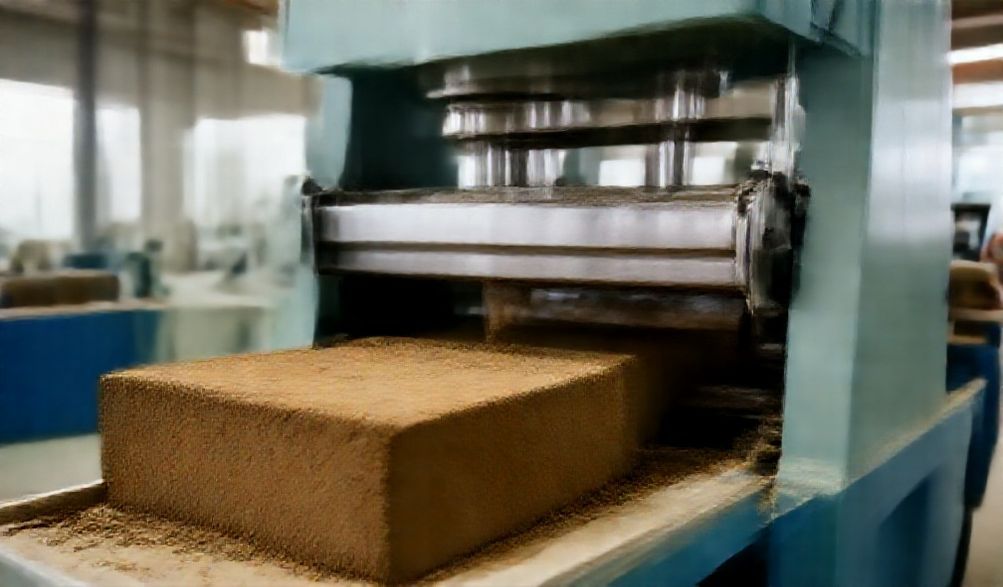
Ang Komprehensibong Gabay sa Pagkuha ng Makina sa Paggawa ng Mud Brick mula sa Tsina
Panimula
Sa isang panahong tinutukoy ng pandaigdigang pagtulak para sa pagpapanatili at pagtitipid sa gastos, ang mga tradisyonal na materyales sa paggawa ng gusali ay sumasailalim sa isang makapangyarihang muling pagsilang. Ang mga ladrilyong putik—na karaniwang kilala bilang compressed earth blocks (CEBs)—ay nasa unahan ng kilusang ito. Nag-aalok ang mga ito ng kahanga-hangang thermal mass, mababang enerhiyang nakapaloob, at malaking pagtitipid sa gastos. Gayunpaman, ang tagumpay ng anumang proyektong konstruksiyon na nakabatay sa lupa ay nakasalalay sa isang kritikal na salik: ang pagiging maaasahan at kalidad ng makinaryang gumagawa ng ladrilyo mismo.
Para sa mga tagapagtayo, kontratista, at social entrepreneur sa buong mundo, ang paghahanap ng mga makinaryang ito ay kadalasang humahantong sa iisang nangingibabaw na pamilihan: ang Tsina. Ang hamon? Ang paglalayag sa isang malawak at kung minsan ay hindi malinaw na larangan ng mga tagagawa. Ang pamilihan ay puno ng mga opsyon, kung saan ang malalaking pagkakaiba sa presyo ay maaaring magpahiwatig ng pagkakaiba sa kalidad, tibay, at suporta. Ang proseso ng pagkilala sa isang mapagkakatiwalaang...Pabrika ng makina ng paggawa ng ladrilyo ng putik sa TsinaPuno ito ng mga katanungan tungkol sa lehitimidad, kakayahang teknikal, at mga hadlang sa logistika.
Ang gabay na ito ang iyong tiyak na mapa. Gamit ang taon-taong pagmamasid sa industriya at direktang pakikipag-ugnayan sa mga tagagawa, tinatanggal namin ang mga hindi kailangang impormasyon. Ang aming layunin ay bigyan ka ng malinaw at magagamit na ekspertisya—tulad ng makukuha mo mula sa isang bihasang insider sa industriya. Bibigyan ka namin ng kaalaman upang hindi lamang makahanap ng pabrika kundi makipagtulungan sa isang tiyak na magsisiguro sa tagumpay ng iyong proyekto, mula sa pabrika hanggang sa iyong lugar ng trabaho.
Pag-unawa sa mga Makina ng Paggawa ng Mud Brick: Mga Uri at Teknolohiya
Bago suriin ang mga pabrika, kailangan mong unawain ang produkto. Ang pag-alam sa mga uri ng makina at kanilang pangunahing teknolohiya ay magbibigay sa iyo ng kakayahang magtanong ng tamang mga katanungan at itugma ang kagamitan sa iyong partikular na pangangailangan sa proyekto.
Paano Nagkakaiba ang Manual, Semi-Awomatiko, at Ganap na Awomatikong Makina
Ang antas ng awtomasyon ang pangunahing tagapag-iba, na tuwirang nakaaapekto sa produksyon, lakas-paggawa, at pamumuhunan.
- Manual na Makina:Ang mga ito ay lever-operated o simpleng mekanikal na pindutin. Lubhang abot-kaya, madaling dalhin, at hindi nangangailangan ng kuryente, na ginagawa itong mainam para sa maliliit na proyektong pinamumunuan ng komunidad o sa malalayong lugar. Gayunpaman, mababa ang produksiyon (karaniwan ay 100-500 bloke bawat araw), at nangangailangan ng maraming lakas-paggawa.
- Semi-Automatikong Makina:Ang kategoryang ito ay kumakatawan sa tamang punto para sa maraming maliliit hanggang katamtamang negosyo. Kadalasan, mayroon silang de-kuryenteng motor upang patakbuhin ang sistema ng kompresyon (haydroliko o mekanikal) ngunit nangangailangan ng manwal na pagpapakain ng hilaw na materyales at pag-aalis ng mga tapos na bloke. Nag-aalok ang mga ito ng matibay na balanse, na nakapagpoprodyus ng 800 hanggang 3,000 bloke bawat araw na may pamamahalaang puhunan at katamtamang pangangailangan sa paggawa.
- Ganap na Awtomatikong Makina:Ito ay mga sistemang pang-linya ng produksyon. Nagsasama-sama ang mga ito ng awtomatikong pagpapakain ng materyales, pagpiga, pag-eject ng bloke, at kung minsan ay pagpa-pallet. Dinisenyo para sa malakihang produksyong pang-komersyo, kayang maglabas ng 5,000 hanggang 20,000+ bloke bawat araw nang may kaunting interbensyong manual. Malaki ang puhunan, ngunit ang gastos bawat yunit at kahusayan sa paggawa ay walang katulad para sa mga proyektong may mataas na dami.
Mga Pangunahing Bahagi ng Makina at Ang Kanilang Epekto sa Kalidad ng Brik
Ang isang makina ay kasinghusay lamang ng pinakamahinang bahagi nito. Narito ang mga dapat suriin:
- Molde/Hulma:Ito ang tumutukoy sa hugis, sukat, at tapis ng ibabaw ng iyong ladrilyo. Tinitiyak ng mataas na kalidad at pinatigas na mga molde na yari sa bakal ang pagkakapare-pareho ng sukat at tibay. Ang mga disenyong bloke na magkakaugnay ay nangangailangan ng tumpak na inhenyeriya dito.
- Sistema ng PagpigaIto ang puso ng makina.
- Mga Sistema ng Haydroliko:Nag-aalok ng higit na mataas at kontroladong presyon, na humahantong sa mas siksik at mas matibay na mga ladrilyo. Karaniwan silang mas matibay at mas angkop para sa paghawak ng iba't ibang komposisyon ng lupa.
- Mga Sistemang Mekanikal:Gumamit ng mekanismong flywheel at lever. Maaari silang maging matibay at mas simple sa pagpapanatili ngunit maaaring magbigay ng hindi gaanong pare-parehong kontrol sa presyon.
- Balangkas at Estruktura:Ang balangkas ay dapat gawin mula sa mabigat na uri ng bakal na plato at mga profile upang makatiis ng tuluy-tuloy, mataas na presyon ng panginginig nang hindi nababaluktot. Ang mahinang balangkas ay humahantong sa maling pagkakahanay at mabilis na pagkasira ng makina.
- Yunit ng Paghahalo (kung nakakabit):Para sa mga awtomatikong sistema, ang isang pare-pareho at masusing panghalo ay mahalaga para sa paglikha ng isang homogenous na timpla ng lupa, stabilizer (tulad ng semento o apog), at kahalumigmigan.
Mula sa Hilaw na Lupa Hanggang sa Tapos na Bloke: Ang Proseso ng Produksyon Ipinaliwanag
Ang pag-unawa sa proseso ay tumutulong sa iyo na masuri ang lohika ng disenyo ng isang makina. Ang mga pangunahing yugto ay:
- Paghhanda ng Lupa:Ang hilaw na lupa ay sinasala upang alisin ang mga bato at organikong materyal. Pagkatapos, ito ay hinahalo ng eksaktong porsyento ng stabilizer (karaniwan ay 5-10% semento) at tubig upang makamit ang pinakamainam na moisture content.
- Kompresyon:Ang inihandang timpla ay ipinasok sa silid ng makina at sumailalim sa mataas na presyon (karaniwang sinusukat sa tonelada). Ang pagpiga na ito ay nagbubuklod sa mga partikula, na lumilikha ng isang siksik at magkakaugnay na bloke.
- Pag-eject at Pagpapahid:Ang sariwang piyestang bloke ay maingat na inilalabas sa isang pallet. Hindi tulad ng mga fired brick, ang mga CEB ay nakakakuha ng lakas sa pamamagitan ngpagpapagalingIsang panahon ng 14-28 araw kung saan sila ay pinapanatiling basa at pinoprotektahan mula sa direktang sikat ng araw at ulan, upang ang stabilizer ay ganap na mahidratuhan.
- Mga Pagsusuri sa Kalidad:Kasama sa mga simpleng pagsusuri sa bukid ang drop tests (hindi dapat masira ang isang pinatigas na bloke kapag ibinagsak mula sa taas ng baywang) at mga pagsusuri sa pag-absorb ng tubig.
Bakit ang Tsina ang Global Hub para sa Paggawa ng Mud Brick Machine?
The prominence of China in this sector is no accident. It is the result of decades of industrial development creating a uniquely powerful ecosystem for heavy machinery manufacturing.
Scale, Supply Chain, and Cost Advantages
China’s manufacturing might is built on concentrated industrial clusters. Regions like Shandong, Henan, and Jiangsu host dense networks of foundries, steel suppliers, hydraulic component makers, and assembly plants. This integrated supply chain reduces material costs and lead times dramatically. The sheer scale of production fosters intense competition, which, while requiring careful navigation, ultimately drives value and innovation, allowing you to access advanced technology at a fraction of the cost possible in many other countries.
Technological Adoption and Manufacturing Expertise
The stereotype of Chinese manufacturing as purely low-cost is outdated. Leading factories have heavily invested in:
* CNC Machining Centers for precision-part manufacturing.
* Robotic Welding for consistent, high-strength welds on machine frames.
* Advanced Hydraulic Systems from reputable international or domestic brands.
* Dedicated R&D Teams focused on improving compression ratios, energy efficiency, and automation software. This expertise translates into machines that are more durable, efficient, and user-friendly.
Experience in Exporting to Diverse Markets
Chinese factories in this space are seasoned exporters. They have extensive experience navigating:
* International Standards: Adapting machines to meet CE, ISO, or other regional certification requirements.
* Global Logistics: Managing container loading, export documentation (commercial invoice, packing list, certificate of origin), and shipping to ports worldwide.
* Technical Variations: Providing machines configured for different voltage standards (110V/220V/380V, 50Hz/60Hz) and offering documentation in multiple languages.
How to Identify a Reputable Chinese Mud Brick Machine Factory
This is the critical phase where due diligence separates a successful partnership from a costly mistake. Here is your step-by-step vetting process.
Verifying Factory Credentials and Business Legitimacy
Start with the basics. Do not skip this step.
* Official Business License: Request a copy. You can verify it using third-party services or through platforms like Alibaba’s “Supplier Assessment” reports.
* Taon ng Pagpapatakbo: While new companies can be innovative, a factory with 8-10+ years of history has likely survived market cycles and improved its product based on real-world feedback.
* Third-Party Audits: Look for evidence of factory audits by recognized firms like SGS, Bureau Veritas, or TÜV. These reports assess production capability, quality control systems, and working conditions.
* Patents and Certifications: Patents on machine design indicate R&D investment. ISO 9001 certification for quality management is a strong positive signal.
Assessing Technical Expertise and Production Capability
Move beyond sales talk to evaluate real engineering competence.
* Request Detailed Specifications: Ask for a comprehensive spec sheet covering pressure (tonnage), motor power, production speed, block dimensions, and weight. Vague answers are a red flag.
* Ask for Engineering Input: Present your specific soil test results or desired brick specifications. A reputable factory’s engineers should be able to advise on optimal stabilizer ratios and machine settings.
* Demand a Live Video Tour: This is non-negotiable. Politely insist on a live video call (via WhatsApp or Zoom) where they walk you through the actual factory floor—the welding stations, assembly lines, quality control areas, and testing zones. A pre-recorded promotional video proves nothing.
Analyzing Customer Reviews and International Project Portfolios
Past performance is the best predictor of future behavior.
* Scrutinize Reviews: On B2B platforms, look for detailed reviews with pictures or videos from buyers. Be wary of generic, repetitive praise.
* Ask for Contactable References: Request the contact information for 2-3 past international clients in a region similar to yours (e.g., Africa, South America, Southeast Asia). A confident supplier will provide this.
* Review Project Portfolios: Ask for case studies or photos/videos of their machines in operation on real construction sites abroad. This proves the machines can perform outside the factory.
Critical Questions to Ask Before Placing Your Order
Arm yourself with this checklist. The answers will reveal the supplier’s professionalism and the machine’s true quality.
Technical and Support Questions
- What is the exact grade and thickness of the steel used in the main frame and compression chamber?
- What brand and model are the key components (hydraulic pump, valves, electric motor, PLC controller)?
- What is the warranty period? What components and labor does it cover, and what is excluded?
- Do you provide detailed installation manuals, electrical schematics, and troubleshooting guides in English?
- Is remote video support available after installation? Do you offer optional on-site technician dispatch?
Logistics and Commercial Terms
- Is the quoted price FOB, CIF, or EXW? (Know the difference: FOB means you own goods once loaded on the ship; CIF includes cost, insurance, and freight to your port; EXW means you arrange all transport from their factory door).
- What is the detailed breakdown of costs (machine, spare parts, packaging, domestic freight to port)?
- Ano angproduction lead time and estimated shipping duration to my nearest port?
- Can you provide a proforma invoice and a packing list for customs clearance?
- Ano angspare parts recommendation for the first two years of operation, and what are their costs?
Quality Assurance Protocols
- Can you conduct a pre-shipment inspection with a third-party agency? Will you share the report?
- What in-process quality checks are performed during assembly (e.g., weld inspection, pressure testing, trial run)?
- Will you perform a full test run of my machine before disassembly for shipping and provide a video as proof?
- How are the machines packaged to prevent rust and damage during ocean freight?
Navigating Logistics, Payment, and After-Sales Service
Successfully closing the deal requires careful management of money, movement, and long-term support.
Secure Payment Methods and Trade Assurance
- Use Secure Platforms: Whenever possible, use Alibaba Trade Assurance or similar escrow services. These platforms hold your payment until you confirm satisfactory receipt of the goods.
- Milestone Payments: Never pay 100% upfront. A standard and secure term is 30% deposit to start production and 70% balance paid after receiving photos/videos of the completed machine and before shipment.
- Bank Transfer (TT): If using direct wire transfer, always verify the bank account details directly with the company via a confirmed channel and ensure the recipient name matches the business license.
Understanding Shipping, Customs, and Import Duties
- Freight Forwarder: Engage a freight forwarder in your country early. They can provide door-to-door quotes, handle customs brokerage, and advise on import regulations.
- Shipping Incoterms: Understand your responsibilities. If you choose FOB, your forwarder will handle everything from the Chinese port onward.
- Import Duties: Consult your local customs authority to determine the HS Code and applicable tariff rate for brick-making machinery. This is a cost you must factor in.
Ensuring Reliable After-Sales Support and Spare Parts
- Get It in Writing: The after-sales service terms should be detailed in your Proforma Invoice or Sales Contract.
- Define Support Channels: Specify response times for email/WhatsApp support (e.g., “within 24 hours”).
- Kagamitan sa Pagkukumpuni: Secure a written guarantee that spare parts will be available for a minimum of 10 years. Purchase a recommended “starter kit” of common wear parts (seals, gaskets, spare molds) with your initial order.
Mga Madalas Itanong (FAQ)
Q1: What is the average price range for a mud brick making machine from China?
Isalin ang teksto sa Filipino. I-output LAMANG ang isinalin na teksto. Prices vary immensely based on capability. Small manual presses can start around $1,000 – $3,000. Semi-automatic machines suitable for SME production typically range from $8,000 – $25,000. Large, fully automatic production lines can cost $40,000 to $100,000+. Always request a detailed quotation based on your specific requirements.
Q2: Can Chinese factories customize machines for specific soil types or brick designs?
Isalin ang teksto sa Filipino. I-output LAMANG ang isinalin na teksto. Absolutely. Reputable factories excel at customization. You can discuss:
* Custom mold sizes and interlocking patterns.
* Adjustments to compression force for different soil densities.
* Integration of specific feeders or mixers.
* Advice on optimal stabilizer types and ratios based on your soil analysis.
Q3: How do I handle machine maintenance and repairs in my country?
Isalin ang teksto sa Filipino. I-output LAMANG ang isinalin na teksto. A good supplier will empower you for self-sufficiency. They should provide:
* Comprehensive, illustrated maintenance manuals.
* Video tutorials for common servicing tasks.
* Clear electrical and hydraulic diagrams.
* Remote guidance via video call for troubleshooting.
* A system to easily order and ship spare parts as needed.
Q4: Are there any hidden costs when importing machinery from China?
Isalin ang teksto sa Filipino. I-output LAMANG ang isinalin na teksto. The main “hidden” costs are often in the logistics chain. Beyond the machine price, budget for:
* Shipping Insurance (highly recommended).
* Import Duties and Taxes (varies by your country).
* Port Handling and Terminal Fees.
* Inland Transportation from your port to your site.
* Potential Costs for a voltage transformer or local electrical work to connect the machine.
Konklusyon
Sourcing a high-quality mud brick making machine from a Pabrika ng makina ng paggawa ng ladrilyo ng putik sa Tsina represents one of the most strategic decisions for your sustainable building venture. It offers an unparalleled combination of advanced technology, robust manufacturing, and compelling value. The journey, however, demands diligence.
The core of your success lies in the non-negotiable steps outlined here: rigorous factory verification through live video audits, crystal-clear technical communication, secure and milestone-based payment terms, and a watertight agreement on after-sales support. Remember, you are not just buying a piece of equipment; you are entering a technical partnership. The right factory will act as a long-term ally, invested in the success of your project and the performance of their machine on your soil.
Use this guide as your checklist. Approach your search with a critical eye and an open dialogue. The ideal partner is one that demonstrates transparency, welcomes your detailed questions, and proves its credibility at every turn. Your journey toward sustainable, cost-effective construction starts with finding them.
<