
الدليل الشامل لآلات الطوب المجوف: الأنواع، الأسعار، وكيفية الاختيار
مقدمة
من ناطحات السحاب الشاهقة إلى المنازل السكنية المتواضعة، يعتمد البيئة المبنية الحديثة على مكون أساسي: طوب الخرسانة المجوف. الذي يُقدر لمتانته وخصائصه العازلة وفعاليته من حيث التكلفة، هذا المادة البناءية المنتشرة في كل مكان هي العمود الفقري للبناء في جميع أنحاء العالم. لكن وراء كل جدار متين يكمن محرك إنشائه – آلة الطوب المجوف. بالنسبة لرواد الأعمال وشركات البناء والمستثمرين، فإن اختيار الآلة المناسبة هو قرار حاسم يعتمد على المعرفة التقنية والتخطيط المالي الواضح والبصيرة العملية.
يقدم هذا الدليل كمورد شامل وحيادي، تم تجميعه من مواصفات الصناعة، وبيانات الشركات المصنعة، والخبرة التشغيلية. وهو مصمم لكشف غموض عالم إنتاج البلوك المجوف. ستجد داخله استكشافاً مفصلاً لكيفية عمل هذه الآلات، وتحليلاً مقارناً للأنواع المتاحة، ونظرة شفافة للتكاليف والاستثمار، ونصائح قابلة للتطبيق حول التشغيل واختيار المورد. سواء كنت تطلق مشروعاً لتصنيع البلوك أو تبحث عن معدات لمشروع كبير، يوفر هذا الدليل المعرفة الأساسية المطلوبة لاتخاذ قرار مستنير وواثق.
ما هي آلة صناعة البلوك المجوف وكيف تعمل؟
آلة صناعة الطوب المجوف هي قطعة متخصصة من المعدات الصناعية المصممة لتصنيع الطوب الخرساني المجوف عن طريق ضغط خليط من الأسمنت والركام والماء في قالب تحت ضغط واهتزاز كبيرين.
الوظيفة الأساسية والمخرجات: تعريف البلوكات المجوفة
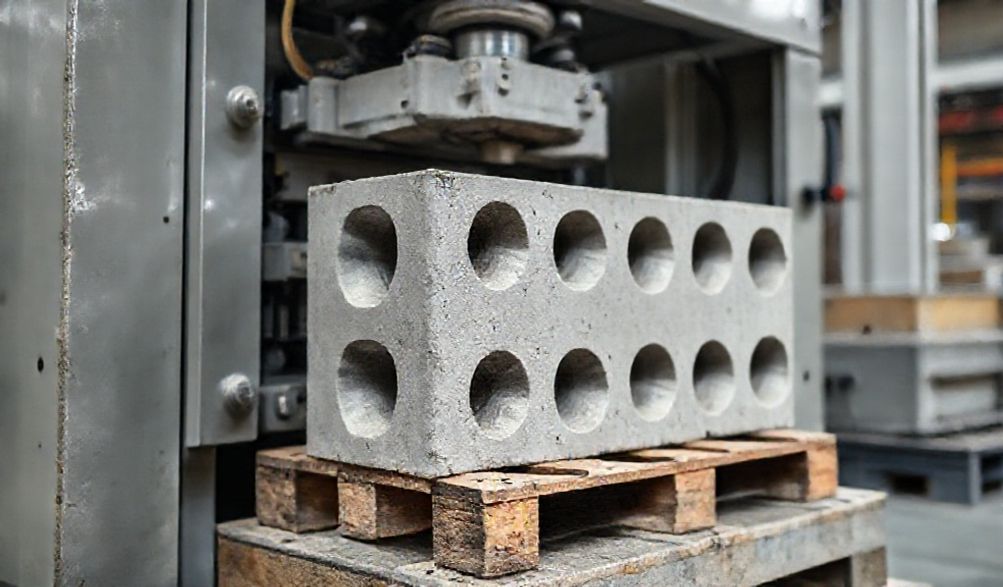
الطوب الخرساني المجوف هو وحدة بناء تحتوي على ثقب واحد كبير أو أكثر أو تجاويف. تقلل هذه التجاويف الوزن الكلي للطوب، وتحسن خصائصه العازلة للحرارة والصوت، وتجعله أكثر اقتصادًا باستخدام مواد خام أقل. الدور الأساسي لآلة الطوب المجوف هو إنتاج هذه الطوب بشكل متسق وفعال، وبالمعايير الهيكلية المطلوبة. يؤثر إنتاج الآلة بشكل مباشر على الجداول الزمنية للمشروع وربحية الأعمال.
المبدأ التشغيلي الأساسي
تتبع عملية الإنتاج، رغم اختلافها حسب مستوى الأتمتة، تسلسلاً ثابتاً للمراحل:
- خلط:يتم خلط المواد الخام (عادة الأسمنت والرمل والحصى والماء) بنسب دقيقة لتشكيل خليط خرساني شبه جاف، حيث يعتبر الاتساق هنا حاسماً لمتانة البلوك النهائي.
- التغذية:يتم تغذية الخرسانة المخلوطة في قادوس الآلة، الذي يعمل كحجرة احتجاز وتوجيه.
- الضغط والاهتزاز:هذا هو جوهر العملية. تُنقل الخلطة إلى قالب (أو "صندوق القالب"). يجمع بين الاهتزاز عالي التردد والضغط الهيدروليكي لضغط الخرسانة، مما يزيل الجيوب الهوائية ويضمن تشكيل كتلة كثيفة وصلبة حول التجاويف المجوفة.
- التشكيل والإخراج:بعد الانضغاط، يتم رفع القالب أو سحبه، ويتم إخراج البلوكة "الخضراء" حديثة التشكيل على منصة أو أرضية المصنع.
- التداويالكتل المطرودة ليست بعد في قوتها الكاملة. يجب أن تخضع لعملية معالجة، غالبًا ما تتضمن رطوبة ودرجة حرارة مُتحكم بهما لمدة 24-48 ساعة، قبل أن يمكن تكديسها ونقلها واستخدامها في البناء.
المكونات الأساسية للآلة القياسية
فهم الأجزاء الرئيسية يوضح قدرة الآلة واحتياجات الصيانة.
- هوبر:القادوس الذي يحمل ويغذي الخليط الخرساني الخام إلى نظام التشكيل.
- الخلاط:وحدة متكاملة أو منفصلة تضمن مزجًا متجانسًا لجميع المواد الخام.
- قالب / صندوق القالبالمكون المحدِّد. هذا الصندوق الفولاذي القابل للتبديل يمنح البلوك شكله وحجمه وتصميم تجويفه. تسمح القوالب المختلفة للآلة الواحدة بإنتاج أنواع متعددة من البلوك.
- نظام الاهتزاز:عادة ما تتكون من هزازات كهربائية قوية مثبتة على طاولة القالب أو غرفة التشكيل. يعد الاهتزاز عالي التردد ضرورياً للدمج المناسب والحصول على سطح أملس للطوبة.
- النظام الهيدروليكي:محطة الطاقة. تتكون من مضخة، أسطوانات، وصمامات تولد الضغط الهائل (المقاس بالأطنان) اللازم لضغط الخرسانة.
- لوحة التحكم:يضم الأنظمة الكهربائية والواجهات (من الأذرع البسيطة إلى وحدات التحكم المنطقية القابلة للبرمجة) لتشغيل الآلة.
أنواع ماكينات الطوب المجوف: مقارنة تفصيلية
اختيار النوع الصحيح من الماكينة هو القرار الأكثر أهمية الذي ستتخذه. وتتراوح الخيارات بين الأنظمة التي تعتمد كلياً على القوة البشرية إلى الأنظمة المؤتمتة بالكامل.
آلات البلوك اليدوية المجوفة
- العملية والإخراج These are purely mechanical machines. Operators manually fill the mold with concrete, engage a lever to apply pressure, and then remove the finished block. Production is slow, heavily reliant on labor, with an output typically ranging from 500 to 1,500 blocks per 8-hour shift.
- إيجابيات وسلبيات:
- مزايا: Very low initial investment, simple design with minimal maintenance, no need for electrical power in basic models.
- سلبيات: Extremely labor-intensive, low and inconsistent output, highly dependent on operator skill, produces blocks of variable quality.
- الأفضل لـ: Micro-enterprises, very small-scale personal projects, or remote locations with no reliable power supply and abundant cheap labor.
آلات الطوب المجوف شبه الأوتوماتيكية
- العملية والإخراج This category strikes a balance. Key processes like vibration, compression, and block ejection are powered (electrically or hydraulically), but tasks like feeding raw material and removing finished blocks are often manual. Output can range from 1,500 to 5,000 blocks per shift, depending on model and crew size.
- إيجابيات وسلبيات:
- مزايا: Significant increase in production and consistency over manual machines. More efficient use of labor, better block quality due to controlled vibration/pressure. Moderate capital cost.
- سلبيات: Still requires a steady crew, not as fast as fully automatic lines, output can be bottlenecked by manual handling stages.
- الأفضل لـ: Small to medium-sized block manufacturing businesses, construction companies producing for their own projects, and entrepreneurs making a serious entry into the market.
آلات صناعة الطوب المجوف الأوتوماتيكية بالكامل
- العملية والإخراج These are integrated production lines. They often include automatic batching and mixing systems, conveyor belts for material feeding, robotic pallet handling, and stackers. Human intervention is primarily for monitoring, maintenance, and quality checks. Output can easily exceed 10,000 blocks per shift and can reach up to 30,000 or more for large systems.
- إيجابيات وسلبيات:
- مزايا: Maximum production capacity and consistent, high-quality output. Drastically reduced direct labor costs. Highly efficient and scalable for large-volume contracts.
- سلبيات: Very high initial capital investment. Requires significant space, stable three-phase power, and skilled technicians for maintenance and troubleshooting. Complex setup.
- الأفضل لـ: Large-scale commercial block yards supplying regional markets, major infrastructure projects with on-site production plants, and established manufacturers expanding capacity.
آلات صناعة الطوب الثابتة مقابل المتنقلة
This is another key distinction based on application:
* الآلات الثابتة: These are fixed installations, typically found in a factory or dedicated production shed. They are the foundation for semi- and fully-automatic systems, designed for high-volume, long-term production.
* الآلات المتنقلة: Mounted on a trailer or truck bed, these are designed for on-site production. They eliminate transport costs for blocks and are ideal for large, remote projects like dams, highways, or rural housing developments. They are almost always semi-automatic in function.
Critical Factors to Consider Before Buying a Hollow Block Machine
Moving beyond type, a deep dive into specifications and context is necessary for a sound investment.
تقييم متطلبات الإنتاج
Begin by asking fundamental questions:
* What is my target output in blocks per hour or per day?
* What specific block sizes, types (e.g., 4″, 6″, 8″ hollow blocks, solid blocks, pavers), and strengths do my customers or projects demand?
* Is this for a fixed factory location or does it need to be mobile for on-site work?
* What is the scale of my business or project? A startup’s needs differ from an expanding enterprise’s.
مواصفات وميزات الآلة
Scrutinize the technical details:
* سعة الضغط (الطاقة بالطن): This directly affects block density and strength. A 150-ton machine produces stronger blocks than a 50-ton machine, all else being equal.
* نظام الاهتزاز: Look for adjustable frequency and amplitude. Multiple vibrators (often 2-4) ensure even compaction.
* قوة المحرك: Must be adequate to drive the hydraulic pump and vibrators without strain. Underpowered motors will fail prematurely.
* مستوى الأتمتة: Be clear on what is automated. Is it just vibration, or does it include feeding, pallet rotation, and stacking?
* تعدد استخدامات القوالب: Check how easily molds can be changed and what range of mold designs the machine’s frame and system can accommodate.
جودة البناء والمتانة
The machine’s build determines its lifespan. Prioritize:
* Steel Grade: Main frames and mold boxes should be made from high-grade, wear-resistant steel plate.
* Welding Quality: Inspect for clean, continuous, and robust welds, especially at stress points.
* Component Brands: Reputable machines use known brands for critical parts like hydraulic pumps (e.g., Rexroth, Parker), electrical components (Siemens, Schneider), and bearings.
Supplier Reputation and After-Sales Service
This factor can outweigh a slightly lower price. A common pitfall is choosing a cheap machine with no local support.
* History & Reviews: Research the supplier’s track record. How long have they been in business? Seek out independent client testimonials.
* الضمان: Understand exactly what is covered (parts, labor) and for how long.
* قطع الغيار: Are spare parts readily available locally or must they be shipped from overseas, causing costly downtime?
* الدعم الفني Does the supplier offer installation supervision, operator training, and prompt troubleshooting assistance?
Hollow Block Machine Price Range and Investment Analysis
Costs vary dramatically based on type, capacity, brand, and region. The figures below are approximate global ranges for the machine unit only.
Price Breakdown by Machine Type
- ماكينات الطوب المجوفة اليدوية: $1,000 – $5,000 USD. The price depends on build quality and included features.
- آلات الطوب المجوف شبه الأوتوماتيكية: $10,000 – $50,000+ USD. This wide range covers small stationary models to large, high-output mobile units.
- آلات البلوك المجوف الأوتوماتيكية بالكامل: $50,000 – $300,000+ USD. The price escalates with the level of integration (batching plant, conveyors, robotic stackers).
Crucially, always request detailed quotations from multiple suppliers, as final prices are highly configurable.
Beyond the Machine: Calculating Total Investment
The machine cost is only part of the capital outlay. Budget for:
* المواد الخام: Initial stockpile of cement, aggregates (sand, gravel).
* Land & Infrastructure: Cost of land or shed rental, concrete flooring, and a reliable power connection (often three-phase).
* Ancillary Equipment: Forklift or pallet jack, curing racks or chambers, mixing equipment if not integrated.
* Labor & Operating Costs: Wages, electricity, water, and maintenance supplies.
* Maintenance Fund: A reserve for unexpected repairs and spare parts.
Understanding ROI (Return on Investment)
A basic ROI framework involves:
1. Calculate Revenue: (Number of blocks produced per month) x (Selling price per block in your market).
2. Calculate Monthly Operating Costs: Sum of raw material costs, labor, utilities, maintenance, and overheads.
3. Calculate Gross Monthly Profit: Revenue – Operating Costs.
4. Consider Initial Investment: Total cost of machine + setup + other capital expenses.
5. Estimate Payback Period: Initial Investment / Gross Monthly Profit. This gives the number of months to recover your investment.
ملاحظة: Market demand, operational efficiency, and cost control are the true drivers of profitability. Never rely on a supplier’s generic “guaranteed profit” claims.
Operation, Maintenance, and Safety Best Practices
Proper operation extends machine life and ensures consistent product quality.
Essential Daily and Periodic Maintenance
- Daily: Clean all concrete residue from the mold, hopper, and table. Check hydraulic oil levels and for leaks. Inspect electrical connections for tightness.
- Weekly: Lubricate all moving parts (pivots, guide rods) as per the manual. Tighten any loose bolts or nuts.
- Monthly: Change hydraulic oil and filters as recommended. Inspect mold liners for wear and vibrator mounts for cracks.
A common oversight is neglecting to clean the mold thoroughly, leading to built-up concrete that affects block dimensions and causes sticking.
Common Operational Issues and Troubleshooting
- Poor Block Strength: Usually caused by an incorrect water-cement ratio, insufficient vibration time, or low compaction pressure.
- Surface Cracks: Can result from too much water in the mix, improper curing (drying too fast), or excessive vibration.
- Blocks Sticking in Mold: Often due to a worn or damaged mold liner, insufficient mold release agent, or a wet concrete mix.
- Uneven Block Height: Typically indicates an unlevel machine, uneven feeding of the mold, or worn-out vibration mounts causing uneven compaction.
Non-Negotiable Safety Protocols
- Lockout/Tagout (LOTO): Always disconnect and lock the power source before performing any maintenance or clearing a jam.
- معدات الحماية الشخصية (PPE): Operators must wear safety glasses, hearing protection (due to loud vibrators), heavy-duty gloves, and steel-toe boots.
- Safe Material Handling: Use proper lifting techniques or mechanical aids when handling heavy molds or bags of cement to prevent injury.
Frequently Asked Questions (FAQ) About Hollow Block Machines
What is the average production capacity of a standard hollow block machine?
Capacity is not standard; it’s defined by type. A manual machine may produce 600-800 blocks per day. A semi-automatic machine can produce 2,000-4,000 blocks in an 8-hour shift. A fully automatic line can produce 8,000-15,000 blocks or more in the same period.
Can one machine produce different block sizes and types?
Yes, most machines are designed to work with interchangeable molds. By changing the mold box, the same machine can typically produce different sizes of hollow blocks, solid blocks, paving stones, and curb stones, provided the machine’s pressure and feed system are compatible.
What is the typical lead time for delivery and installation?
For standard models from local stock, delivery can be within weeks. For custom-configured or imported machines, lead times can range from 60 to 120 days. Installation and commissioning by a technician may add additional time.
How much profit can I make from a hollow block business?
Profitability is highly variable and depends on your local market price for blocks, your operational efficiency, raw material costs, and overheads. Focus on controlling your production costs and understanding your local demand. Use the ROI framework provided earlier to model different scenarios based on your specific numbers.
What are the most trusted brands or how do I verify a supplier’s credibility?
Rather than recommending specific brands, which vary by region, focus on verification methods:
1. Request and actually contact client references.
2. Ask to visit an existing installation to see the machine running and speak to the owner.
3. Check for membership in relevant industry associations or possession of quality management certifications (like ISO).
4. Search for independent reviews or complaints about the supplier online.
5. Assess the professionalism and technical depth of their sales and support team.
خاتمة
Selecting a hollow block machine is a strategic investment that requires aligning technology with ambition. The journey begins by honestly assessing your production needs, financial capacity, and market context. From the labor-dependent manual press to the humming fully automatic plant, each machine type serves a distinct purpose.
Remember, the lowest purchase price can often lead to the highest long-term cost through downtime and poor support. Prioritize suppliers who demonstrate proven expertise, offer robust warranties, and have a tangible commitment to after-sales service. The most prudent path forward involves diligent research: visit industry trade shows, consult with established block manufacturers, and obtain multiple detailed quotations. By applying the insights in this guide, you are equipped to make a decision that lays a solid foundation for a profitable, efficient, and sustainable venture in the essential business of building.
<