
Hagaha Ugu Wanaagsan ee Makiinadaha Boodhka Madow: Noocyada, Qiimaha, iyo Sida Loo Xulo
Hordhac
Laga bilaabo dhismaha cirka ku dhaadhacaya ilaa guryaha deganaan ee hooseeya, dhismaha casriga ah ee la dhisay waxa uu ku tiirsan yahay qayb aasaasi ah: blooka dhexdhexaadka ah ee simenti. La qiimeeyo xooggiisa, hantidiisa daboolka, iyo qiimaha uu jiro, qalabkan dhisidda ee caalamiga ah waa xididka dhisidda adduunka oo dhan. Laakiin gadaal kasta oo darbi adag waxaa ku jira makiinada abuurtay—makiinada blooka dhexdhexaadka ah. Ganacsatada, shirkadaha dhisidda, iyo maalgashadayaasha, doorashada makiinada saxda ah waa go'aannu muhiim ah oo ku xiran aqoonta farsamo, qorshayn cad oo maaliyadeed, iyo fahamka waxtarka leh.
Halkan waa hagitaan buuxda oo aan dan gaar ah lahayn, oo lagu soo koobay faahfaahinta warshadaha, xogta soo saarayaasha, iyo khibradaha hawlgalka. Waxaa loo qorsheeyay inuu caddeeyo dunida soo saarista boolooyinka dhuuban. Gudaheeda, waxaad heli doontaa baaritaan faahfaahsan oo ku saabsan sida mashiinnadan u shaqeeyaan, falanqin isbarbardhig ah oo noocyada la heli karo, eegis cad oo qiimaha iyo maalgalka, iyo talooyin la qabanayo oo ku saabsan hawlgalka iyo xulashida alaab-qeybiyeyaasha. Haddii aad bilaabayso ganacsiga soo saarista boolooyinka ama aad raadineyso qalabka mashruuca weyn, hagitaankan wuxuu siinayaa aqoonta aasaasiga ah ee loo baahan yahay si aad u gaarto go’aan la xaqiijiyay oo aad kalsooni ku tahay.
Waa maxay Mashinka Blooka Dhexdhexaad ah iyo Sidee ay u Shaqeysaa?
Makiinada blookada godan waa qalab gaar ah oo loogu talagalay warshadaha, kaas oo loogu talagalay sameynta blookada godan ee simenti iyadoo la adeegsado isku-dhafka simenti, xabagta, iyo biyaha, oo la qasbo qaabka loo doonayo iyadoo la adeegsanayo cadaadis iyo gariir weyn.
Faa'iidada Ugu Muhiimsan iyo Soo Saaridda: Qeexista Boolooyinka Madhan
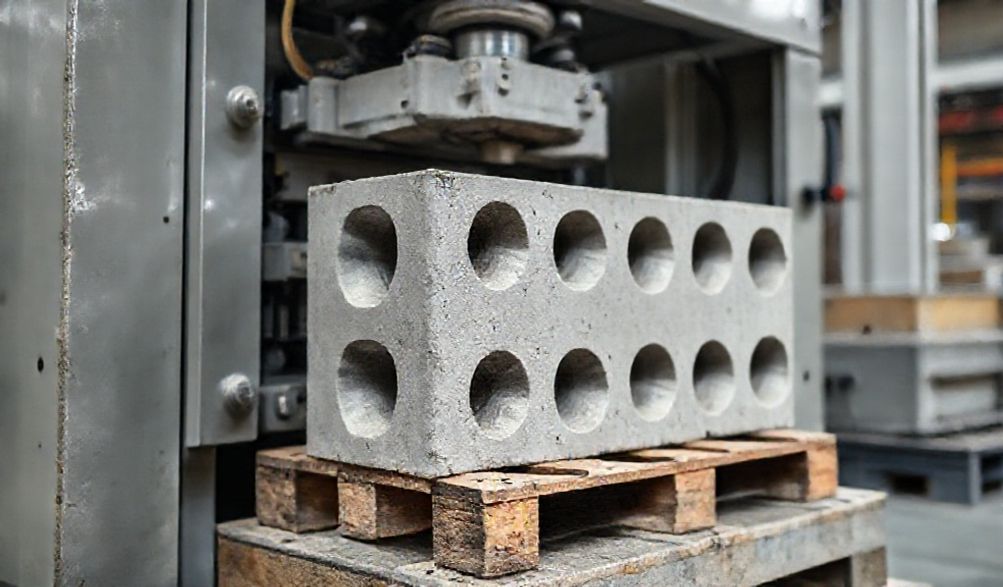
Balooyinka dhexdhexaadka ah ee laamiyada waa unugyo dhismo oo leh hal ilaa in ka badan godad ama qolof weyn. Qolofyadan ayaa yareeya miisaanka guud ee baloorka, waxayna horumariya sifooyinkiisa diidmada kulka iyo dhawaqa, waxayna ka dhigayaan mid arjiga leh adigoo isticmaalayo macdun yar. Doorka ugu muhiimsan ee mashiinka baloorka dhexdhexaadka ah waa inuu si joogto ah, si wax ku ool leh, u soo saaro balooryadan iyadoo la raacayo heerka dhismaha loo baahan yahay. Wax soo saarka mashiinku si toos ah ayuu u saameeyaa waqtiga mashruuca iyo faa'iidada ganacsiga.
Qaabka Fudud ee Hawlaha
Habka wax-soo-saarka, in kasta oo ay kala duwan tahay heerka otomaatiga, wuxuu raacaa taxane isku mid ah marooyin:
- Isku-dhafka:Qalabka asalka ah (caadi ahaan siman, ciid, dhagax, iyo biyo) ayaa lagu isku daray nisbooyin sax ah si loo sameeyo isku-darka siman ee qalalan. Isku midka ah halkan waa muhiim ugu ah xoogga buugga ugu dambeeysa.
- Cunto-siin:Qalabka siman ee isku dhafka ayaa lagu shubaa hopperka mashiinka, kaas oo u shaqeeya sida qolka haynta iyo funnalka.
- Ku dhufasho iyo Gariiridda:Tani waa qalbiga habka. Isku-darka waxaa lagu gudbiyaa qaab (ama "sanduuqa qaabka"). Isku-dhafka gariirka heer sare ah iyo cadaadiska haydrolik ayaa ku dhufteeya simintiga, ka saaraya hawooyinka iyo hubinta in la sameeyo qaab adag oo buuxa oo ku wareegsan goobada madhan.
- Qalabka iyo Bixinta:Marka la dhigo, qolofka ayaa la qaadaa ama la soo celiyaa, isla markaana la saaraa biilka cusub ee "cagaaran" ee la sameeyay pallet ama dabaqa warshada.
- Daweynta:Balacyada la soo saaray weli kuma xoog badna. Waa inay maraan hab daaweyn, oo inta badan ku lug leh qoyaan iyo heerkul la xakameynayo 24-48 saacadood, ka hor intaan la isku rarin, la qaadin, loona isticmaalin dhismaha.
Qaybaha Muhiimka ah ee Mashinka Caadiga ah
Fahmidda qaybaha ugu muhiimsan waxay caddaynaysaa awoodda mashiinka iyo baahiyaha dayactirka.
- Hopper:Weelka ku haya oo quudiya isku darka shubka ah ee qaybta qaabaynta.
- Mikser:Qayb isku dhafan ama mid gooni ah oo hubisa in la isku daro dhammaan alaabta ceeriin si isku mid ah.
- Qori / Sanduuqa Qoriga:Qaybta lagu tilmaamo. Sanduuqan birta ah ee la bedeli karo ayaa siinaya qaabka, cabbirka, iyo naqshadda godka ee block-ga. Qaabab kala duwan ayaa u oggolaanaya hal mashiin inuu soo saaro noocyo kala duwan oo block ah.
- Nidaamka Gariirka:Caadi ahaan waxay ka kooban tahay gariirro koronto oo xoog leh oo lagu rakibay miiska qaabka ama qolka. Gariirka soo noqnoqda ee sare ayaa lagama maarmaan u ah isku-dhejin sax ah iyo dhamaystir siman oo baloogga ah.
- Nidaamka Hydraulic:Awoodda. Waxay ka kooban tahay mashiin, dhululubo, iyo valfyo kuwaas oo soo saara cadaadiska culus (oo lagu qiyaaso tan) ee loo baahan yahay si loo cadaadiyo shubka.
- Qaybta Maamulka:Guryaha qaabaysan nidaamyada korantada iyo isdhexgalka (laga bilaabo qabtooyin fudud ilaa kontaroolayaal macquul ah oo la barnaamijin karo) si loogu shaqeeyo mashiinka.
Noocyo ka mid ah Mashiinnada Baloogada Godan: Isbarbardhigga Faahfaahsan
Doorashada nooca saxda ah ee mishiinka ayaa ah go'aanka ugu muhiimsan ee aad qaadan doonto. Kala duwanaanshiyuhu wuxuu u dhexeeyaa kuwa bini'aadamka ku shaqeeya ilaa nidaamyada si buuxda otomaatig ah.
Makiinadooyinka Laamaha Dhagaxa ee Madhow
- Hawlgalka & Soo-saarkaKuwani waa mashiino farsamo oo keliya. Shaqaaluhu waxay gacanta ku buuxiyaan qaabka shubka, waxay ku shubaan kabaabka cadaadis, ka dibna waxay soo saaraan baloogga la dhammaystiray. Wax soo saarku waa gaabiyahan, wuxuu ku tiirsan yahay shaqo, wax soo saarku wuxuu u badanyahay inta u dhaxaysa 500 ilaa 1,500 baloog saacad kasta oo 8-saac ah.
- Fa'idooyinka iyo Dhibaatooyinka:
- Faaiidooyinka:Maalgashiga bilowga ah aad buu u hooseeyaa, naqshad fudud oo dayactir yar u baahan, looguma baahna tamar koronto moodelada aasaasiga ah.
- Laba.Shaqo aad u badan, wax soo-saar hooseeya oo aan joogto ahayn, aad ugu xidhan xirfadda shaqaalaha, waxay soo saartaa baloogyo tayo kala duwan leh.
- Ugu Fiican:میکرو-کاروبار, shaqooyin yar yar oo qof ahaaneed, ama goobo fog oo aan lahayn koronto lagu kalsoonaan karo iyo shaqo jaban oo badan.
Makiinadooyinka Goobaha Dhufaysi ee Nus-awtomaatig ah
- Hawlgalka & Soo-saarkaQaybtani waxay dheellitirtaa. Hawlaha muhiimka ah sida gariirka, cadaadiska, iyo soo saarista baloogyada waxaa lagu shideeyaa (koronto ama biyo), laakiin howlaha sida quudinta maaddada cayriin iyo ka qaadista baloogyada dhammeeyey ayaa inta badan gacanta lagu qabtaa. Soo saarista waxay u dhexayn kartaa 1,500 ilaa 5,000 baloog shif ah, iyada oo ku xiran nooca iyo tirada shaqaalaha.
- Fa'idooyinka iyo Dhibaatooyinka:
- Faaiidooyinka:Kororka weyn ee wax soo saarka iyo joogtaynta marka loo eego mashiinnada gacanta lagu shaqeeyo. Isticmaalka shaqaalaha oo si fiican u waxtar leh, tayo fiican oo baloogyada ah sababtoo ah gariirka/ cadaadiska la xakameeyay. Kharashka raasumaalku waa dhexdhexaad.
- Laba. Still requires a steady crew, not as fast as fully automatic lines, output can be bottlenecked by manual handling stages.
- Ugu Fiican: Small to medium-sized block manufacturing businesses, construction companies producing for their own projects, and entrepreneurs making a serious entry into the market.
Makiinadooyinka Qashin-qashinta ee Si Toos ah U Shaqeeya
- Hawlgalka & Soo-saarka These are integrated production lines. They often include automatic batching and mixing systems, conveyor belts for material feeding, robotic pallet handling, and stackers. Human intervention is primarily for monitoring, maintenance, and quality checks. Output can easily exceed 10,000 blocks per shift and can reach up to 30,000 or more for large systems.
- Fa'idooyinka iyo Dhibaatooyinka:
- Faaiidooyinka: Maximum production capacity and consistent, high-quality output. Drastically reduced direct labor costs. Highly efficient and scalable for large-volume contracts.
- Laba. Very high initial capital investment. Requires significant space, stable three-phase power, and skilled technicians for maintenance and troubleshooting. Complex setup.
- Ugu Fiican: Large-scale commercial block yards supplying regional markets, major infrastructure projects with on-site production plants, and established manufacturers expanding capacity.
Dhisme Go'an iyo Dhismayaasha Dhismaha Mobilka
This is another key distinction based on application:
* Makiinad Joogto ah: These are fixed installations, typically found in a factory or dedicated production shed. They are the foundation for semi- and fully-automatic systems, designed for high-volume, long-term production.
* Mashiinada Mobilka: Mounted on a trailer or truck bed, these are designed for on-site production. They eliminate transport costs for blocks and are ideal for large, remote projects like dams, highways, or rural housing developments. They are almost always semi-automatic in function.
Critical Factors to Consider Before Buying a Hollow Block Machine
Moving beyond type, a deep dive into specifications and context is necessary for a sound investment.
Qiimeynta Shuruudaha Wax-soo-saarkaaga
Begin by asking fundamental questions:
* What is my target output in blocks per hour or per day?
* What specific block sizes, types (e.g., 4″, 6″, 8″ hollow blocks, solid blocks, pavers), and strengths do my customers or projects demand?
* Is this for a fixed factory location or does it need to be mobile for on-site work?
* What is the scale of my business or project? A startup’s needs differ from an expanding enterprise’s.
Qalabka Mashinka iyo Sifooyinka
Scrutinize the technical details:
* Xoogga Cadaadiska (Tonajka): This directly affects block density and strength. A 150-ton machine produces stronger blocks than a 50-ton machine, all else being equal.
* Nidaamka Gariirka: Look for adjustable frequency and amplitude. Multiple vibrators (often 2-4) ensure even compaction.
* Awoodda Mootorka: Must be adequate to drive the hydraulic pump and vibrators without strain. Underpowered motors will fail prematurely.
* Heerka Automationka: Be clear on what is automated. Is it just vibration, or does it include feeding, pallet rotation, and stacking?
* Kala duwanaanta Qaabka Check how easily molds can be changed and what range of mold designs the machine’s frame and system can accommodate.
Quality of Construction and Durability
The machine’s build determines its lifespan. Prioritize:
* Heerka Birta Main frames and mold boxes should be made from high-grade, wear-resistant steel plate.
* Welding Quality: Inspect for clean, continuous, and robust welds, especially at stress points.
* Component Brands: Reputable machines use known brands for critical parts like hydraulic pumps (e.g., Rexroth, Parker), electrical components (Siemens, Schneider), and bearings.
Supplier Reputation and After-Sales Service
This factor can outweigh a slightly lower price. A common pitfall is choosing a cheap machine with no local support.
* History & Reviews: Research the supplier’s track record. How long have they been in business? Seek out independent client testimonials.
* Warranty: Understand exactly what is covered (parts, labor) and for how long.
* Qaybaha Geynta: Are spare parts readily available locally or must they be shipped from overseas, causing costly downtime?
* Taageerada Tekniko Does the supplier offer installation supervision, operator training, and prompt troubleshooting assistance?
Hollow Block Machine Price Range and Investment Analysis
Costs vary dramatically based on type, capacity, brand, and region. The figures below are approximate global ranges for the machine unit only.
Price Breakdown by Machine Type
- Makiinadooyinka Goobaha Madow ee Gacanta. $1,000 – $5,000 USD. The price depends on build quality and included features.
- Semi-Automatic Hollow Block Machines: $10,000 – $50,000+ USD. This wide range covers small stationary models to large, high-output mobile units.
- Fully Automatic Hollow Block Machines: $50,000 – $300,000+ USD. The price escalates with the level of integration (batching plant, conveyors, robotic stackers).
Crucially, always request detailed quotations from multiple suppliers, as final prices are highly configurable.
Beyond the Machine: Calculating Total Investment
The machine cost is only part of the capital outlay. Budget for:
* Qalabka Asalka: Initial stockpile of cement, aggregates (sand, gravel).
* Dhul & Kaabayaasha Cost of land or shed rental, concrete flooring, and a reliable power connection (often three-phase).
* Qalabka Kaabayaasha ah: Forklift or pallet jack, curing racks or chambers, mixing equipment if not integrated.
* Labor & Operating Costs: Wages, electricity, water, and maintenance supplies.
* Maintenance Fund: A reserve for unexpected repairs and spare parts.
Understanding ROI (Return on Investment)
A basic ROI framework involves:
1. Calculate Revenue: (Number of blocks produced per month) x (Selling price per block in your market).
2. Calculate Monthly Operating Costs: Sum of raw material costs, labor, utilities, maintenance, and overheads.
3. Calculate Gross Monthly Profit: Revenue – Operating Costs.
4. Consider Initial Investment: Total cost of machine + setup + other capital expenses.
5. Estimate Payback Period: Initial Investment / Gross Monthly Profit. This gives the number of months to recover your investment.
Fiiro gaar ah: Market demand, operational efficiency, and cost control are the true drivers of profitability. Never rely on a supplier’s generic “guaranteed profit” claims.
Operation, Maintenance, and Safety Best Practices
Proper operation extends machine life and ensures consistent product quality.
Essential Daily and Periodic Maintenance
- Daily: Clean all concrete residue from the mold, hopper, and table. Check hydraulic oil levels and for leaks. Inspect electrical connections for tightness.
- Weekly: Lubricate all moving parts (pivots, guide rods) as per the manual. Tighten any loose bolts or nuts.
- Monthly: Change hydraulic oil and filters as recommended. Inspect mold liners for wear and vibrator mounts for cracks.
A common oversight is neglecting to clean the mold thoroughly, leading to built-up concrete that affects block dimensions and causes sticking.
Common Operational Issues and Troubleshooting
- Poor Block Strength: Usually caused by an incorrect water-cement ratio, insufficient vibration time, or low compaction pressure.
- Surface Cracks: Can result from too much water in the mix, improper curing (drying too fast), or excessive vibration.
- Blocks Sticking in Mold: Often due to a worn or damaged mold liner, insufficient mold release agent, or a wet concrete mix.
- Uneven Block Height: Typically indicates an unlevel machine, uneven feeding of the mold, or worn-out vibration mounts causing uneven compaction.
Non-Negotiable Safety Protocols
- Lockout/Tagout (LOTO): Always disconnect and lock the power source before performing any maintenance or clearing a jam.
- Qalabka Ilaalinta Shakhsi ahaaneed (PPE): Operators must wear safety glasses, hearing protection (due to loud vibrators), heavy-duty gloves, and steel-toe boots.
- Safe Material Handling: Use proper lifting techniques or mechanical aids when handling heavy molds or bags of cement to prevent injury.
Frequently Asked Questions (FAQ) About Hollow Block Machines
What is the average production capacity of a standard hollow block machine?
Capacity is not standard; it’s defined by type. A manual machine may produce 600-800 blocks per day. A semi-automatic machine can produce 2,000-4,000 blocks in an 8-hour shift. A fully automatic line can produce 8,000-15,000 blocks or more in the same period.
Can one machine produce different block sizes and types?
Yes, most machines are designed to work with interchangeable molds. By changing the mold box, the same machine can typically produce different sizes of hollow blocks, solid blocks, paving stones, and curb stones, provided the machine’s pressure and feed system are compatible.
What is the typical lead time for delivery and installation?
For standard models from local stock, delivery can be within weeks. For custom-configured or imported machines, lead times can range from 60 to 120 days. Installation and commissioning by a technician may add additional time.
How much profit can I make from a hollow block business?
Profitability is highly variable and depends on your local market price for blocks, your operational efficiency, raw material costs, and overheads. Focus on controlling your production costs and understanding your local demand. Use the ROI framework provided earlier to model different scenarios based on your specific numbers.
What are the most trusted brands or how do I verify a supplier’s credibility?
Rather than recommending specific brands, which vary by region, focus on verification methods:
1. Request and actually contact client references.
2. Ask to visit an existing installation to see the machine running and speak to the owner.
3. Check for membership in relevant industry associations or possession of quality management certifications (like ISO).
4. Search for independent reviews or complaints about the supplier online.
5. Assess the professionalism and technical depth of their sales and support team.
Gabagabo
Selecting a hollow block machine is a strategic investment that requires aligning technology with ambition. The journey begins by honestly assessing your production needs, financial capacity, and market context. From the labor-dependent manual press to the humming fully automatic plant, each machine type serves a distinct purpose.
Remember, the lowest purchase price can often lead to the highest long-term cost through downtime and poor support. Prioritize suppliers who demonstrate proven expertise, offer robust warranties, and have a tangible commitment to after-sales service. The most prudent path forward involves diligent research: visit industry trade shows, consult with established block manufacturers, and obtain multiple detailed quotations. By applying the insights in this guide, you are equipped to make a decision that lays a solid foundation for a profitable, efficient, and sustainable venture in the essential business of building.
<