
홀로우 블록 머신 최종 가이드: 종류, 가격 및 선택 방법
소개
위풍당당한 초고층 빌딩부터 소박한 주택까지, 현대 건축 환경은 기본 구성 요소인 콘크리트 홀 블록에 의존하고 있습니다. 강도, 단열성, 비용 효율성으로 인정받는 이 보편적인 건축 자재는 전 세계 건설의 중추 역할을 합니다. 그러나 내구성 있는 벽 뒤에는 그 생산의 핵심인 홀 블록 제조기가 자리 잡고 있습니다. 기업가, 건설 회사, 투자자에게 적합한 기계를 선택하는 것은 기술적 지식, 명확한 재무 계획, 실용적인 통찰력에 좌우되는 중요한 결정입니다.
이 가이드는 업계 사양, 제조업체 데이터, 운용 전문지식을 종합하여 편향되지 않은 포괄적 정보원으로 구성되었습니다. 이는 중공 블록 생산의 세계를 쉽게 이해하도록 설계되었습니다. 본 가이드에서는 해당 기계의 작동 원리에 대한 상세한 탐구, 유형별 비교 분석, 비용과 투명한 투자 정보, 운용 및 공급업체 선정에 대한 실질적인 조언을 찾아보실 수 있습니다. 블록 제조 사업을 시작하거나 대규모 프로젝트를 위한 장비를 조달하시는 경우, 이 가이드는 정보에 기반한 확신에 찬 결정을 내리는데 필요한 기초 지식을 제공합니다.
홀로우 블록 머신이란 무엇이며 어떻게 작동하나요?
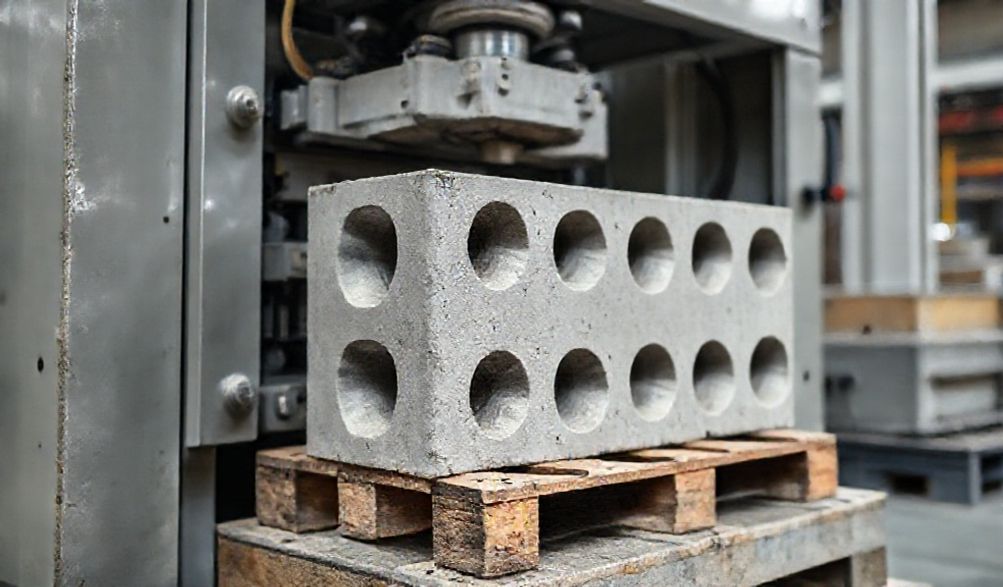
홀로우 블록 기계는 시멘트, 골재, 물을 혼합한 재료를 상당한 압력과 진동 하에 성형하여 콘크리트 홀로우 블록을 제조하도록 설계된 특수 산업 장비입니다.
중심 기능 및 출력: 홀로우 블록 정의하기
콘크리트 중공 블록은 하나 이상의 큰 구멍이나 공동을 가진 조적 단위입니다. 이러한 공동은 블록의 전체 무게를 줄이고, 열 및 음향 단열 성능을 향상시키며, 더 적은 원자재를 사용하여 경제성을 높입니다. 중공 블록 제조기의 주요 역할은 이러한 블록을 일관되게, 효율적으로, 그리고 요구되는 구조적 기준에 맞춰 생산하는 것입니다. 이 기계의 생산량은 프로젝트 일정과 사업 수익성에 직접적인 영향을 미칩니다.
기본 작동 원리
생산 공정은 자동화 수준에 따라 차이가 있지만, 일관된 단계별 순서를 따릅니다.
- 믹싱원자재(일반적으로 시멘트, 모래, 자갈, 물)는 정확한 비율로 혼합되어 반건조 콘크리트 배합을 형성합니다. 여기서 일관성은 최종 블록 강도에 매우 중요합니다.
- 급식혼합된 콘크리트는 기계의 호퍼로 공급되며, 이 호퍼는 보관 및 깔때기 역할을 하는 챔버로 기능합니다.
- 다짐과 진동이것이 공정의 핵심입니다. 혼합물을 몰드(또는 "몰드 박스")로 옮깁니다. 고주파 진동과 유압 압력의 조합이 콘크리트를 다져 공기 주머니를 제거하고 속이 빈 공동 주위로 밀도 높고 단단한 블록 형태를 확보합니다.
- 성형 및 이젝션압축이 완료되면 몰드를 들어 올리거나 후퇴시킨 후, 새로 성형된 "그린" 블록을 팔레트나 공장 바닥으로 배출합니다.
- 치유:배출된 블록은 아직 최대 강도에 도달하지 않았습니다. 이들은 쌓기, 운반 및 건설에 사용되기 전에 통제된 습도와 온도에서 24~48시간 동안 경화 과정을 거쳐야 합니다.
표준 기계의 주요 구성 요소
주요 부품을 이해하면 기계의 성능과 유지보수 요구 사항을 명확히 파악할 수 있습니다.
- 호퍼:원시 콘크리트 혼합물을 성형 시스템에 공급하고 보관하는 용기입니다.
- 믹서:모든 원료의 균일한 혼합을 보장하는 통합 또는 분리형 유닛입니다.
- 몰드 / 몰드 박스정의적인 구성 요소입니다. 이 교체 가능한 강철 상자는 블록에 그 모양, 크기, 공동 설계를 부여합니다. 다양한 금형을 통해 하나의 기계로 여러 종류의 블록을 생산할 수 있습니다.
- 진동 시스템일반적으로 금형 테이블이나 챔버에 장착된 강력한 전기 진동기로 구성됩니다. 적절한 다짐과 매끄러운 블록 마감을 위해서는 고주파 진동이 필수적입니다.
- 유압 시스템:파워하우스. 펌프, 실린더, 밸브로 구성되어 있으며, 콘크리트를 압축하는 데 필요한 엄청난 압력(톤 단위로 측정)을 생성합니다.
- 제어판기계를 작동하기 위한 전기 시스템과 인터페이스(간단한 레버에서 프로그램 가능한 논리 컨트롤러에 이르기까지)를 수용합니다.
중공 블록 기계 유형: 상세 비교
올바른 기계 유형을 선택하는 것이 가장 중요한 결정이 될 것입니다. 순수하게 사람의 힘으로 작동되는 시스템부터 완전 자동화된 시스템까지 다양한 선택지가 있습니다.
수동식 공동 블록 기계
- 작동 및 출력이는 순수한 기계식 기계들입니다. 작업자가 수동으로 콘크리트를 몰드에 채우고, 레버를 당겨 압력을 가한 뒤 완성된 블록을 꺼냅니다. 생산 속도가 느리고 노동력에 크게 의존하며, 8시간 교대 근무 기준으로 생산량은 보통 500에서 1500개 사이입니다.
- 장점과 단점:
- 장점:초기 투자 비용이 매우 낮고, 간단한 디자인으로 유지보수가 거의 필요 없으며, 기본 모델에는 전력이 필요하지 않습니다.
- 단점:매우 노동 집약적이며, 생산량이 낮고 일정하지 않으며, 작업자의 숙련도에 크게 의존하고, 품질이 일정하지 않은 블록을 생산합니다.
- 최적 대상:소액 자본 사업, 매우 소규모 개인 프로젝트, 또는 안정적인 전력 공급이 없고 저렴한 노동력이 풍부한 원격 지역.
반자동 중공 블록 기계
- 작동 및 출력 This category strikes a balance. Key processes like vibration, compression, and block ejection are powered (electrically or hydraulically), but tasks like feeding raw material and removing finished blocks are often manual. Output can range from 1,500 to 5,000 blocks per shift, depending on model and crew size.
- 장점과 단점:
- 장점: Significant increase in production and consistency over manual machines. More efficient use of labor, better block quality due to controlled vibration/pressure. Moderate capital cost.
- 단점: Still requires a steady crew, not as fast as fully automatic lines, output can be bottlenecked by manual handling stages.
- 최적 대상: Small to medium-sized block manufacturing businesses, construction companies producing for their own projects, and entrepreneurs making a serious entry into the market.
완전 자동식 중공 블록 제조기
- 작동 및 출력 These are integrated production lines. They often include automatic batching and mixing systems, conveyor belts for material feeding, robotic pallet handling, and stackers. Human intervention is primarily for monitoring, maintenance, and quality checks. Output can easily exceed 10,000 blocks per shift and can reach up to 30,000 or more for large systems.
- 장점과 단점:
- 장점: Maximum production capacity and consistent, high-quality output. Drastically reduced direct labor costs. Highly efficient and scalable for large-volume contracts.
- 단점: Very high initial capital investment. Requires significant space, stable three-phase power, and skilled technicians for maintenance and troubleshooting. Complex setup.
- 최적 대상: Large-scale commercial block yards supplying regional markets, major infrastructure projects with on-site production plants, and established manufacturers expanding capacity.
고정형 대 이동식 블록 제작 기계
This is another key distinction based on application:
* 고정식 기계 These are fixed installations, typically found in a factory or dedicated production shed. They are the foundation for semi- and fully-automatic systems, designed for high-volume, long-term production.
* 모바일 머신: Mounted on a trailer or truck bed, these are designed for on-site production. They eliminate transport costs for blocks and are ideal for large, remote projects like dams, highways, or rural housing developments. They are almost always semi-automatic in function.
Critical Factors to Consider Before Buying a Hollow Block Machine
Moving beyond type, a deep dive into specifications and context is necessary for a sound investment.
생산 요구사항 평가하기
Begin by asking fundamental questions:
* What is my target output in blocks per hour or per day?
* What specific block sizes, types (e.g., 4″, 6″, 8″ hollow blocks, solid blocks, pavers), and strengths do my customers or projects demand?
* Is this for a fixed factory location or does it need to be mobile for on-site work?
* What is the scale of my business or project? A startup’s needs differ from an expanding enterprise’s.
기계 사양 및 특징
Scrutinize the technical details:
* 압력 용량 (톤수): This directly affects block density and strength. A 150-ton machine produces stronger blocks than a 50-ton machine, all else being equal.
* 진동 시스템 Look for adjustable frequency and amplitude. Multiple vibrators (often 2-4) ensure even compaction.
* 모터 파워: Must be adequate to drive the hydraulic pump and vibrators without strain. Underpowered motors will fail prematurely.
* 자동화 수준: Be clear on what is automated. Is it just vibration, or does it include feeding, pallet rotation, and stacking?
* 금형의 다용도성: Check how easily molds can be changed and what range of mold designs the machine’s frame and system can accommodate.
건설 품질과 내구성
The machine’s build determines its lifespan. Prioritize:
* 강재 등급: Main frames and mold boxes should be made from high-grade, wear-resistant steel plate.
* Welding Quality: Inspect for clean, continuous, and robust welds, especially at stress points.
* Component Brands: Reputable machines use known brands for critical parts like hydraulic pumps (e.g., Rexroth, Parker), electrical components (Siemens, Schneider), and bearings.
Supplier Reputation and After-Sales Service
This factor can outweigh a slightly lower price. A common pitfall is choosing a cheap machine with no local support.
* History & Reviews: Research the supplier’s track record. How long have they been in business? Seek out independent client testimonials.
* 보증: Understand exactly what is covered (parts, labor) and for how long.
* 예비 부품: Are spare parts readily available locally or must they be shipped from overseas, causing costly downtime?
* 기술 지원 Does the supplier offer installation supervision, operator training, and prompt troubleshooting assistance?
Hollow Block Machine Price Range and Investment Analysis
Costs vary dramatically based on type, capacity, brand, and region. The figures below are approximate global ranges for the machine unit only.
Price Breakdown by Machine Type
- 수동식 중공 블록 기계 $1,000 – $5,000 USD. The price depends on build quality and included features.
- 반자동 중공 블록 기계: $10,000 – $50,000+ USD. This wide range covers small stationary models to large, high-output mobile units.
- Fully Automatic Hollow Block Machines: $50,000 – $300,000+ USD. The price escalates with the level of integration (batching plant, conveyors, robotic stackers).
Crucially, always request detailed quotations from multiple suppliers, as final prices are highly configurable.
Beyond the Machine: Calculating Total Investment
The machine cost is only part of the capital outlay. Budget for:
* 원자재 Initial stockpile of cement, aggregates (sand, gravel).
* Land & Infrastructure: Cost of land or shed rental, concrete flooring, and a reliable power connection (often three-phase).
* 보조 장비: Forklift or pallet jack, curing racks or chambers, mixing equipment if not integrated.
* Labor & Operating Costs: Wages, electricity, water, and maintenance supplies.
* Maintenance Fund: A reserve for unexpected repairs and spare parts.
Understanding ROI (Return on Investment)
A basic ROI framework involves:
1. Calculate Revenue: (Number of blocks produced per month) x (Selling price per block in your market).
2. Calculate Monthly Operating Costs: Sum of raw material costs, labor, utilities, maintenance, and overheads.
3. Calculate Gross Monthly Profit: Revenue – Operating Costs.
4. Consider Initial Investment: Total cost of machine + setup + other capital expenses.
5. Estimate Payback Period: Initial Investment / Gross Monthly Profit. This gives the number of months to recover your investment.
참고: Market demand, operational efficiency, and cost control are the true drivers of profitability. Never rely on a supplier’s generic “guaranteed profit” claims.
Operation, Maintenance, and Safety Best Practices
Proper operation extends machine life and ensures consistent product quality.
Essential Daily and Periodic Maintenance
- Daily: Clean all concrete residue from the mold, hopper, and table. Check hydraulic oil levels and for leaks. Inspect electrical connections for tightness.
- Weekly: Lubricate all moving parts (pivots, guide rods) as per the manual. Tighten any loose bolts or nuts.
- Monthly: Change hydraulic oil and filters as recommended. Inspect mold liners for wear and vibrator mounts for cracks.
A common oversight is neglecting to clean the mold thoroughly, leading to built-up concrete that affects block dimensions and causes sticking.
Common Operational Issues and Troubleshooting
- Poor Block Strength: Usually caused by an incorrect water-cement ratio, insufficient vibration time, or low compaction pressure.
- Surface Cracks: Can result from too much water in the mix, improper curing (drying too fast), or excessive vibration.
- Blocks Sticking in Mold: Often due to a worn or damaged mold liner, insufficient mold release agent, or a wet concrete mix.
- Uneven Block Height: Typically indicates an unlevel machine, uneven feeding of the mold, or worn-out vibration mounts causing uneven compaction.
Non-Negotiable Safety Protocols
- Lockout/Tagout (LOTO): Always disconnect and lock the power source before performing any maintenance or clearing a jam.
- 개인보호장비(PPE) Operators must wear safety glasses, hearing protection (due to loud vibrators), heavy-duty gloves, and steel-toe boots.
- Safe Material Handling: Use proper lifting techniques or mechanical aids when handling heavy molds or bags of cement to prevent injury.
Frequently Asked Questions (FAQ) About Hollow Block Machines
What is the average production capacity of a standard hollow block machine?
Capacity is not standard; it’s defined by type. A manual machine may produce 600-800 blocks per day. A semi-automatic machine can produce 2,000-4,000 blocks in an 8-hour shift. A fully automatic line can produce 8,000-15,000 blocks or more in the same period.
Can one machine produce different block sizes and types?
Yes, most machines are designed to work with interchangeable molds. By changing the mold box, the same machine can typically produce different sizes of hollow blocks, solid blocks, paving stones, and curb stones, provided the machine’s pressure and feed system are compatible.
What is the typical lead time for delivery and installation?
For standard models from local stock, delivery can be within weeks. For custom-configured or imported machines, lead times can range from 60 to 120 days. Installation and commissioning by a technician may add additional time.
How much profit can I make from a hollow block business?
Profitability is highly variable and depends on your local market price for blocks, your operational efficiency, raw material costs, and overheads. Focus on controlling your production costs and understanding your local demand. Use the ROI framework provided earlier to model different scenarios based on your specific numbers.
What are the most trusted brands or how do I verify a supplier’s credibility?
Rather than recommending specific brands, which vary by region, focus on verification methods:
1. Request and actually contact client references.
2. Ask to visit an existing installation to see the machine running and speak to the owner.
3. Check for membership in relevant industry associations or possession of quality management certifications (like ISO).
4. Search for independent reviews or complaints about the supplier online.
5. Assess the professionalism and technical depth of their sales and support team.
결론
Selecting a hollow block machine is a strategic investment that requires aligning technology with ambition. The journey begins by honestly assessing your production needs, financial capacity, and market context. From the labor-dependent manual press to the humming fully automatic plant, each machine type serves a distinct purpose.
Remember, the lowest purchase price can often lead to the highest long-term cost through downtime and poor support. Prioritize suppliers who demonstrate proven expertise, offer robust warranties, and have a tangible commitment to after-sales service. The most prudent path forward involves diligent research: visit industry trade shows, consult with established block manufacturers, and obtain multiple detailed quotations. By applying the insights in this guide, you are equipped to make a decision that lays a solid foundation for a profitable, efficient, and sustainable venture in the essential business of building.
<