
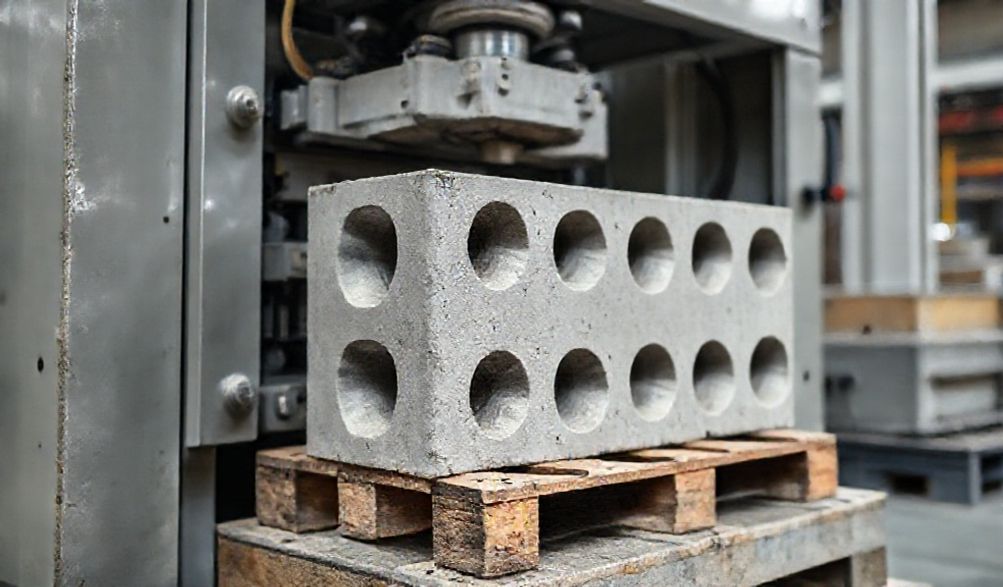
Ang Komprehensibong Gabay sa mga Hollow Block Machine: Mga Uri, Presyo, at Paano Pumili
Panimula
Mula sa mga nagtataasang skyscraper hanggang sa mga payak na tahanan, ang modernong itinayong kapaligiran ay nakasalalay sa isang pangunahing sangkap: ang konkretong hollow block. Itinuturing na mahalaga dahil sa tibay, katangiang pang-insulasyon, at pagiging cost-effective nito, ang laganap na materyales na ito sa paggawa ng gusali ay siyang sandigan ng konstruksyon sa buong mundo. Ngunit sa likod ng bawat matibay na pader ay naroon ang makina ng paglikha nito—ang hollow block machine. Para sa mga negosyante, kumpanya ng konstruksyon, at mamumuhunan, ang pagpili ng tamang makina ay isang mahalagang desisyon na nakasalalay sa teknikal na kaalaman, malinaw na pagpaplano sa pananalapi, at praktikal na kaalaman.
Ang gabay na ito ay nagsisilbing komprehensibo at walang-kinikilingang sanggunian, pinagsama-sama mula sa mga detalye ng industriya, datos ng mga tagagawa, at dalubhasang kaalaman sa pagpapatakbo. Ito ay idinisenyo upang liwanagin ang mundo ng paggawa ng hollow block. Dito, matatagpuan mo ang detalyadong pagsusuri sa kung paano gumagana ang mga makinaryang ito, isang paghahambing na pagsusuri ng mga uri na available, isang malinaw na pagtingin sa mga gastos at puhunan, at praktikal na payo sa pagpapatakbo at pagpili ng supplier. Maging ikaw ay naglulunsad ng negosyo sa paggawa ng bloke o kumukuha ng kagamitan para sa isang pangunahing proyekto, ang gabay na ito ay nagbibigay ng pangunahing kaalaman na kinakailangan upang makagawa ng isang maalam at tiwasang desisyon.
Ano ang Hollow Block Machine at Paano Ito Gumagana?
Ang hollow block machine ay isang dalubhasang piraso ng pang-industriyang kagamitan na idinisenyo upang gumawa ng mga konkretong hollow block sa pamamagitan ng pagpisa ng timpla ng semento, mga agregado, at tubig sa isang hulmang hugis sa ilalim ng matinding presyon at panginginig.
Pangunahing Tungkulin at Output: Pagtukoy sa mga Hollow Blocks
Ang mga konkretong bloke na may butas ay mga yunit ng masonry na may isa o higit pang malalaking butas o kweba. Ang mga kwebang ito ay nagpapababa ng kabuuang bigat ng bloke, nagpapahusay sa mga katangian nito sa thermal at acoustic insulation, at nagpapagaan sa gastos sa pamamagitan ng paggamit ng mas kaunting hilaw na materyal. Ang pangunahing tungkulin ng isang makina ng blokeng may butas ay ang gumawa ng mga blokeng ito nang tuloy-tuloy, mahusay, at ayon sa kinakailangang pamantayang istruktural. Ang produksyon ng makina ay direktang nakakaapekto sa mga timeline ng proyekto at sa kakayahang kumita ng negosyo.
Pangunahing Prinsipyo ng Operasyon
Ang proseso ng produksyon, bagama't nag-iiba ayon sa antas ng automation, ay sumusunod sa isang pare-parehong pagkakasunod-sunod ng mga yugto.
- Paghahalo:Ang mga hilaw na materyales (karaniwang semento, buhangin, graba, at tubig) ay pinagsasama sa tiyak na proporsiyon upang makabuo ng isang semi-dry na kongkretong halo. Ang pagkakapare-pareho dito ay mahalaga para sa huling lakas ng bloke.
- Pagpapakain:Ang pinaghalong konkreto ay pinapakain sa hopper ng makina, na nagsisilbing silid na humahawak at nag-aagos ng materyal.
- Pagsiksik at Pagyanig Ito ang pinakamahalagang bahagi ng proseso. Ang timpla ay inililipat sa isang molde (o "kahon ng molde"). Isang kombinasyon ng mataas na dalas ng pag-vibrate at presyong haydroliko ang nagpapatatag ng kongkreto, nag-aalis ng mga butas ng hangin, at tinitiyak na ang bloke ay siksik at matigas na nabubuo sa paligid ng mga guwang na lukab.
- Paghubog at Paglabas:Kapag siksik na, ang molde ay iaangat o ibabalik, at ang bagong nabuong "berde" na bloke ay ilalabas sa isang pallet o sa sahig ng pabrika.
- Pagpapagaling: The ejected blocks are not yet at full strength. They must undergo a curing process, often involving controlled moisture and temperature for 24-48 hours, before they can be stacked, transported, and used in construction.
Mga Pangunahing Bahagi ng Isang Karaniwang Makina
Understanding the main parts clarifies machine capability and maintenance needs:
- Hopper: The receptacle that holds and feeds the raw concrete mix into the molding system.
- Panghalo: An integrated or separate unit that ensures a homogeneous blend of all raw materials.
- Molde / Kahon ng Molde The defining component. This interchangeable steel box gives the block its shape, size, and cavity design. Different molds allow one machine to produce various block types.
- Sistema ng Pagyanig: Usually comprised of powerful electric vibrators mounted on the mold table or chamber. High-frequency vibration is essential for proper compaction and a smooth block finish.
- Sistema ng Haydroliko: The powerhouse. It consists of a pump, cylinders, and valves that generate the immense pressure (measured in tons) needed to compress the concrete.
- Control Panel: Houses the electrical systems and interfaces (from simple levers to programmable logic controllers) for operating the machine.
Types of Hollow Block Machines: A Detailed Comparison
Choosing the correct type of machine is the most significant decision you will make. The spectrum ranges from purely human-powered to fully automated systems.
Mga Makina ng Manwal na Hollow Block
- Operasyon at Output These are purely mechanical machines. Operators manually fill the mold with concrete, engage a lever to apply pressure, and then remove the finished block. Production is slow, heavily reliant on labor, with an output typically ranging from 500 to 1,500 blocks per 8-hour shift.
- Mga Kalamangan at Kahinaan:
- Mga Kalamangan: Very low initial investment, simple design with minimal maintenance, no need for electrical power in basic models.
- Mga Disbentahe: Extremely labor-intensive, low and inconsistent output, highly dependent on operator skill, produces blocks of variable quality.
- Pinakamainam Para Sa: Micro-enterprises, very small-scale personal projects, or remote locations with no reliable power supply and abundant cheap labor.
Mga Semi-Awtomatikong Makina ng Hollow Block
- Operasyon at Output This category strikes a balance. Key processes like vibration, compression, and block ejection are powered (electrically or hydraulically), but tasks like feeding raw material and removing finished blocks are often manual. Output can range from 1,500 to 5,000 blocks per shift, depending on model and crew size.
- Mga Kalamangan at Kahinaan:
- Mga Kalamangan: Significant increase in production and consistency over manual machines. More efficient use of labor, better block quality due to controlled vibration/pressure. Moderate capital cost.
- Mga Disbentahe: Still requires a steady crew, not as fast as fully automatic lines, output can be bottlenecked by manual handling stages.
- Pinakamainam Para Sa: Small to medium-sized block manufacturing businesses, construction companies producing for their own projects, and entrepreneurs making a serious entry into the market.
Ganap na Awtomatikong Makina ng Hollow Block
- Operasyon at Output These are integrated production lines. They often include automatic batching and mixing systems, conveyor belts for material feeding, robotic pallet handling, and stackers. Human intervention is primarily for monitoring, maintenance, and quality checks. Output can easily exceed 10,000 blocks per shift and can reach up to 30,000 or more for large systems.
- Mga Kalamangan at Kahinaan:
- Mga Kalamangan: Maximum production capacity and consistent, high-quality output. Drastically reduced direct labor costs. Highly efficient and scalable for large-volume contracts.
- Mga Disbentahe: Very high initial capital investment. Requires significant space, stable three-phase power, and skilled technicians for maintenance and troubleshooting. Complex setup.
- Pinakamainam Para Sa: Large-scale commercial block yards supplying regional markets, major infrastructure projects with on-site production plants, and established manufacturers expanding capacity.
Stationary vs. Mobile na Block Making Machines
This is another key distinction based on application:
* Nakatigil na Makinarya: These are fixed installations, typically found in a factory or dedicated production shed. They are the foundation for semi- and fully-automatic systems, designed for high-volume, long-term production.
* Mga Makinang Mobile: Mounted on a trailer or truck bed, these are designed for on-site production. They eliminate transport costs for blocks and are ideal for large, remote projects like dams, highways, or rural housing developments. They are almost always semi-automatic in function.
Critical Factors to Consider Before Buying a Hollow Block Machine
Moving beyond type, a deep dive into specifications and context is necessary for a sound investment.
Pagsusuri sa Iyong mga Pangangailangan sa Produksyon
Begin by asking fundamental questions:
* What is my target output in blocks per hour or per day?
* What specific block sizes, types (e.g., 4″, 6″, 8″ hollow blocks, solid blocks, pavers), and strengths do my customers or projects demand?
* Is this for a fixed factory location or does it need to be mobile for on-site work?
* What is the scale of my business or project? A startup’s needs differ from an expanding enterprise’s.
Mga Espesipikasyon at Tampok ng Makina
Scrutinize the technical details:
* Pressure Capacity (Tonnage): This directly affects block density and strength. A 150-ton machine produces stronger blocks than a 50-ton machine, all else being equal.
* Sistema ng Pagyanig: Look for adjustable frequency and amplitude. Multiple vibrators (often 2-4) ensure even compaction.
* Lakas ng Motor: Must be adequate to drive the hydraulic pump and vibrators without strain. Underpowered motors will fail prematurely.
* Antas ng Automation: Be clear on what is automated. Is it just vibration, or does it include feeding, pallet rotation, and stacking?
* Maraming Gamit na Molde: Check how easily molds can be changed and what range of mold designs the machine’s frame and system can accommodate.
Quality of Construction and Durability
The machine’s build determines its lifespan. Prioritize:
* Uri ng Bakal: Main frames and mold boxes should be made from high-grade, wear-resistant steel plate.
* Welding Quality: Inspect for clean, continuous, and robust welds, especially at stress points.
* Component Brands: Reputable machines use known brands for critical parts like hydraulic pumps (e.g., Rexroth, Parker), electrical components (Siemens, Schneider), and bearings.
Supplier Reputation and After-Sales Service
This factor can outweigh a slightly lower price. A common pitfall is choosing a cheap machine with no local support.
* History & Reviews: Research the supplier’s track record. How long have they been in business? Seek out independent client testimonials.
* Garantiya: Understand exactly what is covered (parts, labor) and for how long.
* Piesa ng Ekstrang Bahagi: Are spare parts readily available locally or must they be shipped from overseas, causing costly downtime?
* Suportang Teknikal: Does the supplier offer installation supervision, operator training, and prompt troubleshooting assistance?
Hollow Block Machine Price Range and Investment Analysis
Costs vary dramatically based on type, capacity, brand, and region. The figures below are approximate global ranges for the machine unit only.
Price Breakdown by Machine Type
- Mga Makina ng Manual Hollow Block: $1,000 – $5,000 USD. The price depends on build quality and included features.
- Mga Makina ng Semi-Automatic na Hollow Block: $10,000 – $50,000+ USD. This wide range covers small stationary models to large, high-output mobile units.
- Fully Automatic Hollow Block Machines: $50,000 – $300,000+ USD. The price escalates with the level of integration (batching plant, conveyors, robotic stackers).
Crucially, always request detailed quotations from multiple suppliers, as final prices are highly configurable.
Beyond the Machine: Calculating Total Investment
The machine cost is only part of the capital outlay. Budget for:
* Mga Hilaw na Materyales: Initial stockpile of cement, aggregates (sand, gravel).
* Land & Infrastructure: Cost of land or shed rental, concrete flooring, and a reliable power connection (often three-phase).
* Ancillary Equipment: Forklift or pallet jack, curing racks or chambers, mixing equipment if not integrated.
* Labor & Operating Costs: Wages, electricity, water, and maintenance supplies.
* Maintenance Fund: A reserve for unexpected repairs and spare parts.
Understanding ROI (Return on Investment)
A basic ROI framework involves:
1. Calculate Revenue: (Number of blocks produced per month) x (Selling price per block in your market).
2. Calculate Monthly Operating Costs: Sum of raw material costs, labor, utilities, maintenance, and overheads.
3. Calculate Gross Monthly Profit: Revenue – Operating Costs.
4. Consider Initial Investment: Total cost of machine + setup + other capital expenses.
5. Estimate Payback Period: Initial Investment / Gross Monthly Profit. This gives the number of months to recover your investment.
Paalala: Market demand, operational efficiency, and cost control are the true drivers of profitability. Never rely on a supplier’s generic “guaranteed profit” claims.
Operation, Maintenance, and Safety Best Practices
Proper operation extends machine life and ensures consistent product quality.
Essential Daily and Periodic Maintenance
- Daily: Clean all concrete residue from the mold, hopper, and table. Check hydraulic oil levels and for leaks. Inspect electrical connections for tightness.
- Weekly: Lubricate all moving parts (pivots, guide rods) as per the manual. Tighten any loose bolts or nuts.
- Monthly: Change hydraulic oil and filters as recommended. Inspect mold liners for wear and vibrator mounts for cracks.
A common oversight is neglecting to clean the mold thoroughly, leading to built-up concrete that affects block dimensions and causes sticking.
Common Operational Issues and Troubleshooting
- Poor Block Strength: Usually caused by an incorrect water-cement ratio, insufficient vibration time, or low compaction pressure.
- Surface Cracks: Can result from too much water in the mix, improper curing (drying too fast), or excessive vibration.
- Blocks Sticking in Mold: Often due to a worn or damaged mold liner, insufficient mold release agent, or a wet concrete mix.
- Uneven Block Height: Typically indicates an unlevel machine, uneven feeding of the mold, or worn-out vibration mounts causing uneven compaction.
Non-Negotiable Safety Protocols
- Lockout/Tagout (LOTO): Always disconnect and lock the power source before performing any maintenance or clearing a jam.
- Kagamitang Pangkaligtasan (Personal Protective Equipment o PPE): Operators must wear safety glasses, hearing protection (due to loud vibrators), heavy-duty gloves, and steel-toe boots.
- Safe Material Handling: Use proper lifting techniques or mechanical aids when handling heavy molds or bags of cement to prevent injury.
Frequently Asked Questions (FAQ) About Hollow Block Machines
What is the average production capacity of a standard hollow block machine?
Capacity is not standard; it’s defined by type. A manual machine may produce 600-800 blocks per day. A semi-automatic machine can produce 2,000-4,000 blocks in an 8-hour shift. A fully automatic line can produce 8,000-15,000 blocks or more in the same period.
Can one machine produce different block sizes and types?
Yes, most machines are designed to work with interchangeable molds. By changing the mold box, the same machine can typically produce different sizes of hollow blocks, solid blocks, paving stones, and curb stones, provided the machine’s pressure and feed system are compatible.
What is the typical lead time for delivery and installation?
For standard models from local stock, delivery can be within weeks. For custom-configured or imported machines, lead times can range from 60 to 120 days. Installation and commissioning by a technician may add additional time.
How much profit can I make from a hollow block business?
Profitability is highly variable and depends on your local market price for blocks, your operational efficiency, raw material costs, and overheads. Focus on controlling your production costs and understanding your local demand. Use the ROI framework provided earlier to model different scenarios based on your specific numbers.
What are the most trusted brands or how do I verify a supplier’s credibility?
Rather than recommending specific brands, which vary by region, focus on verification methods:
1. Request and actually contact client references.
2. Ask to visit an existing installation to see the machine running and speak to the owner.
3. Check for membership in relevant industry associations or possession of quality management certifications (like ISO).
4. Search for independent reviews or complaints about the supplier online.
5. Assess the professionalism and technical depth of their sales and support team.
Konklusyon
Selecting a hollow block machine is a strategic investment that requires aligning technology with ambition. The journey begins by honestly assessing your production needs, financial capacity, and market context. From the labor-dependent manual press to the humming fully automatic plant, each machine type serves a distinct purpose.
Remember, the lowest purchase price can often lead to the highest long-term cost through downtime and poor support. Prioritize suppliers who demonstrate proven expertise, offer robust warranties, and have a tangible commitment to after-sales service. The most prudent path forward involves diligent research: visit industry trade shows, consult with established block manufacturers, and obtain multiple detailed quotations. By applying the insights in this guide, you are equipped to make a decision that lays a solid foundation for a profitable, efficient, and sustainable venture in the essential business of building.
<