
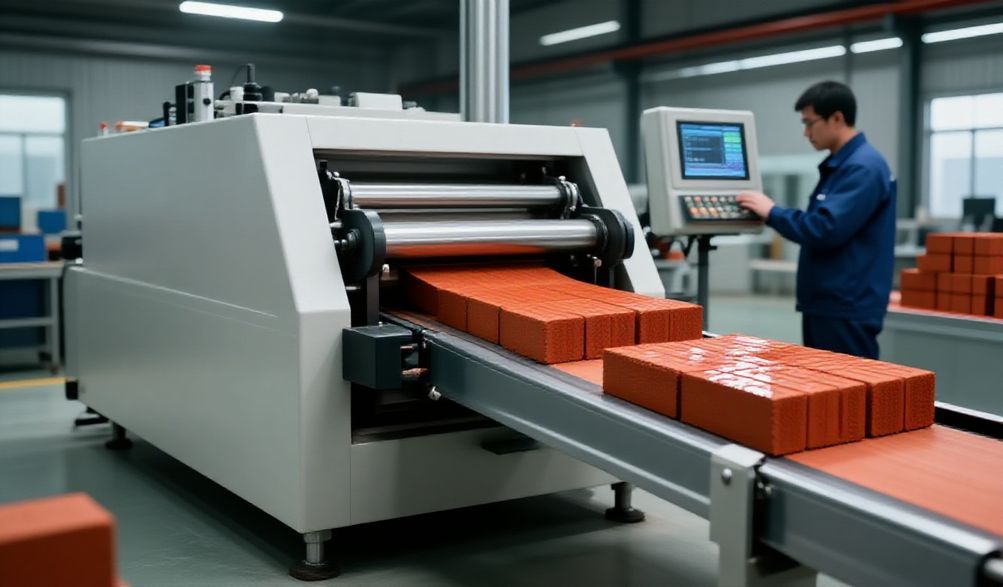
دليلك الشامل لآلات صنع الطوب الطيني واختيار الشركة المصنعة المناسبة
مقدمة
استثمار خط إنتاج الطوب الطيني هو قرار رأسمالي كبير يمكن أن يحدد نجاح أعمالك في البناء، أو مصنع الطوب، أو مشروعك الريادي لعقود. قلب هذه العملية هو آلة صنع الطوب، وروح أدائها طويل الأمد هو الشركة المصنعة التي تقف وراءها.
هذا الدليل الشامل مُصمم لمحترفي البناء، وأصحاب مصانع الطوب، ورواد الأعمال الذين يتطلعون للاستثمار في إنتاج طوب طيني موثوق. نحن نتعمق في عالم آلات صنع الطوب الطيني، مع تركيز خاص على ما يميز الشركة المصنعة من الدرجة الأولى. بينما نشير إلى المعايير الصناعية وسمعة المصانع الراسخة مثلفوداهدفنا هو تزويدك بالخبرة اللازمة لاتخاذ قرار شراء واثق ومستنير يضمن الإنتاجية والجودة والعائد على الاستثمار طويل المدى لمشروعك.
تتطلب الملاحة في السوق أكثر من مجرد مقارنة أسعار المنتجات. فهي تتطلب فهماً لمبادئ الهندسة، وعمليات الإنتاج، والعوامل الحاسمة التي تميز الشركاء الموثوقين عن مجرد الموردين. دعونا نبدأ.
فهم إنتاج الطوب الطيني: العمليات الأساسية والآلات
قبل تقييم المصنعين، يجب أن تفهم ما تشتريه. فآلة صنع الطوب الطيني هي جزء من نظام متطور مصمم لتحويل الأرض الخام إلى لبنة بناء متينة ومقننة.
الرحلة من الطين الخام إلى الطوبة النهائية
عملية صناعة الطوب الحديثة هي معجزة في الهندسة الصناعية، وتتبع عادةً هذه المراحل الرئيسية:
- تحضير الطين:يتم استخراج الطين الخام وسحقه وغربلته لإزالة الحجارة والشوائب. ثم يخلط مع الماء وأحيانًا إضافات (مثل الرماد المتطاير أو الرمل) لتحقيق اللدونة والتركيب المثاليين للتشكيل.
- تشكيل/صبهذه هي الوظيفة الأساسية لآلة صنع الطوب. يتم دفع الطين المُعد إلى قالب تحت ضغط عالٍ لتشكيل عمود مستمر (بالبثق) أو طوب فردي (بالضغط). وهنا تكمن عملية فرعية رئيسية تتمثل فيإزالة الهواءوالذي يزيل جيوب الهواء لتقليل التشقق بشكل كبير وزيادة قوة الطوب.
- تجفيفتُجفف الطوب الرطب المشكل (المعروف باسم "الطوب الأخضر") بعناية لإزالة الرطوبة. غالبًا ما يتم ذلك في مجففات غرف محكمة التحكم لمنع التشوه أو التشقق الناتج عن فقدان الرطوبة غير المتكافئ.
- التشطيب/الحرق في الفرن:تُحرق الطوب المجفف في فرن عند درجات حرارة تتراوح بين 900°م و1200°م. هذه العملية تحول الطين إلى مادة زجاجية، مما يمنح الطوب صلابته النهائية وقوته ولونه ومقاومته للعوامل الجوية.
أنواع آلات صنع الطوب الطيني
اختيار النوع المناسب من الآلة يعتمد تمامًا على حجم عملك وميزانيتك وجودة الإنتاج المطلوبة.
-
المقاذف مقابل المكابس:
- بثقيتم دفع الطين البلاستيكي عبر قالب لتشكيل عمود مستمر، ثم يُقطع إلى طوب فردي. وهي ممتازة للإنتاج الكمي للطوب الصلب أو المثقب أو المجوف، وهي المعيار الصناعي لمعظم المصانع الكبيرة الحجم.
- مطابع(مثل المكابس الهيدروليكية أو الميكانيكية) تقوم بضغط الطين الأقل لدناً في قالب تحت ضغط شديد. وغالبًا ما تُستخدم لإنتاج طوب عالي الكثافة وواضح الحواف (مثل طوب الرصف أو الطوب الحراري) ويمكنها التعامل مع مجموعة أوسع من المواد الخام.
-
الآلات اليدوية، وشبه الآلية، والآلية بالكامل
- الآلات اليدوية:خيارات منخفضة التكلفة ومنخفضة الإنتاجية مناسبة للإنتاج الحرفي أو على نطاق صغير جدًا. كثيفة العمالة وغير متناسقة.
- الآلات شبه الآلية:خيار متوازن للعمليات الصغيرة والمتوسطة. تقوم بأتمتة عملية التشكيل الأساسية (مثل البثق والقطع)، ولكنها قد تتطلب معالجة يدوية للتكديس أو التغذية.
- آلات أوتوماتيكية بالكامل:ذروة الكفاءة. تدمج هذه الأنظمة تغذية الطين، التشكيل، القطع، التجميع، وأحيانًا حتى التحميل على المنصات باستخدام أذرع روبوتية. تعمل على تعظيم الإنتاج، تقليل العمل اليدوي، وضمان جودة ثابتة. وهنا يبرز دور مصنعين مثلفوداويركز قادة الصناعة الآخرون على هندستهم.
مكونات الماكينة الأساسية التي تحدد الأداء
جودة الآلة هي مجموع أجزائها. افحص هذه المكونات:
* الخلاط: A robust, double-shaft mixer ensures homogeneous and perfectly tempered clay, which is foundational for quality extrusion.
* Extruder & De-Airing Unit: The heart of the machine. Look for a powerful, wear-resistant auger and a vacuum chamber that achieves a high level of de-airing (measured in vacuum pressure, e.g., -0.092 MPa or better).
* Cutter: A precision wire or gang cutter that creates clean, dimensionally accurate bricks without deforming the soft clay column.
* نظام التحكم A modern, user-friendly PLC (Programmable Logic Controller) interface allows for easy operation, troubleshooting, and adjustment of speed, pressure, and cutting length.
What Defines a Leading Clay Bricks Making Machine Manufacturer?
With the process understood, the critical question becomes: who do you trust to build this complex system? A leading manufacturer is defined by more than just a sales brochure.
خبرة مثبتة وطول العمر في الصناعة
In heavy machinery, history matters. A manufacturer with decades of operation has:
* Encountered and solved countless technical challenges.
* Refined their designs through real-world feedback.
* Built a global portfolio of working installations. When researching a name like مصنع فودا لصناعة الطوب, their track record of delivered projects across different continents speaks directly to tested reliability and adaptability.
Engineering Expertise & R&D Investment
The best manufacturers are not just workshops; they are innovation hubs. Key indicators include:
* A dedicated R&D team focused on improving energy efficiency, automation, and ease of maintenance.
* Patents on unique machine components or processes.
* Continuous updates to machine lines, incorporating newer, more durable materials and smarter control systems.
المعايير التصنيعية ومراقبة الجودة
The factory floor tells the true story. A top manufacturer will:
* Hold relevant international certifications (like ISO 9001 for quality management systems).
* Use premium, wear-resistant materials for critical components (e.g., Hardox steel for liners, high-grade alloys for augers).
* Employ rigorous in-house testing, including running machines under load before disassembly for shipping.
Comprehensive Service & Support
The machine’s purchase price is just the entry ticket. Long-term value comes from support.
* التثبيت والتشكيل: Do they provide expert engineers to supervise setup and ensure your plant runs from day one?
* تدريب Comprehensive, hands-on training for your operators and maintenance staff is non-negotiable.
* قطع الغيار: A readily available, logically priced inventory of spare parts is crucial for minimizing costly downtime.
* الدعم الفني Access to responsive, knowledgeable support via phone, email, or remote diagnostics.
Spotlight on Key Considerations for Your Investment
Armed with manufacturer criteria, you must now align it with your specific needs.
تقييم احتياجاتك الإنتاجية
Be precise. Ambiguity here leads to an undersized or inefficient investment.
* سعة الإخراج Calculate your required bricks per hour or per 8-hour shift. Factor in future growth.
* Brick Type & Versatility: Will you produce only standard solid bricks, or do you need to switch to perforated, hollow, or special shapes? Ensure the machine is adaptable.
* المواد الخام Share samples of your clay with the manufacturer. Its composition (shale, soft mud, etc.) directly affects machine recommendations.
* Power & Utility Requirements: Understand the total connected load (electricity) and any requirements for water or compressed air.
Total Cost of Ownership (TCO) Analysis
Look beyond the initial quote. The true cost includes:
* استهلاك الطاقة An efficient drive system and well-designed extruder can save significant electricity costs over years of operation.
* Maintenance & Spare Parts: Machines built with quality components wear slower, and manufacturers with fair spare parts pricing reduce your ongoing OpEx.
* عمر الآلة A machine that runs reliably for 15+ years offers far better ROI than one that requires major overhauls after 5.
The Importance of Factory Visits & Client References
This is your most powerful due diligence tool.
* Factory Visit: Inspect the manufacturing facility. Observe the workflow, quality of welding, and housekeeping. Meet the engineering team.
* مراجع العملاء: Insist on contacting 2-3 recent clients, preferably in a region similar to yours. Ask them about:
* Machine performance and uptime.
* Accuracy of the manufacturer’s claims.
* Responsiveness and effectiveness of after-sales service.
* Their overall خبرة and satisfaction.
Ensuring a Successful Partnership with Your Manufacturer
The goal is a long-term partnership, not a one-time transaction. Set the stage for success.
Clear Communication & Customization Options
A good partner listens. They should ask detailed questions about your project and be willing to offer customized solutions, whether it’s a special die design, a unique brick size, or a specific plant layout. Their proposals should feel tailored, not generic.
Transparency in Quotations & Contracts
Scrutinize the quotation. It should clearly itemize:
* EXW/FOB/CIF pricing and responsibilities.
* A detailed scope of supply (every motor, cable, and tool included).
* Warranty terms (duration, what’s covered, and what’s excluded).
* Costs for installation, training, and commissioning if not included.
Post-Purchase Relationship
The relationship strengthens after payment. A trustworthy manufacturer will:
* Proactively check in during the first few months of operation.
* Have a system for you to easily order spare parts.
* Inform you of software updates or upgrade kits for your machine model in the future.
الأسئلة الشائعة (FAQ)
Q: What is the typical lead time for a clay brick making machine from order to delivery?
A: Lead times vary significantly based on machine complexity and manufacturer backlog. For a standard automatic machine, expect 30-60 days for production after order confirmation, plus 30-45 days for sea shipping. Fully customized or large turnkey plants will take longer. Always get a written timeline estimate.
Q: Can a manufacturer like FUDA provide a complete turnkey plant solution, not just individual machines?
A: Reputable, established manufacturers often offer turnkey solutions. This includes plant design, all machinery (from crusher and mixer to the brick machine and stacker), kiln recommendations, installation, and commissioning. This single-point responsibility can streamline the entire project.
Q: How do I evaluate the energy efficiency of different clay brick machines?
A: Request the specific power rating (in kW) of the main drive motor and vacuum pump. Compare these figures for machines of similar output. Also, inquire about energy-saving features like variable frequency drives (VFDs) on motors, which match power consumption to the load, reducing waste.
Q: What kind of after-sales training is usually provided for operating and maintaining the equipment?
A: Comprehensive training should cover daily operation, routine maintenance (greasing, inspection), basic troubleshooting, and safety procedures. It typically involves both classroom instruction and hands-on practice at your installed plant, conducted by the commissioning engineers. Training manuals and video guides should also be provided.
Q: Are there machines suitable for small-scale startup operations that can be scaled up later?
A: Yes. Many manufacturers offer modular semi-automatic lines with a clear upgrade path. You might start with a core extruder and manual handling, then later add an automatic cutter, stacker, and palletizer. Discuss your growth vision upfront so the initial machine can be selected with future compatibility in mind.
خاتمة
Choosing the right clay bricks making machine manufacturer is a strategic decision that impacts your operational efficiency and product quality for years. It is an investment in a partnership as much as in a piece of equipment.
Prioritize manufacturers who demonstrate deep خبرة in engineering, a proven track record of خبرة with successful global installations, and a commitment to الثقة through robust support, transparent dealings, and a client-first approach. The most reliable path to success is thorough research, including factory visits and direct conversations with existing customers.
Use this guide as a framework to ask the right questions. By doing so, you will find a manufacturing partner that truly aligns with your production goals and becomes a cornerstone of your growth vision.
<