
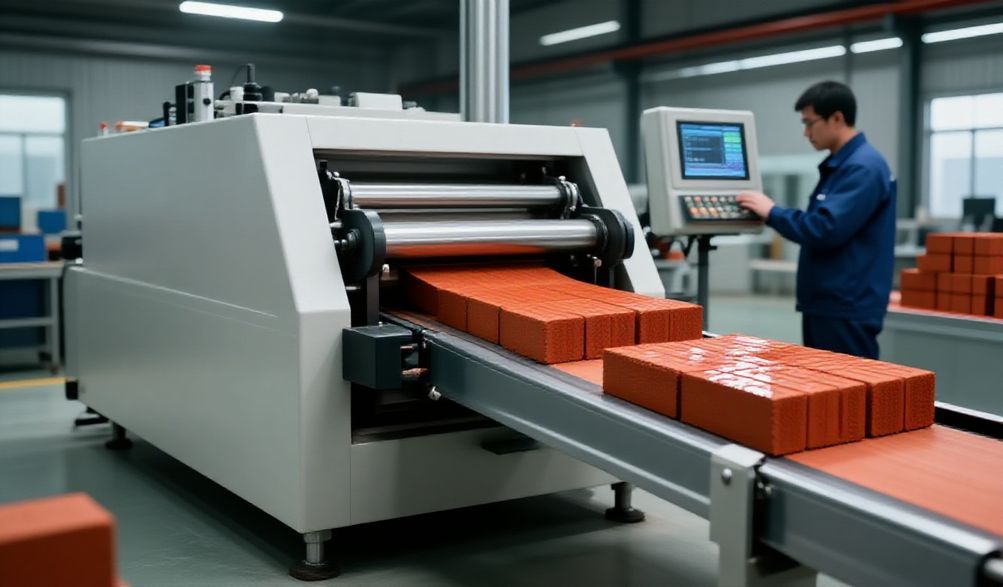
Panduan Utama Anda untuk Mesin Pembuat Batu Bata Tanah Liat & Memilih Produsen yang Tepat
Pengantar
Investasi dalam lini produksi batu bata tanah liat adalah keputusan modal yang signifikan yang dapat menentukan kesuksesan bisnis konstruksi, pabrik batu bata, atau usaha kewirausahaan Anda selama beberapa dekade. Inti dari operasi ini adalah mesin pembuat batu bata, dan jiwa dari kinerja jangka panjangnya adalah produsen di baliknya.
Panduan komprehensif ini dirancang untuk para profesional konstruksi, pemilik pabrik batu bata, dan pengusaha yang ingin berinvestasi dalam produksi batu bata tanah liat yang andal. Kami menyelami dunia mesin pembuat batu bata tanah liat, dengan fokus pada apa yang membedakan produsen kelas atas. Sambil mengacu pada standar industri dan reputasi pabrik-pabrik mapan sepertiFUDATujuan kami adalah membekali Anda dengan keahlian untuk membuat keputusan pembelian yang terinformasi dan percaya diri, yang menjamin produktivitas, kualitas, dan ROI jangka panjang untuk proyek Anda.
Menavigasi pasar membutuhkan lebih dari sekadar membandingkan label harga. Hal ini menuntut pemahaman tentang prinsip-prinsip teknik, proses produksi, dan faktor-faktor kritis yang membedakan mitra terpercaya dari sekadar pemasok. Mari kita mulai.
Memahami Produksi Batu Bata Tanah Liat: Proses Inti & Mesin
Sebelum mengevaluasi produsen, Anda harus memahami apa yang Anda beli. Mesin pembuat batu bata tanah liat adalah bagian dari sistem canggih yang dirancang untuk mengubah tanah mentah menjadi blok bangunan yang tahan lama dan terstandarisasi.
Perjalanan dari Tanah Liat Mentah hingga Bata Jadi
Proses pembuatan bata modern adalah keajaiban rekayasa industri, yang umumnya mengikuti tahapan-tahapan kunci berikut:
- Persiapan Tanah Liat:Tanah liat mentah digali, dihancurkan, dan disaring untuk menghilangkan batu dan kotoran. Kemudian dicampur dengan air dan terkadang bahan tambahan (seperti pasir atau abu terbang) untuk mencapai plastisitas dan komposisi yang sempurna untuk dicetak.
- Pembentukan/Pencetakan:Ini adalah fungsi inti dari mesin pembuat bata. Tanah liat yang telah disiapkan dipaksa masuk ke dalam cetakan di bawah tekanan tinggi untuk membentuk kolom kontinu (ekstrusi) atau bata individual (pengepresan). Sub-proses kunci di sini adalahmengeluarkan udarayang menghilangkan kantong udara untuk secara drastis mengurangi retakan dan meningkatkan kekuatan bata.
- Pengeringan:Batu bata basah yang telah dibentuk (dikenal sebagai "batu bata hijau") dikeringkan dengan hati-hati untuk menghilangkan kelembapan. Proses ini sering dilakukan dalam pengering ruang terkontrol untuk mencegah melengkung atau retak akibat hilangnya kelembapan yang tidak merata.
- Pembakaran/Kiln:Batu bata kering dibakar dalam kiln pada suhu antara 900°C dan 1200°C. Proses ini memvitrifikasi tanah liat, memberikan kekerasan akhir, kekuatan, warna, dan ketahanan cuaca pada batu bata.
Jenis Mesin Pembuat Batu Bata Tanah Liat
Memilih jenis mesin yang tepat sepenuhnya bergantung pada skala, anggaran, dan kualitas hasil yang diinginkan.
-
Ekstruder vs. Mesin Press:
- Ekstrudermemaksa tanah liat plastik melalui cetakan untuk membentuk kolom berkelanjutan, yang kemudian dipotong menjadi bata individual. Mereka sangat baik untuk produksi volume tinggi bata padat, berlubang, atau berongga dan merupakan standar industri untuk sebagian besar pabrik skala besar.
- Menekan(seperti pengepres hidrolik atau mekanik) memadatkan tanah liat plastik yang lebih sedikit ke dalam cetakan di bawah tekanan ekstrem. Mereka sering digunakan untuk memproduksi batu bata berdensitas tinggi dengan bentuk yang tajam (seperti batu bata paving atau refraktori) dan dapat menangani berbagai macam bahan baku yang lebih luas.
-
Mesin Manual, Semi-Otomatis, dan Otomatis Penuh:
- Mesin Manual:Opsi biaya rendah dan output rendah yang cocok untuk produksi skala sangat kecil atau artisanal. Padat karya dan tidak konsisten.
- Mesin Semi-Otomatis:Pilihan seimbang untuk operasi skala kecil hingga menengah. Mereka mengotomatiskan proses pembentukan inti (seperti ekstrusi dan pemotongan), tetapi mungkin memerlukan penanganan manual untuk penumpukan atau pengumpanan.
- Mesin Sepenuhnya Otomatis:Puncak efisiensi. Sistem-sistem ini mengintegrasikan pengumpanan tanah liat, pembentukan, pemotongan, penumpukan, dan kadang-kadang bahkan paletisasi dengan lengan robot. Mereka memaksimalkan output, meminimalkan tenaga kerja, dan memastikan kualitas yang konsisten. Di sinilah para produsen sepertiFUDA dan para pemimpin industri lainnya memfokuskan rekayasa mereka.
Komponen Mesin Utama yang Menentukan Kinerja
The quality of a machine is the sum of its parts. Scrutinize these components:
* Mikser: A robust, double-shaft mixer ensures homogeneous and perfectly tempered clay, which is foundational for quality extrusion.
* Extruder & De-Airing Unit: The heart of the machine. Look for a powerful, wear-resistant auger and a vacuum chamber that achieves a high level of de-airing (measured in vacuum pressure, e.g., -0.092 MPa or better).
* Cutter: A precision wire or gang cutter that creates clean, dimensionally accurate bricks without deforming the soft clay column.
* Sistem Kontrol: A modern, user-friendly PLC (Programmable Logic Controller) interface allows for easy operation, troubleshooting, and adjustment of speed, pressure, and cutting length.
What Defines a Leading Clay Bricks Making Machine Manufacturer?
With the process understood, the critical question becomes: who do you trust to build this complex system? A leading manufacturer is defined by more than just a sales brochure.
Pengalaman Terbukti & Keberlanjutan Industri
In heavy machinery, history matters. A manufacturer with decades of operation has:
* Encountered and solved countless technical challenges.
* Refined their designs through real-world feedback.
* Built a global portfolio of working installations. When researching a name like Pabrik pembuatan bata FUDA, their track record of delivered projects across different continents speaks directly to tested reliability and adaptability.
Engineering Expertise & R&D Investment
The best manufacturers are not just workshops; they are innovation hubs. Key indicators include:
* A dedicated R&D team focused on improving energy efficiency, automation, and ease of maintenance.
* Patents on unique machine components or processes.
* Continuous updates to machine lines, incorporating newer, more durable materials and smarter control systems.
Standar Manufaktur & Pengendalian Mutu
The factory floor tells the true story. A top manufacturer will:
* Hold relevant international certifications (like ISO 9001 for quality management systems).
* Use premium, wear-resistant materials for critical components (e.g., Hardox steel for liners, high-grade alloys for augers).
* Employ rigorous in-house testing, including running machines under load before disassembly for shipping.
Comprehensive Service & Support
The machine’s purchase price is just the entry ticket. Long-term value comes from support.
* Pemasangan & Pengoperasian: Do they provide expert engineers to supervise setup and ensure your plant runs from day one?
* Pelatihan: Comprehensive, hands-on training for your operators and maintenance staff is non-negotiable.
* Suku Cadang: A readily available, logically priced inventory of spare parts is crucial for minimizing costly downtime.
* Dukungan Teknis: Access to responsive, knowledgeable support via phone, email, or remote diagnostics.
Spotlight on Key Considerations for Your Investment
Armed with manufacturer criteria, you must now align it with your specific needs.
Menilai Kebutuhan Produksi Anda
Be precise. Ambiguity here leads to an undersized or inefficient investment.
* Kapasitas Output: Calculate your required bricks per hour or per 8-hour shift. Factor in future growth.
* Brick Type & Versatility: Will you produce only standard solid bricks, or do you need to switch to perforated, hollow, or special shapes? Ensure the machine is adaptable.
* Bahan Baku: Share samples of your clay with the manufacturer. Its composition (shale, soft mud, etc.) directly affects machine recommendations.
* Power & Utility Requirements: Understand the total connected load (electricity) and any requirements for water or compressed air.
Total Cost of Ownership (TCO) Analysis
Look beyond the initial quote. The true cost includes:
* Konsumsi Energi: An efficient drive system and well-designed extruder can save significant electricity costs over years of operation.
* Pemeliharaan & Suku Cadang: Machines built with quality components wear slower, and manufacturers with fair spare parts pricing reduce your ongoing OpEx.
* Masa Pakai Mesin A machine that runs reliably for 15+ years offers far better ROI than one that requires major overhauls after 5.
The Importance of Factory Visits & Client References
This is your most powerful due diligence tool.
* Kunjungan Pabrik: Inspect the manufacturing facility. Observe the workflow, quality of welding, and housekeeping. Meet the engineering team.
* Referensi Klien: Insist on contacting 2-3 recent clients, preferably in a region similar to yours. Ask them about:
* Machine performance and uptime.
* Accuracy of the manufacturer’s claims.
* Responsiveness and effectiveness of after-sales service.
* Their overall pengalaman and satisfaction.
Ensuring a Successful Partnership with Your Manufacturer
The goal is a long-term partnership, not a one-time transaction. Set the stage for success.
Clear Communication & Customization Options
A good partner listens. They should ask detailed questions about your project and be willing to offer customized solutions, whether it’s a special die design, a unique brick size, or a specific plant layout. Their proposals should feel tailored, not generic.
Transparency in Quotations & Contracts
Scrutinize the quotation. It should clearly itemize:
* EXW/FOB/CIF pricing and responsibilities.
* A detailed scope of supply (every motor, cable, and tool included).
* Warranty terms (duration, what’s covered, and what’s excluded).
* Costs for installation, training, and commissioning if not included.
Post-Purchase Relationship
The relationship strengthens after payment. A trustworthy manufacturer will:
* Proactively check in during the first few months of operation.
* Have a system for you to easily order spare parts.
* Inform you of software updates or upgrade kits for your machine model in the future.
Pertanyaan yang Sering Diajukan (FAQ)
Q: What is the typical lead time for a clay brick making machine from order to delivery?
A: Lead times vary significantly based on machine complexity and manufacturer backlog. For a standard automatic machine, expect 30-60 days for production after order confirmation, plus 30-45 days for sea shipping. Fully customized or large turnkey plants will take longer. Always get a written timeline estimate.
Q: Can a manufacturer like FUDA provide a complete turnkey plant solution, not just individual machines?
A: Reputable, established manufacturers often offer turnkey solutions. This includes plant design, all machinery (from crusher and mixer to the brick machine and stacker), kiln recommendations, installation, and commissioning. This single-point responsibility can streamline the entire project.
Q: How do I evaluate the energy efficiency of different clay brick machines?
A: Request the specific power rating (in kW) of the main drive motor and vacuum pump. Compare these figures for machines of similar output. Also, inquire about energy-saving features like variable frequency drives (VFDs) on motors, which match power consumption to the load, reducing waste.
Q: What kind of after-sales training is usually provided for operating and maintaining the equipment?
A: Comprehensive training should cover daily operation, routine maintenance (greasing, inspection), basic troubleshooting, and safety procedures. It typically involves both classroom instruction and hands-on practice at your installed plant, conducted by the commissioning engineers. Training manuals and video guides should also be provided.
Q: Are there machines suitable for small-scale startup operations that can be scaled up later?
A: Yes. Many manufacturers offer modular semi-automatic lines with a clear upgrade path. You might start with a core extruder and manual handling, then later add an automatic cutter, stacker, and palletizer. Discuss your growth vision upfront so the initial machine can be selected with future compatibility in mind.
Kesimpulan
Choosing the right clay bricks making machine manufacturer is a strategic decision that impacts your operational efficiency and product quality for years. It is an investment in a partnership as much as in a piece of equipment.
Prioritize manufacturers who demonstrate deep keahlian in engineering, a proven track record of pengalaman with successful global installations, and a commitment to kepercayaan through robust support, transparent dealings, and a client-first approach. The most reliable path to success is thorough research, including factory visits and direct conversations with existing customers.
Use this guide as a framework to ask the right questions. By doing so, you will find a manufacturing partner that truly aligns with your production goals and becomes a cornerstone of your growth vision.
<