
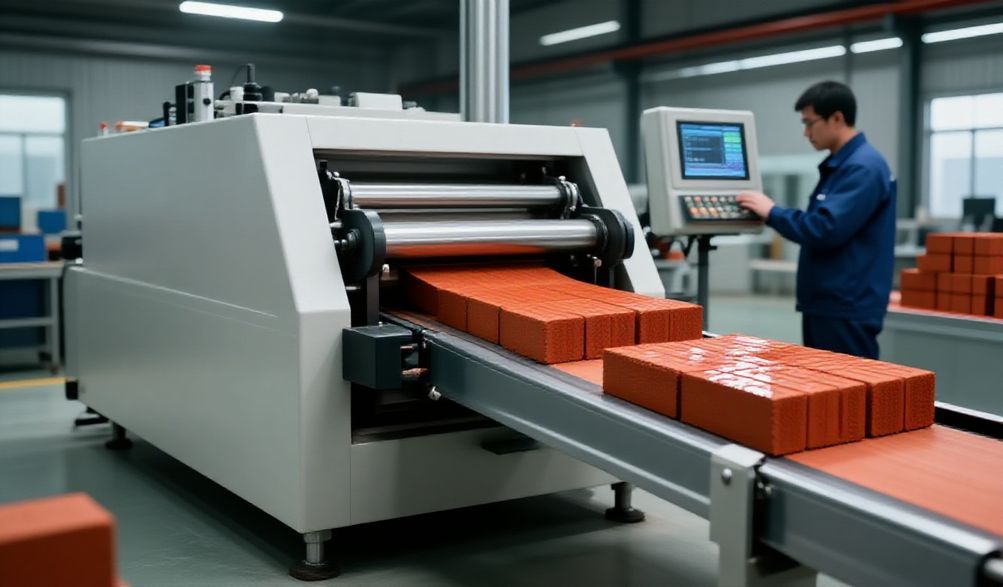
Hướng Dẫn Toàn Diện Về Máy Sản Xuất Gạch Đất Sét & Cách Chọn Nhà Sản Xuất Phù Hợp
Giới thiệu
Đầu tư vào một dây chuyền sản xuất gạch đất sét là một quyết định vốn quan trọng, có thể định hình sự thành công của doanh nghiệp xây dựng, nhà máy gạch, hoặc dự án kinh doanh của bạn trong nhiều thập kỷ. Trái tim của hoạt động này chính là máy làm gạch, và linh hồn cho hiệu suất lâu dài của nó nằm ở nhà sản xuất đứng sau.
Hướng dẫn toàn diện này được biên soạn dành cho các chuyên gia xây dựng, chủ nhà máy gạch và doanh nhân đang tìm kiếm đầu tư vào sản xuất gạch đất sét đáng tin cậy. Chúng tôi đi sâu vào thế giới của máy làm gạch đất sét, với góc nhìn tập trung vào những yếu tố phân biệt một nhà sản xuất hàng đầu. Trong khi chúng tôi tham chiếu các tiêu chuẩn ngành và danh tiếng của các nhà máy đã có chỗ đứng nhưPhúc ĐạtMục tiêu của chúng tôi là trang bị cho bạn chuyên môn để đưa ra quyết định mua hàng sáng suốt, tự tin, đảm bảo hiệu suất, chất lượng và lợi tức đầu tư dài hạn cho dự án của bạn.
Để định hướng trên thị trường, bạn cần nhiều hơn việc so sánh giá cả. Điều này đòi hỏi phải hiểu rõ các nguyên tắc kỹ thuật, quy trình sản xuất và những yếu tố then chốt phân biệt đối tác uy tín với những nhà cung cấp thông thường. Hãy cùng bắt đầu.
Hiểu về Sản xuất Gạch Đất Sét: Quy Trình Cốt lõi & Máy móc
Trước khi đánh giá các nhà sản xuất, bạn phải hiểu mình đang mua gì. Máy làm gạch đất sét là một phần của hệ thống tinh vi được thiết kế để biến đất thô thành những viên gạch xây dựng bền vững, tiêu chuẩn hóa.
Hành Trình Từ Đất Sét Thô Đến Viên Gạch Hoàn Chỉnh
Quy trình sản xuất gạch hiện đại là một kỳ quan của kỹ thuật công nghiệp, thường tuân theo các giai đoạn chính sau:
- Chuẩn bị đất sétĐất sét thô được khai thác, nghiền nhỏ và sàng lọc để loại bỏ đá và tạp chất. Sau đó, nó được trộn với nước và đôi khi thêm các phụ gia (như cát hoặc tro bay) để đạt được độ dẻo và thành phần hoàn hảo cho việc đúc khuôn.
- Tạo hình/Đúc khuôn:Đây là chức năng cốt lõi của máy làm gạch. Đất sét đã được chuẩn bị sẽ được ép vào khuôn dưới áp suất cao để tạo thành một cột liên tục (ép đùn) hoặc những viên gạch riêng lẻ (ép nén). Một quy trình con quan trọng ở đây làkhử khíloại bỏ các túi khí để giảm đáng kể hiện tượng nứt vỡ và tăng cường độ bền của gạch.
- Sấy khô:Những viên gạch ướt đã được định hình (còn gọi là "gạch mộc") sẽ được sấy khô cẩn thận để loại bỏ độ ẩm. Quá trình này thường được thực hiện trong các buồng sấy có kiểm soát nhằm ngăn ngừa hiện tượng cong vênh hoặc nứt vỡ do mất độ ẩm không đều.
- Nung/Lò nung:Những viên gạch khô được nung trong lò ở nhiệt độ từ 900°C đến 1200°C. Quá trình này làm thủy tinh hóa đất sét, tạo cho gạch độ cứng, độ bền, màu sắc và khả năng chống chịu thời tiết cuối cùng.
Các Loại Máy Làm Gạch Đất Sét
选择正确的机器类型完全取决于你的规模、预算和期望的输出质量。
-
Máy đùn so với Máy ép:
- Máy đùn将塑性粘土通过模具挤出以形成连续柱体,随后切割成单个砖块。这种工艺非常适合实心砖、多孔砖或空心砖的大批量生产,也是多数大型工厂的行业标准。
- Máy ép(ví dụ như máy ép thủy lực hoặc cơ khí) nén đất sét dẻo thấp vào khuôn dưới áp lực cực lớn. Chúng thường được sử dụng để sản xuất gạch có mật độ cao, đường nét sắc nét (như gạch lát đường hoặc gạch chịu lửa) và có thể xử lý nhiều loại nguyên liệu thô hơn.
-
Máy Thủ Công, Bán Tự Động và Tự Động Hoàn Toàn:
- Máy Móc Thủ Công:低成本、低产出选项,适合极小规模或手工生产。劳动密集型且质量不稳定。
- Máy Bán Tự Động:适合中小规模运营的平衡选择。它们自动化核心成型工序(如挤压和切割),但在堆叠或上料环节可能需要人工操作。
- Máy Móc Tự Động Hoàn Toàn:Đỉnh cao của hiệu quả. Các hệ thống này tích hợp việc cấp đất sét, tạo hình, cắt, xếp chồng, và đôi khi cả đóng gói bằng cánh tay robot. Chúng tối đa hóa sản lượng, giảm thiểu nhân công và đảm bảo chất lượng đồng nhất. Đây là nơi các nhà sản xuất nhưPhúc Đạtvà các nhà lãnh đạo ngành khác tập trung vào kỹ thuật của họ.
Các thành phần máy móc chính quyết định hiệu suất
The quality of a machine is the sum of its parts. Scrutinize these components:
* Máy trộn: A robust, double-shaft mixer ensures homogeneous and perfectly tempered clay, which is foundational for quality extrusion.
* Extruder & De-Airing Unit: The heart of the machine. Look for a powerful, wear-resistant auger and a vacuum chamber that achieves a high level of de-airing (measured in vacuum pressure, e.g., -0.092 MPa or better).
* Cutter: A precision wire or gang cutter that creates clean, dimensionally accurate bricks without deforming the soft clay column.
* Hệ Thống Điều Khiển: A modern, user-friendly PLC (Programmable Logic Controller) interface allows for easy operation, troubleshooting, and adjustment of speed, pressure, and cutting length.
What Defines a Leading Clay Bricks Making Machine Manufacturer?
With the process understood, the critical question becomes: who do you trust to build this complex system? A leading manufacturer is defined by more than just a sales brochure.
Kinh Nghiệm Đã Được Chứng Minh & Thâm Niên Trong Ngành
In heavy machinery, history matters. A manufacturer with decades of operation has:
* Encountered and solved countless technical challenges.
* Refined their designs through real-world feedback.
* Built a global portfolio of working installations. When researching a name like Nhà máy sản xuất gạch FUDA, their track record of delivered projects across different continents speaks directly to tested reliability and adaptability.
Engineering Expertise & R&D Investment
The best manufacturers are not just workshops; they are innovation hubs. Key indicators include:
* A dedicated R&D team focused on improving energy efficiency, automation, and ease of maintenance.
* Patents on unique machine components or processes.
* Continuous updates to machine lines, incorporating newer, more durable materials and smarter control systems.
Tiêu Chuẩn Sản Xuất & Kiểm Soát Chất Lượng
The factory floor tells the true story. A top manufacturer will:
* Hold relevant international certifications (like ISO 9001 for quality management systems).
* Use premium, wear-resistant materials for critical components (e.g., Hardox steel for liners, high-grade alloys for augers).
* Employ rigorous in-house testing, including running machines under load before disassembly for shipping.
Comprehensive Service & Support
The machine’s purchase price is just the entry ticket. Long-term value comes from support.
* Lắp đặt & Vận hành: Do they provide expert engineers to supervise setup and ensure your plant runs from day one?
* Đào tạo: Comprehensive, hands-on training for your operators and maintenance staff is non-negotiable.
* Phụ Tùng Thay Thế: A readily available, logically priced inventory of spare parts is crucial for minimizing costly downtime.
* Hỗ trợ Kỹ thuật: Access to responsive, knowledgeable support via phone, email, or remote diagnostics.
Spotlight on Key Considerations for Your Investment
Armed with manufacturer criteria, you must now align it with your specific needs.
Đánh Giá Nhu Cầu Sản Xuất Của Bạn
Be precise. Ambiguity here leads to an undersized or inefficient investment.
* Công suất đầu ra: Calculate your required bricks per hour or per 8-hour shift. Factor in future growth.
* Brick Type & Versatility: Will you produce only standard solid bricks, or do you need to switch to perforated, hollow, or special shapes? Ensure the machine is adaptable.
* Nguyên liệu thô Share samples of your clay with the manufacturer. Its composition (shale, soft mud, etc.) directly affects machine recommendations.
* Power & Utility Requirements: Understand the total connected load (electricity) and any requirements for water or compressed air.
Total Cost of Ownership (TCO) Analysis
Look beyond the initial quote. The true cost includes:
* Tiêu thụ Năng lượng An efficient drive system and well-designed extruder can save significant electricity costs over years of operation.
* Maintenance & Spare Parts: Machines built with quality components wear slower, and manufacturers with fair spare parts pricing reduce your ongoing OpEx.
* Tuổi thọ máy móc: A machine that runs reliably for 15+ years offers far better ROI than one that requires major overhauls after 5.
The Importance of Factory Visits & Client References
This is your most powerful due diligence tool.
* Factory Visit: Inspect the manufacturing facility. Observe the workflow, quality of welding, and housekeeping. Meet the engineering team.
* Client References: Insist on contacting 2-3 recent clients, preferably in a region similar to yours. Ask them about:
* Machine performance and uptime.
* Accuracy of the manufacturer’s claims.
* Responsiveness and effectiveness of after-sales service.
* Their overall kinh nghiệm and satisfaction.
Ensuring a Successful Partnership with Your Manufacturer
The goal is a long-term partnership, not a one-time transaction. Set the stage for success.
Clear Communication & Customization Options
A good partner listens. They should ask detailed questions about your project and be willing to offer customized solutions, whether it’s a special die design, a unique brick size, or a specific plant layout. Their proposals should feel tailored, not generic.
Transparency in Quotations & Contracts
Scrutinize the quotation. It should clearly itemize:
* EXW/FOB/CIF pricing and responsibilities.
* A detailed scope of supply (every motor, cable, and tool included).
* Warranty terms (duration, what’s covered, and what’s excluded).
* Costs for installation, training, and commissioning if not included.
Post-Purchase Relationship
The relationship strengthens after payment. A trustworthy manufacturer will:
* Proactively check in during the first few months of operation.
* Have a system for you to easily order spare parts.
* Inform you of software updates or upgrade kits for your machine model in the future.
Các Câu Hỏi Thường Gặp (FAQ)
Q: What is the typical lead time for a clay brick making machine from order to delivery?
A: Lead times vary significantly based on machine complexity and manufacturer backlog. For a standard automatic machine, expect 30-60 days for production after order confirmation, plus 30-45 days for sea shipping. Fully customized or large turnkey plants will take longer. Always get a written timeline estimate.
Q: Can a manufacturer like FUDA provide a complete turnkey plant solution, not just individual machines?
A: Reputable, established manufacturers often offer turnkey solutions. This includes plant design, all machinery (from crusher and mixer to the brick machine and stacker), kiln recommendations, installation, and commissioning. This single-point responsibility can streamline the entire project.
Q: How do I evaluate the energy efficiency of different clay brick machines?
A: Request the specific power rating (in kW) of the main drive motor and vacuum pump. Compare these figures for machines of similar output. Also, inquire about energy-saving features like variable frequency drives (VFDs) on motors, which match power consumption to the load, reducing waste.
Q: What kind of after-sales training is usually provided for operating and maintaining the equipment?
A: Comprehensive training should cover daily operation, routine maintenance (greasing, inspection), basic troubleshooting, and safety procedures. It typically involves both classroom instruction and hands-on practice at your installed plant, conducted by the commissioning engineers. Training manuals and video guides should also be provided.
Q: Are there machines suitable for small-scale startup operations that can be scaled up later?
A: Yes. Many manufacturers offer modular semi-automatic lines with a clear upgrade path. You might start with a core extruder and manual handling, then later add an automatic cutter, stacker, and palletizer. Discuss your growth vision upfront so the initial machine can be selected with future compatibility in mind.
Conclusion
Choosing the right clay bricks making machine manufacturer is a strategic decision that impacts your operational efficiency and product quality for years. It is an investment in a partnership as much as in a piece of equipment.
Prioritize manufacturers who demonstrate deep chuyên môn in engineering, a proven track record of kinh nghiệm with successful global installations, and a commitment to đáng tin cậy through robust support, transparent dealings, and a client-first approach. The most reliable path to success is thorough research, including factory visits and direct conversations with existing customers.
Use this guide as a framework to ask the right questions. By doing so, you will find a manufacturing partner that truly aligns with your production goals and becomes a cornerstone of your growth vision.
<