
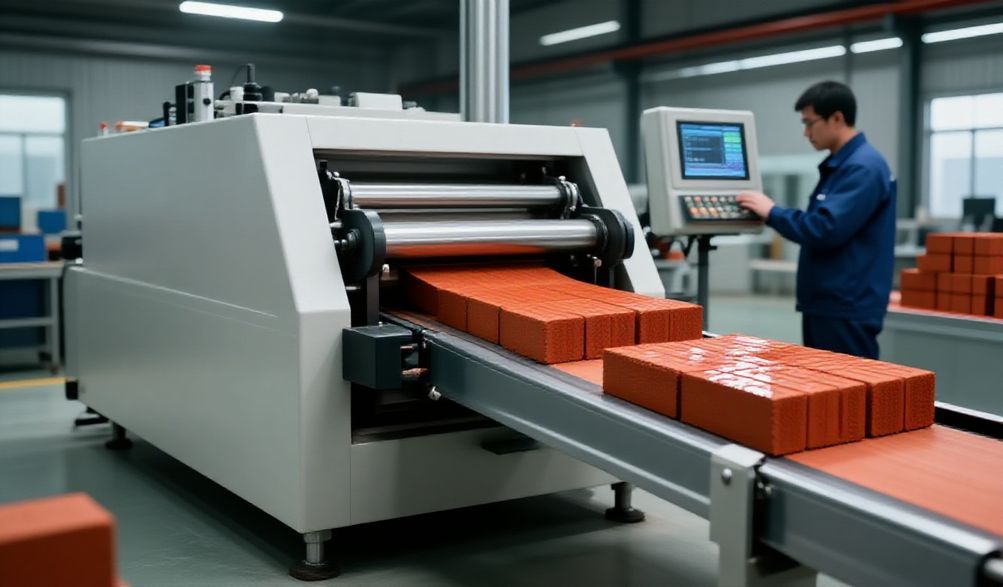
Gid Definitif Ou sou Machin pou Fè Brik an Ajil & Chwazi Bon Manifaktirè a
Entwodiksyon
Envesti nan yon liy pwodiksyon brik tè se yon desizyon kapital enpòtan ki ka defini siksè biznis konstriksyon ou, plant brik ou, oswa antrepriz antreprenoryal ou pou plizyè deseni. Kè operasyon sa a se machin fè brik la, ak nanm pèfòmans alontèm li se manifakti ki dèyè li.
Gid konplè sa a fèt pou pwofesyonèl nan konstriksyon, pwopriyetè brikri, ak antreprenè k ap chèche envesti nan pwodiksyon brik tè kwit serye. Nou fouye pwofondeman nan mond machin pou fè brik tè kwit, ak yon konsantre sou sa ki distenge yon manifakti pi gwo kalite. Pandan nou fè referans ak estanda endistri yo ak repitasyon faktori etabli tankouFUDAObjektif nou se ekipe ou ak ekspètiz pou pran yon desizyon acha ki enfòme, konfyans, ki asire pwodiktivite, kalite, ak yon retou sou envestisman alontèm pou pwojè ou.
Navige nan mache a mande plis pase jis konpare pri. Li mande yon konpreyansyon sou prensip jeni, pwosesis pwodiksyon, ak faktè kle ki separe patnè ki gen bon repitasyon ak founisè senp. Ann kòmanse.
Konprann Pwodiksyon Brik Tè: Pwosesis Debaz ak Machin yo
Anvan ou evalye manifakti yo, ou dwe konprann sa w ap achte. Yon machin pou fè brik tè se yon pati nan yon sistèm sofistike ki fèt pou transfòme tè an lèt nan yon blòk bilding dirab ak estanda.
Vwayaj la soti nan ajil an eta natirèl rive nan brik fini
Pwosesis modèn pou fè brik se yon mèvèy nan jeni endistriyèl, li swiv etap kle sa yo anjeneral:
- Preparasyon Ajil:Tè kreyon an jwenn nan tè a, yo kraze l, epi yo pase l nan yon filtre pou retire wòch ak dechè. Apre sa, yo melanje l ak dlo epi pafwa yo ajoute aditif (tankou sab oswa sann volkanik) pou jwenn plastisite ak konpozisyon pafè pou fòme.
- Fòme/Modele:Sa se fonksyon prensipal machin pou fè brik. Tè aparamen an fòse nan yon mòlò anba gwo presyon pou fòme yon kolòn kontinyèl (ekstrèzyon) oswa brik endividyèl (presyon). Yon sou-pwosesis kle isit la sedezèrki retire bul lè pou diminye kraze anpil epi ogmante fòs brik yo.
- Seche:Brik mouye yo, ki fòme (ke yo rele "brik vèt"), yo seche ak anpil atansyon pou retire imidite. Sa souvan fèt nan secho chanm kontwole pou anpeche defòmasyon oswa fann akòz pèt imidite inegal.
- Tire/FouBrik yo te fin seche yo pase nan yon fou nan yon tanperati ant 900°C ak 1200°C. Pwosesis sa a vitrifi ajil la, sa ki bay brik yo dènye dite, fòs, koulè, ak rezistans kont move tan yo.
Kalite Machin pou Fè Brik Tè
Chwazi bon kalite machin nan depann nèt sou echèl ou, bidjè ou, ak kalite pwodiksyon ou vle.
-
Ekstride kont Pwese:
- Ekstridefòse ajil plastik pase nan yon kalib pou fòme yon kolòn kontinyèl, ki answit koupe an brik endividyèl. Yo ekselan pou pwodiksyon an gwo kantite brik solid, pèfore, oswa kre, epi yo se estanda endistri a pou pifò plant ki gen gwo echèl.
- Pese(tankou presyon idwolik oswa mekanik) konpakte mwens plastik ajil nan yon mwazi anba presyon ekstrèm. Yo souvan itilize pou pwodwi brik ki gen gwo dansite, byen defini (tankou brik pave oswa brik refrakte) epi yo ka manyen yon varyete pi laj de matyè premyè.
-
Machin Manyèl, Semi-Otomatik, ak Otomatik Konplè:
- Machin Manyèl:Opsyon ki chè, ki pa bay anpil pwodiksyon, apwopriye pou pwodiksyon trè ti oswa atizanal. Travay lou ak iregilye.
- Machin Semi-Otomatik:Yon chwa balanse pou ti ak mwayen operasyon yo. Yo automatize pwosesis debaz la (tankou ekstriksyon ak koupe) men yo ka mande pou manyen nan men an pou anpile oswa manje.
- Machin Otomatik Konplè:Pi efficiency a pi red. Sistèm sa yo entegre manje ajil, fòme, koupe, anpile, epi pafwa menm anpile ak bra robotik. Yo maksimize pwodiksyon an, minimize travay, epi asire bon jan kalite konsistan. Sa a se kote manifaktirè tankouFUDAak lòt lidè endistri yo konsantre sou jeni yo.
Eleman kle nan machin ki defini pèfòmans
Kalite yon machin se sòm tout pati li yo. Egzamine eleman sa yo:
* Miksè:Yon melanjè doub-tib fò asire ajil omojèn ak tanpere pafètman, sa ki fondasyon pou ekstrizyon kalite.
* Estrude & Inite Dezèrajman:Kè machin nan. Chèche yon ti vis pwisan ki reziste chòk, ansanm ak yon chanm vide ki reyalize yon nivo de-è byen wo (mezire an presyon vide, tankou -0.092 MPa oswa pi bon).
* Kouto.Yon fil presizyon oswa kouto ki fè brik pwòp, ki gen dimansyon egzat san li pa defòme kolòn tè mou a.
* Sistèm Kontwòl:Yon koòdone PLC (Kontwolè Lojik Pwograme) modèn ak fasil pou itilize pèmèt operasyon, rezoud pwoblèm, ak ajisteman vitès, presyon, ak longè koupe fasil.
Kisa ki defini yon manifakti dirijan nan machin pou fè brik ajil?
With the process understood, the critical question becomes: who do you trust to build this complex system? A leading manufacturer is defined by more than just a sales brochure.
Eksperyans Pwouve ak Longevite Endistri
In heavy machinery, history matters. A manufacturer with decades of operation has:
* Encountered and solved countless technical challenges.
* Refined their designs through real-world feedback.
* Built a global portfolio of working installations. When researching a name like Faktori pou fè brik FUDA, their track record of delivered projects across different continents speaks directly to tested reliability and adaptability.
Engineering Expertise & R&D Investment
The best manufacturers are not just workshops; they are innovation hubs. Key indicators include:
* A dedicated R&D team focused on improving energy efficiency, automation, and ease of maintenance.
* Patents on unique machine components or processes.
* Continuous updates to machine lines, incorporating newer, more durable materials and smarter control systems.
Estanda Fabrikasyon ak Kontwòl Kalite
The factory floor tells the true story. A top manufacturer will:
* Hold relevant international certifications (like ISO 9001 for quality management systems).
* Use premium, wear-resistant materials for critical components (e.g., Hardox steel for liners, high-grade alloys for augers).
* Employ rigorous in-house testing, including running machines under load before disassembly for shipping.
Comprehensive Service & Support
The machine’s purchase price is just the entry ticket. Long-term value comes from support.
* Enstalasyon ak Komisyon: Do they provide expert engineers to supervise setup and ensure your plant runs from day one?
* Fòmasyon: Comprehensive, hands-on training for your operators and maintenance staff is non-negotiable.
* Pye De Rechanj: A readily available, logically priced inventory of spare parts is crucial for minimizing costly downtime.
* Sipò Teknik: Access to responsive, knowledgeable support via phone, email, or remote diagnostics.
Spotlight on Key Considerations for Your Investment
Armed with manufacturer criteria, you must now align it with your specific needs.
Evalye Bezwen Pwodiksyon Ou
Be precise. Ambiguity here leads to an undersized or inefficient investment.
* Kapasite Pwodiksyon: Calculate your required bricks per hour or per 8-hour shift. Factor in future growth.
* Brick Type & Versatility: Will you produce only standard solid bricks, or do you need to switch to perforated, hollow, or special shapes? Ensure the machine is adaptable.
* Matyè Premye Share samples of your clay with the manufacturer. Its composition (shale, soft mud, etc.) directly affects machine recommendations.
* Power & Utility Requirements: Understand the total connected load (electricity) and any requirements for water or compressed air.
Total Cost of Ownership (TCO) Analysis
Look beyond the initial quote. The true cost includes:
* Konsomasyon Enèji: An efficient drive system and well-designed extruder can save significant electricity costs over years of operation.
* Antretyen ak Pyès Detache: Machines built with quality components wear slower, and manufacturers with fair spare parts pricing reduce your ongoing OpEx.
* Machine Lifespan: A machine that runs reliably for 15+ years offers far better ROI than one that requires major overhauls after 5.
The Importance of Factory Visits & Client References
This is your most powerful due diligence tool.
* Factory Visit: Inspect the manufacturing facility. Observe the workflow, quality of welding, and housekeeping. Meet the engineering team.
* Referans Kliyan: Insist on contacting 2-3 recent clients, preferably in a region similar to yours. Ask them about:
* Machine performance and uptime.
* Accuracy of the manufacturer’s claims.
* Responsiveness and effectiveness of after-sales service.
* Their overall eksperyans and satisfaction.
Ensuring a Successful Partnership with Your Manufacturer
The goal is a long-term partnership, not a one-time transaction. Set the stage for success.
Clear Communication & Customization Options
A good partner listens. They should ask detailed questions about your project and be willing to offer customized solutions, whether it’s a special die design, a unique brick size, or a specific plant layout. Their proposals should feel tailored, not generic.
Transparency in Quotations & Contracts
Scrutinize the quotation. It should clearly itemize:
* EXW/FOB/CIF pricing and responsibilities.
* A detailed scope of supply (every motor, cable, and tool included).
* Warranty terms (duration, what’s covered, and what’s excluded).
* Costs for installation, training, and commissioning if not included.
Post-Purchase Relationship
The relationship strengthens after payment. A trustworthy manufacturer will:
* Proactively check in during the first few months of operation.
* Have a system for you to easily order spare parts.
* Inform you of software updates or upgrade kits for your machine model in the future.
Kesyon yo poze souvan (FAQ)
Q: What is the typical lead time for a clay brick making machine from order to delivery?
A: Lead times vary significantly based on machine complexity and manufacturer backlog. For a standard automatic machine, expect 30-60 days for production after order confirmation, plus 30-45 days for sea shipping. Fully customized or large turnkey plants will take longer. Always get a written timeline estimate.
Q: Can a manufacturer like FUDA provide a complete turnkey plant solution, not just individual machines?
A: Reputable, established manufacturers often offer turnkey solutions. This includes plant design, all machinery (from crusher and mixer to the brick machine and stacker), kiln recommendations, installation, and commissioning. This single-point responsibility can streamline the entire project.
Q: How do I evaluate the energy efficiency of different clay brick machines?
A: Request the specific power rating (in kW) of the main drive motor and vacuum pump. Compare these figures for machines of similar output. Also, inquire about energy-saving features like variable frequency drives (VFDs) on motors, which match power consumption to the load, reducing waste.
Q: What kind of after-sales training is usually provided for operating and maintaining the equipment?
A: Comprehensive training should cover daily operation, routine maintenance (greasing, inspection), basic troubleshooting, and safety procedures. It typically involves both classroom instruction and hands-on practice at your installed plant, conducted by the commissioning engineers. Training manuals and video guides should also be provided.
Q: Are there machines suitable for small-scale startup operations that can be scaled up later?
A: Yes. Many manufacturers offer modular semi-automatic lines with a clear upgrade path. You might start with a core extruder and manual handling, then later add an automatic cutter, stacker, and palletizer. Discuss your growth vision upfront so the initial machine can be selected with future compatibility in mind.
Konklizyon
Choosing the right clay bricks making machine manufacturer is a strategic decision that impacts your operational efficiency and product quality for years. It is an investment in a partnership as much as in a piece of equipment.
Prioritize manufacturers who demonstrate deep ekspètiz in engineering, a proven track record of eksperyans with successful global installations, and a commitment to fyabiltite through robust support, transparent dealings, and a client-first approach. The most reliable path to success is thorough research, including factory visits and direct conversations with existing customers.
Use this guide as a framework to ask the right questions. By doing so, you will find a manufacturing partner that truly aligns with your production goals and becomes a cornerstone of your growth vision.
<