
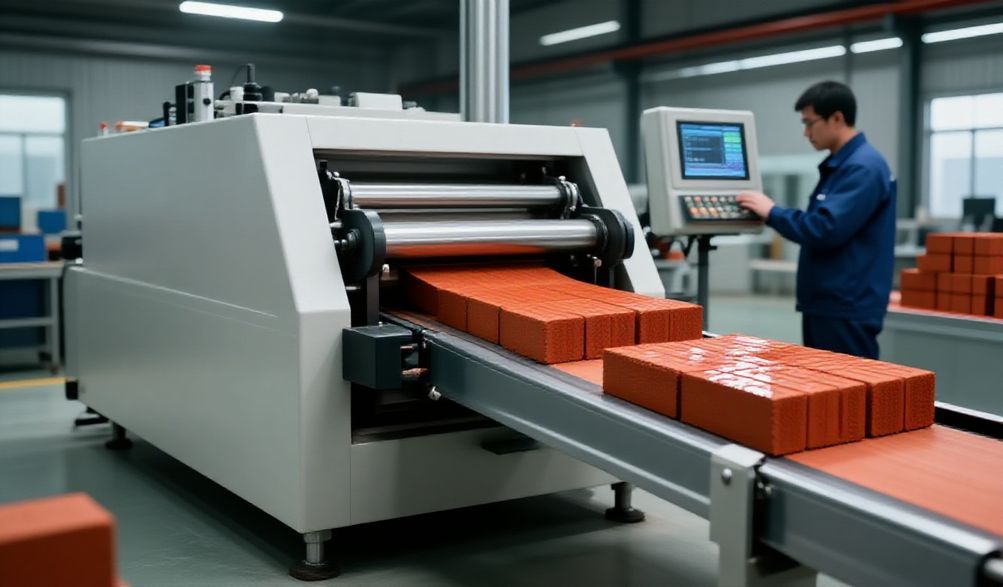
점토 벽돌 제조 기계와 올바른 제조업체 선택을 위한 궁극적인 가이드
소개
점토 벽돌 생산 라인에 투자하는 것은 수십 년 동안 건설 사업, 벽돌 공장 또는 기업가적 벤처의 성공을 좌우할 수 있는 중요한 자본 결정입니다. 이 운영의 핵심은 벽돌 제조 기계이며, 장기적인 성능의 영혼은 그 뒤에 있는 제조업체입니다.
이 종합 가이드는 신뢰할 수 있는 점토 벽돌 생산에 투자하려는 건설 전문가, 벽돌 공장 소유자 및 기업가를 위해 제작되었습니다. 우리는 최상위 제조업체를 구별하는 요소에 초점을 맞춰 점토 벽돌 제조 기계의 세계를 깊이 있게 탐구합니다. 산업 표준 및 같은 유명 공장의 평판을 참조하면서도푸다우리의 목표는 귀하의 프로젝트에 생산성, 품질, 그리고 장기적인 투자 수익률을 보장하는 정보에 기반한 확신에 찬 구매 결정을 내릴 수 있는 전문 지식을 갖추도록 돕는 것입니다.
시장을 이해하려면 단순히 가격표를 비교하는 것 이상이 필요합니다. 공학적 원리와 생산 공정에 대한 이해, 그리고 신뢰할 수 있는 파트너와 단순한 공급업체를 구분하는 핵심 요소를 파악해야 합니다. 시작해 보겠습니다.
점토 벽돌 생산 이해: 핵심 공정 및 기계
제조업체를 평가하기 전에 무엇을 구매하는지 이해해야 합니다. 점토 벽돌 제조 기계는 원료 흙을 내구성 있고 표준화된 건축 자재로 변환하도록 설계된 정교한 시스템의 일부입니다.
원점토에서 완성된 벽돌까지의 여정
현대의 벽돌 제조 공정은 산업 공학의 경이로움으로, 일반적으로 다음과 같은 주요 단계를 따릅니다.
- 점토 준비원점토는 채굴되어 분쇄되고 체질돌로 돌과 잔해물을 제거합니다. 그런 다음 물과 때로는 첨가물(예: 모래나 플라이애시)을 혼합하여 성형에 적합한 완벽한 가소성과 조성을 얻습니다.
- 성형/주조이것은 벽돌 제조 기계의 핵심 기능입니다. 준비된 점토를 고압 하에 금형에 강제로 주입하여 연속적인 기둥(압출) 또는 개별 벽돌(압성형)을 형성합니다. 여기서 핵심 하위 공정은탈기공기 주머니를 제거하여 균열을 극적으로 줄이고 벽돌 강도를 높입니다.
- 건조:습식 성형된 벽돌(일명 "생벽돌")은 수분을 제거하기 위해 신중하게 건조됩니다. 이 과정은 수분 손실이 고르지 않아 발생할 수 있는 뒤틀림이나 균열을 방지하기 위해 통제된 챔버 건조기에서 이루어지는 경우가 많습니다.
- 소성/가마건조된 벽돌은 900°C에서 1200°C 사이의 온도로 가마에서 소성됩니다. 이 과정에서 점토가 유리화되어 벽돌에 최종적인 경도, 강도, 색상 및 내후성이 부여됩니다.
점토 벽돌 제조 기계의 종류
올바른 기계 종류를 선택하는 것은 전적으로 규모, 예산, 그리고 원하는 출력 품질에 달려 있습니다.
-
압출기 대 프레스
- 익스트루더플라스틱 점토를 다이를 통해 압출하여 연속적인 기둥을 형성한 다음, 이를 개별 벽돌로 절단합니다. 이 방법은 고체, 천공 또는 중공 벽돌의 대량 생산에 탁월하며, 대규모 공장 대부분의 업계 표준입니다.
- 프레스(유압식 또는 기계식 프레스와 같은) 이들은 극도의 압력 아래에서 적은 양의 플라스틱 점토를 몰드에 압착합니다. 이들은 고밀도, 날카롭게 정의된 벽돌(포장 또는 내화 벽돌과 같은)을 생산하는 데 자주 사용되며, 더 다양한 원자재를 처리할 수 있습니다.
-
수동, 반자동 및 완전 자동 기계
- 수동 기계:저비용, 저생산량 옵션으로 소규모 또는 수공예 생산에 적합합니다. 노동 집약적이며 일관성이 부족합니다.
- 반자동 기계:소규모에서 중규모 작업에 적합한 균형 잡힌 선택입니다. 이 장비는 압출 및 절단과 같은 핵심 성형 공정을 자동화하지만, 적재나 공급 작업에는 수동 조작이 필요할 수 있습니다.
- 완전 자동 기계:효율성의 정점. 이러한 시스템은 점토 공급, 성형, 절단, 적층, 때로는 로봇 팔을 이용한 팔레타이징까지 통합합니다. 생산량을 극대화하고 노동력을 최소화하며 일관된 품질을 보장합니다. 이는 ㅇㅇㅇ와 같은 제조업체가 주력하는 분야입니다.푸다그리고 다른 산업 리더들은 그들의 엔지니어링에 집중합니다.
성능을 결정하는 핵심 기계 부품
기계의 품질은 그 부품들의 합이다. 이 구성 요소들을 자세히 살펴보라.
* 믹서:강력한 이중 축 혼합기가 균질하고 완벽하게 조절된 점토를 보장하며, 이는 품질 압출의 기초가 됩니다.
* 압출기 및 탈기 장치:기계의 핵심입니다. 강력하고 내마모성 스크류와 높은 탈기 수준(예: -0.092MPa 이상)을 달성하는 진공 챔버를 찾으세요.
* 커터:연한 점토 기둥을 변형시키지 않고 깨끗하고 치수 정확한 벽돌을 만드는 정밀 와이어 또는 갱 커터입니다.
* 제어 시스템현대적이고 사용자 친화적인 PLC(프로그래머블 로직 컨트롤러) 인터페이스는 속도, 압력, 절단 길이의 간편한 조작, 문제 해결 및 조정을 가능하게 합니다.
선도적인 점토 벽돌 제조 기계 제조업체를 정의하는 요소는 무엇인가요?
With the process understood, the critical question becomes: who do you trust to build this complex system? A leading manufacturer is defined by more than just a sales brochure.
검증된 경험과 업계 장기 경력
In heavy machinery, history matters. A manufacturer with decades of operation has:
* Encountered and solved countless technical challenges.
* Refined their designs through real-world feedback.
* Built a global portfolio of working installations. When researching a name like 푸다 벽돌 제조 공장, their track record of delivered projects across different continents speaks directly to tested reliability and adaptability.
Engineering Expertise & R&D Investment
The best manufacturers are not just workshops; they are innovation hubs. Key indicators include:
* A dedicated R&D team focused on improving energy efficiency, automation, and ease of maintenance.
* Patents on unique machine components or processes.
* Continuous updates to machine lines, incorporating newer, more durable materials and smarter control systems.
제조 기준 및 품질 관리
The factory floor tells the true story. A top manufacturer will:
* Hold relevant international certifications (like ISO 9001 for quality management systems).
* Use premium, wear-resistant materials for critical components (e.g., Hardox steel for liners, high-grade alloys for augers).
* Employ rigorous in-house testing, including running machines under load before disassembly for shipping.
Comprehensive Service & Support
The machine’s purchase price is just the entry ticket. Long-term value comes from support.
* 설치 및 시운전: Do they provide expert engineers to supervise setup and ensure your plant runs from day one?
* 훈련 Comprehensive, hands-on training for your operators and maintenance staff is non-negotiable.
* 예비 부품: A readily available, logically priced inventory of spare parts is crucial for minimizing costly downtime.
* 기술 지원 Access to responsive, knowledgeable support via phone, email, or remote diagnostics.
Spotlight on Key Considerations for Your Investment
Armed with manufacturer criteria, you must now align it with your specific needs.
생산 요구 사항 평가하기
Be precise. Ambiguity here leads to an undersized or inefficient investment.
* 출력 용량: Calculate your required bricks per hour or per 8-hour shift. Factor in future growth.
* Brick Type & Versatility: Will you produce only standard solid bricks, or do you need to switch to perforated, hollow, or special shapes? Ensure the machine is adaptable.
* 원자재 Share samples of your clay with the manufacturer. Its composition (shale, soft mud, etc.) directly affects machine recommendations.
* Power & Utility Requirements: Understand the total connected load (electricity) and any requirements for water or compressed air.
Total Cost of Ownership (TCO) Analysis
Look beyond the initial quote. The true cost includes:
* 에너지 소비 An efficient drive system and well-designed extruder can save significant electricity costs over years of operation.
* 유지보수 및 예비 부품: Machines built with quality components wear slower, and manufacturers with fair spare parts pricing reduce your ongoing OpEx.
* 기계 수명 A machine that runs reliably for 15+ years offers far better ROI than one that requires major overhauls after 5.
The Importance of Factory Visits & Client References
This is your most powerful due diligence tool.
* Factory Visit: Inspect the manufacturing facility. Observe the workflow, quality of welding, and housekeeping. Meet the engineering team.
* Client References: Insist on contacting 2-3 recent clients, preferably in a region similar to yours. Ask them about:
* Machine performance and uptime.
* Accuracy of the manufacturer’s claims.
* Responsiveness and effectiveness of after-sales service.
* Their overall 경험 and satisfaction.
Ensuring a Successful Partnership with Your Manufacturer
The goal is a long-term partnership, not a one-time transaction. Set the stage for success.
Clear Communication & Customization Options
A good partner listens. They should ask detailed questions about your project and be willing to offer customized solutions, whether it’s a special die design, a unique brick size, or a specific plant layout. Their proposals should feel tailored, not generic.
Transparency in Quotations & Contracts
Scrutinize the quotation. It should clearly itemize:
* EXW/FOB/CIF pricing and responsibilities.
* A detailed scope of supply (every motor, cable, and tool included).
* Warranty terms (duration, what’s covered, and what’s excluded).
* Costs for installation, training, and commissioning if not included.
Post-Purchase Relationship
The relationship strengthens after payment. A trustworthy manufacturer will:
* Proactively check in during the first few months of operation.
* Have a system for you to easily order spare parts.
* Inform you of software updates or upgrade kits for your machine model in the future.
자주 묻는 질문 (FAQ)
Q: What is the typical lead time for a clay brick making machine from order to delivery?
A: Lead times vary significantly based on machine complexity and manufacturer backlog. For a standard automatic machine, expect 30-60 days for production after order confirmation, plus 30-45 days for sea shipping. Fully customized or large turnkey plants will take longer. Always get a written timeline estimate.
Q: Can a manufacturer like FUDA provide a complete turnkey plant solution, not just individual machines?
A: Reputable, established manufacturers often offer turnkey solutions. This includes plant design, all machinery (from crusher and mixer to the brick machine and stacker), kiln recommendations, installation, and commissioning. This single-point responsibility can streamline the entire project.
Q: How do I evaluate the energy efficiency of different clay brick machines?
A: Request the specific power rating (in kW) of the main drive motor and vacuum pump. Compare these figures for machines of similar output. Also, inquire about energy-saving features like variable frequency drives (VFDs) on motors, which match power consumption to the load, reducing waste.
Q: What kind of after-sales training is usually provided for operating and maintaining the equipment?
A: Comprehensive training should cover daily operation, routine maintenance (greasing, inspection), basic troubleshooting, and safety procedures. It typically involves both classroom instruction and hands-on practice at your installed plant, conducted by the commissioning engineers. Training manuals and video guides should also be provided.
Q: Are there machines suitable for small-scale startup operations that can be scaled up later?
A: Yes. Many manufacturers offer modular semi-automatic lines with a clear upgrade path. You might start with a core extruder and manual handling, then later add an automatic cutter, stacker, and palletizer. Discuss your growth vision upfront so the initial machine can be selected with future compatibility in mind.
결론
Choosing the right clay bricks making machine manufacturer is a strategic decision that impacts your operational efficiency and product quality for years. It is an investment in a partnership as much as in a piece of equipment.
Prioritize manufacturers who demonstrate deep 전문성 in engineering, a proven track record of 경험 with successful global installations, and a commitment to 신뢰성 through robust support, transparent dealings, and a client-first approach. The most reliable path to success is thorough research, including factory visits and direct conversations with existing customers.
Use this guide as a framework to ask the right questions. By doing so, you will find a manufacturing partner that truly aligns with your production goals and becomes a cornerstone of your growth vision.
<