
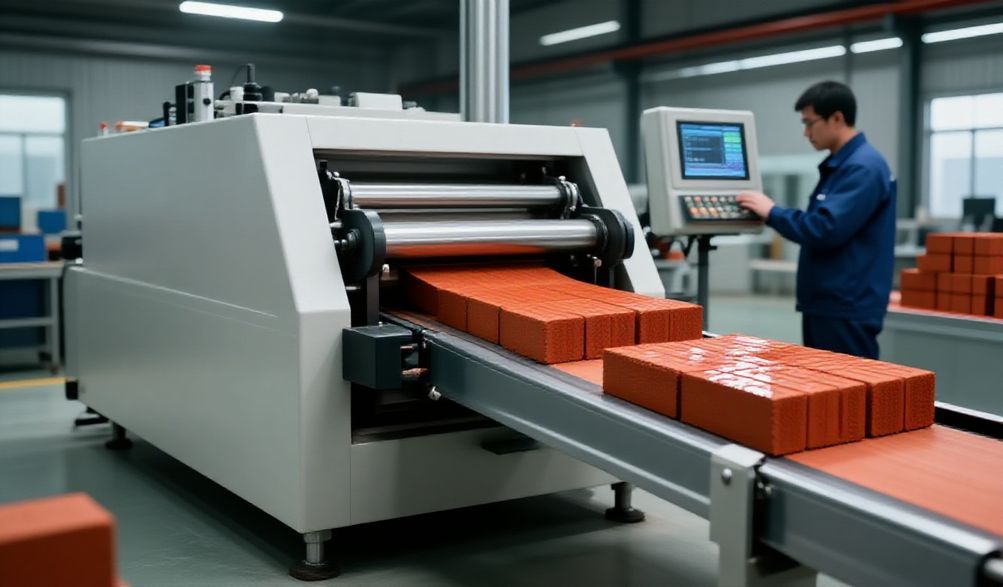
Ang Iyong Komprehensibong Gabay sa Mga Makina ng Paggawa ng Clay Brick at Pagpili ng Tamang Tagagawa
Panimula
Ang pamumuhunan sa isang linya ng produksyon ng ladrilyong luwad ay isang malaking desisyong pampuhunan na maaaring magtakda ng tagumpay ng iyong negosyo sa konstruksyon, planta ng ladrilyo, o negosyong pang-entrepreneur sa loob ng mga dekada. Ang puso ng operasyong ito ay ang makina ng paggawa ng ladrilyo, at ang kaluluwa ng pangmatagalang pagganap nito ay ang tagagawa sa likod nito.
Ang komprehensibong gabay na ito ay inihanda para sa mga propesyonal sa konstruksiyon, mga may-ari ng planta ng ladrilyo, at mga negosyanteng nagnanais mamuhunan sa maaasahang produksyon ng clay brick. Tatalakayin namin nang malalim ang mundo ng mga makina sa paggawa ng clay brick, na may nakatuong pansin sa kung ano ang nagpapakilala sa isang de-kalidad na tagagawa. Habang binabanggit namin ang mga pamantayan sa industriya at ang reputasyon ng mga naitatag na pabrika tulad ngFUDAAng aming layunin ay bigyan ka ng kadalubhasaan upang makagawa ng isang maalam, tiwasang desisyon sa pagbili na magtitiyak ng produktibidad, kalidad, at pangmatagalang ROI para sa iyong proyekto.
Ang paglalakbay sa merkado ay nangangailangan ng higit pa sa paghahambing ng mga presyo. Ito ay nangangailangan ng pag-unawa sa mga prinsipyo ng inhinyeriya, proseso ng produksyon, at ang mga kritikal na salik na naghihiwalay sa mga kagalang-galang na kasosyo mula sa mga karaniwang supplier. Magsimula na tayo.
Pag-unawa sa Produksyon ng Clay Brick: Mga Pangunahing Proseso at Makinarya
Bago suriin ang mga tagagawa, kailangan mong maunawaan kung ano ang iyong binibili. Ang isang makina ng paggawa ng ladrilyong luwad ay bahagi ng isang sopistikadong sistema na idinisenyo upang gawing matibay at pamantayang bloke ng gusali ang hilaw na lupa.
Ang Paglalakbay mula sa Hilaw na Lupa hanggang sa Tapos na Ladrilyo
Ang modernong proseso ng paggawa ng ladrilyo ay isang kahanga-hangang halimbawa ng inhinyeriyang pang-industriya, na karaniwang sumusunod sa mga sumusunod na pangunahing yugto:
- Pagbubungkal ng Lupa:Ang hilaw na luwad ay hinuhukay, dinudurog, at sinasala upang maalis ang mga bato at dumi. Pagkatapos, ito'y hinahalo sa tubig at kung minsan ay may mga dagdag na sangkap (tulad ng buhangin o abo mula sa pagsunog) upang makuha ang tamang pagkalambot at komposisyon para sa paghubog.
- Paghubog/Pagmamolde:Ito ang pangunahing tungkulin ng makina ng paggawa ng ladrilyo. Ang inihandang luwad ay pinipilit sa isang hulma sa ilalim ng mataas na presyon upang mabuo ang tuloy-tuloy na haligi (ekstrusyon) o mga indibidwal na ladrilyo (pagpindot). Ang isang mahalagang sub-proseso dito ayde-airingna nag-aalis ng mga air pocket upang lubos na bawasan ang pagkakabitak at mapataas ang lakas ng ladrilyo.
- Pagpapatuyo:Ang basa at nabuong mga ladrilyo (kilala bilang "green bricks") ay maingat na pinapatuyo upang maalis ang halumigmig. Karaniwan itong ginagawa sa mga kontroladong chamber dryer upang maiwasan ang pagbaluktot o pagbitak dahil sa hindi pantay na pagkawala ng halumigmig.
- Pagluluto/LusongAng mga pinatuyong ladrilyo ay sinusunog sa isang pugon sa temperaturang nasa pagitan ng 900°C at 1200°C. Ang prosesong ito ay nagpapatigas ng luwad, na nagbibigay sa mga ladrilyo ng kanilang huling tigas, lakas, kulay, at paglaban sa panahon.
Mga Uri ng Makina sa Paggawa ng Clay Bricks
Ang pagpili ng tamang uri ng makina ay nakadepende nang buo sa iyong sukat, badyet, at nais na kalidad ng produksyon.
-
Mga Extruder kumpara sa Mga Pindot:
- EkstruderAng plastik na luad ay pinipilit na dumaan sa isang die upang mabuo ang isang tuloy-tuloy na haligi, na pagkatapos ay pinuputol upang maging mga indibidwal na laryo. Ang mga ito ay mahusay para sa mataas na dami ng produksyon ng solid, butas-butas, o hungkag na mga laryo at ito ang pamantayan sa industriya para sa karamihan ng malalaking planta.
- Presses (like hydraulic or mechanical presses) compact less plastic clay into a mold under extreme pressure. They are often used for producing high-density, sharply defined bricks (like paving or refractory bricks) and can handle a wider variety of raw materials.
-
Manual, Semi-Awto, at Ganap na Awto na Makina:
- Manual na Makina: Low-cost, low-output options suitable for very small-scale or artisanal production. Labor-intensive and inconsistent.
- Semi-Automatikong Makina: A balanced choice for small to medium operations. They automate the core forming process (like extrusion and cutting) but may require manual handling for stacking or feeding.
- Ganap na Awtomatikong Makina: The pinnacle of efficiency. These systems integrate clay feeding, forming, cutting, stacking, and sometimes even palletizing with robotic arms. They maximize output, minimize labor, and ensure consistent quality. This is where manufacturers like FUDA and other industry leaders focus their engineering.
Key Machine Components That Define Performance
The quality of a machine is the sum of its parts. Scrutinize these components:
* Panghalo: A robust, double-shaft mixer ensures homogeneous and perfectly tempered clay, which is foundational for quality extrusion.
* Extruder & De-Airing Unit: The heart of the machine. Look for a powerful, wear-resistant auger and a vacuum chamber that achieves a high level of de-airing (measured in vacuum pressure, e.g., -0.092 MPa or better).
* Cutter: A precision wire or gang cutter that creates clean, dimensionally accurate bricks without deforming the soft clay column.
* Sistema ng Kontrol A modern, user-friendly PLC (Programmable Logic Controller) interface allows for easy operation, troubleshooting, and adjustment of speed, pressure, and cutting length.
What Defines a Leading Clay Bricks Making Machine Manufacturer?
With the process understood, the critical question becomes: who do you trust to build this complex system? A leading manufacturer is defined by more than just a sales brochure.
Napatunayang Karanasan at Katatagan sa Industriya
In heavy machinery, history matters. A manufacturer with decades of operation has:
* Encountered and solved countless technical challenges.
* Refined their designs through real-world feedback.
* Built a global portfolio of working installations. When researching a name like Pabrika ng paggawa ng ladrilyo ng FUDA, their track record of delivered projects across different continents speaks directly to tested reliability and adaptability.
Engineering Expertise & R&D Investment
The best manufacturers are not just workshops; they are innovation hubs. Key indicators include:
* A dedicated R&D team focused on improving energy efficiency, automation, and ease of maintenance.
* Patents on unique machine components or processes.
* Continuous updates to machine lines, incorporating newer, more durable materials and smarter control systems.
Manufacturing Standards & Quality Control
The factory floor tells the true story. A top manufacturer will:
* Hold relevant international certifications (like ISO 9001 for quality management systems).
* Use premium, wear-resistant materials for critical components (e.g., Hardox steel for liners, high-grade alloys for augers).
* Employ rigorous in-house testing, including running machines under load before disassembly for shipping.
Comprehensive Service & Support
The machine’s purchase price is just the entry ticket. Long-term value comes from support.
* Pagkakabit at Pagkakomisyon: Do they provide expert engineers to supervise setup and ensure your plant runs from day one?
* Pagsasanay: Comprehensive, hands-on training for your operators and maintenance staff is non-negotiable.
* Piesa ng Ekstrang Bahagi: A readily available, logically priced inventory of spare parts is crucial for minimizing costly downtime.
* Suportang Teknikal: Access to responsive, knowledgeable support via phone, email, or remote diagnostics.
Spotlight on Key Considerations for Your Investment
Armed with manufacturer criteria, you must now align it with your specific needs.
Pagsusuri sa Iyong Pangangailangan sa Produksyon
Be precise. Ambiguity here leads to an undersized or inefficient investment.
* Kapasidad ng Output: Calculate your required bricks per hour or per 8-hour shift. Factor in future growth.
* Brick Type & Versatility: Will you produce only standard solid bricks, or do you need to switch to perforated, hollow, or special shapes? Ensure the machine is adaptable.
* Hilaw na Materyal: Share samples of your clay with the manufacturer. Its composition (shale, soft mud, etc.) directly affects machine recommendations.
* Power & Utility Requirements: Understand the total connected load (electricity) and any requirements for water or compressed air.
Total Cost of Ownership (TCO) Analysis
Look beyond the initial quote. The true cost includes:
* Pagkonsumo ng Enerhiya: An efficient drive system and well-designed extruder can save significant electricity costs over years of operation.
* Maintenance & Spare Parts: Machines built with quality components wear slower, and manufacturers with fair spare parts pricing reduce your ongoing OpEx.
* Machine Lifespan: A machine that runs reliably for 15+ years offers far better ROI than one that requires major overhauls after 5.
The Importance of Factory Visits & Client References
This is your most powerful due diligence tool.
* Factory Visit: Inspect the manufacturing facility. Observe the workflow, quality of welding, and housekeeping. Meet the engineering team.
* Client References: Insist on contacting 2-3 recent clients, preferably in a region similar to yours. Ask them about:
* Machine performance and uptime.
* Accuracy of the manufacturer’s claims.
* Responsiveness and effectiveness of after-sales service.
* Their overall karanasan and satisfaction.
Ensuring a Successful Partnership with Your Manufacturer
The goal is a long-term partnership, not a one-time transaction. Set the stage for success.
Clear Communication & Customization Options
A good partner listens. They should ask detailed questions about your project and be willing to offer customized solutions, whether it’s a special die design, a unique brick size, or a specific plant layout. Their proposals should feel tailored, not generic.
Transparency in Quotations & Contracts
Scrutinize the quotation. It should clearly itemize:
* EXW/FOB/CIF pricing and responsibilities.
* A detailed scope of supply (every motor, cable, and tool included).
* Warranty terms (duration, what’s covered, and what’s excluded).
* Costs for installation, training, and commissioning if not included.
Post-Purchase Relationship
The relationship strengthens after payment. A trustworthy manufacturer will:
* Proactively check in during the first few months of operation.
* Have a system for you to easily order spare parts.
* Inform you of software updates or upgrade kits for your machine model in the future.
Mga Madalas Itanong (FAQ)
Q: What is the typical lead time for a clay brick making machine from order to delivery?
A: Lead times vary significantly based on machine complexity and manufacturer backlog. For a standard automatic machine, expect 30-60 days for production after order confirmation, plus 30-45 days for sea shipping. Fully customized or large turnkey plants will take longer. Always get a written timeline estimate.
Q: Can a manufacturer like FUDA provide a complete turnkey plant solution, not just individual machines?
A: Reputable, established manufacturers often offer turnkey solutions. This includes plant design, all machinery (from crusher and mixer to the brick machine and stacker), kiln recommendations, installation, and commissioning. This single-point responsibility can streamline the entire project.
Q: How do I evaluate the energy efficiency of different clay brick machines?
A: Request the specific power rating (in kW) of the main drive motor and vacuum pump. Compare these figures for machines of similar output. Also, inquire about energy-saving features like variable frequency drives (VFDs) on motors, which match power consumption to the load, reducing waste.
Q: What kind of after-sales training is usually provided for operating and maintaining the equipment?
A: Comprehensive training should cover daily operation, routine maintenance (greasing, inspection), basic troubleshooting, and safety procedures. It typically involves both classroom instruction and hands-on practice at your installed plant, conducted by the commissioning engineers. Training manuals and video guides should also be provided.
Q: Are there machines suitable for small-scale startup operations that can be scaled up later?
A: Yes. Many manufacturers offer modular semi-automatic lines with a clear upgrade path. You might start with a core extruder and manual handling, then later add an automatic cutter, stacker, and palletizer. Discuss your growth vision upfront so the initial machine can be selected with future compatibility in mind.
Konklusyon
Choosing the right clay bricks making machine manufacturer is a strategic decision that impacts your operational efficiency and product quality for years. It is an investment in a partnership as much as in a piece of equipment.
Prioritize manufacturers who demonstrate deep kadalubhasaan in engineering, a proven track record of karanasan with successful global installations, and a commitment to pagkakatiwalaan through robust support, transparent dealings, and a client-first approach. The most reliable path to success is thorough research, including factory visits and direct conversations with existing customers.
Use this guide as a framework to ask the right questions. By doing so, you will find a manufacturing partner that truly aligns with your production goals and becomes a cornerstone of your growth vision.
<