
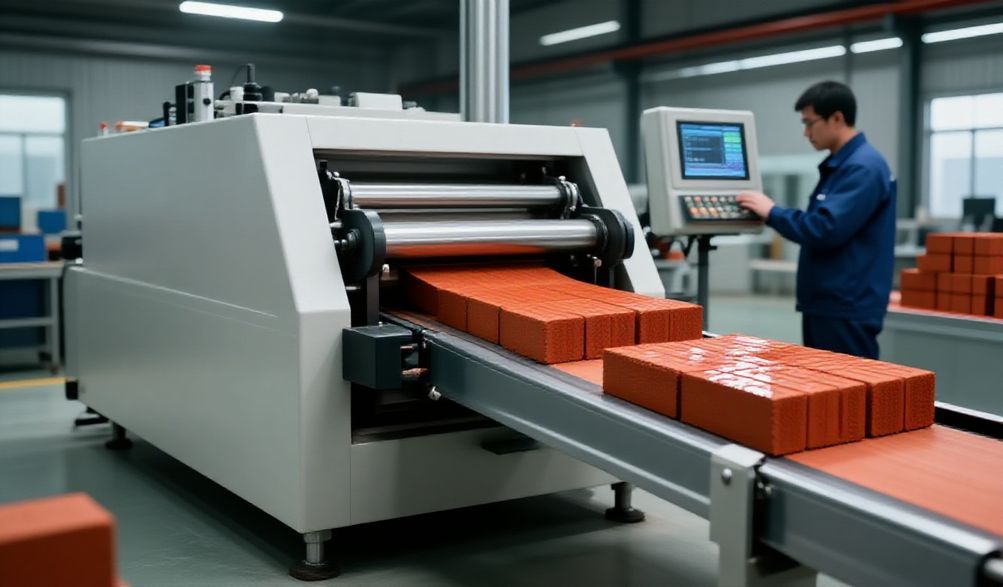
Ваше полное руководство по машинам для производства глиняного кирпича и выбору подходящего производителя
Введение
Инвестирование в линию по производству глиняного кирпича — это важное капитальное решение, которое может определить успех вашего строительного бизнеса, кирпичного завода или предпринимательского проекта на десятилетия вперед. Сердцем этого производства является станок для изготовления кирпича, а душой его долгосрочной работы — производитель, стоящий за ним.
Это всеобъемлющее руководство создано для специалистов в строительной отрасли, владельцев кирпичных заводов и предпринимателей, стремящихся инвестировать в надежное производство глиняного кирпича. Мы глубоко погружаемся в мир машин для производства глиняного кирпича, уделяя особое внимание тому, что отличает производителей высшего класса. Хотя мы ссылаемся на отраслевые стандарты и репутацию известных заводов, таких какФудаНаша цель — предоставить вам знания, необходимые для принятия обоснованного и уверенного решения о покупке, которое гарантирует продуктивность, качество и долгосрочную окупаемость инвестиций для вашего проекта.
Ориентироваться на рынке — это не просто сравнивать ценники. Это требует понимания инженерных принципов, производственных процессов и ключевых факторов, которые отличают надежных партнеров от простых поставщиков. Давайте начнем.
Понимание производства глиняного кирпича: основные процессы и оборудование
Прежде чем оценивать производителей, необходимо понять, что именно вы покупаете. Машина для производства глиняных кирпичей является частью сложной системы, предназначенной для превращения сырой земли в прочный, стандартизированный строительный блок.
Путь от сырой глины до готового кирпича
Современный процесс изготовления кирпича — это чудо инженерной мысли, который обычно включает следующие ключевые этапы:
- Подготовка глины:Сырую глину добывают, измельчают и просеивают, чтобы удалить камни и мусор. Затем её смешивают с водой и иногда с добавками (такими как песок или зола-унос), чтобы достичь идеальной пластичности и состава для формовки.
- Формование/Литьё:Это основная функция машины для производства кирпичей. Подготовленная глина под высоким давлением вдавливается в форму для формирования непрерывной колонны (экструзия) или отдельных кирпичей (прессование). Ключевым вспомогательным процессом здесь являетсядеаэрациякоторый удаляет воздушные карманы, чтобы значительно уменьшить растрескивание и повысить прочность кирпича.
- Сушка:Влажные, сформированные кирпичи (известные как "сырые кирпичи") тщательно сушат для удаления влаги. Это часто делается в контролируемых камерных сушилках, чтобы предотвратить деформацию или растрескивание из-за неравномерной потери влаги.
- Обжиг/Печь:Высушенные кирпичи обжигаются в печи при температуре от 900°C до 1200°C. Этот процесс приводит к остекловыванию глины, придавая кирпичам окончательную твёрдость, прочность, цвет и устойчивость к атмосферным воздействиям.
Типы машин для производства глиняных кирпичей
Выбор подходящего типа оборудования полностью зависит от ваших масштабов, бюджета и желаемого качества выпускаемой продукции.
-
Экструдеры против прессов:
- ЭкструдерыПропускают пластичную глину через фильеру для формирования непрерывной колонны, которую затем разрезают на отдельные кирпичи. Этот метод идеально подходит для массового производства полнотелых, пустотелых или перфорированных кирпичей и является отраслевым стандартом для большинства крупных заводов.
- Прессы(例如液压或机械压力机)在极大压力下将较少塑性的粘土压实到模具中。它们常用于生产高密度、轮廓分明的砖块(如铺路砖或耐火砖),并能处理种类更广泛的原材料。
-
Ручные, полуавтоматические и полностью автоматические машины:
- Ручные станки:Недорогие, малопроизводительные варианты, подходящие для очень мелкого или кустарного производства. Трудоемкие и нестабильные.
- Полуавтоматические станки:Сбалансированный выбор для малых и средних производств. Они автоматизируют основной процесс формования (например, экструзию и резку), но могут требовать ручного обращения для укладки или подачи.
- Полностью автоматические машины:Вершина эффективности. Эти системы объединяют подачу глины, формовку, резку, укладку, а иногда и паллетирование с помощью роботизированных манипуляторов. Они максимально увеличивают производительность, минимизируют трудозатраты и гарантируют стабильное качество. Именно здесь производители, такие какФудаи другие лидеры отрасли сосредотачивают свои инженерные усилия.
Ключевые компоненты машины, определяющие производительность
Качество машины складывается из ее частей. Тщательно проанализируйте эти компоненты:
* Миксер:Прочный двухвальный смеситель обеспечивает гомогенную и идеально увлажненную глину, что является основой для качественной экструзии.
* Экструдер & деаэрационная установкаСердце машины. Ищите мощный, износостойкий шнек и вакуумную камеру, обеспечивающую высокий уровень деаэрации (измеряемый вакуумным давлением, например, -0,092 МПа и выше).
* 切割工具;刀具;剪辑师Точная проволочная или групповая резка, создающая чистые, точные по размерам кирпичи без деформации мягкого глиняного столба.
* Система управления:Современный, удобный интерфейс ПЛК (программируемого логического контроллера) позволяет легко управлять, диагностировать и настраивать скорость, давление и длину реза.
Что определяет ведущего производителя оборудования для производства глиняного кирпича?
With the process understood, the critical question becomes: who do you trust to build this complex system? A leading manufacturer is defined by more than just a sales brochure.
Проверенный опыт и долголетие в отрасли
In heavy machinery, history matters. A manufacturer with decades of operation has:
* Encountered and solved countless technical challenges.
* Refined their designs through real-world feedback.
* Built a global portfolio of working installations. When researching a name like Фабрика по производству кирпича FUDA, their track record of delivered projects across different continents speaks directly to tested reliability and adaptability.
Engineering Expertise & R&D Investment
The best manufacturers are not just workshops; they are innovation hubs. Key indicators include:
* A dedicated R&D team focused on improving energy efficiency, automation, and ease of maintenance.
* Patents on unique machine components or processes.
* Continuous updates to machine lines, incorporating newer, more durable materials and smarter control systems.
Стандарты производства и контроль качества
The factory floor tells the true story. A top manufacturer will:
* Hold relevant international certifications (like ISO 9001 for quality management systems).
* Use premium, wear-resistant materials for critical components (e.g., Hardox steel for liners, high-grade alloys for augers).
* Employ rigorous in-house testing, including running machines under load before disassembly for shipping.
Comprehensive Service & Support
The machine’s purchase price is just the entry ticket. Long-term value comes from support.
* Установка и ввод в эксплуатацию: Do they provide expert engineers to supervise setup and ensure your plant runs from day one?
* Обучение: Comprehensive, hands-on training for your operators and maintenance staff is non-negotiable.
* Запчасти: A readily available, logically priced inventory of spare parts is crucial for minimizing costly downtime.
* Техническая поддержка Access to responsive, knowledgeable support via phone, email, or remote diagnostics.
Spotlight on Key Considerations for Your Investment
Armed with manufacturer criteria, you must now align it with your specific needs.
Оценка ваших производственных потребностей
Be precise. Ambiguity here leads to an undersized or inefficient investment.
* Выходная мощность: Calculate your required bricks per hour or per 8-hour shift. Factor in future growth.
* Brick Type & Versatility: Will you produce only standard solid bricks, or do you need to switch to perforated, hollow, or special shapes? Ensure the machine is adaptable.
* Сырье Share samples of your clay with the manufacturer. Its composition (shale, soft mud, etc.) directly affects machine recommendations.
* Power & Utility Requirements: Understand the total connected load (electricity) and any requirements for water or compressed air.
Total Cost of Ownership (TCO) Analysis
Look beyond the initial quote. The true cost includes:
* Потребление энергии An efficient drive system and well-designed extruder can save significant electricity costs over years of operation.
* Техническое обслуживание и запасные части: Machines built with quality components wear slower, and manufacturers with fair spare parts pricing reduce your ongoing OpEx.
* Machine Lifespan: A machine that runs reliably for 15+ years offers far better ROI than one that requires major overhauls after 5.
The Importance of Factory Visits & Client References
This is your most powerful due diligence tool.
* Factory Visit: Inspect the manufacturing facility. Observe the workflow, quality of welding, and housekeeping. Meet the engineering team.
* Client References: Insist on contacting 2-3 recent clients, preferably in a region similar to yours. Ask them about:
* Machine performance and uptime.
* Accuracy of the manufacturer’s claims.
* Responsiveness and effectiveness of after-sales service.
* Their overall опыт and satisfaction.
Ensuring a Successful Partnership with Your Manufacturer
The goal is a long-term partnership, not a one-time transaction. Set the stage for success.
Clear Communication & Customization Options
A good partner listens. They should ask detailed questions about your project and be willing to offer customized solutions, whether it’s a special die design, a unique brick size, or a specific plant layout. Their proposals should feel tailored, not generic.
Transparency in Quotations & Contracts
Scrutinize the quotation. It should clearly itemize:
* EXW/FOB/CIF pricing and responsibilities.
* A detailed scope of supply (every motor, cable, and tool included).
* Warranty terms (duration, what’s covered, and what’s excluded).
* Costs for installation, training, and commissioning if not included.
Post-Purchase Relationship
The relationship strengthens after payment. A trustworthy manufacturer will:
* Proactively check in during the first few months of operation.
* Have a system for you to easily order spare parts.
* Inform you of software updates or upgrade kits for your machine model in the future.
Frequently Asked Questions (FAQ)
Q: What is the typical lead time for a clay brick making machine from order to delivery?
A: Lead times vary significantly based on machine complexity and manufacturer backlog. For a standard automatic machine, expect 30-60 days for production after order confirmation, plus 30-45 days for sea shipping. Fully customized or large turnkey plants will take longer. Always get a written timeline estimate.
Q: Can a manufacturer like FUDA provide a complete turnkey plant solution, not just individual machines?
A: Reputable, established manufacturers often offer turnkey solutions. This includes plant design, all machinery (from crusher and mixer to the brick machine and stacker), kiln recommendations, installation, and commissioning. This single-point responsibility can streamline the entire project.
Q: How do I evaluate the energy efficiency of different clay brick machines?
A: Request the specific power rating (in kW) of the main drive motor and vacuum pump. Compare these figures for machines of similar output. Also, inquire about energy-saving features like variable frequency drives (VFDs) on motors, which match power consumption to the load, reducing waste.
Q: What kind of after-sales training is usually provided for operating and maintaining the equipment?
A: Comprehensive training should cover daily operation, routine maintenance (greasing, inspection), basic troubleshooting, and safety procedures. It typically involves both classroom instruction and hands-on practice at your installed plant, conducted by the commissioning engineers. Training manuals and video guides should also be provided.
Q: Are there machines suitable for small-scale startup operations that can be scaled up later?
A: Yes. Many manufacturers offer modular semi-automatic lines with a clear upgrade path. You might start with a core extruder and manual handling, then later add an automatic cutter, stacker, and palletizer. Discuss your growth vision upfront so the initial machine can be selected with future compatibility in mind.
Заключение
Choosing the right clay bricks making machine manufacturer is a strategic decision that impacts your operational efficiency and product quality for years. It is an investment in a partnership as much as in a piece of equipment.
Prioritize manufacturers who demonstrate deep экспертиза in engineering, a proven track record of опыт with successful global installations, and a commitment to надёжность through robust support, transparent dealings, and a client-first approach. The most reliable path to success is thorough research, including factory visits and direct conversations with existing customers.
Use this guide as a framework to ask the right questions. By doing so, you will find a manufacturing partner that truly aligns with your production goals and becomes a cornerstone of your growth vision.
<