
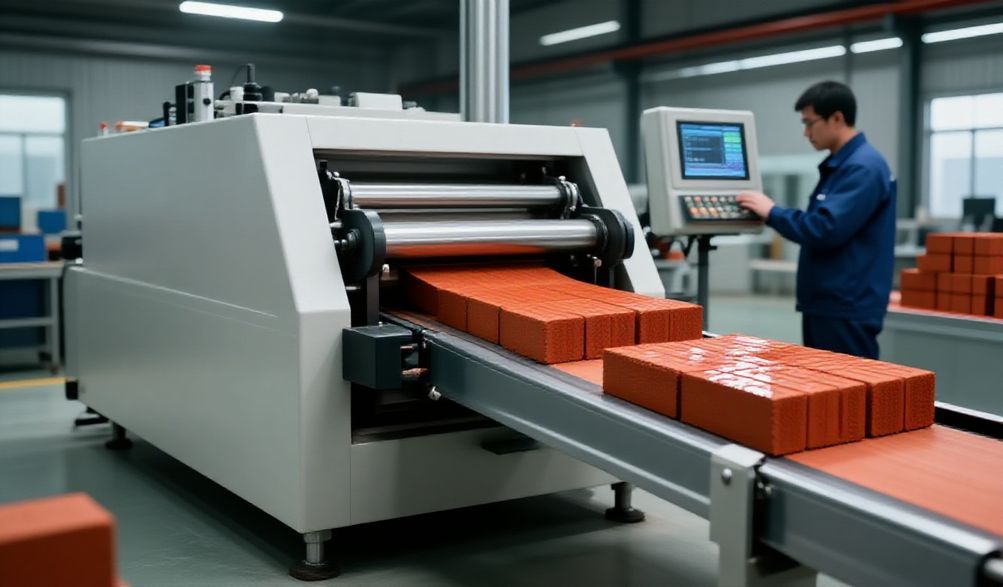
Ultima Ductor ad Machinas Laterum Fictilium Faciendas et Rectum Artificem Eligendum
Introductio
Collocatio in linea productionis laterum fictilium significans est capitale consilium quod successum negotiationis tuae aedificatoriae, officinae laterum, aut conatus mercatoris per decennia definire potest. Cor huius operationis est machina laterum faciendorum, et anima diuturnae eius efficacitatis est fabricator post eam.
Hic liber plenus est fabricatus ad artifices constructionis, dominos figlinarum laterum, et negotiatores qui certam laterum fictilium productionem inire volunt. Nos penitus in mundum machinarum laterum fictilium faciendorum descendimus, cum acri intuitu in id quod optimum artificem distinguit. Dum normas industriae et famam constitutarum officinarum sicutFudaPropositum nostrum est te instruere peritia ut certum ac deliberatum emptionis consilium capias, quod efficacitatem, qualitatem, et diuturnum reditum in vestrum inceptum praestet.
Mercatum peragrare plus requirit quam pretia taxatas comparare. Postulat intellectum principiorum machinalium, processuum productionis, et factorum criticorum qui socios probatos a mere suppeditatoribus secernunt. Incipiamus.
Intellectio Productionis Laterum Argillaceorum: Processus Nucleares et Machinae
Priusquam fabricatores aestimes, intellegere debes quid emas. Machina laterum fictilium fabricandorum pars est systematis elaborati, quod terram rudem in laterem durabilem et normatum convertit.
Iter a Crudo Luto ad Laterem Perfectum
Processus modernus laterum conficiendorum mirabile est industriae machinalis artificium, qui plerumque has gradus principales sequitur:
- Praeparatio Argillae:Argilla cruda effoditur, frangitur, et cribratur ut lapides et rudera removeantur. Tum aqua miscetur et interdum additamentis (ut harena vel cinis volaticus) ut plasticitas et compositio perfecta ad formandum efficiantur.
- Formans/Figurans:Haec est praecipua machinae laterariae functio. Praeparatum lutum sub magno pressu in formam impellitur, ut continuum agmen (extrusio) vel singulos lateres (pressura) efficiat. Hic processus subsidiarius praecipuus estexaeratioquae cava aeris tollit ut rimas admodum minuat et firmitatem laterum augeat.
- Siccatio:Lateres umidi formati (qui "lateres virides" vocantur) diligenter siccantur ut umorem auferant. Hoc saepe in siccatoriis cubiculis moderatis fit, ne ex inaequali umoris amissione torquantur vel rumpantur.
- Ignis/Caminus:Lateres siccati in fornace inter 900°C et 1200°C torrentur. Hic processus argillam vitrificat, eisque ultimam duritiem, firmitatem, colorem, et tempestatum patientiam praebet.
Genera Machinarum Laterum Fictilium Faciendorum
Eligendi genus machinae aptum totum ex tua mensura, sumptu, et qualitate effectus optata pendet.
-
Extrusores contra Pressuras:
- ExtrusoresArgillam plasticam per formam comprime ut continuum agmen formetur, quod deinde in singulos lateres secatur. Praestant ad magnam copiam laterum solidorum, perforatorum vel cavorum producendam et normam industriae in plurimis officinis magnis constituunt.
- Pressurae (like hydraulic or mechanical presses) compact less plastic clay into a mold under extreme pressure. They are often used for producing high-density, sharply defined bricks (like paving or refractory bricks) and can handle a wider variety of raw materials.
-
Manuale, Semi-Automatica, et Plene Automata Machina:
- Machina Manualia: Low-cost, low-output options suitable for very small-scale or artisanal production. Labor-intensive and inconsistent.
- Semiautomaticae Machinae: A balanced choice for small to medium operations. They automate the core forming process (like extrusion and cutting) but may require manual handling for stacking or feeding.
- Machinamenta Plena Automata: The pinnacle of efficiency. These systems integrate clay feeding, forming, cutting, stacking, and sometimes even palletizing with robotic arms. They maximize output, minimize labor, and ensure consistent quality. This is where manufacturers like Fuda and other industry leaders focus their engineering.
Key Machine Components That Define Performance
The quality of a machine is the sum of its parts. Scrutinize these components:
* Miscellator: A robust, double-shaft mixer ensures homogeneous and perfectly tempered clay, which is foundational for quality extrusion.
* Extruder & De-Airing Unit: The heart of the machine. Look for a powerful, wear-resistant auger and a vacuum chamber that achieves a high level of de-airing (measured in vacuum pressure, e.g., -0.092 MPa or better).
* Incīsor. A precision wire or gang cutter that creates clean, dimensionally accurate bricks without deforming the soft clay column.
* Systema Moderandi: A modern, user-friendly PLC (Programmable Logic Controller) interface allows for easy operation, troubleshooting, and adjustment of speed, pressure, and cutting length.
What Defines a Leading Clay Bricks Making Machine Manufacturer?
With the process understood, the critical question becomes: who do you trust to build this complex system? A leading manufacturer is defined by more than just a sales brochure.
Probata Experientia et Industria Longaevitas
In heavy machinery, history matters. A manufacturer with decades of operation has:
* Encountered and solved countless technical challenges.
* Refined their designs through real-world feedback.
* Built a global portfolio of working installations. When researching a name like FUDA lateris conficiendi officina, their track record of delivered projects across different continents speaks directly to tested reliability and adaptability.
Engineering Expertise & R&D Investment
The best manufacturers are not just workshops; they are innovation hubs. Key indicators include:
* A dedicated R&D team focused on improving energy efficiency, automation, and ease of maintenance.
* Patents on unique machine components or processes.
* Continuous updates to machine lines, incorporating newer, more durable materials and smarter control systems.
Normae Fabricationis et Moderatio Qualitatis
The factory floor tells the true story. A top manufacturer will:
* Hold relevant international certifications (like ISO 9001 for quality management systems).
* Use premium, wear-resistant materials for critical components (e.g., Hardox steel for liners, high-grade alloys for augers).
* Employ rigorous in-house testing, including running machines under load before disassembly for shipping.
Comprehensive Service & Support
The machine’s purchase price is just the entry ticket. Long-term value comes from support.
* Instalatio et Dedication: Do they provide expert engineers to supervise setup and ensure your plant runs from day one?
* Exercitatio. Comprehensive, hands-on training for your operators and maintenance staff is non-negotiable.
* Partes Suppetiales: A readily available, logically priced inventory of spare parts is crucial for minimizing costly downtime.
* Auxilium Technicum: Access to responsive, knowledgeable support via phone, email, or remote diagnostics.
Spotlight on Key Considerations for Your Investment
Armed with manufacturer criteria, you must now align it with your specific needs.
Tuas Necessitates Productionis Perpendens
Be precise. Ambiguity here leads to an undersized or inefficient investment.
* Output Capacitas: Calculate your required bricks per hour or per 8-hour shift. Factor in future growth.
* Brick Type & Versatility: Will you produce only standard solid bricks, or do you need to switch to perforated, hollow, or special shapes? Ensure the machine is adaptable.
* Materia Prima Share samples of your clay with the manufacturer. Its composition (shale, soft mud, etc.) directly affects machine recommendations.
* Power & Utility Requirements: Understand the total connected load (electricity) and any requirements for water or compressed air.
Total Cost of Ownership (TCO) Analysis
Look beyond the initial quote. The true cost includes:
* Energiae Consumptio: An efficient drive system and well-designed extruder can save significant electricity costs over years of operation.
* Sustentatio & Partes Subsidiae Machines built with quality components wear slower, and manufacturers with fair spare parts pricing reduce your ongoing OpEx.
* Machina Vita A machine that runs reliably for 15+ years offers far better ROI than one that requires major overhauls after 5.
The Importance of Factory Visits & Client References
This is your most powerful due diligence tool.
* Factory Visit: Inspect the manufacturing facility. Observe the workflow, quality of welding, and housekeeping. Meet the engineering team.
* Clientium Testimonia: Insist on contacting 2-3 recent clients, preferably in a region similar to yours. Ask them about:
* Machine performance and uptime.
* Accuracy of the manufacturer’s claims.
* Responsiveness and effectiveness of after-sales service.
* Their overall experientia and satisfaction.
Ensuring a Successful Partnership with Your Manufacturer
The goal is a long-term partnership, not a one-time transaction. Set the stage for success.
Clear Communication & Customization Options
A good partner listens. They should ask detailed questions about your project and be willing to offer customized solutions, whether it’s a special die design, a unique brick size, or a specific plant layout. Their proposals should feel tailored, not generic.
Transparency in Quotations & Contracts
Scrutinize the quotation. It should clearly itemize:
* EXW/FOB/CIF pricing and responsibilities.
* A detailed scope of supply (every motor, cable, and tool included).
* Warranty terms (duration, what’s covered, and what’s excluded).
* Costs for installation, training, and commissioning if not included.
Post-Purchase Relationship
The relationship strengthens after payment. A trustworthy manufacturer will:
* Proactively check in during the first few months of operation.
* Have a system for you to easily order spare parts.
* Inform you of software updates or upgrade kits for your machine model in the future.
Interrogationes Saepius Petitae (ISP)
Q: What is the typical lead time for a clay brick making machine from order to delivery?
A: Lead times vary significantly based on machine complexity and manufacturer backlog. For a standard automatic machine, expect 30-60 days for production after order confirmation, plus 30-45 days for sea shipping. Fully customized or large turnkey plants will take longer. Always get a written timeline estimate.
Q: Can a manufacturer like FUDA provide a complete turnkey plant solution, not just individual machines?
A: Reputable, established manufacturers often offer turnkey solutions. This includes plant design, all machinery (from crusher and mixer to the brick machine and stacker), kiln recommendations, installation, and commissioning. This single-point responsibility can streamline the entire project.
Q: How do I evaluate the energy efficiency of different clay brick machines?
A: Request the specific power rating (in kW) of the main drive motor and vacuum pump. Compare these figures for machines of similar output. Also, inquire about energy-saving features like variable frequency drives (VFDs) on motors, which match power consumption to the load, reducing waste.
Q: What kind of after-sales training is usually provided for operating and maintaining the equipment?
A: Comprehensive training should cover daily operation, routine maintenance (greasing, inspection), basic troubleshooting, and safety procedures. It typically involves both classroom instruction and hands-on practice at your installed plant, conducted by the commissioning engineers. Training manuals and video guides should also be provided.
Q: Are there machines suitable for small-scale startup operations that can be scaled up later?
A: Yes. Many manufacturers offer modular semi-automatic lines with a clear upgrade path. You might start with a core extruder and manual handling, then later add an automatic cutter, stacker, and palletizer. Discuss your growth vision upfront so the initial machine can be selected with future compatibility in mind.
Conclusio.
Choosing the right clay bricks making machine manufacturer is a strategic decision that impacts your operational efficiency and product quality for years. It is an investment in a partnership as much as in a piece of equipment.
Prioritize manufacturers who demonstrate deep peritia in engineering, a proven track record of experientia with successful global installations, and a commitment to fides through robust support, transparent dealings, and a client-first approach. The most reliable path to success is thorough research, including factory visits and direct conversations with existing customers.
Use this guide as a framework to ask the right questions. By doing so, you will find a manufacturing partner that truly aligns with your production goals and becomes a cornerstone of your growth vision.
<