
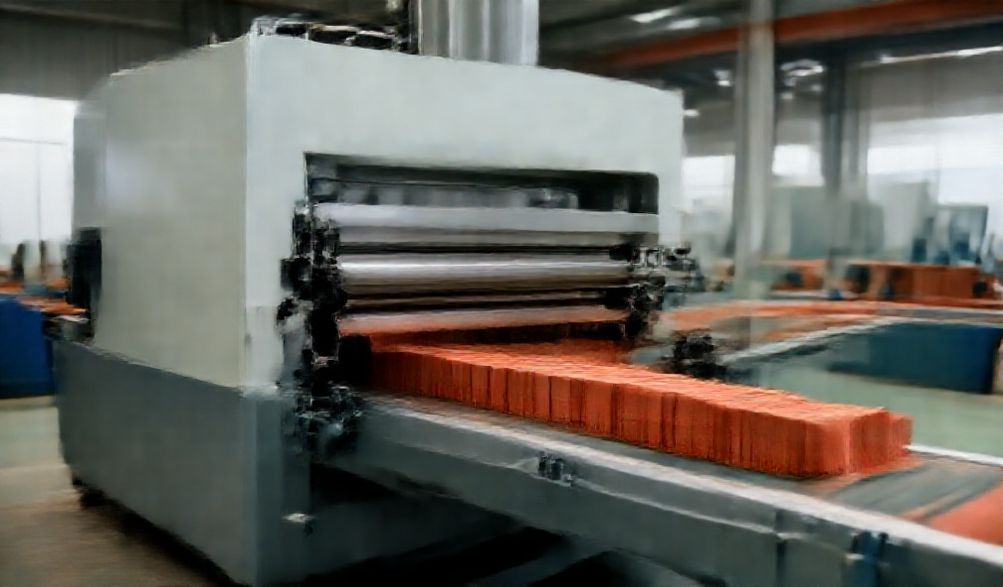
الدليل الشامل لآلات صنع الطوب الصلب في الصين: الجودة، التكلفة، وكيفية الاختيار
في عصر التحضر العالمي السريع وتطوير البنية التحتية، لم يسبق أن كان الطلب على مواد البناء المتينة والمعقولة التكلفة والمتاحة بسهولة أعلى من أي وقت مضى. وفي صميم سلسلة التوريد هذه يوجد مكون أساسي: الطوب الصلب. بالنسبة لرواد الأعمال وشركات البناء والحكومات التي تسعى إلى إنشاء أو توسيع إنتاج الطوب، أصبح مصدر الآلات واضحًا بشكل ساحق. فقد عززت الصين موقعها باعتبارها المركز الذي لا ينازع لتصنيع آلات صنع الطوب الصلب القوية والمبتكرة والفعالة من حيث التكلفة.
ومع ذلك، فإن التنقل في هذا السوق الواسع والديناميكي يمثل تحدياً كبيراً. المشهد مليء بالآلاف من المصنعين، تتراوح بين شركات هندسية عالمية المستوى وورش عمل أقل سمعة. يمكن أن تتحول الاختلافات في الجودة والسعر والشفافية والدعم ما بعد البيع من استثمار واعد إلى صداع مكلف. يخدم هذا الدليل كمرجع شامل بقيادة خبراء. سنقطع الضجيج، مستندين إلى رؤى صناعية عميقة وتحليل تقني وحكمة عملية في المشتريات، لتمكينك من اتخاذ قرار شراء مستنير وواثق وناجح. دعونا نبني تلك المعرفة من الأساس.
لماذا تهيمن الصين على سوق آلات صناعة الطوب الصلب
فهملماذاالصين تقود هذه الصناعة هي الخطوة الأولى للشراء بحكمة. هذا ليس من قبيل الصدفة؛ بل هو نتيجة عقود من التطور الاستراتيجي والتطور الصناعي.
إرث من النطاق والخبرة التصنيعية
لقب الصين "مصنع العالم" ينطبق بشكل خاص على الآلات الثقيلة. لأكثر من 30 عاماً، طورت البلاد أنظمة بيئية تصنيعية لا مثيل لها. في قطاع آلات الطوب، أدى ذلك إلى تشكيل تجمعات صناعية قوية في مقاطعات مثلشاندونغ، فوجيان، وخنان.
هذه المجموعات تخلق تأثيرًا تآزريًا قويًا. ففي منطقة جغرافية مكثفة، تجد:
* مصانع السباكة المتخصصة وموردي الصلب.
* مصنعو مكونات هيدروليكية وألواح كهربائية.
* ورش عمل متخصصة في القوالب والمكابس.
* مجموعة كبيرة من عمال اللحام المهرة، والفنيين، والمهندسين.
يقلل سلسلة التوريد المتكاملة هذه بشكل كبير من وقت الإنتاج والتكلفة، وفي الوقت نفسه تعزز بيئة من الابتكار المستمر والمنافسة بين المصنعين.
نسبة سعر إلى أداء لا تُقهر
غالبًا ما يكون هذا هو الجذب الأساسي للمشترين الدوليين، ولسبب وجيه. تقدم آلات صنع الطوب الصلب الصينية عادةً قيمة مقنعة يصعب مجاراتها.
ينبع التسعير التنافسي من:
* وفورات الحجم:توزع أحجام الإنتاج الضخمة التكاليف الثابتة (البحث والتطوير، والتجهيزات) على العديد من الوحدات.
* سلاسل التوريد المتكاملة:كما ذُكر، فإن الحصول على المكونات محليًا وبكفاءة يحافظ على انخفاض تكاليف المدخلات.
* عمالة ماهرة بأسعار تنافسيةتساهم القوى العاملة الكبيرة ذات المهارات التقنية ذات الصلة في خفض تكاليف التجميع.
من الضروري صياغة هذا بشكل صحيح: الأمر ليسفقطالأمر لا يتعلق فقط بأن تكون الأرخص. بل يتعلق بالوصول إلى مستوى من القدرات الآلية والأتمتة التي، عندما يتم الحصول عليها من أوروبا أو أمريكا الشمالية، غالبًا ما تأتي بسعر مميز يمكن أن يكون أعلى بمقدار مرتين إلى ثلاث مرات. لقد أتقن المصنعون الصينيون تقديم وظائف قوية بسعر في المتناول.
التقدم التكنولوجي والقدرة على التكيف
لقد ولت الأيام التي كان فيها "صنع في الصين" يعني تقليدًا أساسيًا للتكنولوجيا. إذ تقف الشركات المصنعة الصينية الرائدة في طليعة الابتكار في مجال آلات الطوب.
تتميز الآلات الحديثة الآن بشكل روتيني بـ:
* أنظمة PLC (أجهزة التحكم المنطقية القابلة للبرمجة)لتحقيق دورات تشغيل آلية ودقيقة وقابلة للتكرار.
* تصميمات موفرة للطاقة:دمج محركات السرعة المتغيرة وأنظمة الهيدروليك المُحسَّنة لتقليل استهلاك الطاقة، وهي تكلفة تشغيلية رئيسية.
* شبه الآلي والآلي الكاملمن التغذية الآلية للمواد وترتيب الطوب إلى التعامل الآلي مع المنصات، مما يقلل من احتياجات العمالة ويعزز السلامة.
علاوة على ذلك، أصبح المهندسون الصينيون خبراء فيالتخصيصيمكنهم تكييف تصميم الآلة للعمل بشكل مثالي مع المواد الخام المحلية الخاصة بك، سواء كانت طينًا أو رمادًا متطايرًا أو صخرًا زيتيًا أو خليطًا خرسانيًا، وإنتاج حجم الطوب وشكله وقوة ضغطه الدقيقة التي يتطلبها سوقك.
أنواع رئيسية من آلات صناعة الطوب الصلب من الصين
ليست كل آلات الطوب متساوية. نجاح مشروعك يعتمد على اختيار النوع المناسب من التكنولوجيا لاحتياجاتك. إليك تفصيل الفئات الرئيسية.
مكابس هيدروليكية (للطوب عالي الكثافة والدقة)
مبدأ العمل:تستخدم هذه الآلات نظام هيدروليكي عالي الضغط لضغط المواد الخام في قالب. يتم تطبيق الضغط بثبات ويمكن التحكم فيه بدقة.
- الأفضل لـ:إنتاج طوب صلب عالي القوة وموحد، وبلاطات عالية الجودة، وأحجار حواف، وكتل متشابكة حيث تكون الدقة والتشطيب المتفوق أمران بالغا الأهمية.
- مزايا:
- يُنتج طوبًا يتميز بكثافة ممتازة وقوة تحمل عالية.
- نهاية ناعمة ومتسقة على جميع وجوه الطوب.
- تشغيل أكثر هدوءًا بشكل عام مقارنة بالآلات الاهتزازية.
- عالية التنوع لمنتجات مختلفة مع تغيير القوالب.
- سلبيات:
- تكلفة استثمار أولية أعلى.
- قد يكون وقت الدورة أبطأ من الضغط الاهتزازي، مما قد يؤدي إلى إنتاجية ساعية أقل للطوب القياسي.
- The hydraulic system requires careful maintenance.
Vibratory Compaction Machines (For High-Volume Output)
مبدأ العمل: These machines use a combination of powerful vibration and mechanical pressure to compact material inside a mold. The vibration helps to remove air pockets and densely pack the material.
- الأفضل لـ: Large-scale production of standard solid clay or concrete bricks where high output volume is the primary goal.
- مزايا:
- Very high production speed (cycle time can be under 15 seconds).
- Rugged construction designed for 24/7 continuous operation.
- Often more straightforward mechanically than complex hydraulic systems.
- Highly effective for standard brick formats.
- سلبيات:
- Operation can be significantly noisier.
- Bricks may have slightly lower density and surface finish compared to top-tier hydraulic presses.
- More limited in producing highly intricate or large-format blocks.
Manual & Semi-Automatic Machines (For Small Business & Startups)
مبدأ العمل: These are simple, often lever-operated or small electrically-powered machines that require significant human intervention for material feeding, compaction, and brick ejection.
- الأفضل لـ: Entrepreneurs with low startup capital, very small-scale projects, community-based building initiatives, or areas with unreliable electricity.
- مزايا:
- Extremely low purchase cost.
- Simple to maintain and repair locally.
- Minimal or no power requirements for manual models.
- Portable and easy to set up.
- سلبيات:
- Very low output (often hundreds of bricks per day, not per hour).
- Labor-intensive and physically demanding.
- Brick quality is highly dependent on operator skill, leading to potential inconsistency.
The Essential Buyer’s Checklist: How to Select a Reliable Supplier
This is the most critical phase of your journey. Diligent supplier vetting is your primary shield against risk.
Verifying Manufacturer Credentials & Experience
Don’t take a website at face value. Conduct due diligence:
* Business License & Factory Audit: Insist on seeing their official business license (you can ask a local agent to verify it via China’s Administration for Industry and Commerce – AIC). A mandatory virtual factory tour via video call is non-negotiable. Look for organization, workflow, and the quality of work in progress.
* Industry Certifications: While not a guarantee, certifications like آيزو 9001(إدارة الجودة) وسي إي (for export to many markets) indicate a commitment to systematic processes and safety standards.
* Portfolio & Client References: Ask for detailed photos and videos of machines they have produced and installed. Most importantly, request contact information for 2-3 past international clients in a region similar to yours. Take the time to speak with them.
Assessing Machine Quality Beyond the Brochure
The specification sheet tells only part of the story. Drill down into the details:
* المكونات الأساسية: Specify and verify the brands of critical parts. For hydraulics, ask for Rexroth, Kawasaki, or Yuken. For PLCs, Siemens or Mitsubishi are top-tier. For molds, inquire about the grade and hardness of the steel used. A machine built with reputable components will last longer and perform better.
* Production Data & Testing: Request actual, verified production data (bricks per hour under specific conditions) and a brick quality report. The gold standard is to send a sample of your raw materials to the factory for them to conduct a live test and send you the resulting bricks for your own evaluation.
* Build Quality & Safety: During your video tour, look at weld quality (should be clean and even), the thickness of structural steel, and the presence of essential safety features like mechanical guards, emergency stop buttons, and electrical safety interlocks.
Understanding the Total Cost of Ownership (TCO)
The machine price is just the entry ticket. Smart buyers budget for the TCO:
* Cost Breakdown:
* Machine FOB Price
* Shipping, Insurance, and Logistics to your port
* Import Duties and Taxes (consult a local customs broker)
* Installation & Commissioning (by their engineer or a local technician)
* Initial Spare Parts Kit (at least 1-2% of machine cost)
* Operator & Maintenance Training
* After-Sales Service Agreement: This is your long-term safety net. The contract must clearly state:
* Warranty period (typically 12 months for parts, excluding wear items).
* Response time for technical support (e.g., 24-hour remote support via WhatsApp/Video).
* Spare parts pricing policy and guaranteed lead time for shipment.
* Terms for an engineer’s on-site visit (cost, duration, responsibilities).
* التكاليف التشغيلية: Calculate estimated energy consumption (kW per hour) and understand the routine maintenance schedule (daily greasing, weekly checks, etc.).
Navigating the Procurement Process: From Inquiry to Installation
A structured process prevents misunderstandings and ensures a smooth transaction.
Step 1: Detailed RFQ and Technical Communication
Start with a comprehensive Request for Quotation (RFQ). A good RFQ should include:
* Raw Material Analysis: Type, composition, moisture content, particle size.
* مواصفات الطوب: Desired final size, weight, density, and minimum compressive strength.
* Production Requirement: Target output (bricks per 8-hour shift).
* ظروف الموقع: Available power supply (voltage, phase), factory space, and ceiling height.
* Preferred Level of Automation: Manual feeding? Automatic stacking?
This clarity allows suppliers to provide accurate proposals and shows you are a serious buyer.
Step 2: Negotiation, Contract, and Payment Security
- Payment Terms: Standard terms are often 30% deposit via T/T (Telegraphic Transfer), 70% balance against copy of Bill of Lading. Consider using Escrow services (like Alibaba Trade Assurance) for added security, especially with new suppliers.
- The Contract: This must be detailed and in English. It should include, as appendices: Final Technical Specifications, Warranty Terms, Accepted Payment Terms, Delivery Schedule, and Penalty Clauses for late delivery or performance shortfalls. Do not proceed without a signed contract.
Step 3: Logistics, Customs Clearance, and Installation
- Shipping: Understand Incoterms. FOB (التسليم على ظهر السفينة) is common, where you control the main shipping and insurance. التكلفة والتأمين والشحن (CIF) means the supplier arranges it to your port. Using a reliable freight forwarder is highly recommended.
- Key Documents: Ensure you receive and check: Commercial Invoice, Packing List, Bill of Lading, Certificate of Origin, and any required manuals in advance.
- Installation: Clarify who is responsible. Will the supplier send an engineer (at whose cost?), or will they provide detailed installation manuals and video guides for your local team? On-site commissioning is invaluable for starting up correctly.
الأسئلة الشائعة (FAQ)
Q1: What is the typical price range for a China-made solid brick making machine?
أ: Prices vary dramatically based on type and automation. A small manual machine can start around 3,000 دولار – 8,000 دولار. A robust semi-automatic vibratory machine may range from $15,000 – $40,000. A fully automatic hydraulic production line with feeding and stacking systems can range from $50,000 to $150,000+. The key is to get detailed quotes based on your specific RFQ.
Q2: How can I ensure the machine quality without visiting China?
أ: A comprehensive virtual factory tour is essential. Furthermore, insist on a live performance test using a sample of your raw materials, which they should courier back to you. Request high-resolution videos of the machine in action for other clients, focusing on the operation, the bricks produced, and the final packing for shipment.
Q3: What is the lead time for production and delivery?
أ: For a standard model, production typically takes 20-35 days. Sea freight can add 30-45 days to major ports worldwide, plus time for customs clearance at your destination (5-10 days). For large, custom-designed lines, production can take 60-90 days. Always build buffer time into your project plan.
Q4: Do Chinese suppliers provide training and operational manuals?
أ: Reputable suppliers absolutely should. Your contract must stipulate the provision of clear English-language operation manuals, maintenance guides, electrical circuit diagrams, and parts lists. Basic training is often included—either via detailed videos, online sessions, or, preferably, from their engineer during on-site installation.
Q5: How do I handle machine breakdowns and spare parts?
أ: This underscores the importance of the after-sales agreement. Start by purchasing a recommended initial spare parts kit. For breakdowns, the supplier should first provide remote troubleshooting via video call. If a part is needed under warranty, they should ship it promptly. Post-warranty, you should have a clear process and price list for ordering spare parts. Building a good relationship with your supplier is key here.
خاتمة
Sourcing a solid brick making machine from China presents a tremendous opportunity: access to advanced, reliable, and highly customizable manufacturing technology at a value-driven price point. However, this opportunity is only fully realized through meticulous supplier vetting, clear technical communication, and a focus on building a partnership, not just making a one-time purchase.
Remember, the true measure of your investment is not the sticker price, but the التكلفة الإجمالية للملكية and the strength of the After-Sales Support behind it. By applying the insights from this guide—verifying credentials, understanding the technology, and managing the procurement process step-by-step—you transform from a hopeful buyer into an informed partner. You are now equipped to make a decision that will lay a solid, profitable foundation for your brick-making business for years to come.
<