
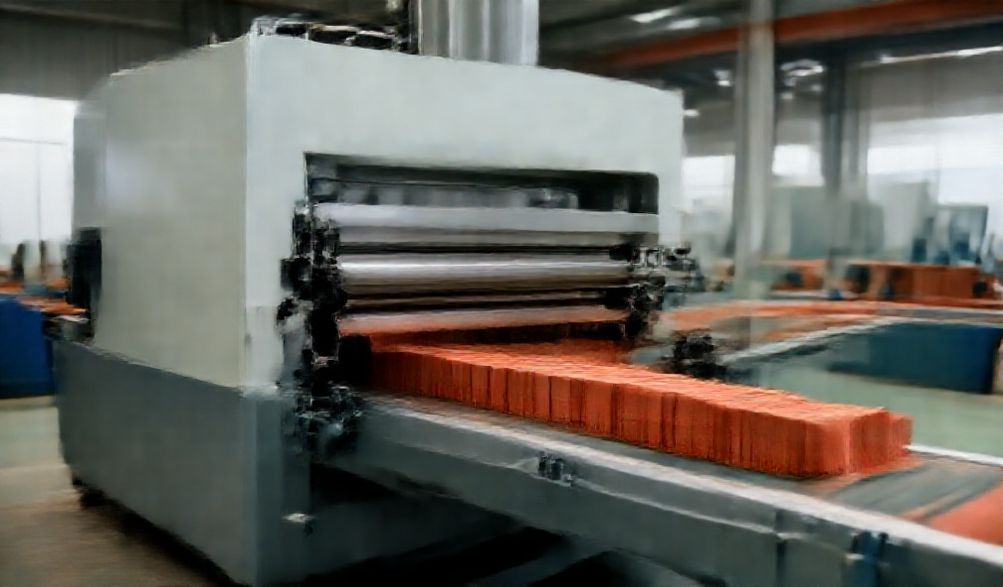
Gid Definitif pou Machin Fè Brik Solid nan Lachin: Kalite, Pri & Kijan Pou Chwazi
Nan yon epòk kote ibanizasyon ak devlopman enfrastrikti mondyal ap grandi rapidman, demann pou materyèl konstriksyon ki dirab, abòdab, ak fasil pou jwenn la pa janm pi wo. Nan nannan sik apwovizyòn sa a, gen yon eleman fondamantal: brik solid la. Pou antreprenè yo, konpayi konstriksyon yo, ak gouvènman yo k ap chèche etabli oswa elaji pwodiksyon brik, sous machin yo vin klèman idantifye. Lachin te solidman etabli pozisyon li kòm sant endispute pou fabrikasyon machin fè brik solid ki solid, inovatè, ak ki gen pri ki abòdab.
Sepandan, navige nan vaste mache dinamik sa a reprezante yon defi enpòtan. Peyizaj la ranpli ak dè milye de manifakti, soti nan konpayi jeni ki nan klas mondyal a atelye mwens repitab. Varyasyon nan kalite, pri, transparans, ak sipò apre lavant ka transfòme yon envestisman pwomèt an yon tèt fè mal koute chè. Gid sa a sèvi kòm resous konplè ou ki gide pa ekspè. Nou pral koupe bri a, tache sou pèspektiv pwofon endistri yo, analiz teknik, ak bon konprann pwokirasyon pratik pou bay ou kapasite pou pran yon desizyon acha enfòme, konfyan, ak siksè. Ann bati konesans sa a depi nan baz la.
Poukisa Lachin Domine Machin Brik Solid Mache a
KonprannpoukisaChin dirije endistri sa a se premye etap pou apwovizyone avèk bon konprann. Se pa yon kowensidans; se rezilta plizyè deseni devlopman estratejik ak evolisyon endistriyèl.
Yon Eritaj nan Echelle ak Ekspètiz Nan Manifakti
Tit "faktori mondyal" peyi Lachin an se yon deskripsyon ki byen apwopriye pou machin lou. Depi plis pase 30 ane, peyi a te devlope ekosistèm manifakti san parèy. Nan sektè machin brik, sa te mennen nan fòmasyon gwoup endistriyèl pwisan nan pwovens tankouShandong, Fujian, ak Henan.
Gwoup sa yo kreye yon sinèji pwisan. Nan yon zòn jeyografik konsantre, ou jwenn:
* Fonderi espesyalize ak founisè asye.
* Manifaktirè konpozan idwolik ak panno elektrik.
* Atelye ekspè pou mwazi ak kal.
* Yon gwo rezèv soude, monteur, ak enjenyè kalifye.
Chèn ekipman entegre sa a redwi drasticman tan ak pri pwodiksyon an, pandan l ap ankouraje yon anviwònman inovasyon kontinyèl ak konpetisyon ant manifaktirè yo.
Pri ki pa ka bat Rapò Pèfòmans
Sa se souvan premye atiran pou achtè entènasyonal yo, e ak bon rezon. Machin fè brik solid Chinwa yo anjeneral ofri yon pwopozisyon valè konvenkan ki difisil pou egalize.
Pri konpetitif yo soti nan:
* Ekonomi echèl:Volim pwodiksyon masif gaye depans fiks (R&D, ekipman) sou anpil inite.
* Chèn Ekipman Entegre:Jan sa a, fè apwovizyone konpozan lokalman ak efikasite kenbe depans antre yo ba.
* Main-d'œuvre Qualifiée à des Tarifs Compétitifs:Yon gwo fòs travay ki gen ladrès teknik ki enpòtan kontribye nan pi ba pri asanblaj.
Li enpòtan pou nou byen konprann sa: se pajisLi pa sèlman sou yo te pi bon mache. Li sou aksè a yon nivo kapasite machin ak otomatizasyon ki, lè yo sòti nan Ewòp oswa Amerik di Nò, souvan vini ak yon pri ki ka 2 a 3 fwa pi wo. Manifaktirè Chinwa yo te metrize bay fonksyonalite solid nan yon pò ki abòdab.
Avansman Teknolojik ak Adaptabilite
Lè lontan, "Fèt nan Lachin" te vle di teknoloji debaz ak imitatif. Kounye a, gwo manifaktirè Chinwa yo devan nan inovasyon pou machin brik.
Machin modèn yo kounye a genyen regilyèman:
* Sistèm PLC (Kontwolè Lojik Pwogramab):Pou sik operasyon otomatik, presi, ak repete.
* Desen Enerjetik Efikas:Enkòpore kondwi vitès varyab ak sistèm idwolik optimize pou redwi konsomasyon kouran—yon gwo depans operasyonèl.
* Otomatik Semi ak Otomatik Konplè:Soti nan materyèl otomatik manje ak brik anpile nan manyen palèt robotik, diminye bezwen travay ak amelyore sekirite.
Anplis de sa, enjenyè Chinwa yo te vin tounen ekspè nanpèsonalizasyonYo ka adapte konsepsyon yon machin pou li travay pi byen ak materyo lokal espesifik ou a, kit se ajil, sann volkanik, ajil pyè, oswa yon melanj beton, epi pou pwodwi egzakteman gwosè brik la, fòm li, ak fòs konpresif mache ou a mande.
Kalite Kle Machin pou Fè Brik Solid ki Soti nan Lachin
Pa tout machin brik yo kreye egalman. Siksè pwojè w la depann de chwa bon kalite teknoloji ki adapte ak bezwen ou yo. Men yon deskripsyon kategori prensipal yo.
Machin Pres Idwolik (Pou Brik Dansite Wo, Presizyon)
Prensip Fonksyonman:Machin sa yo itilize yon sistèm idwolik gwo presyon pou konprese materyèl prensipal yo nan yon mòl. Presyon an aplike fiks epi li ka kontwole avèk presizyon.
- Pi Bon Pou:Pwodwi brik solid ki gen gwo fòs ak inifòm, paveur ki gen bon jan kalite, wòch bò wout, ak blòk antre-loke kote presizyon ak fini siperyè yo enpòtan anpil.
- Avantaj:
- Pwodui brik ki gen yon dansite ak yon fòs konpresyon eksepsyonèl.
- Fini lis, konsistan sou tout sifas brik yo.
- Operasyon jeneralman pi silansye pase machin vibratwa yo.
- Trè adaptab pou diferan pwodwi ak chanjman mwazi.
- Desavantaj:
- Pri inisyal envestisman pi wo.
- Tan sik la ka pi dousman pase konpaksyon vibre, ki kapab bay pi ba pwodiksyon an èdtan pou brik estanda.
- Sistèm idwolik la mande pou antretyen atansyon.
Machin Konpaksyon Vibre (Pou Pwodiksyon Gwo Volim)
Prensip Fonksyonman:Machin sa yo itilize yon konbinezon de vibrasyon pwisan ak presyon mekanik pou konpakte materyèl andedan yon mòl. Vibrasyon an ede retire bul lè epi ranje materyèl la byen sere.
- Pi Bon Pou:Pwodiksyon an gwo echèl nan brik solid estanda an tè kwit oswa beton kote gwo volim pwodiksyon se objektif prensipal la.
- Avantaj:
- Vitès pwodiksyon trè wo (tan sik la ka mwens pase 15 segonn).
- Konstriksyon solid ki fèt pou opere san rete 24/7.
- Souvan pi senp mekanikman pase sistèm idwolik konplèks yo.
- Highly effective for standard brick formats.
- Desavantaj:
- Operation can be significantly noisier.
- Bricks may have slightly lower density and surface finish compared to top-tier hydraulic presses.
- More limited in producing highly intricate or large-format blocks.
Manual & Semi-Automatic Machines (For Small Business & Startups)
Prensip Fonksyonman: These are simple, often lever-operated or small electrically-powered machines that require significant human intervention for material feeding, compaction, and brick ejection.
- Pi Bon Pou: Entrepreneurs with low startup capital, very small-scale projects, community-based building initiatives, or areas with unreliable electricity.
- Avantaj:
- Extremely low purchase cost.
- Simple to maintain and repair locally.
- Minimal or no power requirements for manual models.
- Portable and easy to set up.
- Desavantaj:
- Very low output (often hundreds of bricks per day, not per hour).
- Labor-intensive and physically demanding.
- Brick quality is highly dependent on operator skill, leading to potential inconsistency.
The Essential Buyer’s Checklist: How to Select a Reliable Supplier
This is the most critical phase of your journey. Diligent supplier vetting is your primary shield against risk.
Verifying Manufacturer Credentials & Experience
Don’t take a website at face value. Conduct due diligence:
* Business License & Factory Audit: Insist on seeing their official business license (you can ask a local agent to verify it via China’s Administration for Industry and Commerce – AIC). A mandatory virtual factory tour via video call is non-negotiable. Look for organization, workflow, and the quality of work in progress.
* Sètifikasyon Endistri yo: While not a guarantee, certifications like ISO 9001(Jesyon Kalite) akCE (for export to many markets) indicate a commitment to systematic processes and safety standards.
* Portfolio & Client References: Ask for detailed photos and videos of machines they have produced and installed. Most importantly, request contact information for 2-3 past international clients in a region similar to yours. Take the time to speak with them.
Assessing Machine Quality Beyond the Brochure
The specification sheet tells only part of the story. Drill down into the details:
* Eleman Debaz: Specify and verify the brands of critical parts. For hydraulics, ask for Rexroth, Kawasaki, or Yuken. For PLCs, Siemens or Mitsubishi are top-tier. For molds, inquire about the grade and hardness of the steel used. A machine built with reputable components will last longer and perform better.
* Production Data & Testing: Request actual, verified production data (bricks per hour under specific conditions) and a brick quality report. The gold standard is to send a sample of your raw materials to the factory for them to conduct a live test and send you the resulting bricks for your own evaluation.
* Build Quality & Safety: During your video tour, look at weld quality (should be clean and even), the thickness of structural steel, and the presence of essential safety features like mechanical guards, emergency stop buttons, and electrical safety interlocks.
Understanding the Total Cost of Ownership (TCO)
The machine price is just the entry ticket. Smart buyers budget for the TCO:
* Cost Breakdown:
* Machine FOB Price
* Shipping, Insurance, and Logistics to your port
* Import Duties and Taxes (consult a local customs broker)
* Installation & Commissioning (by their engineer or a local technician)
* Initial Spare Parts Kit (at least 1-2% of machine cost)
* Operator & Maintenance Training
* After-Sales Service Agreement: This is your long-term safety net. The contract must clearly state:
* Warranty period (typically 12 months for parts, excluding wear items).
* Response time for technical support (e.g., 24-hour remote support via WhatsApp/Video).
* Spare parts pricing policy and guaranteed lead time for shipment.
* Terms for an engineer’s on-site visit (cost, duration, responsibilities).
* Depans Operasyonèl: Calculate estimated energy consumption (kW per hour) and understand the routine maintenance schedule (daily greasing, weekly checks, etc.).
Navigating the Procurement Process: From Inquiry to Installation
A structured process prevents misunderstandings and ensures a smooth transaction.
Step 1: Detailed RFQ and Technical Communication
Start with a comprehensive Request for Quotation (RFQ). A good RFQ should include:
* Raw Material Analysis: Type, composition, moisture content, particle size.
* Espesifikasyon brik yo: Desired final size, weight, density, and minimum compressive strength.
* Production Requirement: Target output (bricks per 8-hour shift).
* Kondisyon Sit la: Available power supply (voltage, phase), factory space, and ceiling height.
* Preferred Level of Automation: Manual feeding? Automatic stacking?
This clarity allows suppliers to provide accurate proposals and shows you are a serious buyer.
Step 2: Negotiation, Contract, and Payment Security
- Payment Terms: Standard terms are often 30% deposit via T/T (Telegraphic Transfer), 70% balance against copy of Bill of Lading. Consider using Escrow services (like Alibaba Trade Assurance) for added security, especially with new suppliers.
- The Contract: This must be detailed and in English. It should include, as appendices: Final Technical Specifications, Warranty Terms, Accepted Payment Terms, Delivery Schedule, and Penalty Clauses for late delivery or performance shortfalls. Do not proceed without a signed contract.
Step 3: Logistics, Customs Clearance, and Installation
- Shipping: Understand Incoterms. FOB (Lib sou Bato) is common, where you control the main shipping and insurance. CIF (Pri, Asirans, ak Fret) means the supplier arranges it to your port. Using a reliable freight forwarder is highly recommended.
- Key Documents: Ensure you receive and check: Commercial Invoice, Packing List, Bill of Lading, Certificate of Origin, and any required manuals in advance.
- Installation: Clarify who is responsible. Will the supplier send an engineer (at whose cost?), or will they provide detailed installation manuals and video guides for your local team? On-site commissioning is invaluable for starting up correctly.
Kesyon yo poze souvan (FAQ)
Q1: What is the typical price range for a China-made solid brick making machine?
A: Prices vary dramatically based on type and automation. A small manual machine can start around $3,000 – $8,000. A robust semi-automatic vibratory machine may range from $15,000 – $40,000. A fully automatic hydraulic production line with feeding and stacking systems can range from $50,000 to $150,000+. The key is to get detailed quotes based on your specific RFQ.
Q2: How can I ensure the machine quality without visiting China?
A: A comprehensive virtual factory tour is essential. Furthermore, insist on a live performance test using a sample of your raw materials, which they should courier back to you. Request high-resolution videos of the machine in action for other clients, focusing on the operation, the bricks produced, and the final packing for shipment.
Q3: What is the lead time for production and delivery?
A: For a standard model, production typically takes 20-35 days. Sea freight can add 30-45 jou to major ports worldwide, plus time for customs clearance at your destination (5-10 days). For large, custom-designed lines, production can take 60-90 days. Always build buffer time into your project plan.
Q4: Do Chinese suppliers provide training and operational manuals?
A: Reputable suppliers absolutely should. Your contract must stipulate the provision of clear English-language operation manuals, maintenance guides, electrical circuit diagrams, and parts lists. Basic training is often included—either via detailed videos, online sessions, or, preferably, from their engineer during on-site installation.
Q5: How do I handle machine breakdowns and spare parts?
A: This underscores the importance of the after-sales agreement. Start by purchasing a recommended initial spare parts kit. For breakdowns, the supplier should first provide remote troubleshooting via video call. If a part is needed under warranty, they should ship it promptly. Post-warranty, you should have a clear process and price list for ordering spare parts. Building a good relationship with your supplier is key here.
Konklizyon
Sourcing a solid brick making machine from China presents a tremendous opportunity: access to advanced, reliable, and highly customizable manufacturing technology at a value-driven price point. However, this opportunity is only fully realized through meticulous supplier vetting, clear technical communication, and a focus on building a partnership, not just making a one-time purchase.
Remember, the true measure of your investment is not the sticker price, but the Pri Total Posesyon and the strength of the After-Sales Support behind it. By applying the insights from this guide—verifying credentials, understanding the technology, and managing the procurement process step-by-step—you transform from a hopeful buyer into an informed partner. You are now equipped to make a decision that will lay a solid, profitable foundation for your brick-making business for years to come.
<