
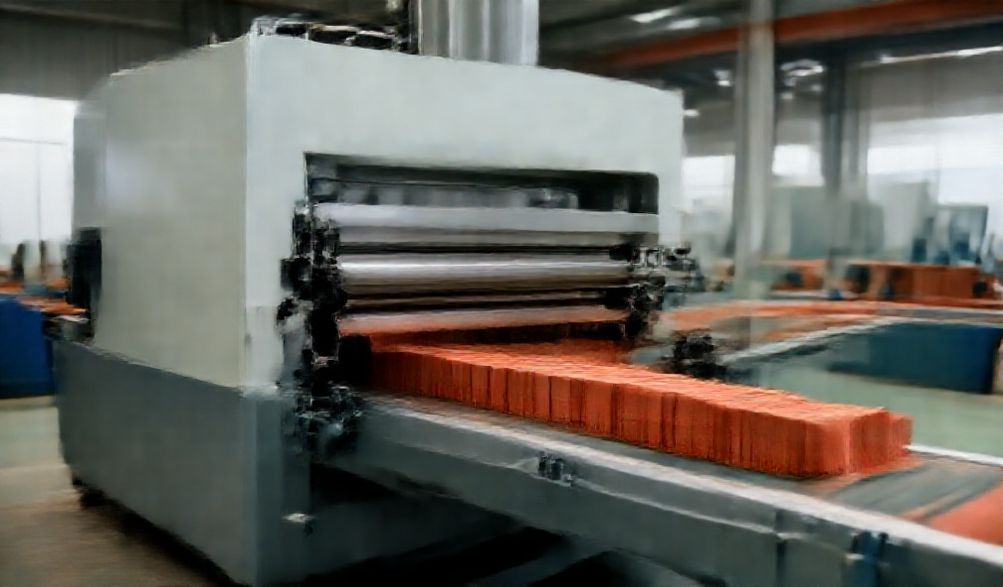
Jagorar Cikakke na Injin Yin Tubalin Kasa na China: Inganci, Farashi & Yadda Ake Zaba
A zamanin saurin bunkasar birane da ci gaban kayayyakin more rayuwa a duniya, bukatar kayan gini masu karko, masu araha, da samun su cikin sauki ba ta taba yin yawa kamar yadda take ba. A tsakiyar wannan sarkar samarwa akwai wani muhimmin bangare: bulo mai kauri. Ga 'yan kasuwa, kamfanonin gine-gine, da gwamnatocin da ke neman kafa ko fadada samar da bulo, tushen injinan ya zama a fili yake. Kasar Sin ta tabbatar da matsayinta a matsayin cibiyar kera ingantattun, na kirkire-kirkire, da na araha na injinan yin bulo mai kauri, ba wanda ya musanta hakan ba.
Duk da haka, kewaya wannan babbar kasuwa mai cike da sauye-sauye yana gabatar da babban kalubale. Yanayin kasuwan yana cike da dubban masana'antun, tun daga manyan kamfanonin injiniya har zuwa ƙananan shagunan da ba su da suna. Bambance-bambance a cikin inganci, farashi, bayyana gaskiya, da tallafin bayan siyarwa na iya juya wani kyakkyawan zuba jari zuwa wani tsada mai wahala. Wannan jagora yana aiki a matsayin cikakken albarkatunku na jagoranci na ƙwararru. Za mu yanke ta cikin hayaniyar, tare da dogaro da zurfin fahimtar masana'antu, nazarin fasaha, da hikimar sayayya mai amfani don ba ku ikon yin yanke shawara na siyayya cikin ilimi, kwarin gwiwa, da nasara. Bari mu gina wannan ilimin daga tushe.
Me Yasa Kasar Sin Ta Mamaye Kasuwar Injinan Tubalin Kankare
Fahimtame yasaKasar Sin ce ta jagoranci wannan masana'antu shine matakin farko na samun hanyoyin samun albarkatu da hikima. Ba hatsari ba ne; sakamakon ci gaba da dabaru da juyin halittar masana'antu na shekaru da yawa ne.
Gado na Girma da Ƙwarewa a Masana'antu
Kasar Sin ana kiranta da "masana'antar duniya" ya dace musamman ga manyan injina. Fiye da shekaru 30, kasar ta samar da tsarin masana'antu da ba a misaltu ba. A fannin injinan bulo, hakan ya haifar da samuwar manyan gungu na masana'antu a larduna kamarShandong, Fujian, da Henan.
Waɗannan tarukan suna haifar da haɗin gwiwa mai ƙarfi. A cikin wani yanki mai mahimmanci, za ka sami:
* Masana'antun narkewa da masu sayar da ƙarfe na musamman.
* Masana'antun kera na'urorin hydraulic da na'urorin lantarki.
* Kwararrun bitar gyare-gyare na ƙirar ƙira da matsi.
* Wani zurfin tafki na ƙwararrun masu walda, masu dacewa, da injiniyoyi.
Wannan haɗakar sarkar wadata tana rage lokacin samarwa da farashi sosai, yayin da take haɓaka yanayin ci gaba da ƙirƙira da gasa tsakanin masana'antun.
Matsakaicin Farashi-zuwa-Aiki Wanda Ba Za A Iya Doke Shi Ba
Wannan shi ne sau da yawa abin jan hankali na farko ga masu saye na ƙasashen waje, kuma da kyakkyawan dalili. Injinan yin bulo na ƙasa da ƙasa na kasar Sin yawanci suna ba da kyakkyawar ƙima wacce ke da wahala a yi kama da ita.
Farashin gasa ya samo asali daga:
* Tattalin Arzikin Sikel:Yawan samarwa yana rarraba farashin da aka tsara (bincike da haɓakawa, kayan aiki) a cikin raka'a da yawa.
* Tsarin Samar da Kayayyaki Haɗe-haɗe:Kamar yadda aka ambata, samun kayan aikin gida da inganci yana kiyaye farashin shigar da kaya ƙasa.
* Ƙwararrun Ma’aikata a Farashin GasarMa'aikata masu yawa masu ƙwarewar fasaha masu dacewa suna ba da gudummawa ga rage farashin haɗawa.
Yana da muhimmanci a tsara wannan daidai: bakawaigame da zama mafi arha. Yana game da samun damar amfani da na'ura mai iya aiki da kuma sarrafa kai ta atomatik wanda, idan aka samo daga Turai ko Arewacin Amurka, yakan zo da farashi mai tsada wanda zai iya kai sau 2 zuwa 3 mafi girma. Masana'antun China sun ƙware wajen isar da ingantaccen aiki a farashin da ake iya samu.
Ci Gaba da Fasaha da Dacewa
Babu sauran zamanin da "An yi shi a China" ke nufin fasaha ta asali, ta kwafin. Manyan masana'antun China suna kan gaba a cikin kirkire-kirkiren injinan bulo.
Kayan aikin zamani yanzu suna da siffofi na yau da kullum:
* Tsarin PLC (Na'urar Sarrafa Ma'ana Mai Tsarawa):Don aiki ta atomatik, daidai, da maimaitawa.
* Zane-zanen da ke da ƙarfin kuzari:Haɗa motocin saurin canzawa da ingantattun tsarin na'urorin ruwa don rage yawan amfani da wutar lantarki—wani babban farashi na aiki.
* Semi da Cikakken Kayan Aiki:Daga sarrafa kayan aiki ta atomatik da tara bulo zuwa sarrafa pallet na mutum-mutum, rage buƙatar ma'aikata da inganta aminci.
Bugu da ƙari, injiniyoyin Sinawa sun zama ƙwararru aKeɓancewaSuna iya daidaita ƙirar na'ura don yin aiki da kyau tare da takamaiman albarkatun gida, ko yumbu, toka mai tashi, shale, ko siminti, kuma don samar da daidai girman bulo, siffa, da ƙarfin matsi da kasuwarku ke buƙata.
Nau'ikan Manyan Injunan Yin Tubalin Daga China
Ba duk injinan bulo ba ne aka halicce su daidai. Nasarar aikin ku ta dogara ne da zaɓar daidai irin fasahar da kuke buƙata. Ga rarrabuwar manyan nau'ikan.
Injin Matse Matsi na Ruwa (Don Tubalin Mai Tsananin Ƙarfi, Daidaitaccen Ƙima)
Ka'idar Aiki:Waɗannan injinan suna amfani da tsarin injin ruwa mai matsi mai ƙarfi don matsawa kayan aiki zuwa wani ƙirar. Ana amfani da matsi a hankali kuma ana iya sarrafa shi daidai.
- Mafi Kyau Don:Samar da tubali mai ƙarfi, daidaitaccen tsari, manyan kwalaye na titi, duwatsu na gefen hanya, da tubalan haɗin kai inda daidaito da kyakkyawan gamawa suke da muhimmanci.
- Abubuwan da suka fi kyau:
- Yana samar da bulo mai kyakkyawan yawa da ƙarfin matsawa.
- Santsi mai santsi, mai daidaito akan dukkan fuskar bulo.
- Gabaɗaya yana da ƙarancin hayaniya fiye da injinan girgiza.
- Yana da amfani sosai don samfura daban-daban tare da canza gyare-gyare.
- Rashin Kyau:
- Babban farashin zuba jari na farko.
- Lokacin zagayowar na iya kasancewa a hankali fiye da takura mai girgiza, wanda zai iya haifar da ƙarancin fitarwa na sa'a don tubalin daidaitaccen.
- The hydraulic system requires careful maintenance.
Vibratory Compaction Machines (For High-Volume Output)
Ka'idar Aiki: These machines use a combination of powerful vibration and mechanical pressure to compact material inside a mold. The vibration helps to remove air pockets and densely pack the material.
- Mafi Kyau Don: Large-scale production of standard solid clay or concrete bricks where high output volume is the primary goal.
- Abubuwan da suka fi kyau:
- Very high production speed (cycle time can be under 15 seconds).
- Rugged construction designed for 24/7 continuous operation.
- Often more straightforward mechanically than complex hydraulic systems.
- Highly effective for standard brick formats.
- Rashin Kyau:
- Operation can be significantly noisier.
- Bricks may have slightly lower density and surface finish compared to top-tier hydraulic presses.
- More limited in producing highly intricate or large-format blocks.
Manual & Semi-Automatic Machines (For Small Business & Startups)
Ka'idar Aiki: These are simple, often lever-operated or small electrically-powered machines that require significant human intervention for material feeding, compaction, and brick ejection.
- Mafi Kyau Don: Entrepreneurs with low startup capital, very small-scale projects, community-based building initiatives, or areas with unreliable electricity.
- Abubuwan da suka fi kyau:
- Extremely low purchase cost.
- Simple to maintain and repair locally.
- Minimal or no power requirements for manual models.
- Portable and easy to set up.
- Rashin Kyau:
- Very low output (often hundreds of bricks per day, not per hour).
- Labor-intensive and physically demanding.
- Brick quality is highly dependent on operator skill, leading to potential inconsistency.
The Essential Buyer’s Checklist: How to Select a Reliable Supplier
This is the most critical phase of your journey. Diligent supplier vetting is your primary shield against risk.
Verifying Manufacturer Credentials & Experience
Don’t take a website at face value. Conduct due diligence:
* Business License & Factory Audit: Insist on seeing their official business license (you can ask a local agent to verify it via China’s Administration for Industry and Commerce – AIC). A mandatory virtual factory tour via video call is non-negotiable. Look for organization, workflow, and the quality of work in progress.
* Industry Certifications: While not a guarantee, certifications like ISO 9001(Kula da Ingancin Kayayyaki) daCE (for export to many markets) indicate a commitment to systematic processes and safety standards.
* Portfolio & Client References: Ask for detailed photos and videos of machines they have produced and installed. Most importantly, request contact information for 2-3 past international clients in a region similar to yours. Take the time to speak with them.
Assessing Machine Quality Beyond the Brochure
The specification sheet tells only part of the story. Drill down into the details:
* Abubuwan Tsakiya: Specify and verify the brands of critical parts. For hydraulics, ask for Rexroth, Kawasaki, or Yuken. For PLCs, Siemens or Mitsubishi are top-tier. For molds, inquire about the grade and hardness of the steel used. A machine built with reputable components will last longer and perform better.
* Production Data & Testing: Request actual, verified production data (bricks per hour under specific conditions) and a brick quality report. The gold standard is to send a sample of your raw materials to the factory for them to conduct a live test and send you the resulting bricks for your own evaluation.
* Build Quality & Safety: During your video tour, look at weld quality (should be clean and even), the thickness of structural steel, and the presence of essential safety features like mechanical guards, emergency stop buttons, and electrical safety interlocks.
Understanding the Total Cost of Ownership (TCO)
The machine price is just the entry ticket. Smart buyers budget for the TCO:
* Cost Breakdown:
* Machine FOB Price
* Shipping, Insurance, and Logistics to your port
* Import Duties and Taxes (consult a local customs broker)
* Installation & Commissioning (by their engineer or a local technician)
* Initial Spare Parts Kit (at least 1-2% of machine cost)
* Operator & Maintenance Training
* After-Sales Service Agreement: This is your long-term safety net. The contract must clearly state:
* Warranty period (typically 12 months for parts, excluding wear items).
* Response time for technical support (e.g., 24-hour remote support via WhatsApp/Video).
* Spare parts pricing policy and guaranteed lead time for shipment.
* Terms for an engineer’s on-site visit (cost, duration, responsibilities).
* Kudin Aiki: Calculate estimated energy consumption (kW per hour) and understand the routine maintenance schedule (daily greasing, weekly checks, etc.).
Navigating the Procurement Process: From Inquiry to Installation
A structured process prevents misunderstandings and ensures a smooth transaction.
Step 1: Detailed RFQ and Technical Communication
Start with a comprehensive Request for Quotation (RFQ). A good RFQ should include:
* Raw Material Analysis: Type, composition, moisture content, particle size.
* Ƙayyadaddun Tubali: Desired final size, weight, density, and minimum compressive strength.
* Production Requirement: Target output (bricks per 8-hour shift).
* Site Conditions: Available power supply (voltage, phase), factory space, and ceiling height.
* Preferred Level of Automation: Manual feeding? Automatic stacking?
This clarity allows suppliers to provide accurate proposals and shows you are a serious buyer.
Step 2: Negotiation, Contract, and Payment Security
- Payment Terms: Standard terms are often 30% deposit via T/T (Telegraphic Transfer), 70% balance against copy of Bill of Lading. Consider using Escrow services (like Alibaba Trade Assurance) for added security, especially with new suppliers.
- The Contract: This must be detailed and in English. It should include, as appendices: Final Technical Specifications, Warranty Terms, Accepted Payment Terms, Delivery Schedule, and Penalty Clauses for late delivery or performance shortfalls. Do not proceed without a signed contract.
Step 3: Logistics, Customs Clearance, and Installation
- Shipping: Understand Incoterms. FOB (Kyauta akan Jirgi) is common, where you control the main shipping and insurance. CIF (Cost, Insurance, and Freight) means the supplier arranges it to your port. Using a reliable freight forwarder is highly recommended.
- Key Documents: Ensure you receive and check: Commercial Invoice, Packing List, Bill of Lading, Certificate of Origin, and any required manuals in advance.
- Installation: Clarify who is responsible. Will the supplier send an engineer (at whose cost?), or will they provide detailed installation manuals and video guides for your local team? On-site commissioning is invaluable for starting up correctly.
Tambayoyin da ake yawan yi (FAQ)
Q1: What is the typical price range for a China-made solid brick making machine?
A: Prices vary dramatically based on type and automation. A small manual machine can start around $3,000 – $8,000. A robust semi-automatic vibratory machine may range from $15,000 – $40,000. A fully automatic hydraulic production line with feeding and stacking systems can range from $50,000 to $150,000+. The key is to get detailed quotes based on your specific RFQ.
Q2: How can I ensure the machine quality without visiting China?
A: A comprehensive virtual factory tour is essential. Furthermore, insist on a live performance test using a sample of your raw materials, which they should courier back to you. Request high-resolution videos of the machine in action for other clients, focusing on the operation, the bricks produced, and the final packing for shipment.
Q3: What is the lead time for production and delivery?
A: For a standard model, production typically takes 20-35 days. Sea freight can add 30-45 days to major ports worldwide, plus time for customs clearance at your destination (5-10 days). For large, custom-designed lines, production can take 60-90 days. Always build buffer time into your project plan.
Q4: Do Chinese suppliers provide training and operational manuals?
A: Reputable suppliers absolutely should. Your contract must stipulate the provision of clear English-language operation manuals, maintenance guides, electrical circuit diagrams, and parts lists. Basic training is often included—either via detailed videos, online sessions, or, preferably, from their engineer during on-site installation.
Q5: How do I handle machine breakdowns and spare parts?
A: This underscores the importance of the after-sales agreement. Start by purchasing a recommended initial spare parts kit. For breakdowns, the supplier should first provide remote troubleshooting via video call. If a part is needed under warranty, they should ship it promptly. Post-warranty, you should have a clear process and price list for ordering spare parts. Building a good relationship with your supplier is key here.
Ƙarshe
Sourcing a solid brick making machine from China presents a tremendous opportunity: access to advanced, reliable, and highly customizable manufacturing technology at a value-driven price point. However, this opportunity is only fully realized through meticulous supplier vetting, clear technical communication, and a focus on building a partnership, not just making a one-time purchase.
Remember, the true measure of your investment is not the sticker price, but the Farashin Mallaka Gabaɗaya and the strength of the After-Sales Support behind it. By applying the insights from this guide—verifying credentials, understanding the technology, and managing the procurement process step-by-step—you transform from a hopeful buyer into an informed partner. You are now equipped to make a decision that will lay a solid, profitable foundation for your brick-making business for years to come.
<