
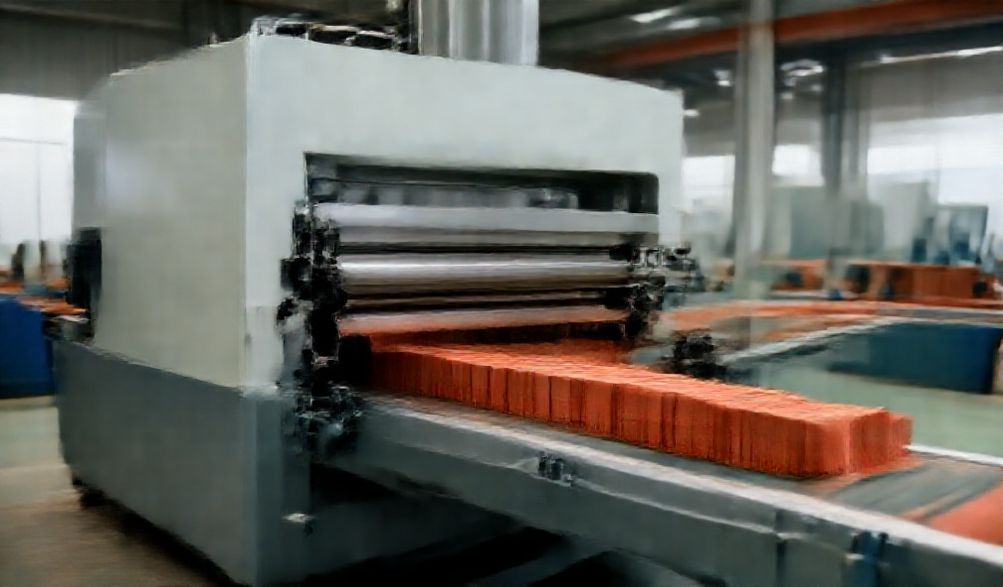
Қытайдың берік кірпіш жасау машиналарына арналған жетілдірілген нұсқаулық: Сапа, құн және қалай таңдау керек
Жылдам жаһандық қалаландыру және инфрақұрылымды дамыту дәуірінде берік, қолжетімді және оңай қол жетімді құрылыс материалдарына сұраныс ешқашан болмағандай жоғары. Осы жеткізу тізбегінің өзегінде негізгі құрамдас бөлік бар: қатты кірпіш. Кірпіш өндірісін құру немесе кеңейтуді көздейтін кәсіпкерлер, құрылыс компаниялары және үкіметтер үшін машина жабдықтарының көзі айқын болып отыр. Қытай берік, инновациялық және тиімді қатты кірпіш жасау машиналарын өндірудің сөзсіз эпицентрі ретінде орнын бекітті.
Дегенмен, осы кең және динамикалық нарықта бағдарлау маңызды сынды туғызады. Бұл ландшафт әлемдік деңгейдегі инженерлік фирмалардан бастап, беделсіз шеберханаларға дейін мыңдаған өндірушілерге толы. Сапа, баға, ашықтық және сатып алудан кейінгі қолдаудағы айырмашылықтар, перспективалы инвестицияны қымбат бас ауруына айналдыруы мүмкін. Бұл нұсқаулық сіздің жан-жақты, сарапшылар жетекшілік ететін ресурсыңыз болады. Біз шуға құламай, терең салалық түсініктерді, техникалық талдауды және практикалық сатып алу даналығын пайдалана отырып, сізге хабардар, сенімді және табысты сатып алу шешімін қабылдауға күш береміз. Білімді негізден бастап құрайық.
Қытайдың қатты кірпіш машиналары нарығын неліктен басым иеленетіні
ТүсінунегеҚытайдың бұл салада жетекшілік етуі дайындауды даналықпен жүргізудің бірінші қадамы. Бұл кездейсоқтық емес, ондаған жылдар бойы жүргізілген стратегиялық даму мен өнеркәсіптік эволюцияның нәтижесі.
Өндіріс көлемі мен сараптамасының мұрасы
Қытайдың «әлемдік зауыт» атағы ауыр машина жасау саласына ерекше сәйкес келеді. Соңғы 30 жылдан астам уақыт бойы ел өндірістің бәсекеге қабілетті экожүйелерін қалыптастырды. Кірпіш машиналары секторында бұл Шаньдун сияқты провинцияларда күшті өнеркәсіптік кластерлердің қалыптасуына әкелді.Шаньдун, Фуцзянь және Хэнань.
Бұл кластерлер күшті синергия жасайды. Шоғырланған географиялық аймақта сіз мынаны табасыз:
* Мамандандырылған құю зауыттары мен болат жеткізушілері.
* Гидравликалық компоненттер мен электрлік панельдерді өндірушілер.
* Сарапты қалыптар мен штамптар шеберханалары.
* Дағдылы дәнекерлеушілер, монтаждаушылар және инженерлердің терең қоры.
Бұл біріктірілген жеткізу тізбегі өндіріс уақыты мен шығындарын айтарлықтай қысқартып, сонымен қатар өндірушілер арасында үздіксіз инновациялар мен бәсекелестік ортасын қалыптастырады.
Үздіксіз Баға-Өнімділік Қатынасы
Бұл көбінесе халықаралық сатып алушылардың басты тартылыс нүктесі болып табылады және бұл жеткілікті себеппен. Қытайдың қатты кірпіш жасау станоктары әдетте бәсекелестікке төтеп бере алмайтын құнды ұсынысты ұсынады.
Бәсекелестік баға белгілеу мынадан туындайды:
* Өлшемдік үнемдеу:Өндіріс көлемінің үлкендігі тұрақты шығындарды (зерттеу-әзірлеу, құрал-жабдықтар) көптеген бірліктерге бөліп жібереді.
* Интеграцияланған жеткізу тізбектері:Жергілікті жерде және тиімді түрде компоненттерді тауып алу кіріс шығындарын төмен ұстайды.
* Бәсекеге қабілетті тарифтермен білікті жұмыс күші:Үйлесімді техникалық дағдылары бар үлкен жұмыс күші жинақтау шығындарын төмендетуге ықпал етеді.
Мұны дұрыс қалыптастыру өте маңызды: бұл емесжай --- **Translation Note:** The word "just" in English can have multiple meanings depending on context (e.g., "only," "fair," "recently," or as an intensifier). In Kazakh, the most common and neutral translation for "just" as a standalone word (often implying "only" or "simply") is "жай." However, without additional context, this is the most appropriate single-word translation.Бұл тек ең арзан болу туралы емес. Бұл машинаның мүмкіндіктері мен автоматтандыру деңгейіне қол жеткізу туралы, оны Еуропа немесе Солтүстік Америкадан алу кезінде жиі 2-3 есе жоғары бағамен бірге келеді. Қытай өндірушілері сенімді функционалдылықты қолжетімді бағамен ұсынуды меңгерді.
Технологиялық даму және бейімделу
"Қытай жасауы" бастапқы, көшірме технологияны білдіретін күндер өтті. Жетекші қытай өндірушілері кірпіш машиналары инновациясының алдыңғы қатарында тұр.
Қазіргі заманғы машиналарда келесілер тұрақты түрде қамтылады:
* PLC (Басқарылатын Логикалық Контроллер) Жүйелері:Автоматтандырылған, дәл және қайталанатын операциялық циклдар үшін.
* Энергияны үнемдейтін дизайндар:Айнымалы жылдамдықты жетектер мен оңтайландырылған гидравликалық жүйелерді енгізу арқылы электр энергиясын тұтынуды азайту – бұл негізгі операциялық шығындарды қысқартудың бір жолы.
* Жартылай және Толық Автоматтандыру:Автоматты материал беруден және кірпіш жинаудан бастап роботтық паллет өңдеуге дейін, еңбек қажеттілігін азайтып, қауіпсіздікті жақсартады.
Сонымен қатар, қытайлық инженерлер осы салада сарапшыларға айналды.жекдеуОлар машинаның дизайнын сіздің нақты жергілікті шикізатыңызға, мысалы саз, күл, тақтатас немесе бетон қоспасына бейімдеп, нарығыңыз қажет ететін кірпіштің дәл өлшемі, пішіні және қысу беріктігін өндіруге бейімдей алады.
Қытайдың қатты кірпіш жасау станоктарының негізгі түрлері
Барлық кірпіш машиналары бірдей емес. Жобаңыздың сәттілігі сіздің қажеттіліктеріңізге сәйкес келетін технологияны дұрыс таңдауға байланысты. Міне, негізгі санаттардың бөлінісі.
Гидравликалық прес машиналары (жоғары тығыздықтағы, дәлдіктегі кірпіштер үшін)
Жұмыс істеу принципі: These machines use a high-pressure hydraulic system to compress raw material into a mold. The pressure is applied steadily and can be precisely controlled.
- Үздік: Producing high-strength, uniform solid bricks, high-quality pavers, kerbstones, and interlocking blocks where precision and superior finish are critical.
- Артықшылықтары:
- Produces bricks with excellent density and compressive strength.
- Smooth, consistent finish on all brick faces.
- Generally quieter operation than vibratory machines.
- Highly versatile for different products with mold changes.
- Кемшіліктері:
- Higher initial investment cost.
- Cycle time can be slower than vibratory compaction, potentially yielding lower hourly output for standard bricks.
- The hydraulic system requires careful maintenance.
Vibratory Compaction Machines (For High-Volume Output)
Жұмыс істеу принципі: These machines use a combination of powerful vibration and mechanical pressure to compact material inside a mold. The vibration helps to remove air pockets and densely pack the material.
- Үздік: Large-scale production of standard solid clay or concrete bricks where high output volume is the primary goal.
- Артықшылықтары:
- Very high production speed (cycle time can be under 15 seconds).
- Rugged construction designed for 24/7 continuous operation.
- Often more straightforward mechanically than complex hydraulic systems.
- Highly effective for standard brick formats.
- Кемшіліктері:
- Operation can be significantly noisier.
- Bricks may have slightly lower density and surface finish compared to top-tier hydraulic presses.
- More limited in producing highly intricate or large-format blocks.
Manual & Semi-Automatic Machines (For Small Business & Startups)
Жұмыс істеу принципі: These are simple, often lever-operated or small electrically-powered machines that require significant human intervention for material feeding, compaction, and brick ejection.
- Үздік: Entrepreneurs with low startup capital, very small-scale projects, community-based building initiatives, or areas with unreliable electricity.
- Артықшылықтары:
- Extremely low purchase cost.
- Simple to maintain and repair locally.
- Minimal or no power requirements for manual models.
- Portable and easy to set up.
- Кемшіліктері:
- Very low output (often hundreds of bricks per day, not per hour).
- Labor-intensive and physically demanding.
- Brick quality is highly dependent on operator skill, leading to potential inconsistency.
The Essential Buyer’s Checklist: How to Select a Reliable Supplier
This is the most critical phase of your journey. Diligent supplier vetting is your primary shield against risk.
Verifying Manufacturer Credentials & Experience
Don’t take a website at face value. Conduct due diligence:
* Business License & Factory Audit: Insist on seeing their official business license (you can ask a local agent to verify it via China’s Administration for Industry and Commerce – AIC). A mandatory virtual factory tour via video call is non-negotiable. Look for organization, workflow, and the quality of work in progress.
* Өнеркәсіптік сертификаттау: While not a guarantee, certifications like ISO 9001(Сапаны басқару) жәнеCE (for export to many markets) indicate a commitment to systematic processes and safety standards.
* Portfolio & Client References: Ask for detailed photos and videos of machines they have produced and installed. Most importantly, request contact information for 2-3 past international clients in a region similar to yours. Take the time to speak with them.
Assessing Machine Quality Beyond the Brochure
The specification sheet tells only part of the story. Drill down into the details:
* Негізгі компоненттер: Specify and verify the brands of critical parts. For hydraulics, ask for Rexroth, Kawasaki, or Yuken. For PLCs, Siemens or Mitsubishi are top-tier. For molds, inquire about the grade and hardness of the steel used. A machine built with reputable components will last longer and perform better.
* Production Data & Testing: Request actual, verified production data (bricks per hour under specific conditions) and a brick quality report. The gold standard is to send a sample of your raw materials to the factory for them to conduct a live test and send you the resulting bricks for your own evaluation.
* Build Quality & Safety: During your video tour, look at weld quality (should be clean and even), the thickness of structural steel, and the presence of essential safety features like mechanical guards, emergency stop buttons, and electrical safety interlocks.
Understanding the Total Cost of Ownership (TCO)
The machine price is just the entry ticket. Smart buyers budget for the TCO:
* Cost Breakdown:
* Machine FOB Price
* Shipping, Insurance, and Logistics to your port
* Import Duties and Taxes (consult a local customs broker)
* Installation & Commissioning (by their engineer or a local technician)
* Initial Spare Parts Kit (at least 1-2% of machine cost)
* Operator & Maintenance Training
* After-Sales Service Agreement: This is your long-term safety net. The contract must clearly state:
* Warranty period (typically 12 months for parts, excluding wear items).
* Response time for technical support (e.g., 24-hour remote support via WhatsApp/Video).
* Spare parts pricing policy and guaranteed lead time for shipment.
* Terms for an engineer’s on-site visit (cost, duration, responsibilities).
* Операциялық шығындар: Calculate estimated energy consumption (kW per hour) and understand the routine maintenance schedule (daily greasing, weekly checks, etc.).
Navigating the Procurement Process: From Inquiry to Installation
A structured process prevents misunderstandings and ensures a smooth transaction.
Step 1: Detailed RFQ and Technical Communication
Start with a comprehensive Request for Quotation (RFQ). A good RFQ should include:
* Raw Material Analysis: Type, composition, moisture content, particle size.
* Кірпіш сипаттамалары: Desired final size, weight, density, and minimum compressive strength.
* Production Requirement: Target output (bricks per 8-hour shift).
* Site Conditions: Available power supply (voltage, phase), factory space, and ceiling height.
* Preferred Level of Automation: Manual feeding? Automatic stacking?
This clarity allows suppliers to provide accurate proposals and shows you are a serious buyer.
Step 2: Negotiation, Contract, and Payment Security
- Payment Terms: Standard terms are often 30% deposit via T/T (Telegraphic Transfer), 70% balance against copy of Bill of Lading. Consider using Escrow services (like Alibaba Trade Assurance) for added security, especially with new suppliers.
- The Contract: This must be detailed and in English. It should include, as appendices: Final Technical Specifications, Warranty Terms, Accepted Payment Terms, Delivery Schedule, and Penalty Clauses for late delivery or performance shortfalls. Do not proceed without a signed contract.
Step 3: Logistics, Customs Clearance, and Installation
- Shipping: Understand Incoterms. FOB (Free On Board) is common, where you control the main shipping and insurance. CIF (Cost, Insurance, and Freight) means the supplier arranges it to your port. Using a reliable freight forwarder is highly recommended.
- Key Documents: Ensure you receive and check: Commercial Invoice, Packing List, Bill of Lading, Certificate of Origin, and any required manuals in advance.
- Installation: Clarify who is responsible. Will the supplier send an engineer (at whose cost?), or will they provide detailed installation manuals and video guides for your local team? On-site commissioning is invaluable for starting up correctly.
Жиі қойылатын сұрақтар (ЖҚС)
Q1: What is the typical price range for a China-made solid brick making machine?
A: Prices vary dramatically based on type and automation. A small manual machine can start around $3,000 – $8,000. A robust semi-automatic vibratory machine may range from 15 000 – 40 000 АҚШ доллары. A fully automatic hydraulic production line with feeding and stacking systems can range from $50,000 to $150,000+. The key is to get detailed quotes based on your specific RFQ.
Q2: How can I ensure the machine quality without visiting China?
A: A comprehensive virtual factory tour is essential. Furthermore, insist on a live performance test using a sample of your raw materials, which they should courier back to you. Request high-resolution videos of the machine in action for other clients, focusing on the operation, the bricks produced, and the final packing for shipment.
Q3: What is the lead time for production and delivery?
A: For a standard model, production typically takes 20-35 days. Sea freight can add 30-45 days to major ports worldwide, plus time for customs clearance at your destination (5-10 days). For large, custom-designed lines, production can take 60-90 days. Always build buffer time into your project plan.
Q4: Do Chinese suppliers provide training and operational manuals?
A: Reputable suppliers absolutely should. Your contract must stipulate the provision of clear English-language operation manuals, maintenance guides, electrical circuit diagrams, and parts lists. Basic training is often included—either via detailed videos, online sessions, or, preferably, from their engineer during on-site installation.
Q5: How do I handle machine breakdowns and spare parts?
A: This underscores the importance of the after-sales agreement. Start by purchasing a recommended initial spare parts kit. For breakdowns, the supplier should first provide remote troubleshooting via video call. If a part is needed under warranty, they should ship it promptly. Post-warranty, you should have a clear process and price list for ordering spare parts. Building a good relationship with your supplier is key here.
Қорытынды
Sourcing a solid brick making machine from China presents a tremendous opportunity: access to advanced, reliable, and highly customizable manufacturing technology at a value-driven price point. However, this opportunity is only fully realized through meticulous supplier vetting, clear technical communication, and a focus on building a partnership, not just making a one-time purchase.
Remember, the true measure of your investment is not the sticker price, but the Иелік құнының жалпы сомасы and the strength of the After-Sales Support behind it. By applying the insights from this guide—verifying credentials, understanding the technology, and managing the procurement process step-by-step—you transform from a hopeful buyer into an informed partner. You are now equipped to make a decision that will lay a solid, profitable foundation for your brick-making business for years to come.
<