
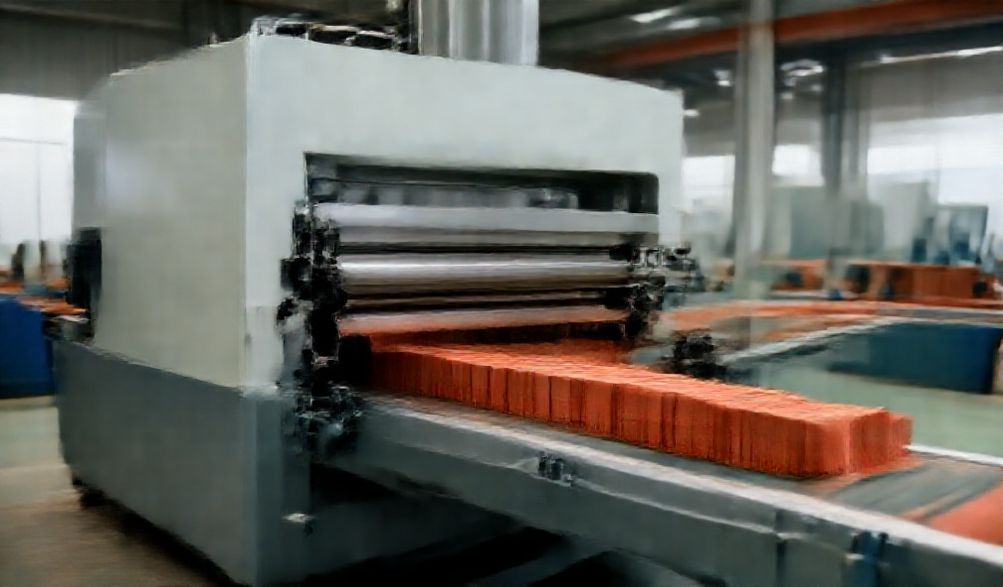
La Guía Definitiva de las Máquinas para Hacer Ladrillos Macizos en China: Calidad, Costo y Cómo Elegir
En una era de rápida urbanización global y desarrollo de infraestructuras, la demanda de materiales de construcción duraderos, asequibles y fácilmente disponibles nunca ha sido mayor. En el centro de esta cadena de suministro se encuentra un componente fundamental: el ladrillo macizo. Para los empresarios, las compañías constructoras y los gobiernos que buscan establecer o expandir la producción de ladrillos, la fuente de maquinaria se ha vuelto abrumadoramente clara. China ha consolidado su posición como el epicentro indiscutible de la fabricación de maquinaria robusta, innovadora y rentable para la producción de ladrillos macizos.
Sin embargo, navegar por este vasto y dinámico mercado presenta un desafío significativo. El panorama está lleno de miles de fabricantes, que van desde empresas de ingeniería de clase mundial hasta talleres menos reputados. Las variaciones en calidad, precio, transparencia y soporte postventa pueden convertir una inversión prometedora en un dolor de cabeza costoso. Esta guía sirve como su recurso integral, dirigido por expertos. Atravesaremos el ruido, basándonos en profundos conocimientos de la industria, análisis técnico y sabiduría práctica de adquisiciones, para capacitarlo a tomar una decisión de compra informada, segura y exitosa. Construyamos ese conocimiento desde cero.
Por qué China domina el mercado de máquinas para fabricar ladrillos macizos
Comprensión¿Por qué?China lidera esta industria, lo cual es el primer paso para abastecerse de manera inteligente. No es una coincidencia; es el resultado de décadas de desarrollo estratégico y evolución industrial.
Un Legado de Escala y Experiencia en la Manufactura
El título de China como la "fábrica del mundo" es especialmente acertado en cuanto a maquinaria pesada. Durante más de 30 años, el país ha desarrollado ecosistemas de fabricación sin parangón. En el sector de maquinaria para ladrillos, esto ha llevado a la formación de poderosos conglomerados industriales en provincias comoShandong, Fujian y Henan..
Estos grupos crean una poderosa sinergia. Dentro de un área geográfica concentrada, encuentras:
* Fundiciones especializadas y proveedores de acero.
* Fabricantes de componentes hidráulicos y paneles eléctricos.
* Talleres expertos en moldes y troqueles.
* Un amplio grupo de soldadores, montadores e ingenieros cualificados.
Esta cadena de suministro integrada reduce drásticamente el tiempo y el costo de producción, al tiempo que fomenta un entorno de innovación continua y competencia entre los fabricantes.
Relación Precio-Rendimiento Imbatible
Esto suele ser el principal atractivo para los compradores internacionales, y con buena razón. Las máquinas chinas para fabricar ladrillos macizos suelen ofrecer una propuesta de valor convincente que es difícil de igualar.
La fijación competitiva de precios se deriva de:
* Economías de Escala:Los volúmenes de producción masiva distribuyen los costos fijos (I+D, herramientas) entre muchas unidades.
* Cadenas de Suministro Integradas:Como se mencionó, obtener componentes localmente y de manera eficiente mantiene bajos los costos de insumos.
* Mano de Obra Calificada a Precios Competitivos:Una gran fuerza laboral con habilidades técnicas relevantes contribuye a reducir los costos de ensamblaje.
Es crucial enmarcar esto correctamente: no essoloNo se trata de ser el más barato. Se trata de acceder a un nivel de capacidad de máquina y automatización que, cuando se obtiene de Europa o América del Norte, suele venir con una prima que puede ser de 2 a 3 veces mayor. Los fabricantes chinos han dominado la entrega de una funcionalidad robusta a un precio accesible.
Avance Tecnológico y Adaptabilidad
Ya pasaron los días en que "Hecho en China" implicaba tecnología básica y de imitación. Los principales fabricantes chinos están a la vanguardia de la innovación en máquinas de ladrillos.
Las máquinas modernas ahora incluyen de forma rutinaria:
* Sistemas PLC (Controlador Lógico Programmable):Para ciclos de operación automatizados, precisos y repetibles.
* Diseños de Eficiencia Energética:Incorporando variadores de velocidad y sistemas hidráulicos optimizados para reducir el consumo de energía, un costo operativo importante.
* Semi y Automatización Total:Desde la alimentación automática de materiales y el apilado de ladrillos hasta el manejo robótico de paletas, reduciendo las necesidades de mano de obra y mejorando la seguridad.
Además, los ingenieros chinos se han convertido en expertos enpersonalizaciónPueden adaptar el diseño de una máquina para que funcione óptimamente con sus materias primas locales específicas, ya sea arcilla, cenizas volantes, esquisto o una mezcla de concreto, y para producir el tamaño exacto, la forma y la resistencia a la compresión del ladrillo que su mercado requiere.
Principales Tipos de Máquinas para Fabricar Ladrillos Sólidos de China
No todas las máquinas de ladrillos son iguales. El éxito de tu proyecto depende de seleccionar el tipo de tecnología adecuado para tus necesidades. Aquí tienes un desglose de las principales categorías.
Prensas Hidráulicas (Para Ladrillos de Alta Densidad y Precisión)
Principio de funcionamiento:Estas máquinas utilizan un sistema hidráulico de alta presión para comprimir material crudo en un molde. La presión se aplica de manera constante y puede controlarse con precisión.
- Mejor Para:Produciendo ladrillos sólidos de alta resistencia y uniformidad, adoquines de alta calidad, bordillos y bloques de enclavamiento donde la precisión y el acabado superior son críticos.
- Pros:
- Produce ladrillos con excelente densidad y resistencia a la compresión.
- Acabado liso y uniforme en todas las caras del ladrillo.
- Operación generalmente más silenciosa que las máquinas vibratorias.
- Altamente versátil para diferentes productos con cambios de molde.
- Contras:
- Costo inicial de inversión más alto.
- El tiempo de ciclo puede ser más lento que la compactación por vibración, lo que potencialmente resulta en una producción horaria más baja para los ladrillos estándar.
- El sistema hidráulico requiere un mantenimiento cuidadoso.
Vibratory Compaction Machines (For High-Volume Output)
Principio de funcionamiento: These machines use a combination of powerful vibration and mechanical pressure to compact material inside a mold. The vibration helps to remove air pockets and densely pack the material.
- Mejor Para: Large-scale production of standard solid clay or concrete bricks where high output volume is the primary goal.
- Pros:
- Very high production speed (cycle time can be under 15 seconds).
- Rugged construction designed for 24/7 continuous operation.
- Often more straightforward mechanically than complex hydraulic systems.
- Highly effective for standard brick formats.
- Contras:
- Operation can be significantly noisier.
- Bricks may have slightly lower density and surface finish compared to top-tier hydraulic presses.
- More limited in producing highly intricate or large-format blocks.
Manual & Semi-Automatic Machines (For Small Business & Startups)
Principio de funcionamiento: These are simple, often lever-operated or small electrically-powered machines that require significant human intervention for material feeding, compaction, and brick ejection.
- Mejor Para: Entrepreneurs with low startup capital, very small-scale projects, community-based building initiatives, or areas with unreliable electricity.
- Pros:
- Extremely low purchase cost.
- Simple to maintain and repair locally.
- Minimal or no power requirements for manual models.
- Portable and easy to set up.
- Contras:
- Very low output (often hundreds of bricks per day, not per hour).
- Labor-intensive and physically demanding.
- Brick quality is highly dependent on operator skill, leading to potential inconsistency.
The Essential Buyer’s Checklist: How to Select a Reliable Supplier
This is the most critical phase of your journey. Diligent supplier vetting is your primary shield against risk.
Verifying Manufacturer Credentials & Experience
Don’t take a website at face value. Conduct due diligence:
* Business License & Factory Audit: Insist on seeing their official business license (you can ask a local agent to verify it via China’s Administration for Industry and Commerce – AIC). A mandatory virtual factory tour via video call is non-negotiable. Look for organization, workflow, and the quality of work in progress.
* Certificaciones de la Industria: While not a guarantee, certifications like ISO 9001(Gestión de Calidad) yCE (for export to many markets) indicate a commitment to systematic processes and safety standards.
* Portfolio & Client References: Ask for detailed photos and videos of machines they have produced and installed. Most importantly, request contact information for 2-3 past international clients in a region similar to yours. Take the time to speak with them.
Assessing Machine Quality Beyond the Brochure
The specification sheet tells only part of the story. Drill down into the details:
* Componentes Principales: Specify and verify the brands of critical parts. For hydraulics, ask for Rexroth, Kawasaki, or Yuken. For PLCs, Siemens or Mitsubishi are top-tier. For molds, inquire about the grade and hardness of the steel used. A machine built with reputable components will last longer and perform better.
* Production Data & Testing: Request actual, verified production data (bricks per hour under specific conditions) and a brick quality report. The gold standard is to send a sample of your raw materials to the factory for them to conduct a live test and send you the resulting bricks for your own evaluation.
* Build Quality & Safety: During your video tour, look at weld quality (should be clean and even), the thickness of structural steel, and the presence of essential safety features like mechanical guards, emergency stop buttons, and electrical safety interlocks.
Understanding the Total Cost of Ownership (TCO)
The machine price is just the entry ticket. Smart buyers budget for the TCO:
* Cost Breakdown:
* Machine FOB Price
* Shipping, Insurance, and Logistics to your port
* Import Duties and Taxes (consult a local customs broker)
* Installation & Commissioning (by their engineer or a local technician)
* Initial Spare Parts Kit (at least 1-2% of machine cost)
* Operator & Maintenance Training
* After-Sales Service Agreement: This is your long-term safety net. The contract must clearly state:
* Warranty period (typically 12 months for parts, excluding wear items).
* Response time for technical support (e.g., 24-hour remote support via WhatsApp/Video).
* Spare parts pricing policy and guaranteed lead time for shipment.
* Terms for an engineer’s on-site visit (cost, duration, responsibilities).
* Costos Operativos: Calculate estimated energy consumption (kW per hour) and understand the routine maintenance schedule (daily greasing, weekly checks, etc.).
Navigating the Procurement Process: From Inquiry to Installation
A structured process prevents misunderstandings and ensures a smooth transaction.
Step 1: Detailed RFQ and Technical Communication
Start with a comprehensive Request for Quotation (RFQ). A good RFQ should include:
* Raw Material Analysis: Type, composition, moisture content, particle size.
* Especificaciones del Ladrillo: Desired final size, weight, density, and minimum compressive strength.
* Production Requirement: Target output (bricks per 8-hour shift).
* Condiciones del Sitio: Available power supply (voltage, phase), factory space, and ceiling height.
* Preferred Level of Automation: Manual feeding? Automatic stacking?
This clarity allows suppliers to provide accurate proposals and shows you are a serious buyer.
Step 2: Negotiation, Contract, and Payment Security
- Payment Terms: Standard terms are often 30% deposit via T/T (Telegraphic Transfer), 70% balance against copy of Bill of Lading. Consider using Escrow services (like Alibaba Trade Assurance) for added security, especially with new suppliers.
- The Contract: This must be detailed and in English. It should include, as appendices: Final Technical Specifications, Warranty Terms, Accepted Payment Terms, Delivery Schedule, and Penalty Clauses for late delivery or performance shortfalls. Do not proceed without a signed contract.
Step 3: Logistics, Customs Clearance, and Installation
- Shipping: Understand Incoterms. FOB (Franco a Bordo) is common, where you control the main shipping and insurance. CIF (Costo, Seguro y Flete) means the supplier arranges it to your port. Using a reliable freight forwarder is highly recommended.
- Key Documents: Ensure you receive and check: Commercial Invoice, Packing List, Bill of Lading, Certificate of Origin, and any required manuals in advance.
- Installation: Clarify who is responsible. Will the supplier send an engineer (at whose cost?), or will they provide detailed installation manuals and video guides for your local team? On-site commissioning is invaluable for starting up correctly.
Frequently Asked Questions (FAQ)
Q1: What is the typical price range for a China-made solid brick making machine?
A: Prices vary dramatically based on type and automation. A small manual machine can start around $3,000 – $8,000. A robust semi-automatic vibratory machine may range from $15,000 – $40,000. A fully automatic hydraulic production line with feeding and stacking systems can range from $50,000 to $150,000+. The key is to get detailed quotes based on your specific RFQ.
Q2: How can I ensure the machine quality without visiting China?
A: A comprehensive virtual factory tour is essential. Furthermore, insist on a live performance test using a sample of your raw materials, which they should courier back to you. Request high-resolution videos of the machine in action for other clients, focusing on the operation, the bricks produced, and the final packing for shipment.
Q3: What is the lead time for production and delivery?
A: For a standard model, production typically takes 20-35 days. Sea freight can add 30-45 days to major ports worldwide, plus time for customs clearance at your destination (5-10 days). For large, custom-designed lines, production can take 60-90 days. Always build buffer time into your project plan.
Q4: Do Chinese suppliers provide training and operational manuals?
A: Reputable suppliers absolutely should. Your contract must stipulate the provision of clear English-language operation manuals, maintenance guides, electrical circuit diagrams, and parts lists. Basic training is often included—either via detailed videos, online sessions, or, preferably, from their engineer during on-site installation.
Q5: How do I handle machine breakdowns and spare parts?
A: This underscores the importance of the after-sales agreement. Start by purchasing a recommended initial spare parts kit. For breakdowns, the supplier should first provide remote troubleshooting via video call. If a part is needed under warranty, they should ship it promptly. Post-warranty, you should have a clear process and price list for ordering spare parts. Building a good relationship with your supplier is key here.
Conclusión
Sourcing a solid brick making machine from China presents a tremendous opportunity: access to advanced, reliable, and highly customizable manufacturing technology at a value-driven price point. However, this opportunity is only fully realized through meticulous supplier vetting, clear technical communication, and a focus on building a partnership, not just making a one-time purchase.
Remember, the true measure of your investment is not the sticker price, but the Costo Total de Propiedad and the strength of the After-Sales Support behind it. By applying the insights from this guide—verifying credentials, understanding the technology, and managing the procurement process step-by-step—you transform from a hopeful buyer into an informed partner. You are now equipped to make a decision that will lay a solid, profitable foundation for your brick-making business for years to come.
<