
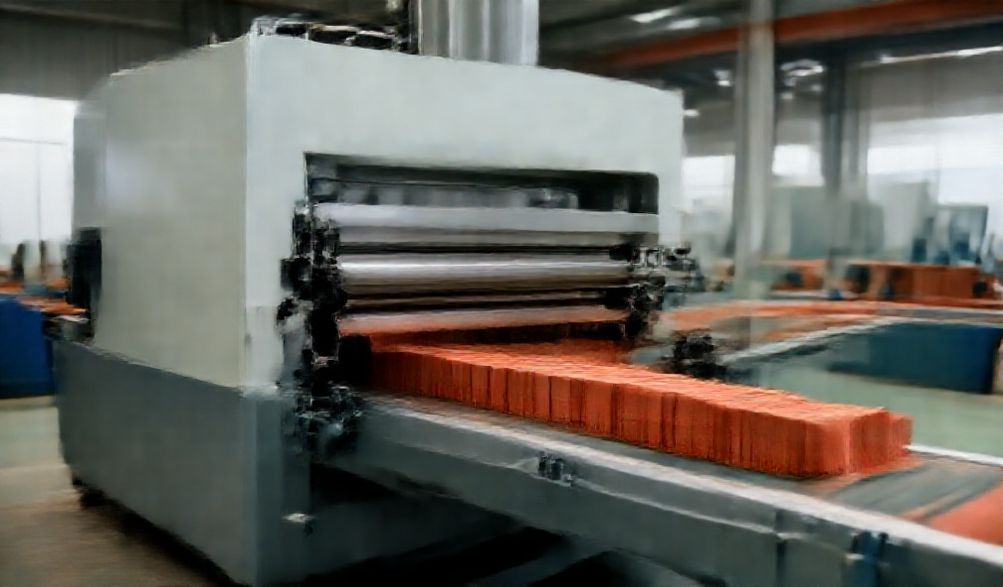
중국 고품질 고체 벽돌 제조 기계 최종 가이드: 품질, 비용 및 선택 방법
급속한 세계적 도시화와 인프라 개발 시대에 내구성 있고, 가격이 합리적이며, 쉽게 구할 수 있는 건설 자재에 대한 수요는 그 어느 때보다 높습니다. 이 공급망의 핵심에는 기본 구성 요소인 고체 벽돌이 있습니다. 벽돌 생산을 시작하거나 확장하려는 기업가, 건설 회사 및 정부에게 기계 공급원은 압도적으로 명확해졌습니다. 중국은 튼튼하고 혁신적이며 비용 효율적인 고체 벽돌 제조 기계의 생산 중심지로서 그 위치를 확고히 자리잡았습니다.
그러나 이 방대하고 역동적인 시장을 탐색하는 것은 상당한 도전 과제입니다. 이 풍경에는 세계적인 수준의 엔지니어링 회사부터 평판이 좋지 않은 작업장에 이르기까지 수천 개의 제조업체가 포진해 있습니다. 품질, 가격, 투명성, 애프터 서비스 지원의 변동성은 유망한 투자를 비용이 많이 드는 골칫거리로 전락시킬 수 있습니다. 이 가이드는 포괄적이고 전문가 주도의 리소스로 여러분을 돕기 위해 마련되었습니다. 우리는 깊은 산업 통찰력, 기술적 분석, 실용적인 조달 지혜를 바탕으로 정보의 소음을 걸러내어, 여러분이 정보에 기반한 자신감 있고 성공적인 구매 결정을 내릴 수 있도록 지원할 것입니다. 지식의 기초부터 차근차근 쌓아 나가 봅시다.
중국이 고형 벽돌 제조기 시장을 지배하는 이유
이해하기왜이 산업에서 중국이 선두를 달리는 것은 현명한 소싱의 첫걸음입니다. 이는 우연이 아니라 수십 년간의 전략적 발전과 산업 진화의 결과입니다.
제조 규모와 전문성의 유산
중국의 '세계의 공장'이라는 타이틀은 중장비 분야에서 특히 적절합니다. 30년 이상 동안 이 나라는 제조업에 있어 비할 데 없는 생태계를 발전시켜왔습니다. 벽돌 기계 부문에서 이는 산동성과 같은 지역에 강력한 산업 클러스터를 형성하는 결과를 가져왔습니다.산둥, 푸젠, 허난.
이러한 클러스터는 강력한 시너지 효과를 창출합니다. 집중된 지리적 영역 내에서 다음과 같은 것들을 발견할 수 있습니다:
* 전문 주조 공장 및 철강 공급업체.
* 유압 부품 및 전기 패널 제조업체
* 전문 금형 및 다이 작업장.
숙련된 용접공, 정비공, 엔지니어로 구성된 풍부한 인력 풀.
이 통합된 공급망은 생산 시간과 비용을 극적으로 줄이는 동시에 제조업체들 사이에서 지속적인 혁신과 경쟁을 촉진하는 환경을 조성합니다.
뛰어난 가성비
이는 종종 국제 구매자들의 주된 매력 요소이며, 그럴 만한 이유가 있습니다. 중국의 고체 벽돌 제조 기계는 일반적으로 따라하기 어려운 강력한 가치 제안을 제공합니다.
경쟁력 있는 가격은 다음과 같은 이유에서 비롯됩니다:
* 규모의 경제대량 생산량은 고정 비용(연구 개발, 공구 비용)을 많은 단위에 분산시킵니다.
* 통합 공급망언급된 바와 같이, 부품을 현지에서 효율적으로 조달하면 투입 비용을 낮게 유지할 수 있습니다.
* 경쟁력 있는 가격의 숙련된 노동력관련 기술을 보유한 대규모 인력은 조립 비용을 낮추는 데 기여합니다.
이것을 올바르게 이해하는 것이 중요합니다:그저가장 저렴한 것에 관한 것이 아닙니다. 이는 유럽이나 북미에서 공급받을 경우 종종 2~3배 더 높은 프리미엄이 붙는 수준의 기계 성능과 자동화에 접근하는 것에 관한 것입니다. 중국 제조업체들은 접근 가능한 가격에 견고한 기능성을 제공하는 데 능숙해졌습니다.
기술 발전과 적응성
"중국 제조"가 단순한 모방 기술을 의미하던 시대는 지났습니다. 선도적인 중국 제조업체들은 이제 벽돌 기계 혁신의 최전선에 서 있습니다.
현대 기계에는 이제 일상적으로 다음과 같은 기능들이 탑재됩니다:
* PLC(프로그래밍 가능 논리 제어기) 시스템:자동화되고 정밀하며 반복 가능한 작동 사이클을 위해.
* 에너지 효율적인 디자인:가변 속도 드라이브와 최적화된 유압 시스템을 도입하여 전력 소비를 줄입니다. 이는 주요 운영 비용입니다.
* 반자동화 및 완전 자동화자동 재료 공급과 벽돌 적재부터 로봇 팔레트 처리까지, 노동력 요구를 줄이고 안전성을 향상시킵니다.
게다가 중국의 엔지니어들은 전문가로 성장했습니다.맞춤화그들은 기계 설계를 조정하여 점토, 플라이 애시, 셰일, 콘크리트 믹스 등 특정 지역의 원자재와 최적으로 작동하도록 하고, 시장에서 요구하는 정확한 벽돌 크기, 모양, 압축 강도를 생산할 수 있습니다.
중국산 고형 벽돌 제조 기계의 주요 유형
모든 벽돌 제조 기계가 동일하게 만들어지는 것은 아닙니다. 귀하의 프로젝트 성공은 필요에 맞는 적절한 기술 유형을 선택하는 데 달려 있습니다. 주요 카테고리를 세분화해 보겠습니다.
고밀도 정밀 벽돌용 유압 프레스 기계
작동 원리:이 기계들은 고압 유압 시스템을 사용하여 원료를 금형 안에서 압축합니다. 압력은 지속적으로 가해지며 정밀하게 제어될 수 있습니다.
- 최적 대상:고강도 균일 고체 벽돌, 고품질 포장재, 연석 및 인터로킹 블록을 생산하는 곳으로, 정밀성과 우수한 마감이 중요한 분야입니다.
- 장점:
- 우수한 밀도와 압축 강도를 가진 벽돌을 생산합니다.
- 모든 벽돌 면에 매끄럽고 균일한 마감 처리.
- 진동 기계보다 일반적으로 작동 소음이 적습니다.
- 다양한 제품에 맞춰 금형 교체가 용이하여 활용도가 높습니다.
- 단점:
- 초기 투자 비용이 더 높습니다.
- 진동 성형에 비해 주기가 느려질 수 있어, 표준 벽돌의 시간당 생산량이 낮아질 수 있습니다.
- 유압 시스템은 신중한 유지 보수가 필요합니다.
진동 다짐기 (대용량 생산용)
작동 원리:이 기계들은 강력한 진동과 기계적 압력을 조합하여 몰드 내부의 재료를 다집니다. 진동은 공기 주머니를 제거하고 재료를 밀집하게 채우는 데 도움을 줍니다.
- 최적 대상: Large-scale production of standard solid clay or concrete bricks where high output volume is the primary goal.
- 장점:
- Very high production speed (cycle time can be under 15 seconds).
- Rugged construction designed for 24/7 continuous operation.
- Often more straightforward mechanically than complex hydraulic systems.
- Highly effective for standard brick formats.
- 단점:
- Operation can be significantly noisier.
- Bricks may have slightly lower density and surface finish compared to top-tier hydraulic presses.
- More limited in producing highly intricate or large-format blocks.
Manual & Semi-Automatic Machines (For Small Business & Startups)
작동 원리: These are simple, often lever-operated or small electrically-powered machines that require significant human intervention for material feeding, compaction, and brick ejection.
- 최적 대상: Entrepreneurs with low startup capital, very small-scale projects, community-based building initiatives, or areas with unreliable electricity.
- 장점:
- Extremely low purchase cost.
- Simple to maintain and repair locally.
- Minimal or no power requirements for manual models.
- Portable and easy to set up.
- 단점:
- Very low output (often hundreds of bricks per day, not per hour).
- Labor-intensive and physically demanding.
- Brick quality is highly dependent on operator skill, leading to potential inconsistency.
The Essential Buyer’s Checklist: How to Select a Reliable Supplier
This is the most critical phase of your journey. Diligent supplier vetting is your primary shield against risk.
Verifying Manufacturer Credentials & Experience
Don’t take a website at face value. Conduct due diligence:
* Business License & Factory Audit: Insist on seeing their official business license (you can ask a local agent to verify it via China’s Administration for Industry and Commerce – AIC). A mandatory virtual factory tour via video call is non-negotiable. Look for organization, workflow, and the quality of work in progress.
* Industry Certifications: While not a guarantee, certifications like ISO 9001(품질 관리) 그리고씨이 (for export to many markets) indicate a commitment to systematic processes and safety standards.
* Portfolio & Client References: Ask for detailed photos and videos of machines they have produced and installed. Most importantly, request contact information for 2-3 past international clients in a region similar to yours. Take the time to speak with them.
Assessing Machine Quality Beyond the Brochure
The specification sheet tells only part of the story. Drill down into the details:
* 핵심 구성 요소: Specify and verify the brands of critical parts. For hydraulics, ask for Rexroth, Kawasaki, or Yuken. For PLCs, Siemens or Mitsubishi are top-tier. For molds, inquire about the grade and hardness of the steel used. A machine built with reputable components will last longer and perform better.
* Production Data & Testing: Request actual, verified production data (bricks per hour under specific conditions) and a brick quality report. The gold standard is to send a sample of your raw materials to the factory for them to conduct a live test and send you the resulting bricks for your own evaluation.
* Build Quality & Safety: During your video tour, look at weld quality (should be clean and even), the thickness of structural steel, and the presence of essential safety features like mechanical guards, emergency stop buttons, and electrical safety interlocks.
Understanding the Total Cost of Ownership (TCO)
The machine price is just the entry ticket. Smart buyers budget for the TCO:
* Cost Breakdown:
* Machine FOB Price
* Shipping, Insurance, and Logistics to your port
* Import Duties and Taxes (consult a local customs broker)
* Installation & Commissioning (by their engineer or a local technician)
* Initial Spare Parts Kit (at least 1-2% of machine cost)
* Operator & Maintenance Training
* After-Sales Service Agreement: This is your long-term safety net. The contract must clearly state:
* Warranty period (typically 12 months for parts, excluding wear items).
* Response time for technical support (e.g., 24-hour remote support via WhatsApp/Video).
* Spare parts pricing policy and guaranteed lead time for shipment.
* Terms for an engineer’s on-site visit (cost, duration, responsibilities).
* 운영 비용 Calculate estimated energy consumption (kW per hour) and understand the routine maintenance schedule (daily greasing, weekly checks, etc.).
Navigating the Procurement Process: From Inquiry to Installation
A structured process prevents misunderstandings and ensures a smooth transaction.
Step 1: Detailed RFQ and Technical Communication
Start with a comprehensive Request for Quotation (RFQ). A good RFQ should include:
* 원자재 분석 Type, composition, moisture content, particle size.
* 벽돌 사양: Desired final size, weight, density, and minimum compressive strength.
* Production Requirement: Target output (bricks per 8-hour shift).
* 현장 조건: Available power supply (voltage, phase), factory space, and ceiling height.
* Preferred Level of Automation: Manual feeding? Automatic stacking?
This clarity allows suppliers to provide accurate proposals and shows you are a serious buyer.
Step 2: Negotiation, Contract, and Payment Security
- Payment Terms: Standard terms are often 30% deposit via T/T (Telegraphic Transfer), 70% balance against copy of Bill of Lading. Consider using Escrow services (like Alibaba Trade Assurance) for added security, especially with new suppliers.
- The Contract: This must be detailed and in English. It should include, as appendices: Final Technical Specifications, Warranty Terms, Accepted Payment Terms, Delivery Schedule, and Penalty Clauses for late delivery or performance shortfalls. Do not proceed without a signed contract.
Step 3: Logistics, Customs Clearance, and Installation
- 배송 Understand Incoterms. FOB (본선 인도 조건) is common, where you control the main shipping and insurance. 비용, 보험, 운임 포함(CIF) means the supplier arranges it to your port. Using a reliable freight forwarder is highly recommended.
- Key Documents: Ensure you receive and check: Commercial Invoice, Packing List, Bill of Lading, Certificate of Origin, and any required manuals in advance.
- Installation: Clarify who is responsible. Will the supplier send an engineer (at whose cost?), or will they provide detailed installation manuals and video guides for your local team? On-site commissioning is invaluable for starting up correctly.
자주 묻는 질문 (FAQ)
Q1: What is the typical price range for a China-made solid brick making machine?
A: Prices vary dramatically based on type and automation. A small manual machine can start around 3,000 – 8,000달러. A robust semi-automatic vibratory machine may range from 1만 5천 달러 – 4만 달러. A fully automatic hydraulic production line with feeding and stacking systems can range from $50,000 to $150,000+. The key is to get detailed quotes based on your specific RFQ.
Q2: How can I ensure the machine quality without visiting China?
A: A comprehensive virtual factory tour is essential. Furthermore, insist on a live performance test using a sample of your raw materials, which they should courier back to you. Request high-resolution videos of the machine in action for other clients, focusing on the operation, the bricks produced, and the final packing for shipment.
Q3: What is the lead time for production and delivery?
A: For a standard model, production typically takes 20-35 days. Sea freight can add 30-45 days to major ports worldwide, plus time for customs clearance at your destination (5-10 days). For large, custom-designed lines, production can take 60-90 days. Always build buffer time into your project plan.
Q4: Do Chinese suppliers provide training and operational manuals?
A: Reputable suppliers absolutely should. Your contract must stipulate the provision of clear English-language operation manuals, maintenance guides, electrical circuit diagrams, and parts lists. Basic training is often included—either via detailed videos, online sessions, or, preferably, from their engineer during on-site installation.
Q5: How do I handle machine breakdowns and spare parts?
A: This underscores the importance of the after-sales agreement. Start by purchasing a recommended initial spare parts kit. For breakdowns, the supplier should first provide remote troubleshooting via video call. If a part is needed under warranty, they should ship it promptly. Post-warranty, you should have a clear process and price list for ordering spare parts. Building a good relationship with your supplier is key here.
결론
Sourcing a solid brick making machine from China presents a tremendous opportunity: access to advanced, reliable, and highly customizable manufacturing technology at a value-driven price point. However, this opportunity is only fully realized through meticulous supplier vetting, clear technical communication, and a focus on building a partnership, not just making a one-time purchase.
Remember, the true measure of your investment is not the sticker price, but the 총 소유 비용 and the strength of the 애프터 서비스 지원 behind it. By applying the insights from this guide—verifying credentials, understanding the technology, and managing the procurement process step-by-step—you transform from a hopeful buyer into an informed partner. You are now equipped to make a decision that will lay a solid, profitable foundation for your brick-making business for years to come.
<